
Why people searching for the Anker SOLIX X1 are usually trying to solve a sizing problem
The Anker SOLIX X1 is showing up in searches because buyers want a clear answer to a practical question: is this the kind of energy storage system that fits a home, a business, or a mixed-use site without creating extra complexity? That sounds simple, but in the energy-storage market it rarely is. The label alone does not tell you how the system handles load, whether it is modular enough for future expansion, or how much installation effort is really involved.
If you are evaluating the Anker SOLIX X1 energy storage system, the decision is not just about brand recognition. It is about matching the system to the electrical profile of the site, the backup expectations, and the amount of space the installer has to work with. In other words, the buyer is usually not asking “is it good?” They are asking “will it fit the job without overbuying or underbuying?”
What the product name suggests, and what it does not
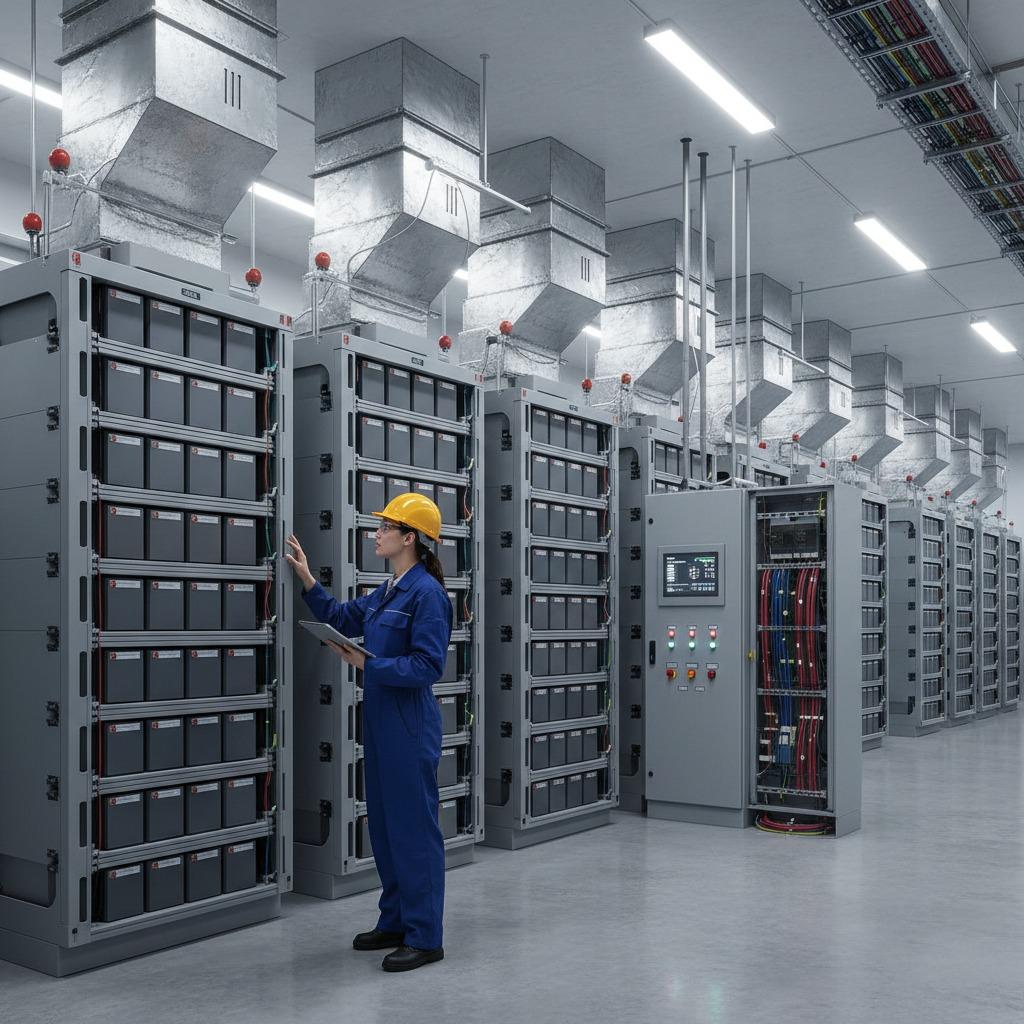
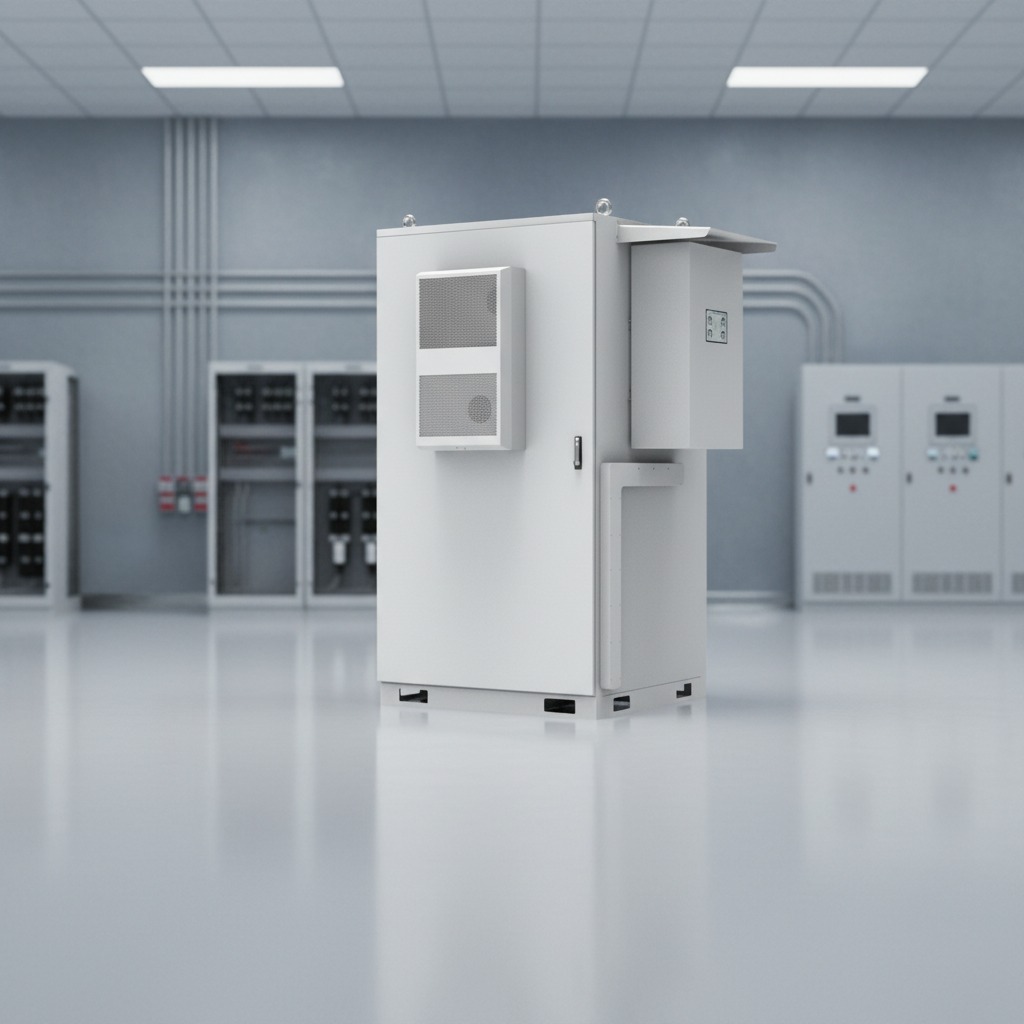
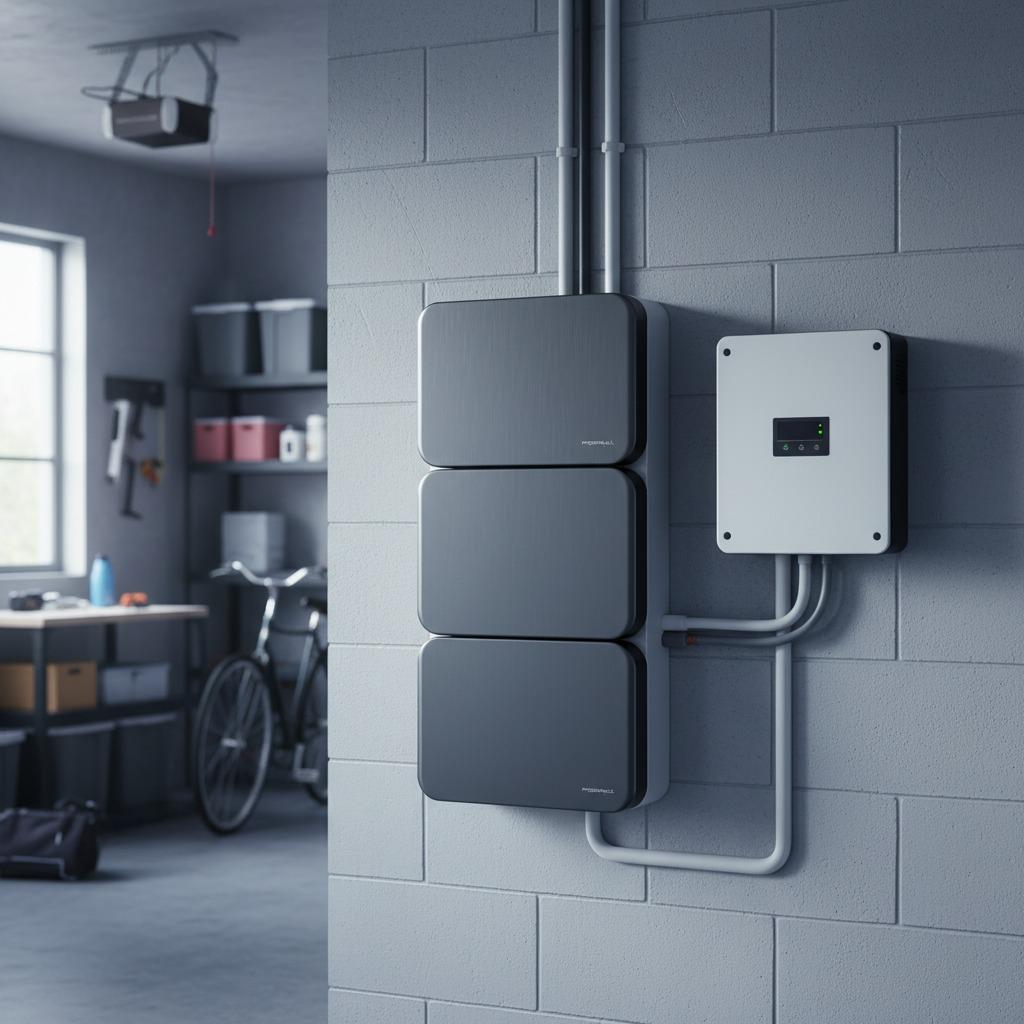
From a trade perspective, a product like the Anker SOLIX X1 sits in a category where the visible hardware matters as much as the marketing. Buyers want to know whether they are dealing with a compact wall-mounted unit, a stackable battery arrangement, or a more cabinet-like installation with dedicated thermal management. Those details affect not only performance but also permitting, service access, and the installer’s labor plan.
The available Anker SOLIX X1 product info does not give exact electrical specifications, so it is better to treat the product as a system platform rather than assume a fixed set of numbers. That is the safe way to evaluate any storage product when the datasheet is not in front of you. Ask what is included in the base configuration, what is optional, and what is required to support long-term operation.
Key takeaways before you compare systems
A useful way to approach the Anker SOLIX X1 is to separate three decisions that often get blurred together:
The first is capacity. How much stored energy do you actually need for backup, self-consumption, or peak shifting?
The second is power delivery. A system can store energy well and still be a poor fit if it cannot support the load profile you care about.
The third is installation shape. A clean-looking product can still be difficult to service if clearances, cooling, or wiring access are awkward.
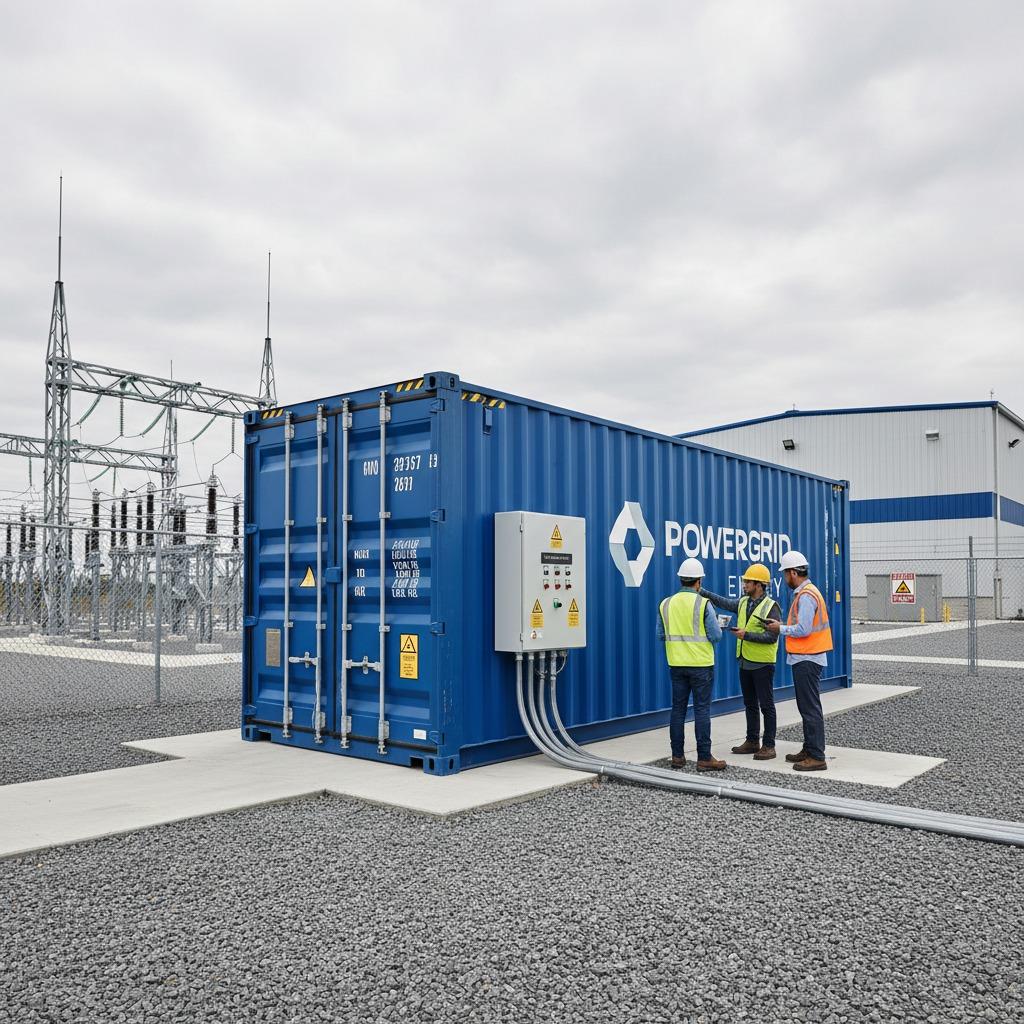
That last point is underrated. Many procurement teams focus on capacity and inverter features first, then discover that the real schedule risk is installation complexity. For a site team, an energy storage system is not only an electrical asset; it is also a mechanical object that has to be lifted, landed, bonded, wired, inspected, and sometimes expanded later.
Where the industrial mindset helps: think in systems, not slogans
Even though the Anker SOLIX X1 is positioned as an energy storage product, the evaluation logic is similar to buying industrial electrical equipment. Engineers tend to ask how the enclosure is built, how heat is managed, and how the system will behave in a less-than-perfect environment. Those are the right questions.
A storage system that looks neat in a brochure can still struggle if ventilation is marginal or if the layout leaves little room for cables, service loops, or future module changes. A buyer should also be cautious about assuming that all installations are alike. Residential garages, utility rooms, and light-commercial spaces each create different thermal and access constraints.
That is why product info matters. If the documentation is thin, you are effectively guessing at the installation burden, and that is where projects slip.
What to review in the specification sheet
When you are comparing the Anker SOLIX X1 against other options, the most useful data points are often the ones that do not get headline treatment.
1. Expansion path
Can the system grow as energy needs increase, or is the initial purchase the only practical configuration? Buyers sometimes choose a system sized for today’s load and later regret not leaving room for a larger battery stack or a higher-output architecture.
2. Thermal design
Look for how the system handles heat rejection and airflow. In storage systems, thermal behavior is not a side note. It influences performance, reliability, and service life. If the documentation does not make the cooling strategy clear, ask the installer or vendor to explain it plainly.
3. Installation footprint
The physical layout matters more than many first-time buyers expect. Wall space, floor loading, doorway access, and maintenance clearances can all shape the project. A compact-looking unit may still need generous surrounding space once conduits and service access are added.
4. Backup behavior
If resilience is the reason you are shopping, define the loads that matter. Whole-home backup and critical-load backup are different animals. A good sales conversation should end with a realistic load list, not a vague promise of “security.”
How to evaluate the Anker SOLIX X1 against alternatives
The right comparison is not simply feature versus feature. It is use case versus use case.
If you are a homeowner, you are likely balancing backup coverage, aesthetics, and future solar integration. If you are a product team or sourcing manager supporting a multi-site rollout, you may care more about installation repeatability, maintenance access, and how consistent the system is from one job to the next.
That is where the Anker SOLIX X1 energy storage system should be judged on practical fit:
Does it reduce installation friction?
Does it support the operating mode you need most often?
Does the vendor documentation give your team enough confidence to standardize on it?
Standardization is often underrated in procurement. A slightly less glamorous product can win if it is easier to specify, install, and support across a portfolio of sites.
Common mistakes buyers make with storage products
One common mistake is shopping only on nameplate capacity. That can be misleading because storage is about usable performance, not just a number printed on a sheet.
Another mistake is ignoring the environment where the system will live. A garage in one climate is not the same as a utility room in another. Temperature swings, dust, and service access can all matter.
A third mistake is treating the installation as routine. It may not be. Systems with strong integration and cooling hardware can simplify long-term operation, but they can also introduce details that inexperienced installers need to understand. Ask the vendor what the installer must know before the first visit, not after the first callback.
And one practical aside: if your project depends on a single narrow wall bay or an overcrowded equipment room, re-check the plan before ordering. Storage projects have a habit of exposing bad assumptions about available space.
What the available product information does and does not tell you
At present, the Anker SOLIX X1 product info available here is limited, so any detailed claims about battery chemistry, exact output ratings, certification status, or protection class would go beyond the evidence. That is not a weakness of the product; it is simply a reminder that buyers should work from the official datasheet and installation guide before making a final commitment.
This is especially important if you are buying for a regulated application or a project that will be inspected closely. Energy storage systems can look similar from a distance and differ significantly once you get into electrical architecture, software behavior, and site requirements.
Buyer checklist for the final review
Before you approve the Anker SOLIX X1, make sure you have answers to the following:
What loads will it support, and for how long?
What does the default configuration include, and what is optional?
How much room is needed for installation and service?
How is cooling handled?
What future expansion is realistic?
What support materials are available for installers and maintenance staff?
If you cannot get a clear answer on one of those items, treat that as a risk, not a small omission.
FAQ
Is the Anker SOLIX X1 mainly for home or business use?
Based on the product name and market positioning, it appears to be aimed at energy storage use where backup and load management matter. The exact fit depends on the configuration and the site’s electrical requirements.
Should I choose it just because it looks compact?
No. Compact design is helpful, but space efficiency should not replace a review of capacity, power behavior, and service access.
What should I ask the vendor first?
Ask for the official product documentation, installation requirements, and the exact configuration that matches your backup or self-consumption goal.
Next step
If you are evaluating the Anker SOLIX X1 for a project, start with the use case, then confirm the electrical and installation details from the official documents. That order saves time. It also prevents the most common sourcing mistake in energy storage: buying a system that looks right on paper but turns awkward once it reaches the site.
For engineers, installers, and procurement teams, the smartest move is still the oldest one in the book: compare the actual job to the actual hardware, and do not let the brochure do the sizing for you.