
Solar Panel Power Loss: what buyers and engineers need to watch before the numbers slip
Solar Panel Power Loss is one of those phrases that sounds simple until you start tracing it through a real project. A module may look healthy on paper, yet output fades once the array sits in hot weather, collects dust, ages under UV exposure, or runs into mismatch across strings. For engineers and sourcing managers, the practical question is not whether loss happens; it is how much loss is acceptable, where it comes from, and what design or purchasing choices can limit it without paying for features that do not move the needle.
That matters because a solar system is bought on expected yield, not just nameplate wattage. If the early design assumes ideal conditions, the financial model gets brittle fast. A few percentage points of underperformance can change payback, especially in warm climates and utility-scale installs where small losses multiply across thousands of modules. Buyers need a way to compare modules, mounting choices, and system layouts against the conditions that actually exist on site.
Where the loss comes from in the real world
Most power loss is not caused by one dramatic failure. It is usually a stack of smaller penalties. Some are predictable from the module datasheet and site climate. Others show up only after installation, when airflow, wiring practice, shading patterns, and cleaning schedules start to matter.
Temperature rise is often the first culprit
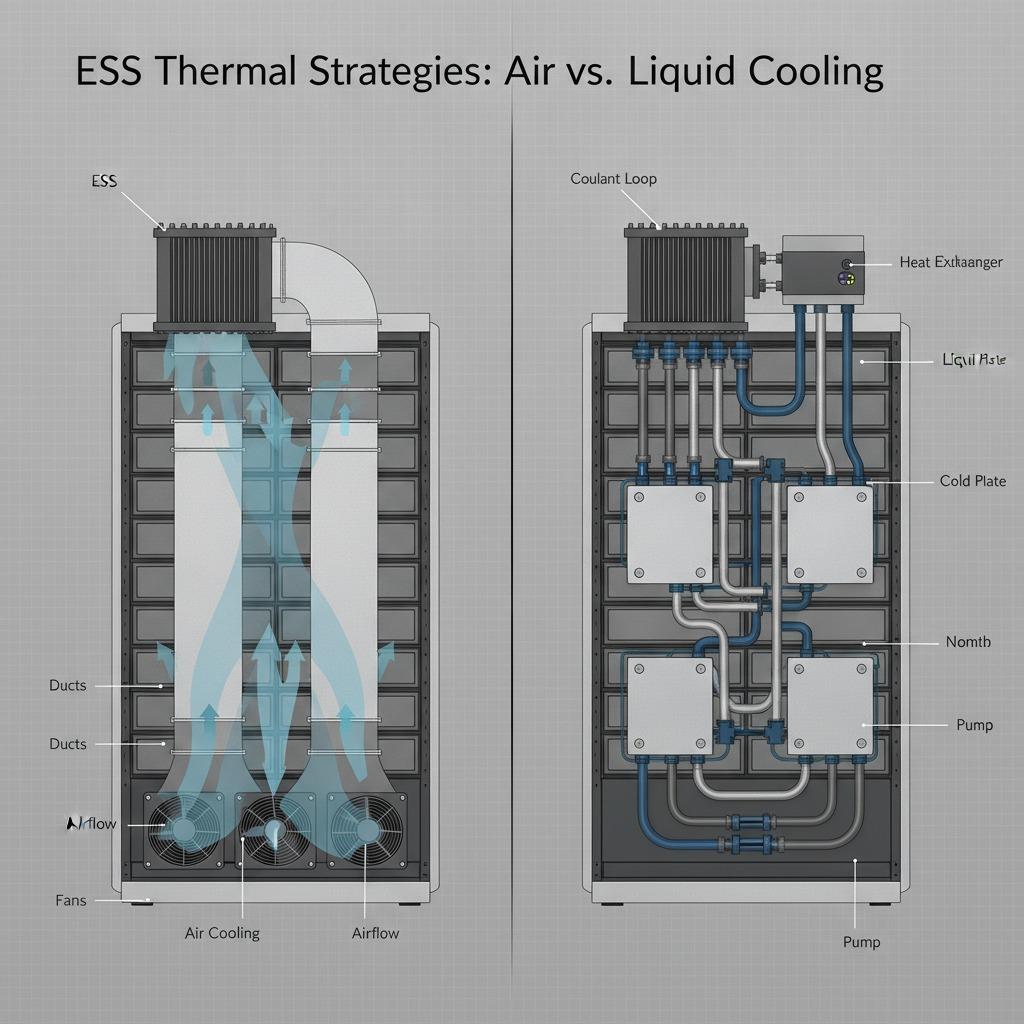
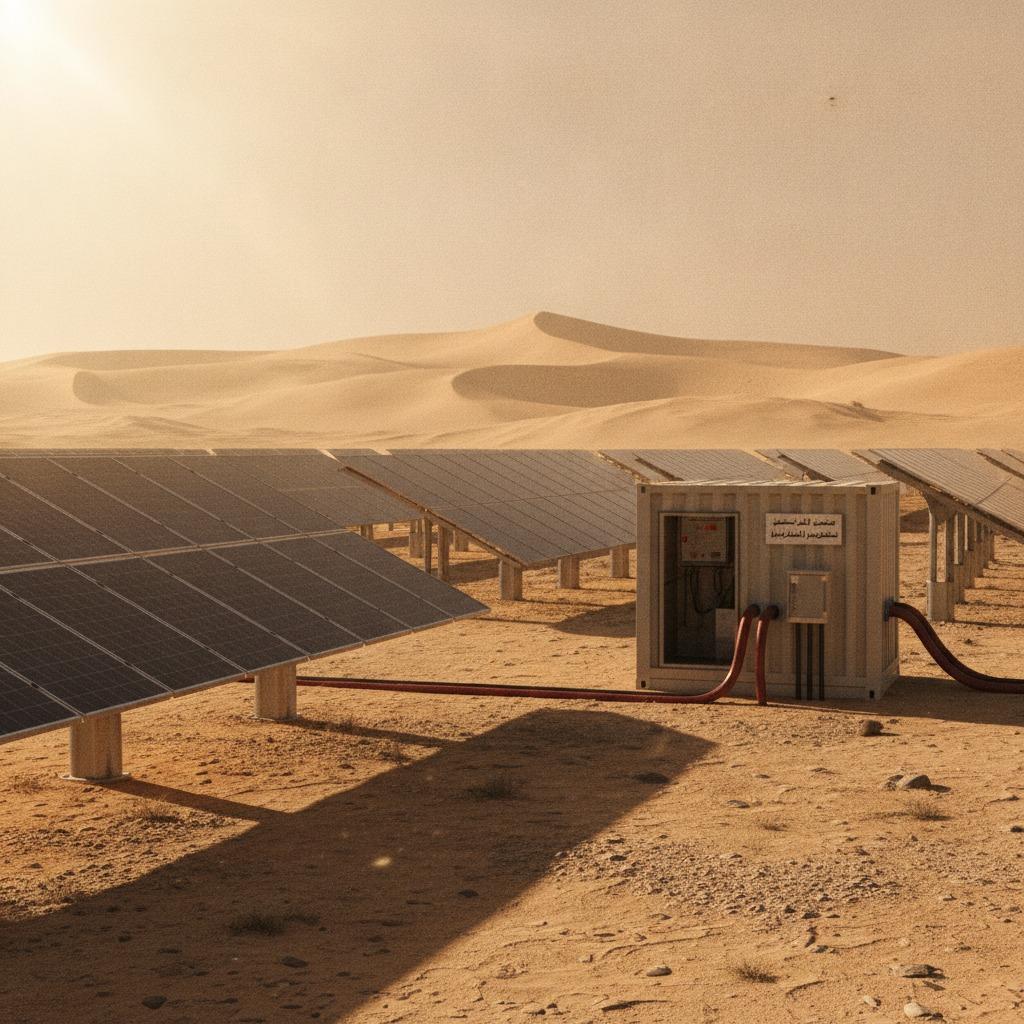
As modules heat up, voltage drops, and output falls. That is why High Temperature Solar Performance deserves so much attention in project review meetings. A panel that performs well in a cool test environment may lose a noticeable slice of output on a hot roof or an arid site with low wind. The effect is not exotic; it is basic semiconductor behavior. Still, it is often underestimated in procurement because the nameplate rating is taken too literally.
In practical terms, hotter modules mean lower instantaneous power, especially during the hours when the sun is strongest. That makes thermal behavior a site-level issue, not just a panel-level one. Ventilation behind the module, roof color, mounting clearance, and local ambient temperature all play a role.
Soiling, shading, and mismatch are slower but stubborn
Dust, bird droppings, pollen, and industrial grime reduce irradiance on the cells. Even light shading can have an outsized effect when it falls across a cell string. Mismatch losses happen when modules in the same string do not operate at the same point: one underperforming panel can pull down the others. This is why array design and BOS quality matter as much as the module specification sheet.
In some projects, the best-cost decision is not the cheapest panel but the panel and layout combination that is less sensitive to local shading or uneven contamination. That may sound obvious, yet it is easy to lose sight of when the purchase order is written under schedule pressure.
Aging is gradual, but it still shows up on the P&L
Modules degrade slowly through normal exposure to UV, heat cycling, humidity, and mechanical stress. Degradation is not the same as sudden failure. It appears as a year-over-year erosion of output that may be invisible in the first months of operation. For buyers, the key issue is how quickly a product’s field performance drifts away from the original expectation, and whether the system was modeled with a realistic degradation curve rather than a best-case one.
A quick-reference view of the major loss drivers
If you are screening a module or project design, it helps to think in layers rather than single causes. The following categories are not exhaustive, but they cover the losses most teams end up investigating:
Temperature-related loss: higher cell temperature lowers voltage and peak power.
Optical loss: dust, dirt, snow, haze, and surface contamination reduce incoming light.
Electrical loss: mismatch, resistance in conductors, poor connections, and inverter inefficiency reduce usable output.
Mechanical and environmental loss: shading, cracks, hot spots, and long-term degradation chip away at yield.
Design-induced loss: poor row spacing, weak airflow, or suboptimal stringing can create avoidable losses before the system is even commissioned.
This is not a theoretical hierarchy. It is the list that usually determines whether a project keeps its expected performance or spends the first year chasing underperformance reports.
Why temperature deserves its own purchasing discussion
Not all modules react to heat in the same way. Different cell technologies, encapsulation approaches, and module constructions can show different behavior once the system gets hot. That is why buyers should treat thermal performance as a selection criterion, not a footnote.
A useful habit is to ask how the module behaves under the site’s actual operating conditions, not only under standard test conditions. A product optimized for mild climates may not be the best fit for rooftops in Phoenix, desert ground-mount sites, or equipment yards with limited rear ventilation. The same caution applies to projects in humid regions where heat and moisture combine to stress materials.
There is a practical buyer-facing warning here: a panel that wins on headline efficiency may still underdeliver in the field if its thermal characteristics are not well matched to the installation. That does not make the module bad. It just means the comparison was incomplete.
Selection criteria that matter more than glossy datasheets
When teams evaluate modules or system configurations, they often start with efficiency and price. Those are important, but they do not tell the whole story. A more disciplined comparison usually includes the following questions:
How does the module behave in high ambient temperatures and low-wind conditions?
How sensitive is the array to partial shading and soiling at the specific site?
What mounting arrangement will the system use, and does it allow enough airflow?
How will string design and inverter selection affect mismatch and conversion losses?
Is the maintenance plan realistic for the site’s dust load, access constraints, and weather patterns?
What degradation assumptions are being used in the yield model, and are they conservative enough?
These questions help a sourcing team move beyond a simple unit-cost comparison. They also keep the conversation anchored to lifecycle value, which is usually where the business case lives or dies.
Common mistakes that amplify solar panel power loss
One recurring mistake is choosing equipment based on lab numbers while ignoring installation geometry. A module with strong nominal performance can still lose more energy than expected if it is mounted too close to a roof surface or placed in a row layout that encourages self-shading.
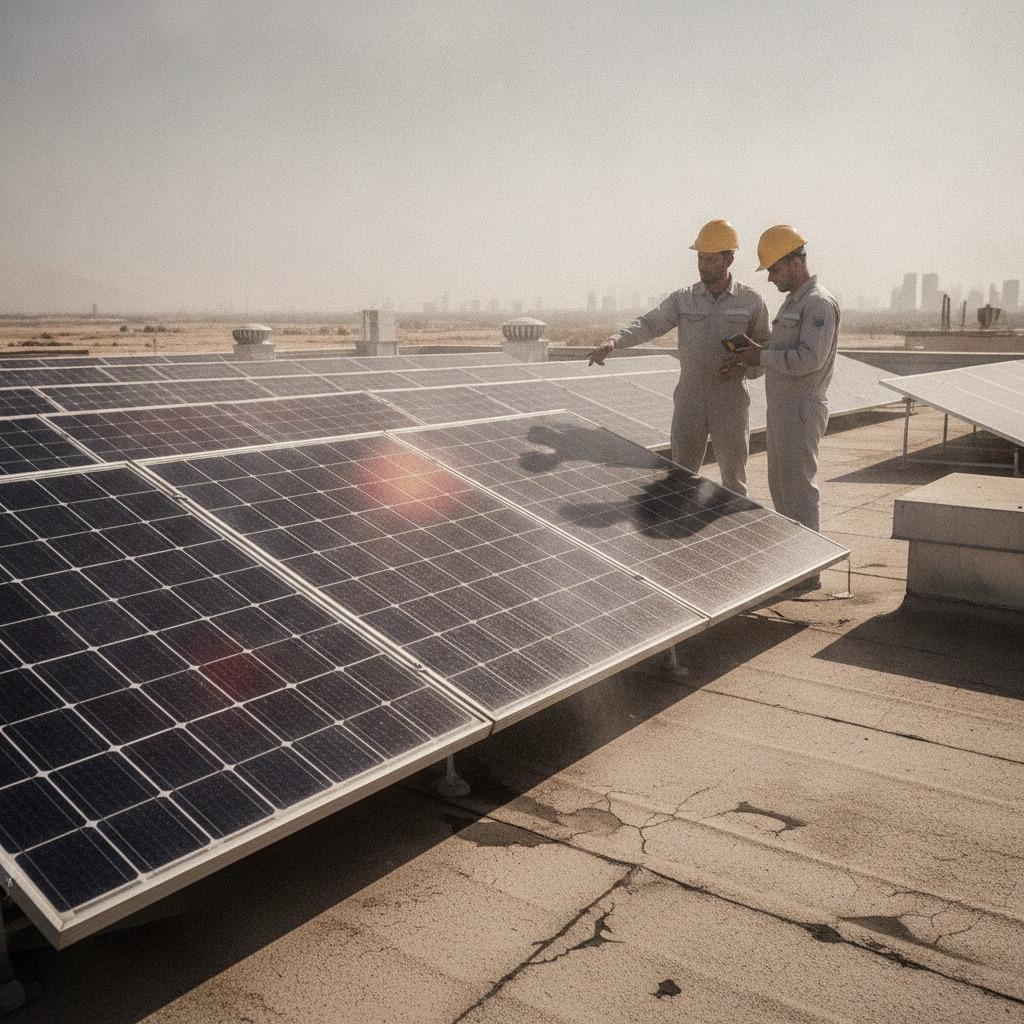
Another mistake is treating cleaning as optional housekeeping rather than part of the performance plan. In dusty environments, accumulated soiling is not cosmetic. It is a measurable drag on yield. The interval between cleanings should be set by site conditions, not by habit.
Teams also sometimes underestimate small electrical issues. Loose connectors, corrosion, poor cable management, or subpar string design can each create modest losses that add up. These are boring problems, which is exactly why they are easy to miss.
And then there is the old habit of assuming the same module performs the same way everywhere. It does not. Climate, mounting, and maintenance shape the result more than many early-stage spreadsheets suggest.
What engineers and sourcing managers should ask before buying
For engineers, the key is system fit. For sourcing managers, the key is avoiding a false economy. Both groups benefit from a short list of questions that forces a vendor discussion away from sales language and toward operating reality.
Ask for thermal behavior information that is relevant to your climate, not just the advertised efficiency number. Ask how the product handles long-term exposure to heat, UV, and moisture. Ask what assumptions are being made about cleaning frequency and partial shading. If the answer comes back vague, that should slow the purchase down.
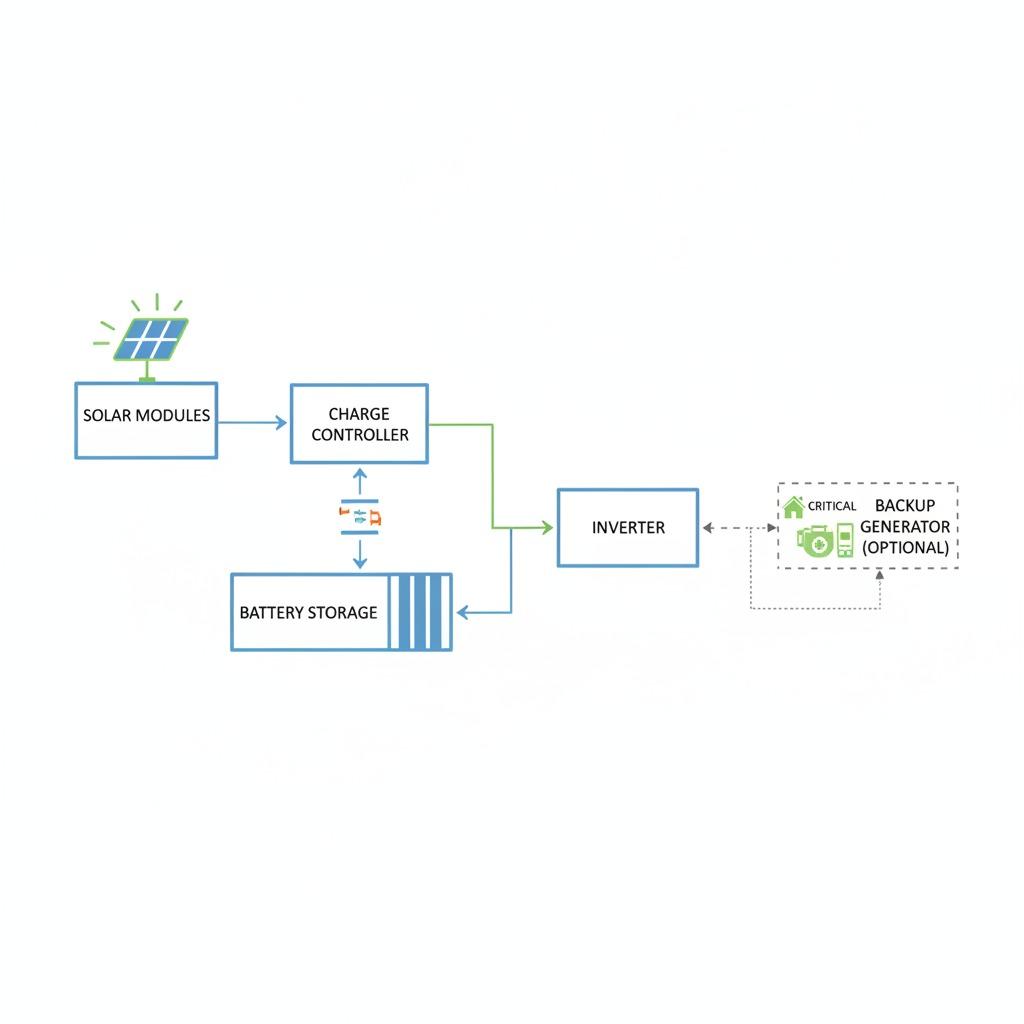
It also helps to coordinate module selection with the rest of the bill of materials. Mounting structure, cable routing, connectors, inverter choice, and monitoring strategy all influence total output. A good module can be undermined by weak balance-of-system decisions, and that is one of the easier ways to lose project value without any obvious single point of failure.
Practical takeaways for project teams
If the project is in a hot region, prioritize thermal suitability early, not after the module shortlist has been narrowed. If the site is dusty, build cleaning into the operating budget and the performance model. If shading is unavoidable, pay attention to string design and layout rather than hoping the issue will average out. If the project is finance-driven, make sure the yield assumptions are conservative enough to survive normal operating loss, not just factory-fresh conditions.
That sounds straightforward, but it is where many projects drift off course. The problem is rarely that nobody understands Solar Panel Power Loss. The problem is that the project team understands it in pieces and then makes a buying decision as if those pieces do not interact.
FAQ: short answers to the questions buyers ask most
Is all power loss bad? Not necessarily. Some loss is inherent to real-world operation. The goal is not zero loss; it is controlled, predictable loss that has been accounted for in design and financial modeling.
Does a higher-efficiency panel always solve the problem? No. A more efficient panel can still underperform if temperature, shading, or system design are poor. Efficiency is one input, not the whole answer.
Can maintenance materially improve output? Yes. Cleaning, inspection, and issue detection can recover lost production, especially in dusty or harsh sites. The gains depend on conditions, but they are rarely trivial.
Should buyers focus more on module specs or installation design? Both. In many projects the installation design determines whether module specs are actually realized in the field.
A better next step for teams reviewing solar purchases
Before approving a module or finalizing a site design, compare the expected losses against the real operating environment. Check temperature behavior, soiling risk, shading geometry, electrical layout, and maintenance assumptions together. That is a more reliable way to judge value than comparing datasheets line by line.
If your team is preparing a solar purchase or reviewing a project design, use the loss drivers as a checklist in the technical review, not as an afterthought. A few deliberate questions now can prevent a year of explainable, avoidable underperformance later.