
Containerized Energy Storage Systems: what buyers need to know before they specify one
Containerized Energy Storage Systems have moved from a niche option to a practical choice for projects that need flexible power, faster deployment, and easier site integration. For engineers, sourcing managers, and product teams, the appeal is obvious: much of the electrical and thermal complexity arrives preassembled in a standard shipping container footprint, which can shorten installation work and reduce the number of trades on site. But that convenience can also hide the real decision points. A container is only the shell; the useful part is the way batteries, power conversion, controls, cooling, fire protection, and safety logic are put together.
If you are comparing options, the important question is not simply whether a system fits in a 20-foot or 40-foot enclosure. It is whether the package matches the load profile, environmental conditions, safety expectations, grid interface requirements, and maintenance strategy of the project. That is where projects succeed or become expensive to operate.
Why containerized systems are used so widely
The market pulled toward containerized formats for a straightforward reason: manufacturing off-site is usually easier to control than building a custom energy storage room at the point of use. In a factory setting, wiring can be organized, thermal management can be tested under known conditions, and the internal layout can be standardized. For buyers, that often means less field labor and fewer surprises during commissioning.
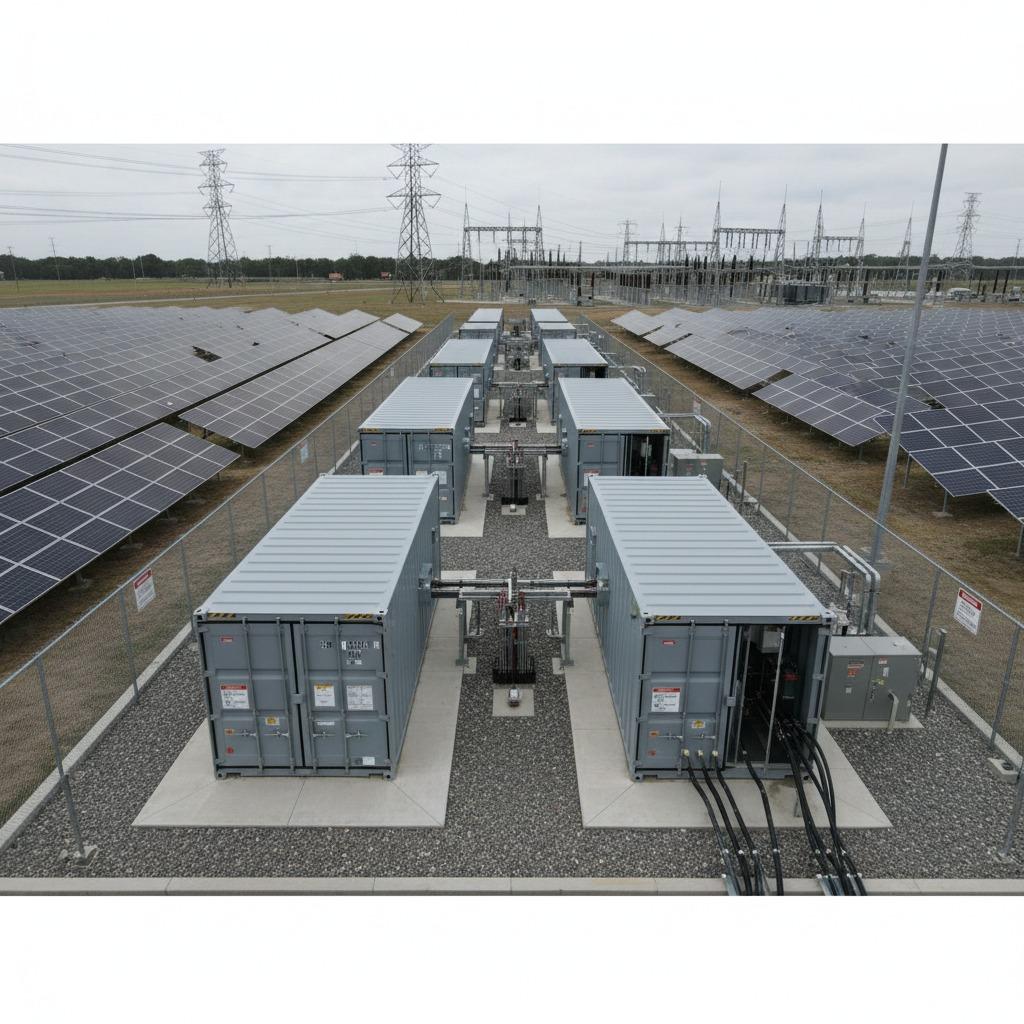
These systems are used in utility support, renewable smoothing, peak shaving, microgrids, backup power, remote industrial sites, and commercial facilities that need demand management. The portable format is especially useful where land is constrained, the project timeline is tight, or the site must remain modular for future expansion. A containerized approach can also help when equipment needs to be relocated later, although moving a large energy storage asset is never as simple as moving a storage rack. Permitting, site prep, and electrical interconnection still matter.
What is actually inside the container
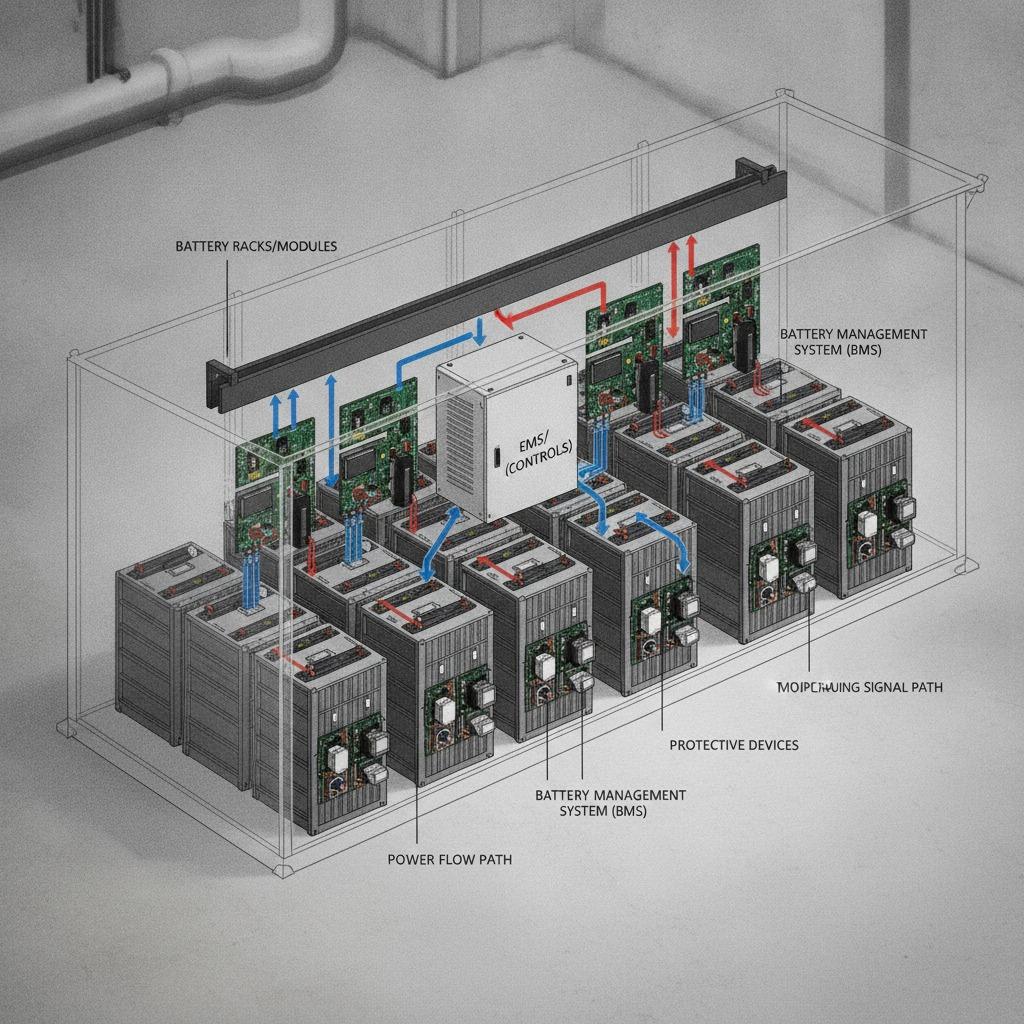
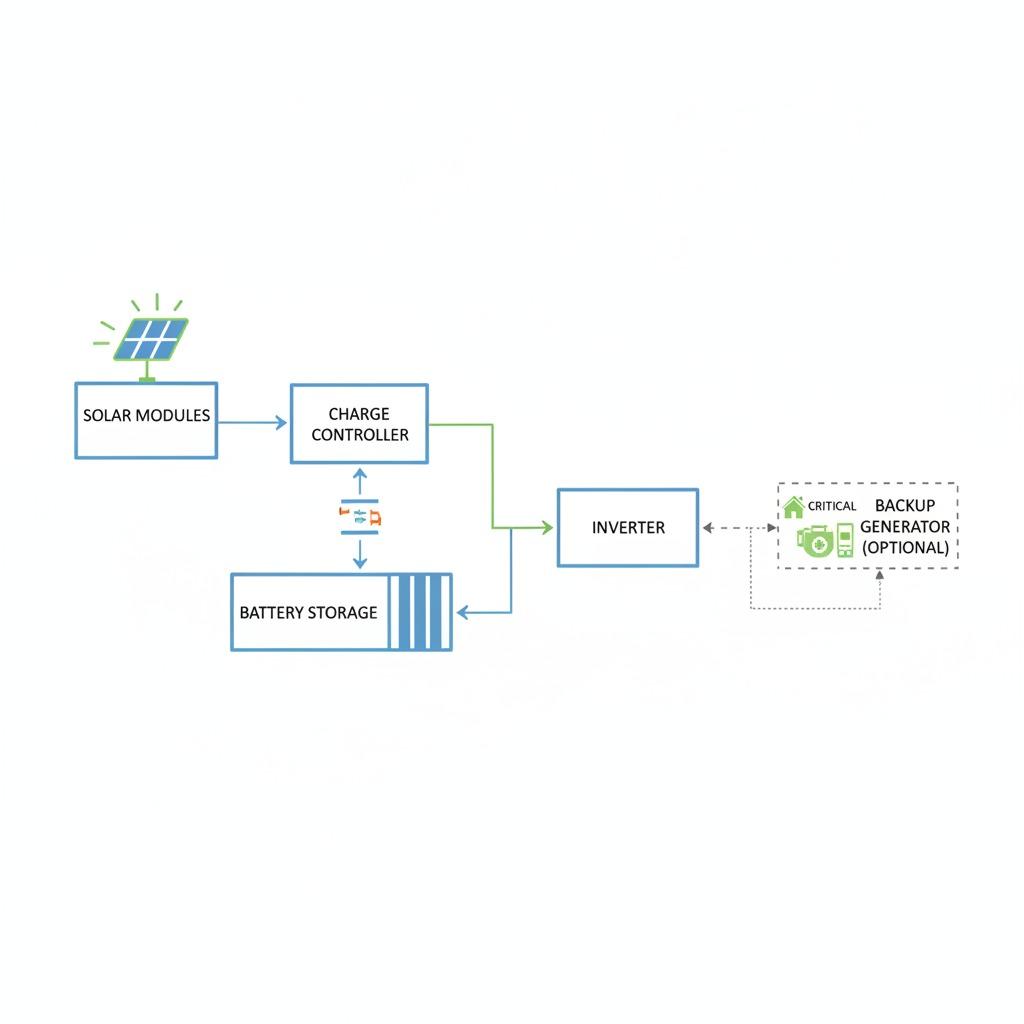
The enclosure itself is only one part of the system. A typical containerized package may include battery modules or racks, a battery management system, power conversion equipment, DC protection, AC switchgear, HVAC or liquid cooling, insulation, lighting, access control, and fire detection or suppression components. Depending on the design, some functions may be distributed in adjacent cabinets rather than physically stacked inside one box.
The practical implication is that two systems can look similar from the outside and behave very differently in the field. One may prioritize high energy density and compact layout; another may leave more room for service access, thermal separation, or easier cable routing. That is one reason buyers should ask for internal arrangement drawings, single-line diagrams, and a clear service path before purchase. A neat exterior does not guarantee a maintainable interior.
Key decision points for engineering and sourcing teams
1. Load profile and duty cycle
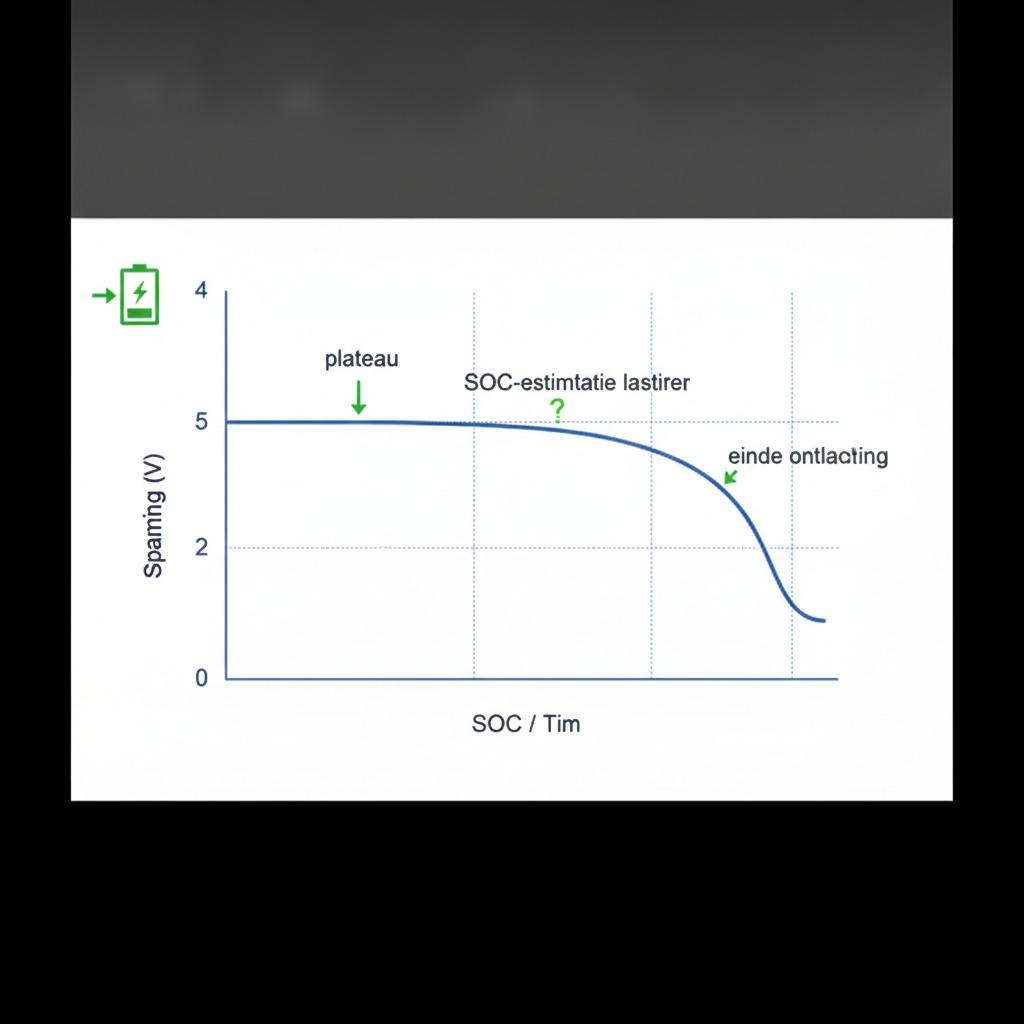
The first question is how the system will be used. A project designed for short-duration peak shaving faces different design priorities than a system meant for several hours of backup or daily cycling tied to solar output. Capacity alone is not enough. Depth of discharge, cycle frequency, and expected temperature range can change useful life and operating cost in ways that are easy to underestimate.
2. Environmental conditions
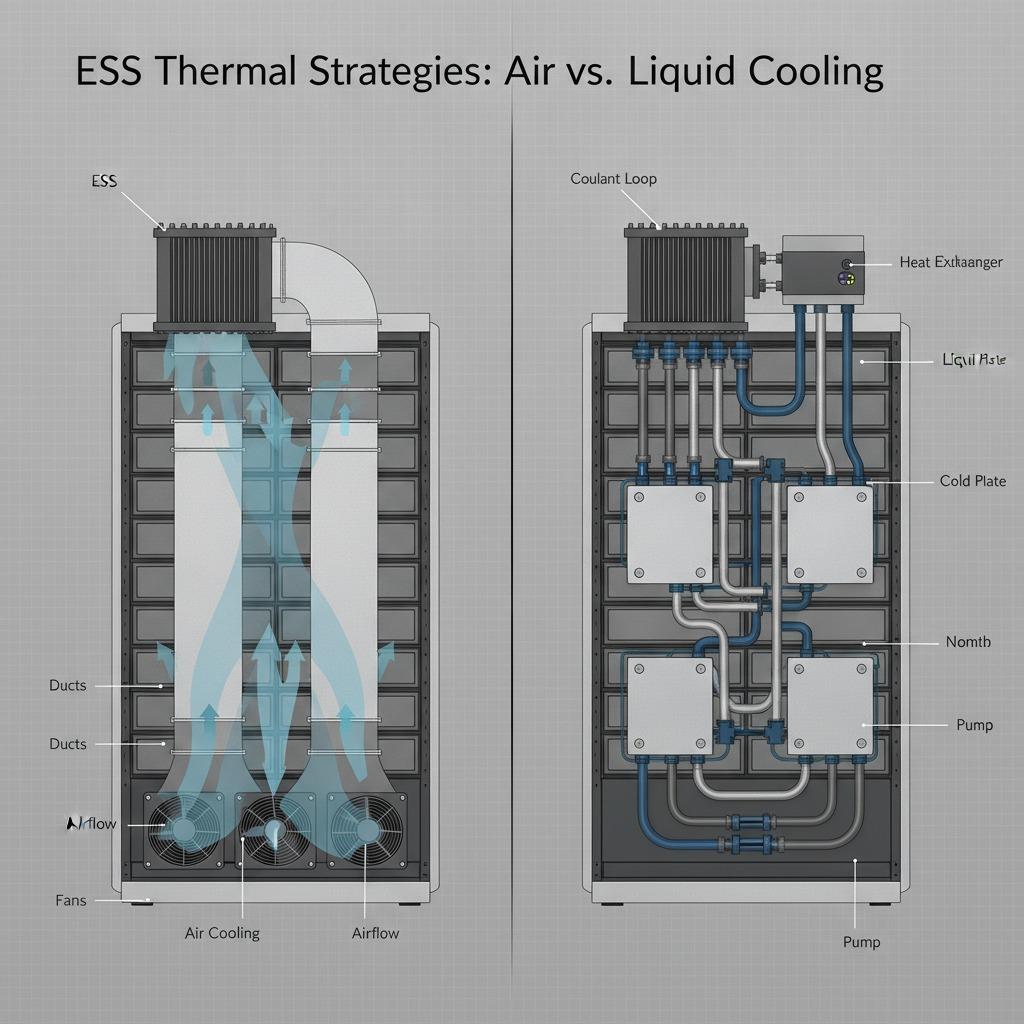
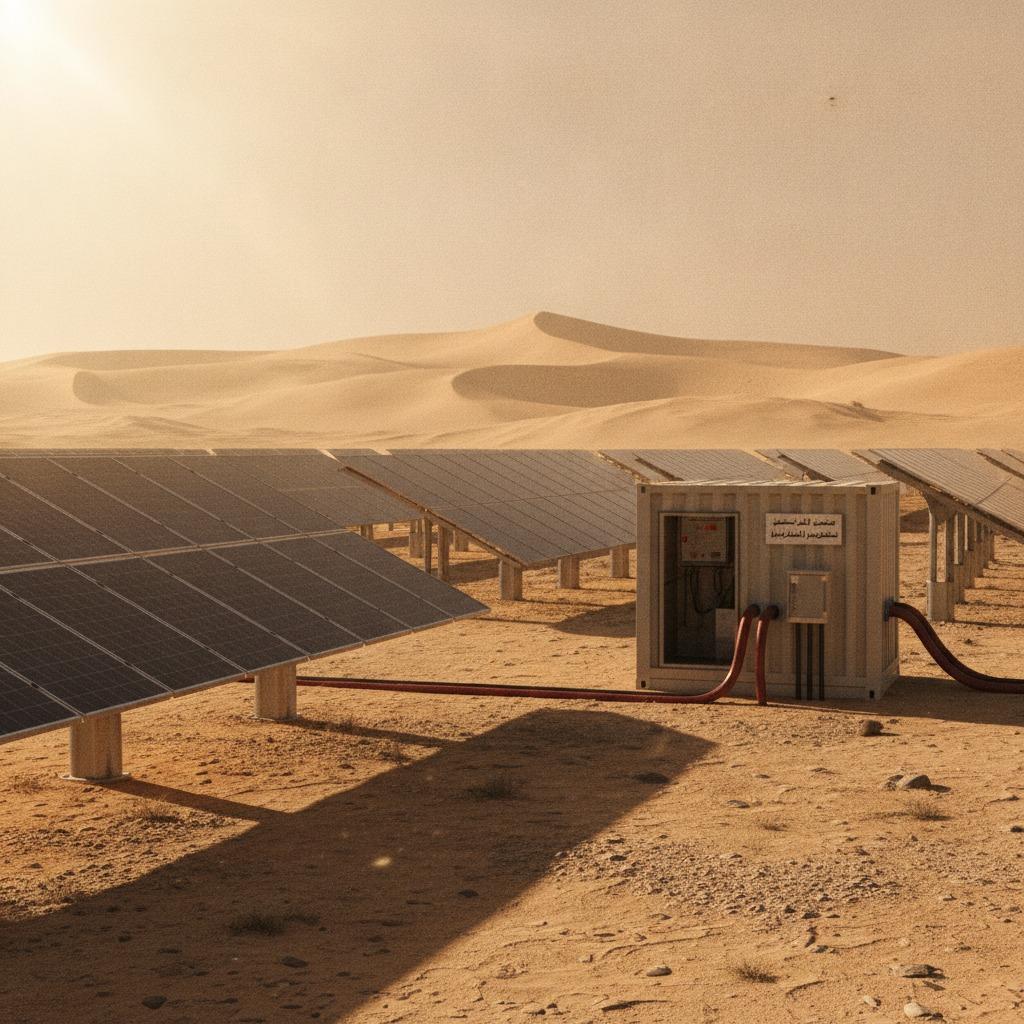
Containerized systems are often installed outdoors, which sounds obvious until the site exposes them to heat, dust, salt air, vibration, or seasonal flooding. Thermal performance becomes a serious issue in hot climates, and condensation control matters in humid regions. If the manufacturer has not described how the enclosure handles these conditions, assume additional engineering work will be needed on your side.
3. Safety architecture
Battery systems demand careful attention to thermal runaway risk, fault isolation, ventilation, and emergency response procedures. Buyers should not treat fire protection as a box-checking exercise. Ask how alarms are staged, how the system isolates faults, what happens during loss of cooling, and how maintenance crews gain safe access after an event. A containerized form factor can make emergency isolation easier, but only if the controls and layout are designed for it.
4. Grid and controls integration
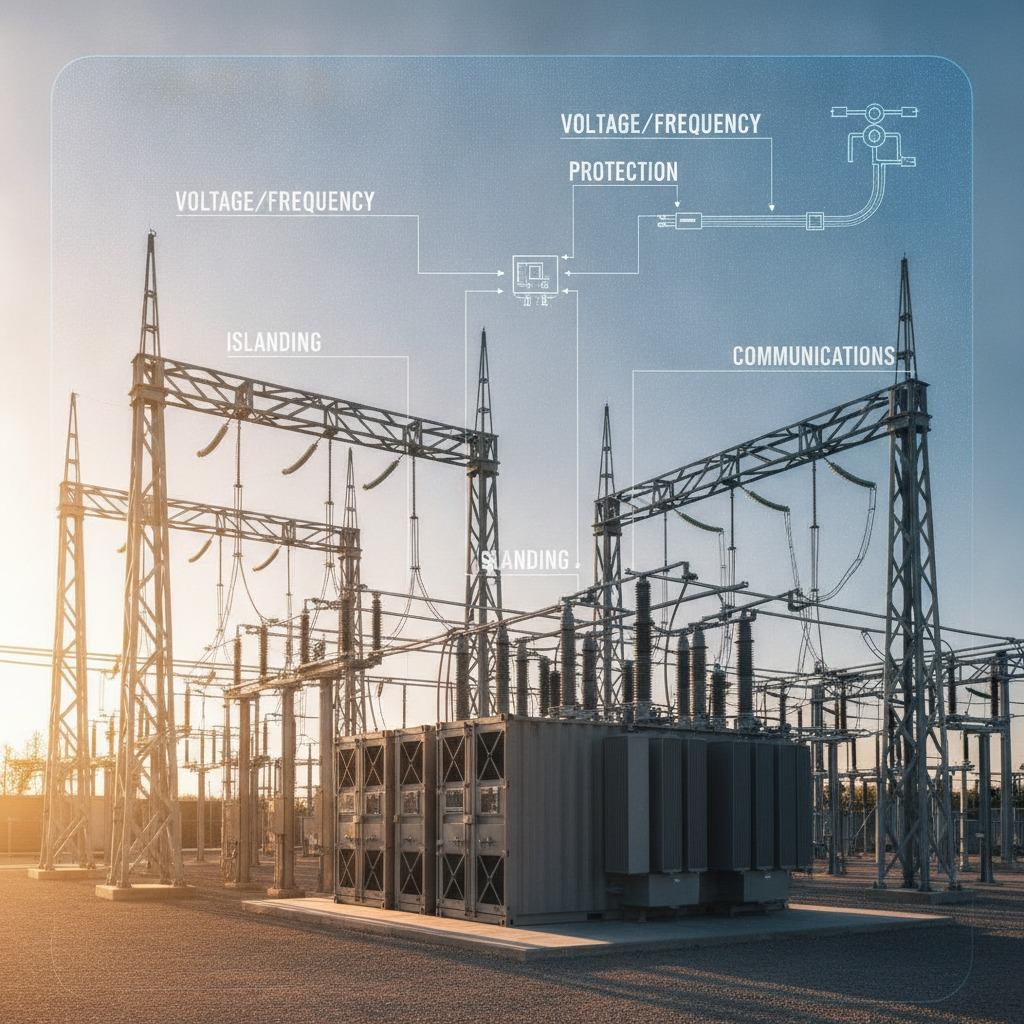
For grid-connected projects, interoperability can decide whether a deployment is smooth or frustrating. Communication protocols, inverter behavior, metering strategy, and dispatch logic must line up with the broader site control system. It is common for project delays to arise not from the battery itself, but from interface issues between the storage package, the site controller, and the utility or microgrid controller.
Advantages buyers usually care about
The strongest advantage of Containerized Energy Storage Systems is deployment speed. Much of the work is pre-engineered, which can reduce site complexity. Standardized container formats also simplify transport and planning in a way that custom buildings do not. That matters when a project has to move from procurement to operation on a compressed schedule.
Another advantage is scalability. Buyers can add more containers as demand grows, which fits phased project strategies better than a single large fixed room. This modularity is attractive for industrial plants, campuses, and renewable projects that expect load growth but do not want to overbuild on day one.
There is also a maintenance angle. A modular container can isolate problems more cleanly than a crowded plant room, and in some cases service teams can work on one unit while others remain online. That said, maintenance access depends on the interior design and spacing. Some compact layouts make routine service harder than expected, so it is wise to ask for access clearances rather than assuming them.
Common mistakes in buying and specification
One frequent mistake is comparing systems only on nominal capacity. The more meaningful comparison includes usable capacity, round-trip efficiency, thermal limits, and expected operational profile. Another common error is underestimating auxiliary loads. HVAC, controls, and standby systems consume power, and in smaller installations they can have a noticeable impact on net performance.
Buyers also sometimes focus on the battery chemistry and ignore the enclosure and balance-of-system hardware. That is risky. A good cell specification does not rescue a poor thermal design or weak serviceability. Likewise, a project that needs high uptime may struggle if replacement access, spare parts strategy, or remote monitoring tools are vague.
There is also a tendency to treat containerization as a universal fit. It is not. In some projects, particularly where indoor space is abundant and environmental control is already in place, a container may add unnecessary complexity. In others, especially remote or rapidly deployed sites, it is the simplest responsible choice. The right answer depends on the site, not the marketing language.
How to evaluate suppliers and system proposals
When reviewing proposals, look past the headline capacity and check whether the supplier can explain the full system architecture in plain terms. Ask for layout drawings, thermal management approach, electrical protections, monitoring functions, and maintenance procedures. If the supplier cannot describe what happens under abnormal conditions, that is a warning sign.
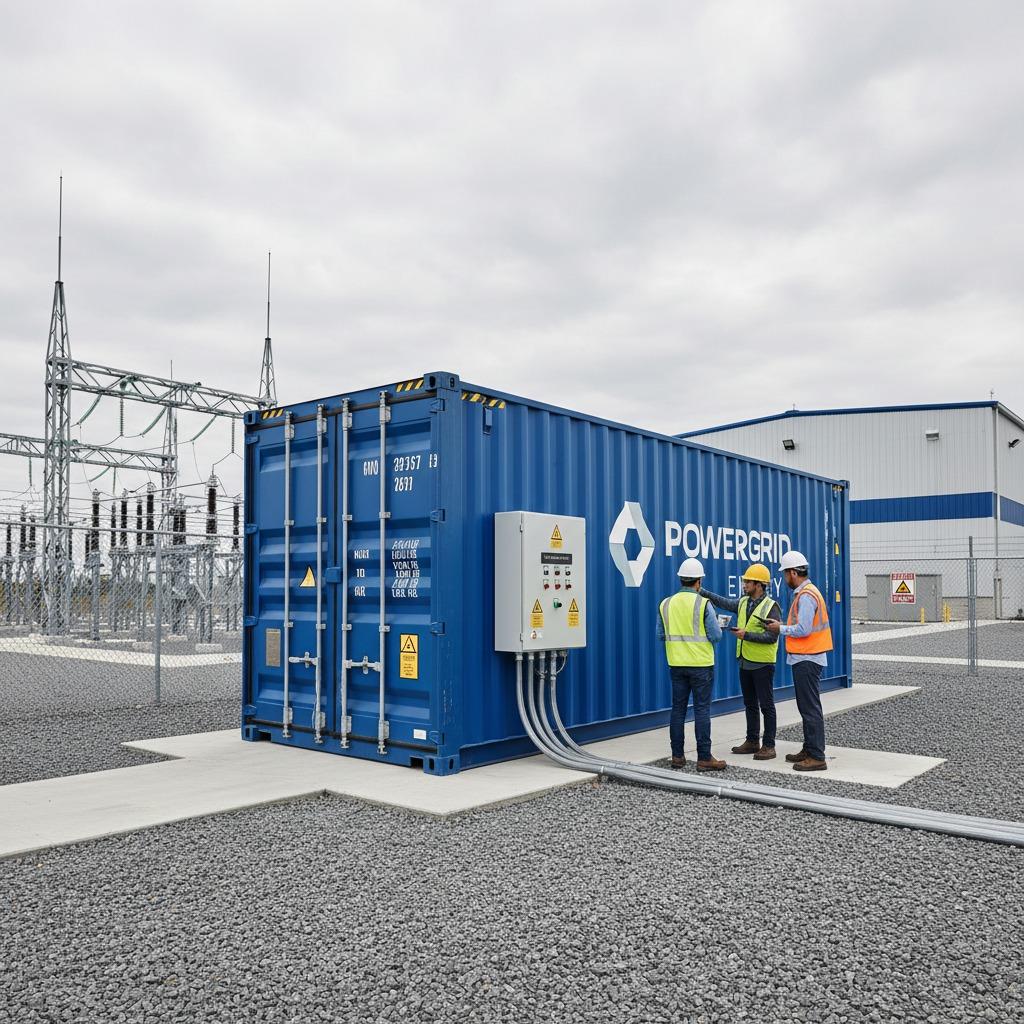
It also helps to ask how the system will be delivered and installed. Transport dimensions, lifting points, foundation requirements, cable entry strategy, and commissioning sequence all affect project risk. A well-designed containerized system should reduce field work, but it still needs a site that is prepared correctly. The best vendor answer is specific, not vague.
For teams building a long-term procurement strategy, spare parts availability and software support deserve attention. Energy storage is not a static asset. Firmware updates, monitoring compatibility, and replacement components can influence the usable life of the system just as much as the battery stack itself.
Buyer-facing questions worth asking early
How is the system cooled, and what ambient range is it designed for?
What protections are in place for electrical faults, overheating, and loss of communication?
How much usable capacity is available under the expected duty cycle?
What maintenance access is available inside the container?
How will the system integrate with existing controls, metering, and site alarms?
What site preparation is required before delivery?
These are not academic questions. They shape installation time, operational safety, and total cost of ownership.
When containerized energy storage makes the most sense
Containerized Energy Storage Systems tend to make the most sense when speed, modularity, and outdoor deployment are central project requirements. They are a strong fit for remote industrial users, renewables integration, utility-side capacity support, and facilities that want to add storage without constructing a dedicated building. They are less attractive when the project demands highly customized indoor integration, unusual architectural constraints, or deeply specialized environmental conditioning that would offset the modular advantage.
For decision-makers, the main task is to separate the promise of the container format from the realities of the application. The shell is convenient. The real value comes from how well the complete system is engineered for the site.
Practical next step
If you are drafting a spec or comparing bids, start with the operating profile, then work outward to safety, thermal design, controls, and service access. That order prevents the most common procurement mistakes. A containerized system should make the project simpler, not merely look simpler on the quotation sheet. Ask for the drawings, the operating assumptions, and the maintenance plan before you commit.