
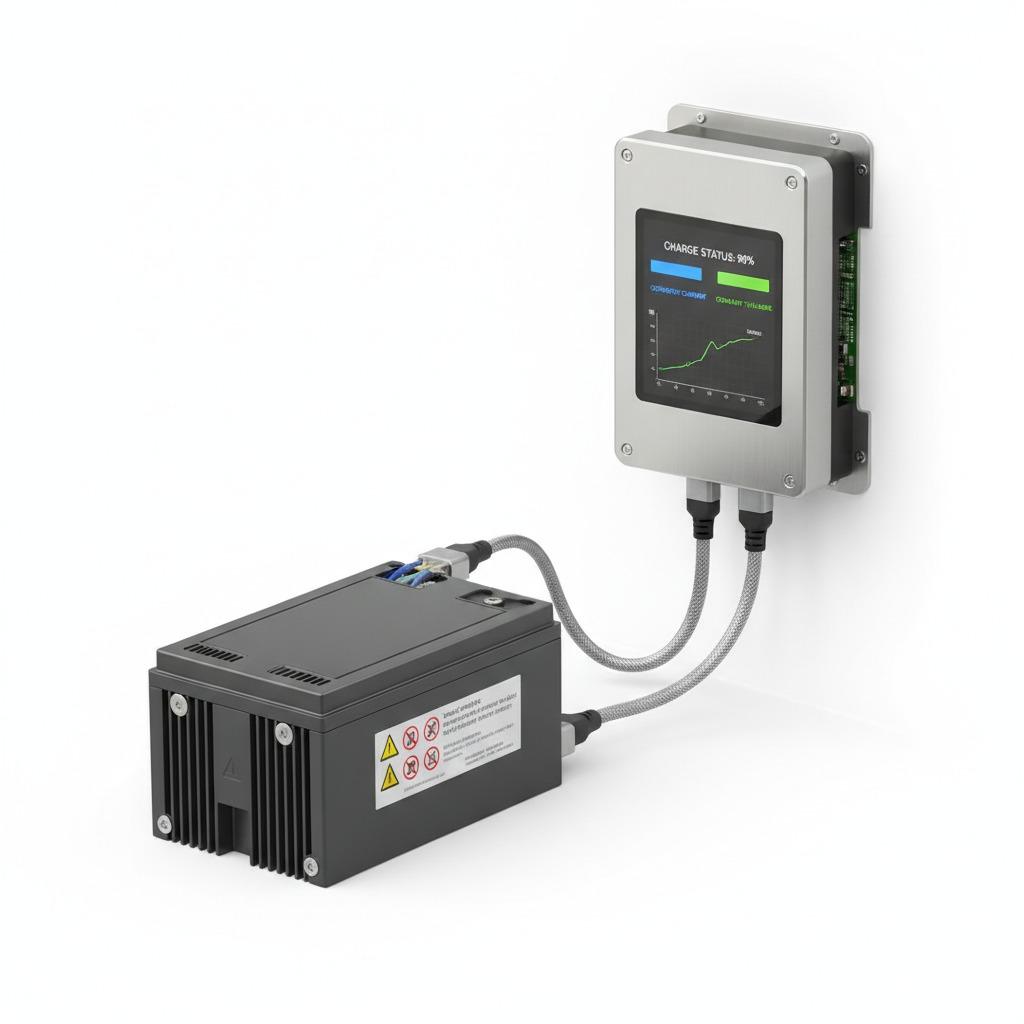
Why battery charge strategies matter in production and product design
Battery charge strategies sound like a narrow technical detail until they start shaping real business decisions. For engineering teams, the charging profile affects pack life, heat management, safety margins, usable runtime, and the customer’s day-to-day experience. For sourcing managers, it also affects how much control is needed in the charger, what batteries are acceptable, and how much engineering support a supplier will need after launch. The wrong choice can make a product feel unreliable even when the cell chemistry itself is sound.
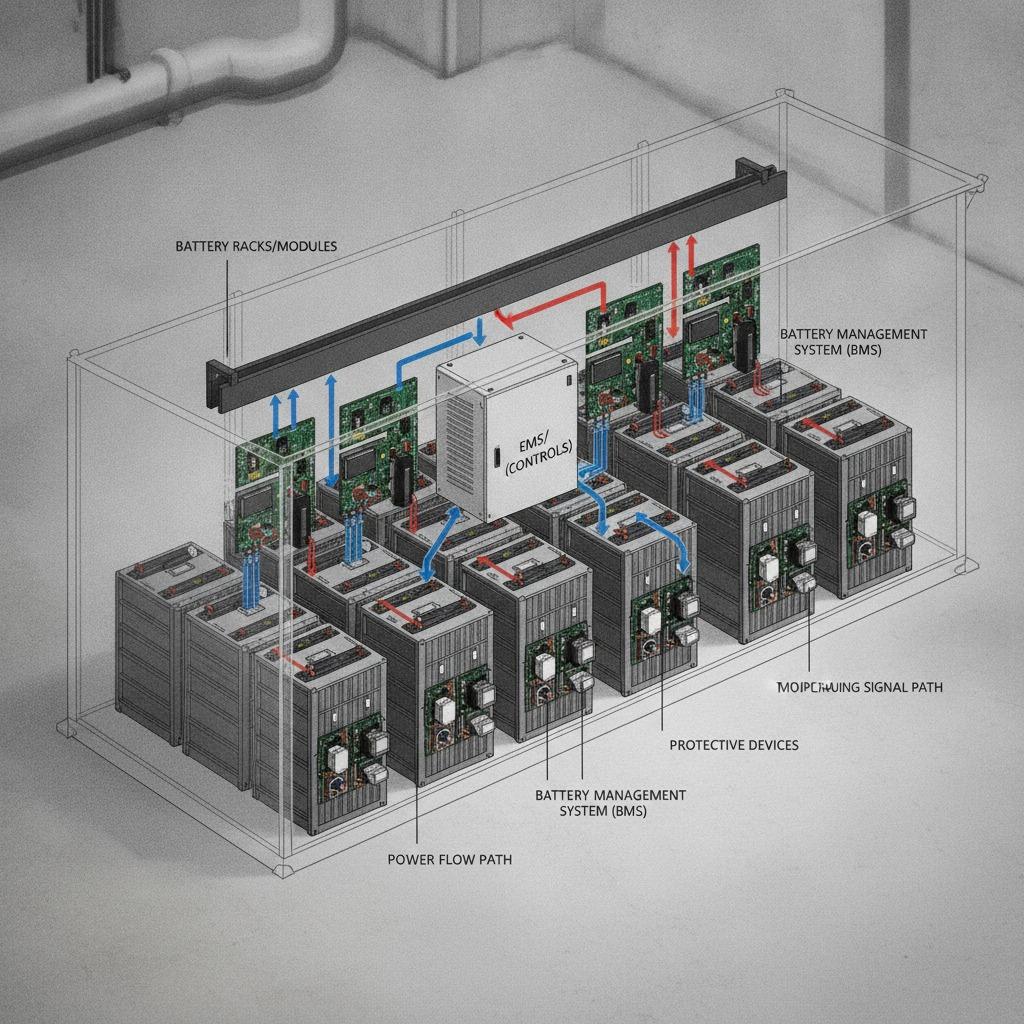
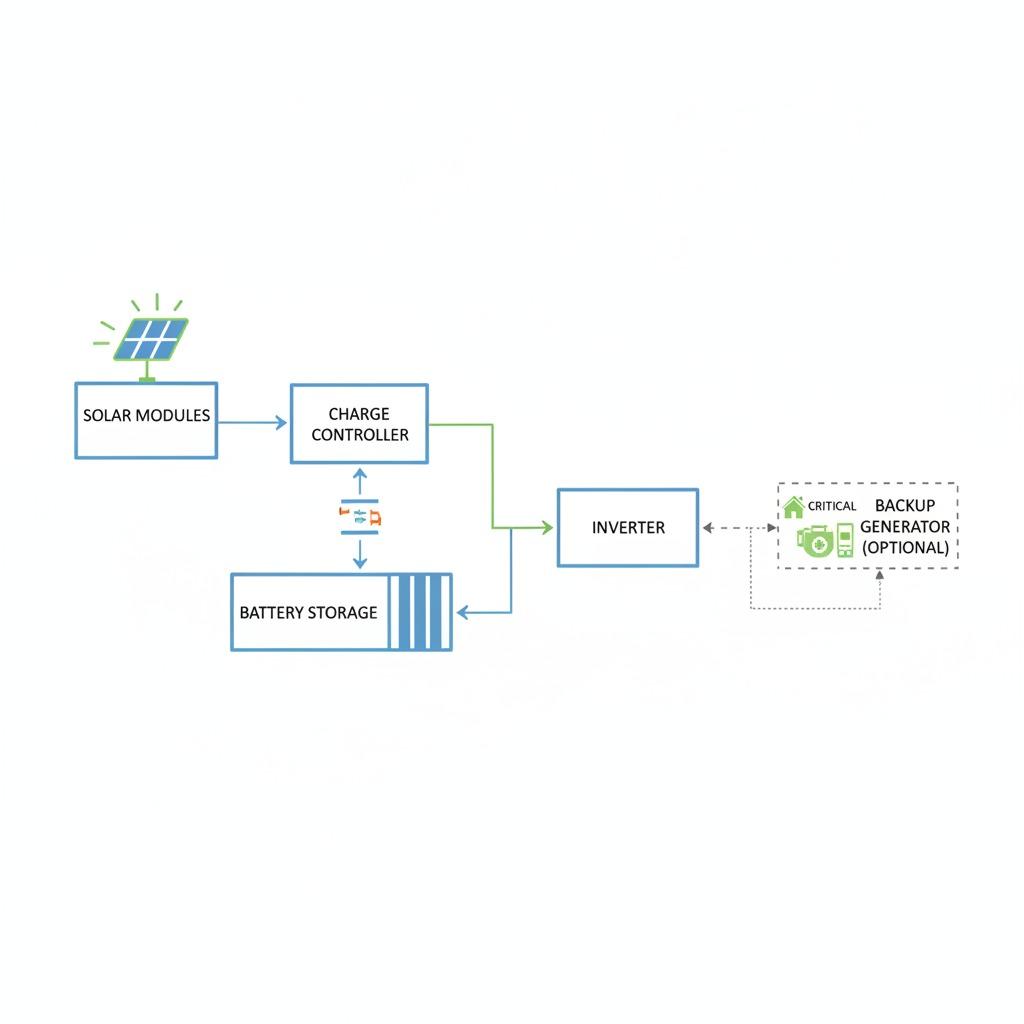
That is why charging is rarely just a power-supply issue. It is a system decision. The battery, the charger electronics, the thermal path, the protection circuit, and the end-use pattern all interact. A pack used in a warehouse scanner does not face the same demands as one used in a portable medical device or an outdoor sensor. The task for the buyer is not to find a universal “best” charge profile, but to identify the profile that fits the chemistry, duty cycle, and acceptable tradeoffs.
Quick reference: what the main charging methods are doing
In most industrial and consumer battery systems, the discussion comes down to a few established phases. The two most familiar are constant current charging and constant voltage charging, and many practical chargers use both in sequence.
Constant current charging pushes a controlled current into the battery until the cell voltage reaches a defined limit. It is a useful way to move energy quickly at the beginning of the charge, when the battery can accept more current without excessive stress.
Constant voltage charging then holds the voltage at a fixed ceiling while the current naturally tapers. This stage helps bring the battery to full charge without overdriving the cells as they approach capacity.
For many lithium-ion designs, that CC-CV combination is the standard pattern. Other chemistries may use different approaches, and some systems add pre-charge, trickle charge, or balancing steps. The important point is that charge strategy is not abstract theory; it is the operating logic that determines how the battery behaves under real use.
The practical tradeoff: speed, heat, and battery life
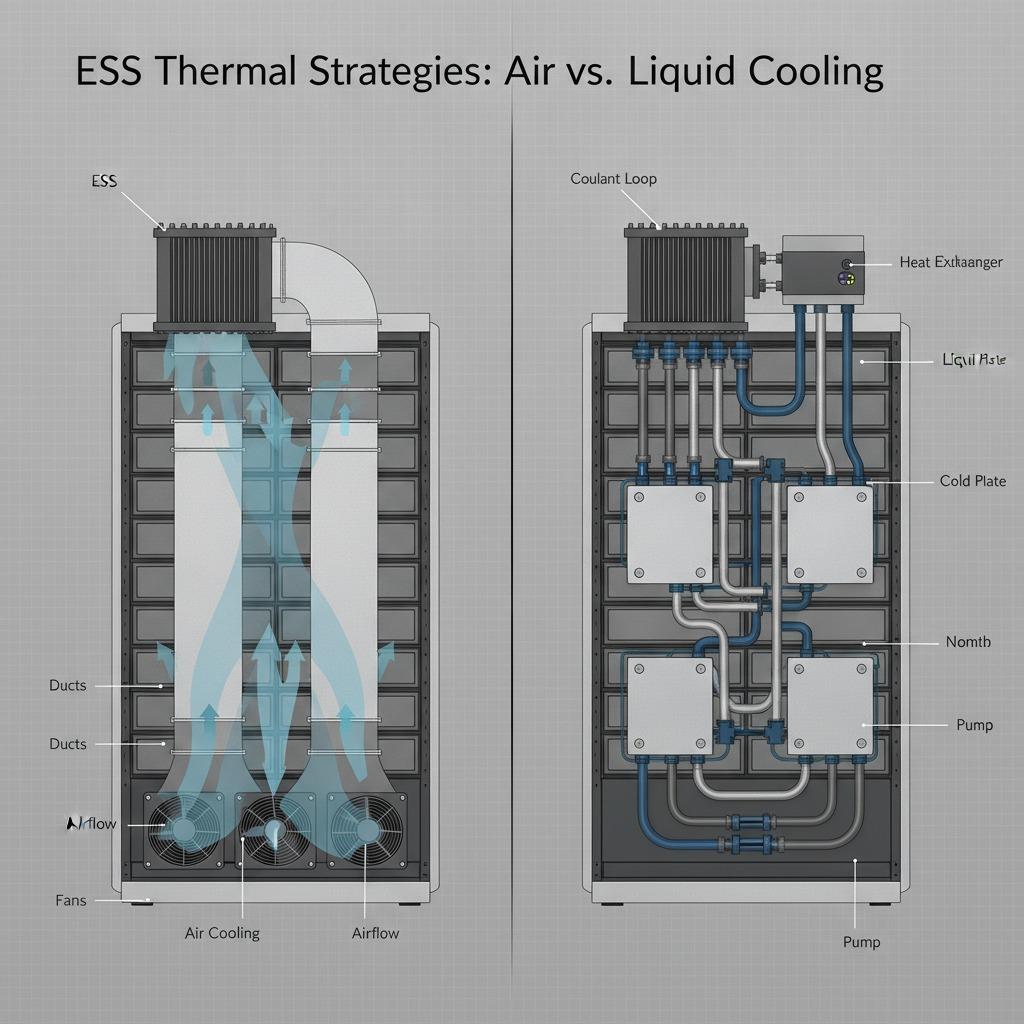
The tension in battery charge strategies is simple to describe and hard to solve neatly. Faster charging is attractive because it reduces downtime. But higher charge rates tend to increase heat, and heat is one of the main enemies of long battery life. That does not mean fast charging is inherently bad. It means the product team has to understand what the battery can tolerate, what the enclosure can dissipate, and what the user will accept.
A conservative charge profile can extend service life, but it may frustrate users if charge times are too long. A more aggressive profile can improve convenience, but it may require better thermal monitoring, tighter charger control, and more careful cell selection. The best answer often depends on whether the product is meant for intermittent professional use, round-the-clock field deployment, or consumer convenience.
There is also a less obvious issue: repeated partial charging. Many field devices are not taken from empty to full in a neat cycle. They are topped up between shifts, docked opportunistically, or charged overnight. The chosen strategy should work well under that pattern, not only in a lab-style cycle.
Where constant current charging fits
Constant current charging is valuable when the battery is below its upper voltage range and can accept energy efficiently. In that early stage, the charger controls current and lets voltage rise. This keeps the process predictable and can shorten the overall charge window compared with a gentler taper from the start.
The main engineering benefit is control. Current is easier to manage than a free-running charging source, and it gives designers a straightforward way to limit thermal load at the battery interface. That said, constant current charging alone is not normally enough for a full charge on lithium-ion systems. Without a transition to voltage control, the battery would keep climbing toward unsafe conditions.
Buyers should be cautious with any supplier discussion that treats current-only charging as a universal solution. It may be acceptable in certain controlled systems or specific chemistries, but as a blanket recommendation it usually leaves too much risk on the table.
Where constant voltage charging fits
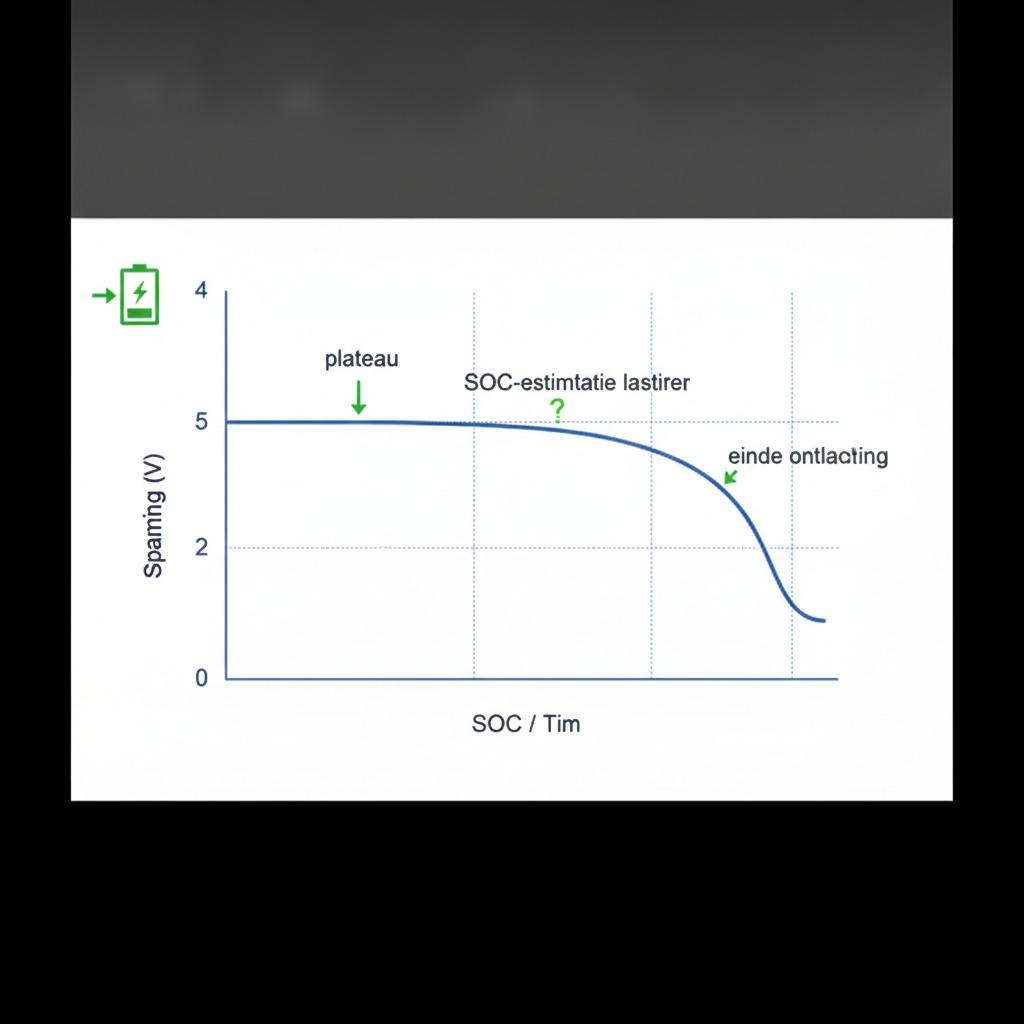
Constant voltage charging is the finishing stage in many battery systems because it allows the charge current to taper as the battery approaches full capacity. That taper is useful. Near the top of charge, small changes in state can create disproportionate stress if the charger continues to push hard.
From a product perspective, constant voltage charging helps the system avoid overshoot. It also aligns with the way many protected battery packs and charger ICs are designed to behave. The downside is that the last portion of the charge can take longer than buyers expect. In practical terms, the battery may seem “almost full” for a while before it reaches a true full condition.
That is not a defect. It is part of the chemistry and the control method. Good product documentation should make that clear, especially in devices where users watch battery indicators closely.
How to choose the right charging approach
The selection process starts with chemistry. Lithium-ion, lithium polymer, nickel-based batteries, and sealed lead-acid packs do not all want the same charging behavior. Then comes the application profile: standby device, handheld tool, mobility system, backup power unit, or industrial instrument. After that, the team should look at the constraints that matter most: charge time, enclosure temperature, charger size, cost, and user expectations.
A useful way to frame the decision is to ask three questions.
First, how often will the battery be charged? A battery that cycles every shift needs a different balance than one that sits in reserve for weeks.
Second, how much thermal headroom does the product actually have? A compact sealed enclosure leaves less margin for aggressive charging than an open or fan-cooled design.
Third, what does the user value more: fastest possible readiness or longest possible pack life? Many teams say they want both, but the product usually has to lean one way.
Common mistakes buyers and product teams make
One common mistake is assuming every charger can be treated as interchangeable if the connector fits. In reality, the charging profile can be as important as the physical interface. A pack may appear compatible and still age poorly if the control method is mismatched.
Another mistake is ignoring the thermal side of the equation. A battery that charges acceptably on the bench may behave differently inside a finished enclosure, especially if there is little airflow or the pack sits near warm electronics. This is where conservative engineering pays off.
A third mistake is choosing for charge speed alone. Faster is not always better, especially when the battery is part of a field device that must remain reliable over many cycles. If a slightly slower profile adds meaningful service life, that can be the more economical choice over time.
There is also a sourcing-side issue: teams sometimes under-specify the charging behavior they need from a supplier. They define voltage and capacity but leave the charge algorithm vague. That usually pushes complexity downstream, where it becomes harder and more expensive to fix.
What to ask suppliers or battery partners
When evaluating a battery or charger supplier, the most useful questions are usually straightforward.
Ask what charging method the battery chemistry is intended for and whether the charger is designed around that method.
Ask how the system handles the transition from constant current charging to constant voltage charging, if both are used.
Ask what thermal protections or monitoring features are part of the design.
Ask how the proposed strategy behaves under partial-charge use, since that is common in real operations.
Ask whether the supplier can explain the charging logic in terms your own engineering team can validate, not just in marketing language.
Those questions do not require exotic test data. They simply force the discussion onto the practical details that determine field performance.
FAQ: fast answers on battery charge strategy
Is faster charging always worse for battery life?
Not always, but it usually increases stress. The real answer depends on chemistry, temperature control, and how often the battery is cycled.
Is constant current charging enough on its own?
Usually not for full charging in lithium-based systems. It is often paired with voltage control so the battery can finish charging safely.
Why does charging slow down near the end?
Because the battery needs less current as it approaches full charge. That taper is normal and helps prevent overcharging stress.
Should every product use the same charging strategy?
No. The right choice depends on the battery chemistry, enclosure design, user workflow, and acceptable charge time.
What matters before launch
The right battery charge strategies are the ones that fit the product’s real duty cycle, not just the spec sheet. In practice, that means balancing speed, temperature, and lifetime rather than optimizing one at the expense of the others. For engineering teams, the main job is to make the charging profile match the chemistry and the enclosure. For sourcing teams, the main job is to ask enough questions that the charger and battery are clearly aligned before volume commitments are made.
A careful selection here does not draw much attention when it works, which is usually the point. The product charges predictably, stays within its thermal limits, and holds up in the field without generating avoidable support calls.
If the charging approach is still undecided, the next step is to map the battery chemistry, expected charge frequency, and thermal constraints together before comparing suppliers or locking the charger design.