
What a battery energy storage system company actually has to deliver
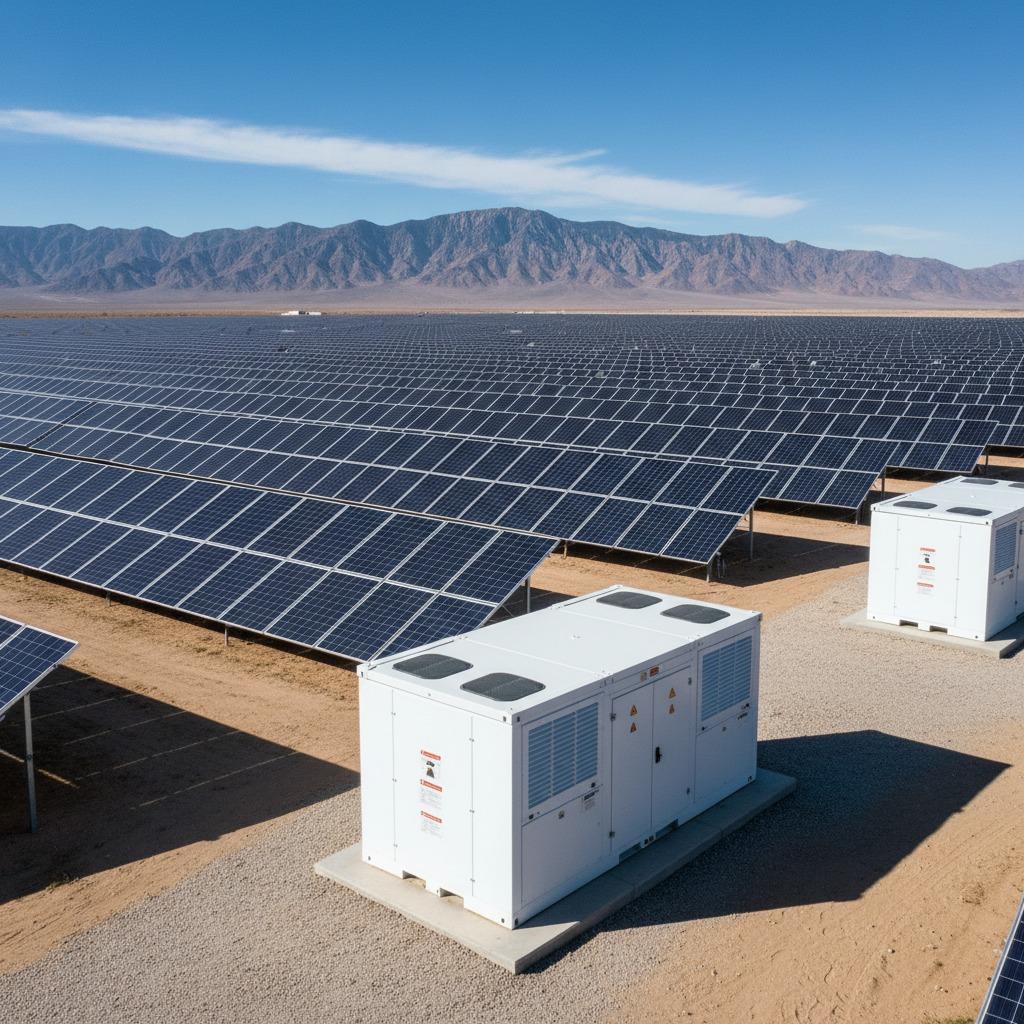
A battery energy storage system company is not just selling boxes full of batteries. In a utility or industrial project, it is supplying a complete energy asset: enclosure, electrical integration, controls, thermal management, safety functions, and the practical know-how to make the system behave predictably on site. That matters because a BESS can be a financial tool, a grid asset, and a construction package all at once. If any one of those pieces is weak, the project underperforms.
For buyers, the real question is not whether storage is useful. It is whether the BESS company can match the system architecture to the job: solar smoothing, peak shaving, load shifting, backup support, or grid services. A battery storage system supplier that understands those use cases will usually ask better questions before quoting anything. That is a good sign.
Why containerized BESS has become the default for many projects
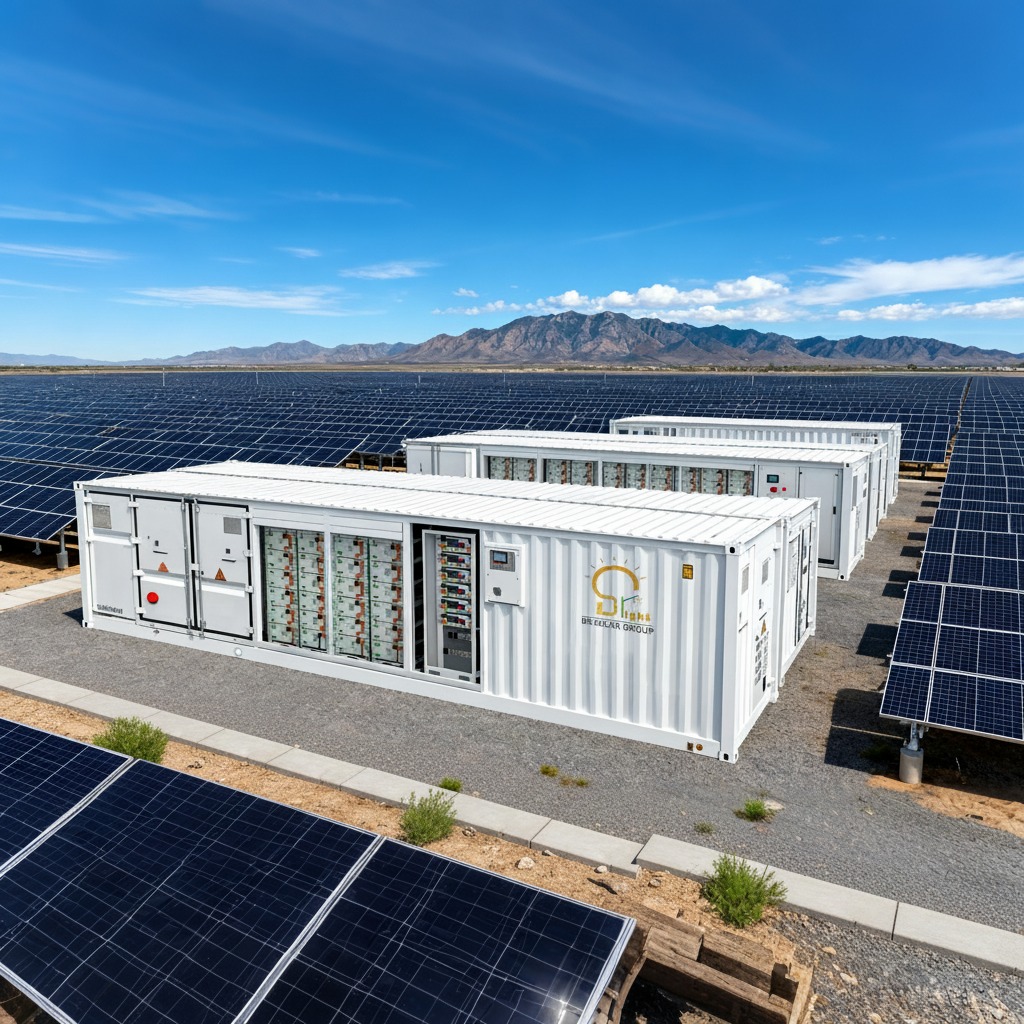
The visible product format in this case is the familiar utility-scale containerized BESS: shipping-container-style enclosures with corrugated metal walls, painted exterior finish, access doors, and electrical compartments. That format has become common for a reason. It lets project teams standardize delivery, speed up installation, and scale in modular increments instead of designing every site from scratch.
For solar-plus-storage projects, modularity is especially valuable. A row of identical containers can be deployed beside a solar array and tied into the same site infrastructure. That makes it easier to add capacity, stage commissioning, and expand later if the project economics change. It also simplifies transportation and civil planning, although buyers should not assume that “containerized” automatically means easy. Foundations, cable routing, transformer interfaces, protection schemes, and site clearance still need real engineering attention.
The practical appeal is straightforward: prefabrication reduces field work. But prefabrication only helps if the internal assembly is well thought through. A rugged metal shell is not the same thing as a reliable energy asset.
What is inside a utility-scale BESS enclosure
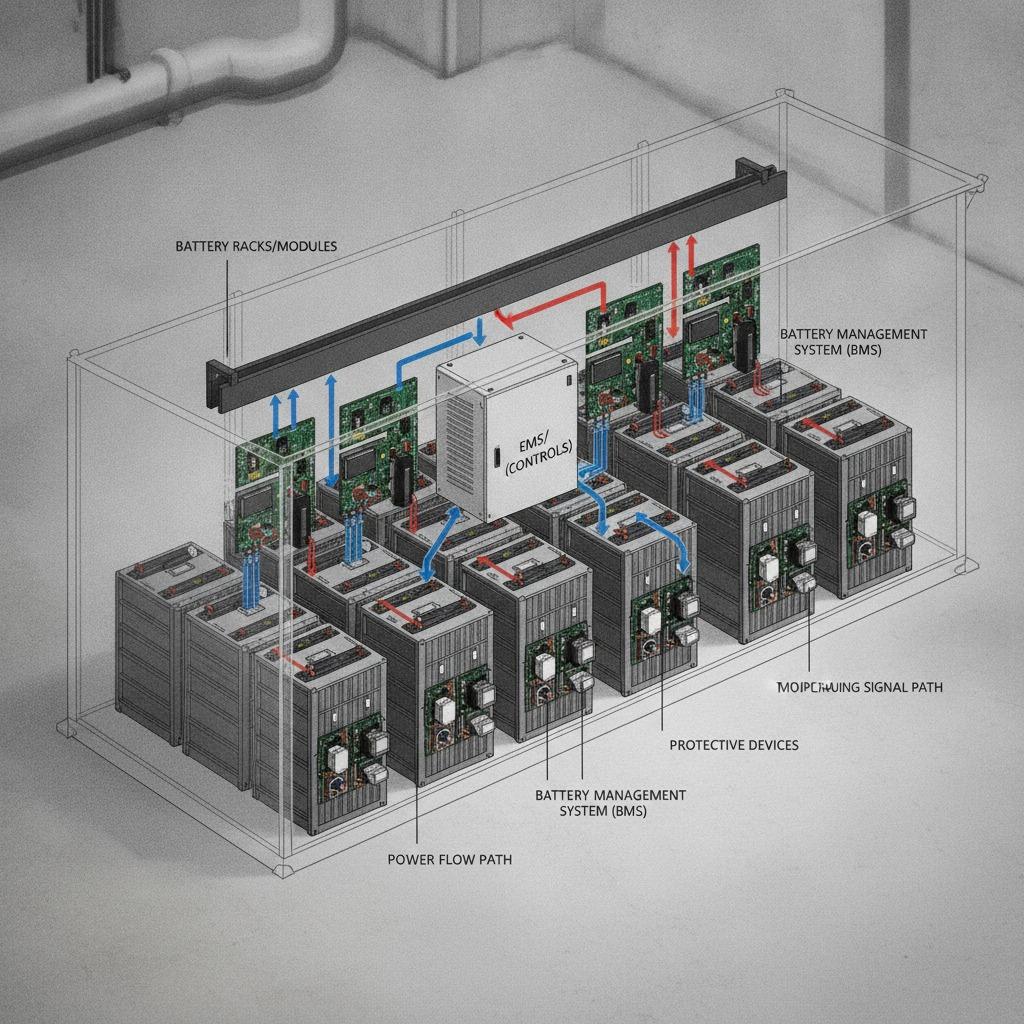
From the outside, a BESS container looks simple. Inside, it is usually a dense integration of battery racks, power conversion equipment, control hardware, sensors, protection devices, and thermal management components. The exact battery chemistry is not visible here, and it would be reckless to guess. Still, the manufacturing category is clear enough: a prefabricated containerized electrical energy storage assembly.
That distinction matters to procurement teams. When a buyer compares one BESS company with another, the enclosure is only part of the story. The real value sits in how the internal modules are arranged, how heat is handled, how faults are isolated, and how the system communicates with the rest of the plant. These details affect uptime, maintainability, and safety response.
A practical buyer should ask:
Integration questions that deserve direct answers
How are battery modules arranged and isolated?
What is the power electronics architecture and how does it interact with the site inverter or grid interface?
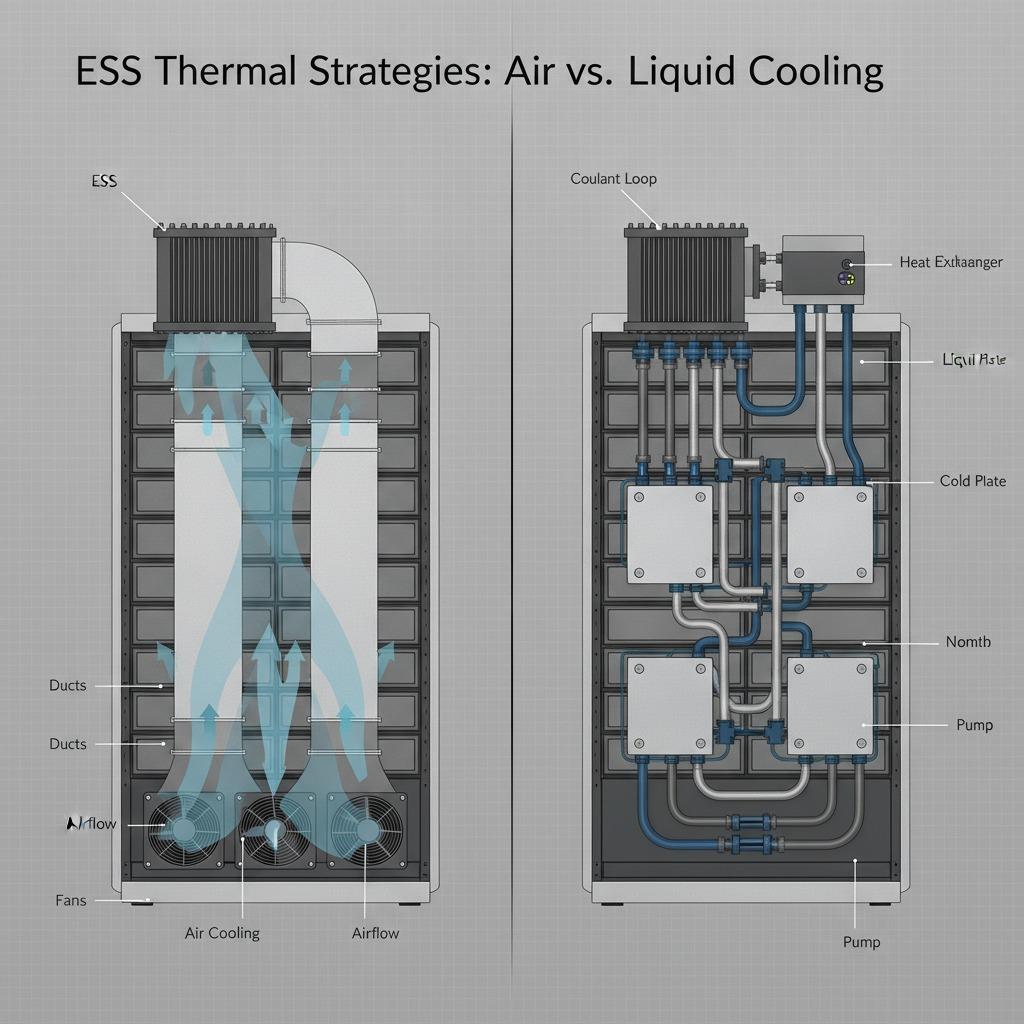
How is temperature managed under high ambient conditions?
What access is provided for inspection, replacement, and fault isolation?
How does the system behave during overload, communication loss, or a thermal event?
These may sound like engineering questions, but they are also commercial questions. A battery storage system supplier that cannot answer them clearly may be handing you future downtime.
How BESS supports solar and grid operations
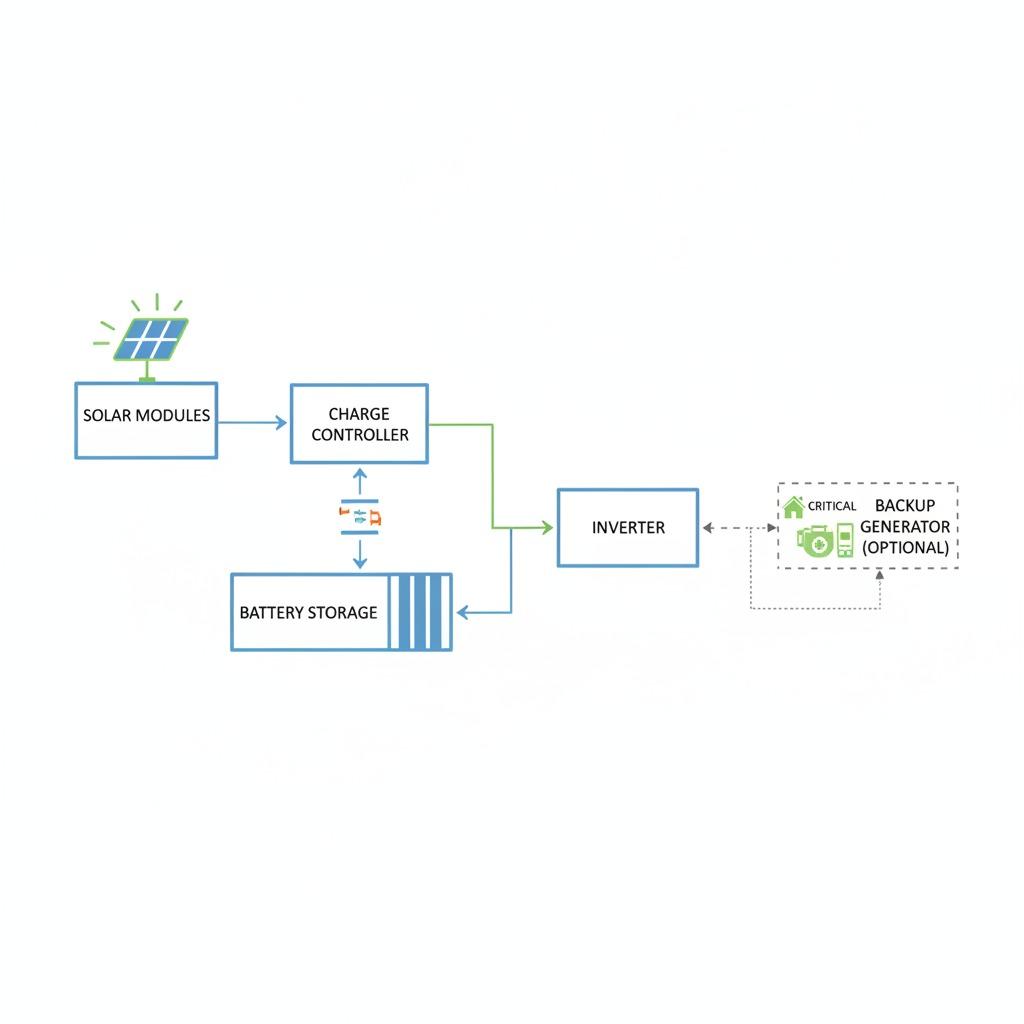
The image context points to a solar power site, which is the most common and sensible place to see this kind of system. Solar generation is intermittent by nature. Storage helps flatten that profile so output can be shifted to later hours, held for peak demand periods, or dispatched more smoothly to the grid.
That makes a BESS company part of a broader energy strategy, not a standalone equipment vendor. In practice, the system may be used for several functions at once:
Load shifting: storing midday solar energy and releasing it when demand rises.
Peak shaving: reducing short spikes in site demand or grid import.
Smoothing: reducing output fluctuation from solar generation.
Backup support: keeping essential loads energized during an outage or disturbance.
Grid support: helping maintain stability, depending on system design and local grid requirements.
Not every project needs all of these functions. In fact, trying to make one storage system do everything is a common mistake. The project should start with the operating profile, not with a generic spec sheet.
What to look for when comparing suppliers
Buyers often compare battery storage system supplier options on nameplate capacity, but that is only one part of the decision. A better comparison looks at the system as delivered and supported over time.
1. System architecture
Is the design modular? Can it be expanded without redesigning the site? Do the container units share a common layout that simplifies spares and maintenance? The visible multiple-unit arrangement in a solar field suggests a scalable architecture, which is usually what project teams want.
2. Safety and access philosophy
Battery systems demand serious attention to safety, but the right approach is not just about adding protective devices. It also includes physical separation, service access, clear labeling, fault containment, and procedures that field crews can actually follow.
3. Electrical coordination
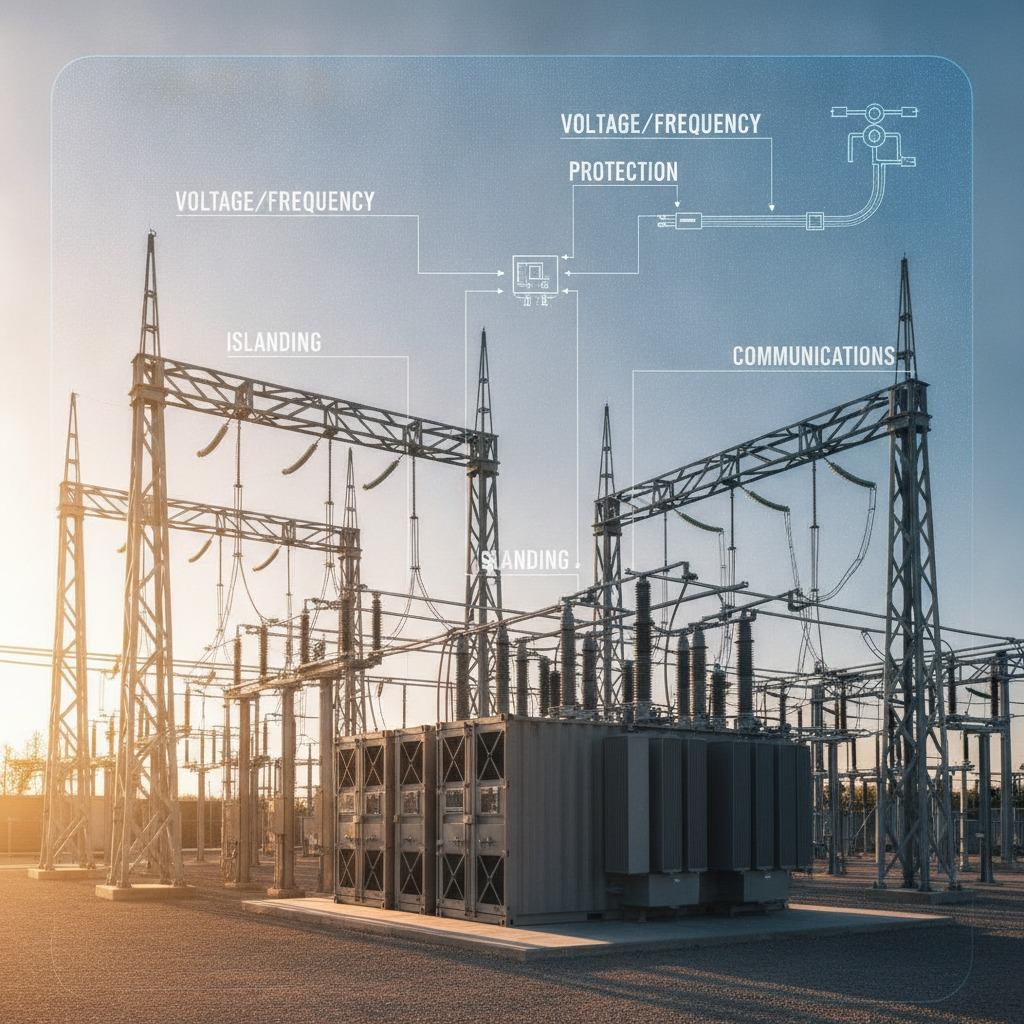
A well-integrated BESS should work cleanly with transformers, switchgear, inverters, and plant controls. Poor coordination here creates nuisance trips or, worse, repeated downtime that is hard to diagnose.
4. Environmental robustness
Outdoor containerized systems must tolerate weather, dust, thermal cycling, and site-specific conditions. The white painted metal exterior and corrugated enclosure style suggest an outdoor-ready industrial package, but buyers should still confirm the actual environmental envelope for the project location.
5. Serviceability
This is often underestimated. If a system is hard to inspect, hard to isolate, or hard to repair, the ownership cost rises quickly. A BESS company should be able to explain maintenance access, replacement logic, and fault response without hiding behind marketing language.
Common mistakes in BESS procurement
The biggest mistake is buying storage as if it were commodity hardware. It is not. Even when the containers look standardized, the performance depends on engineering choices that are not visible from the outside.
Another frequent error is ignoring the site operating profile. A system designed for daily solar shifting is not automatically ideal for emergency backup or high-cycling grid services. Different use cases stress the asset in different ways. A buyer needs a supplier that understands that distinction.
A third mistake is focusing too heavily on initial price and too little on integration and support. A lower-cost package can become expensive if commissioning drags, interfaces are poorly documented, or maintenance support is weak. That is especially true for utility-scale installations where downtime has real revenue consequences.
How the containerized form affects manufacturing and project delivery
From a manufacturing perspective, the containerized BESS approach is attractive because it shifts much of the work into a controlled factory environment. Prefabrication makes it easier to standardize wiring, check assemblies, and stage testing before shipment. That can reduce site labor and compress the installation schedule.
It also helps with logistics. Standard geometry simplifies transport planning and site layout. Multiple identical units can be placed in a repeatable arrangement, which is one reason they are so common in solar developments.
But standardized form does not eliminate engineering variation. Different projects may need different control strategies, different electrical interfaces, or different thermal requirements. Buyers should be cautious of any BESS company that treats every project as the same box with a different label.
Questions engineers and sourcing managers should ask early
A practical procurement process usually starts with a few direct questions:
What exact application is the storage system meant to support?
How will the system interact with the solar plant and the grid connection?
What parts of the system are factory-assembled, and what must be completed on site?
What maintenance tasks will require access during normal operation?
What documentation is available for commissioning and operations teams?
These are not bureaucratic questions. They are the difference between a system that works in the field and one that becomes a permanent troubleshooting project.
FAQ for project teams evaluating a BESS company
Is containerized storage only for utility-scale projects?
No. The same basic design approach can be adapted for commercial, industrial, and utility applications, although the size, control strategy, and site requirements will differ.
Does a larger enclosure always mean better value?
Not necessarily. What matters is how much usable function the system delivers for the intended operating profile. Bigger is only better if it matches the project economics and electrical design.
Can one BESS support both solar smoothing and backup power?
Sometimes, yes, but that depends on the system design and operating priorities. Mixed-use cases need careful control logic and clear rules for dispatch.
What a good next step looks like
If you are evaluating a battery energy storage system company, start by defining the use case in operational terms, not just in capacity terms. State what the system must do, when it must do it, and what constraints the site imposes. Then compare suppliers on architecture, integration, serviceability, and project support.
The visible containerized BESS format is a strong sign of scalable deployment, especially in solar-plus-storage environments. But the real decision is deeper than the enclosure. The right partner should be able to explain the system as a working asset, not just a product.
For engineering teams and sourcing managers, that is the dividing line worth paying attention to.