

Battery energy storage system components: what buyers should look for before they compare quotes
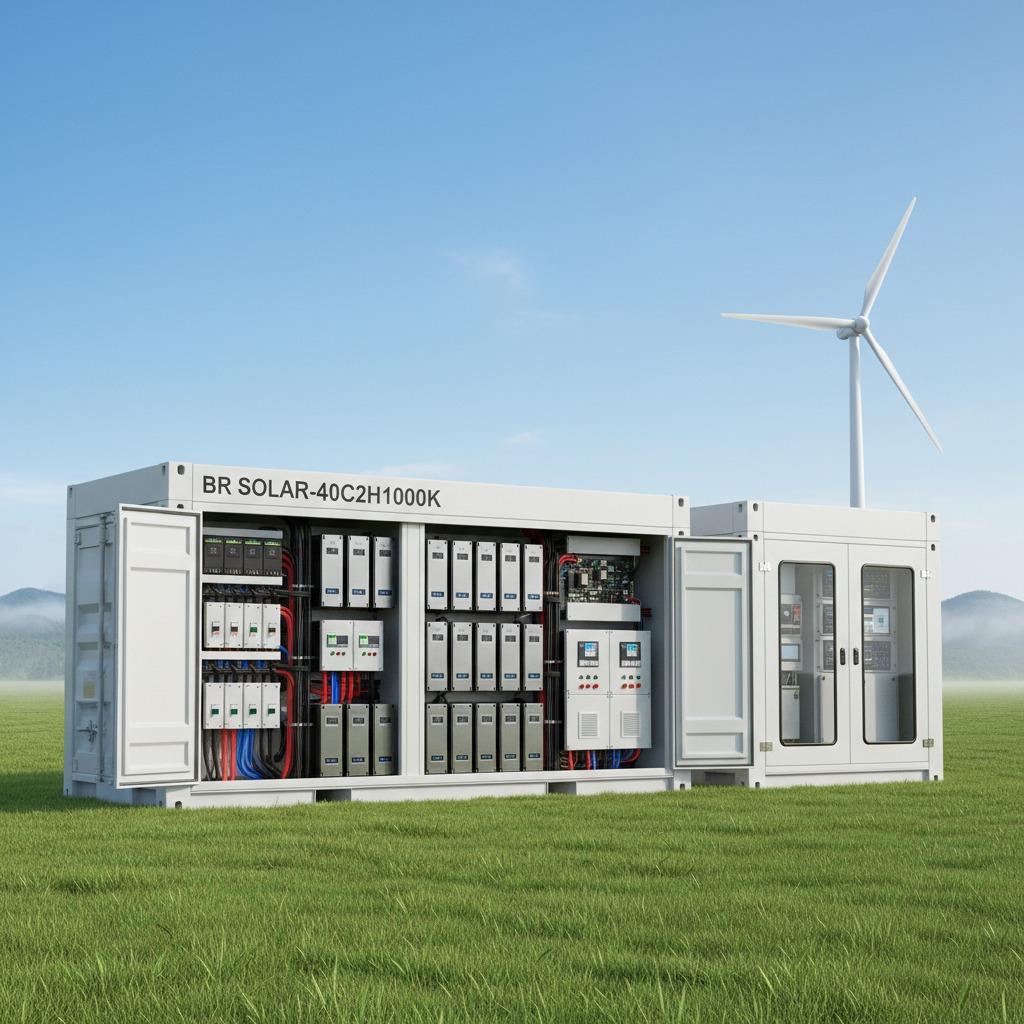
If you are sourcing battery energy storage system components, the first mistake is to treat the enclosure as the product and the internals as a black box. In practice, BESS components determine whether the system can actually support solar buffering, peak shaving, backup power, or microgrid operation without becoming a maintenance headache. The outside may look like a tidy containerized cabinet, but the buying decision lives in the battery modules, conversion equipment, control layer, thermal design, protection devices, and how well those parts are integrated.
That matters because energy storage is not a single-purpose asset. A system intended for renewable smoothing is judged differently from one used for load shifting at a manufacturing site or emergency support at a commercial facility. The wrong architecture can lead to inefficiency, poor serviceability, or a system that looks ready to ship but is awkward to commission in the field. Buyers need a practical way to read the spec sheet, walk the vendor through the architecture, and separate a serious engineered system from a simple metal box with cells inside.
What a containerized BESS typically contains
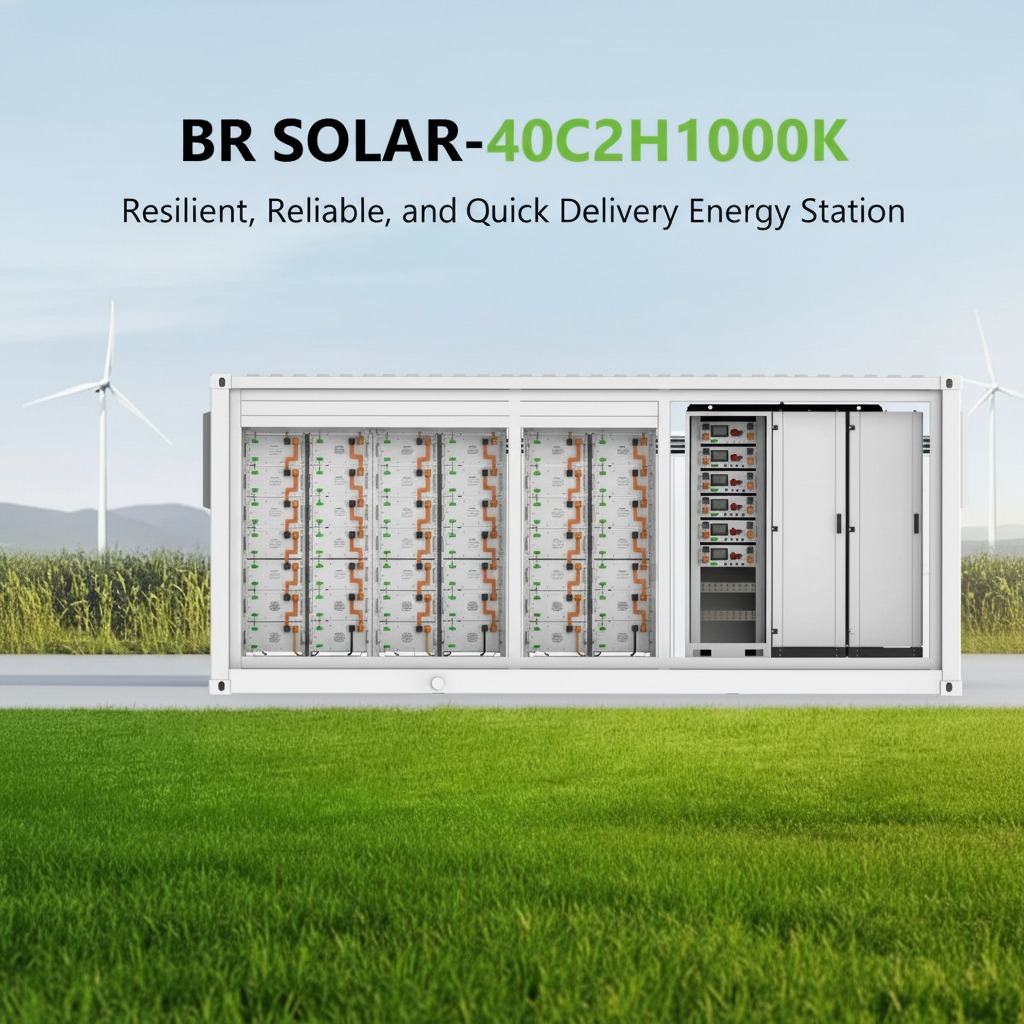
A containerized battery energy storage system, such as the BR SOLAR-40C2H1000K energy storage cabinet shown in the preparation data, usually combines the energy side and the power electronics side in one enclosed package. The visible layout suggests a front service opening with multiple vertical battery module stacks on one side and a separate equipment or control bay on the other. That is a familiar arrangement in industrial storage because it helps isolate high-energy battery assemblies from electronics and control hardware while keeping installation compact.
A typical system built around this concept includes several core layers:
- Battery modules or racks that store the electrical energy
- Battery management electronics to monitor module performance and safety conditions
- Power conversion equipment that interfaces with AC systems or renewable inputs
- Control and communications hardware for dispatch, monitoring, and protection
- Thermal management equipment to help keep operating conditions stable
- Mechanical enclosure parts, doors, framing, cable routing, and service access features
That sounds straightforward, but the real value is in how these layers are arranged. In a well-integrated system, the battery modules are easy to inspect, the electronics are separated enough for service, and the enclosure is designed for outdoor or industrial deployment rather than improvised protection. The product image shows a shipping-container-style format, which usually points to easier transport and faster site deployment than a fully custom field-built installation.
Quick reference: the main BESS components and why they matter
For procurement teams, a short checklist is often more useful than a glossy brochure.
1. Battery modules
These are the energy reservoir. Buyers should ask how the modules are arranged, how they are connected, and how replacement is handled. The image shows repeated vertical stacks with orange interconnect or handle-like elements and small green indicators. That visual suggests a modular layout, which is usually preferred because it supports maintenance and staged service.
2. Battery management system
The BMS is not optional. It monitors cell or module conditions and helps the system stay within safe operating limits. If a supplier cannot explain the BMS role in plain language, that is a warning sign. Even if a cabinet looks robust, unverified battery control logic can undermine the whole installation.
3. Power conversion system
The PCS is what allows the battery side to speak to the grid, a solar array, or a building load. In other words, it is the piece that turns storage into usable electrical service. Buyers often focus on capacity and miss conversion performance, which can be a costly oversight.
4. Thermal and enclosure design
Painted metal or coated steel enclosures are common in industrial storage because they provide structure and environmental protection. The visible white and gray cabinet with black framing and orange accents suggests a heavy-duty assembled unit rather than a consumer-style product. The enclosure is not just packaging; it affects service access, weather exposure, and the practical life of the system.
5. Control and monitoring interface
Displays, indicators, and control modules in the right-side bay are important because operators need status visibility. For site teams, the difference between a useful dashboard and a vague fault light is the difference between quick response and hours of guesswork.
Battery energy storage system architecture: why layout is a buying criterion
The phrase battery energy storage system architecture is often used loosely, but it should mean something concrete. Architecture is the internal logic of the system: how power moves, how heat is managed, how faults are contained, and how the operator interacts with the asset.
A practical architecture review usually starts with a few questions:
- Are the battery racks and electronics physically separated in a sensible way?
- Is there a clear service path for inspection and replacement?
- How are cables routed and protected?
- Does the enclosure appear designed for outdoor deployment or only for sheltered use?
- Can the system be expanded or replicated in modules if demand grows?
The BR SOLAR-40C2H1000K unit is described as a “Quick Delivery Energy Station,” which suggests a packaged integration approach. That can be attractive to buyers who need faster deployment than a fully custom engineering project allows. Still, quick delivery should not become a substitute for documentation. If the vendor cannot clearly explain the internal layout, site interface requirements, and commissioning steps, the buyer may inherit delay later.
Where BESS components affect performance in real use
The use cases listed in the provided data are the ones engineers and sourcing managers see most often: solar power buffering, renewable energy storage, peak shaving, load shifting, backup power, microgrid support, and stationary commercial or industrial storage. These applications place different stress on the system.
For example, peak shaving tends to reward stable dispatch and predictable control. Backup power places more weight on response and reliability. Renewable buffering can expose thermal and cycling behavior in a different way from short-duration grid support. A system that is acceptable for one scenario may be a poor fit for another, even if the brochure language sounds interchangeable.
This is why buyers should not stop at the headline model name. The model designation, 40C2H1000K, is useful for identification, but it does not reveal chemistry, capacity, voltage, fire strategy, or power rating. Those details must be requested directly.
Common buyer mistakes when evaluating BESS components
The most common error is asking for the price before clarifying the architecture. That usually produces apples-to-oranges quotations. One supplier may quote a fully integrated container with control electronics and internal wiring, while another may quote only the battery side. Another mistake is focusing only on the enclosure finish. A neat cabinet is reassuring, but finish quality is not the same thing as electrical readiness.
A second problem is ignoring serviceability. If the battery modules are packed too tightly, routine access can become awkward. A system that is easy to ship is not always easy to maintain. Buyers should look for signs that the vendor has thought about front access, replacement paths, and cable discipline.
A third mistake is assuming that all containerized systems are functionally identical. They are not. Two units can look similar from ten feet away and behave very differently once they are commissioned.
Practical questions to ask vendors
If you are comparing BESS components from multiple suppliers, keep the conversation specific:
- What is included inside the container and what is excluded?
- How are the battery modules monitored and protected?
- What interfaces are available for site controls and monitoring?
- How is the system cooled or conditioned, if applicable?
- What maintenance tasks are expected from the operator?
- What site conditions does the supplier require before installation?
These are not aggressive questions. They are normal procurement questions. Serious suppliers expect them.
One useful caution: do not let “quick delivery” become a shortcut around due diligence. Fast deployment is valuable, especially for commercial and industrial projects, but the installed asset has to work for years, not just arrive on a truck.
What the visible product details suggest, and what they do not
The image-based information supports a few reasonable observations. The system appears to be a modular industrial energy-storage integration inside a painted metal enclosure. It includes repeated battery module stacks, a separate control/electrical section, and a containerized outer structure that should be suitable for transport and outdoor positioning. That is enough to infer a practical, field-oriented product category.
What it does not support is equally important. We should not assume battery chemistry, exact capacity, IP rating, cooling method, fire suppression, cycle life, dimensions, or compliance claims. Those details are critical in procurement, but they are not visible here and should not be invented.
FAQ: short answers buyers usually need
Are all BESS components equally important?
No. Battery modules, the BMS, and the PCS usually determine the core operating behavior, while enclosure design and thermal management strongly affect reliability and serviceability.
Is a containerized system better than a room-based installation?
Not always. Containerized systems are often easier to transport and deploy, but site constraints, access rules, and maintenance preferences can make another form factor more suitable.
What should I request first from a supplier?
Ask for a clear system architecture summary, the list of included components, and the site requirements. Those three items eliminate a lot of ambiguity early.
Why does the control bay matter so much?
Because the control bay is where monitoring, protection, and operator interaction come together. It is often the difference between a manageable asset and a box that depends on service calls for basic troubleshooting.
Next step for engineering and sourcing teams
When you evaluate battery energy storage system components, compare more than capacity. Compare architecture, service access, interface design, and how confidently the supplier can explain the system under real project conditions. If a containerized unit like the BR SOLAR-40C2H1000K is on your shortlist, ask for a full component breakdown and site integration details before you commit to a delivery schedule.
That approach takes a little longer up front, but it prevents the kind of mismatch that turns an energy project into a paperwork exercise.






