
Battery Energy Storage System Fire Risk: What Engineers and Buyers Need to Judge Before They Buy
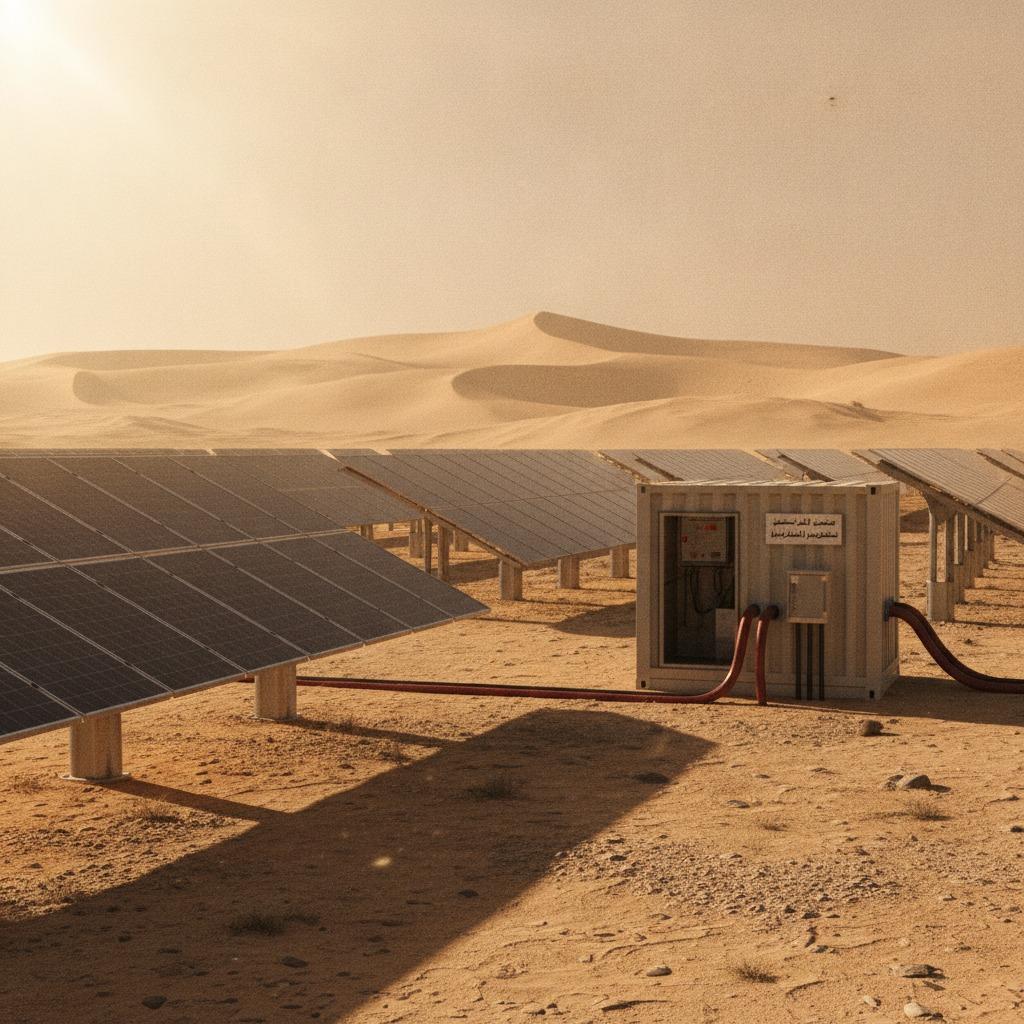
Battery energy storage system fire risk is no longer a side topic for facilities teams or procurement managers. It sits in the center of project planning now, because storage projects are being asked to do more work, in tighter spaces, with less tolerance for downtime. If you are evaluating a containerized system, a cabinet-based installation, or a larger site integrated with solar or peak shaving, the real question is not whether a battery system can overheat. The question is how the design handles abnormal conditions, how quickly a problem can be detected, and what happens to the rest of the site if one module or rack goes bad.
That is the decision this article helps you make. Not whether storage is “safe” in a vague sense, but how to compare systems, vendors, and layouts with a practical eye. Fire risk is tied to chemistry, enclosure design, thermal management, spacing, controls, maintenance discipline, and the quality of installation. Some of those factors are visible in a brochure. Others are buried in technical submittals, commissioning records, and the hard questions buyers sometimes forget to ask.
Why the risk deserves a serious review
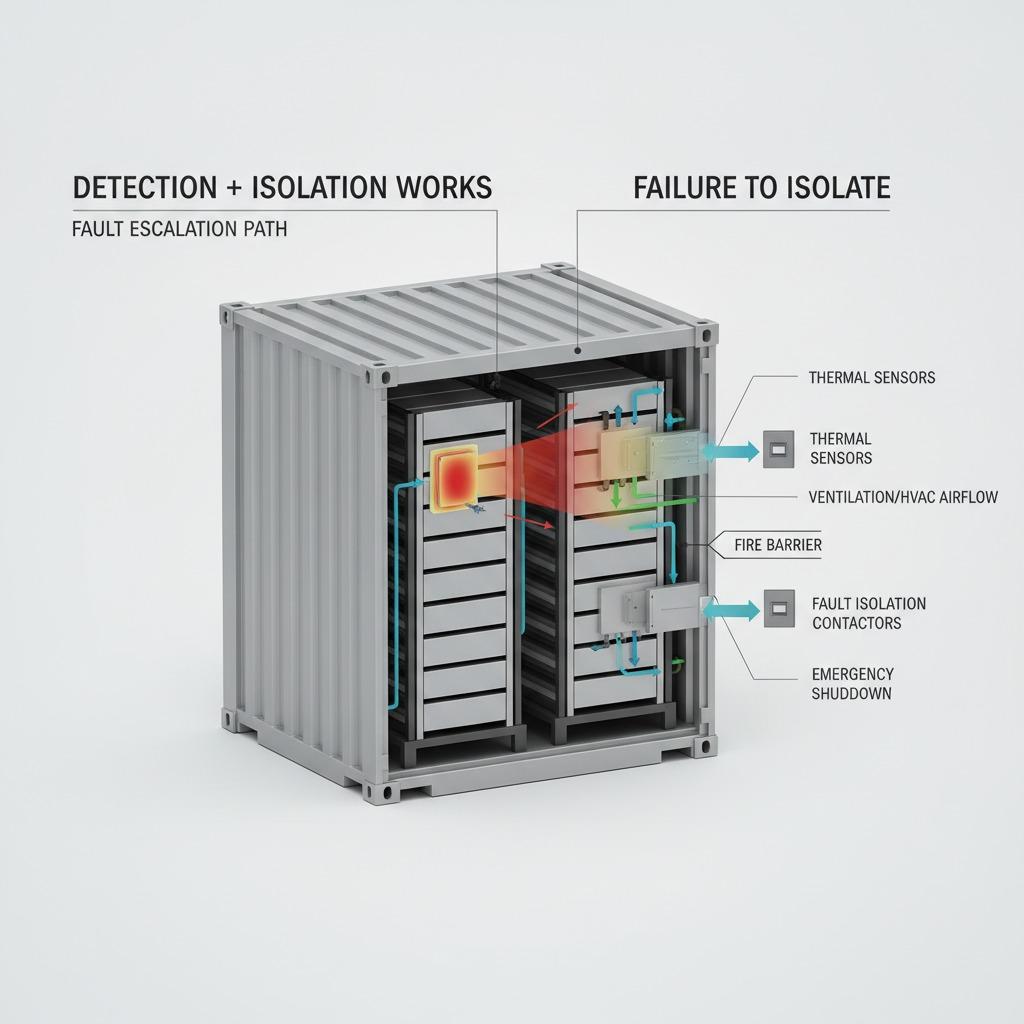
Energy storage brings obvious benefits: load shifting, backup power, renewable smoothing, and greater power flexibility. But batteries also store a dense amount of energy in a compact footprint. When things go wrong, the event can move fast. Thermal runaway is the term most people hear, and it is worth understanding in plain language. One cell heats up, the heat spreads to neighboring cells, and the reaction can escalate if the system does not detect the fault, isolate it, and keep the temperature from climbing further.
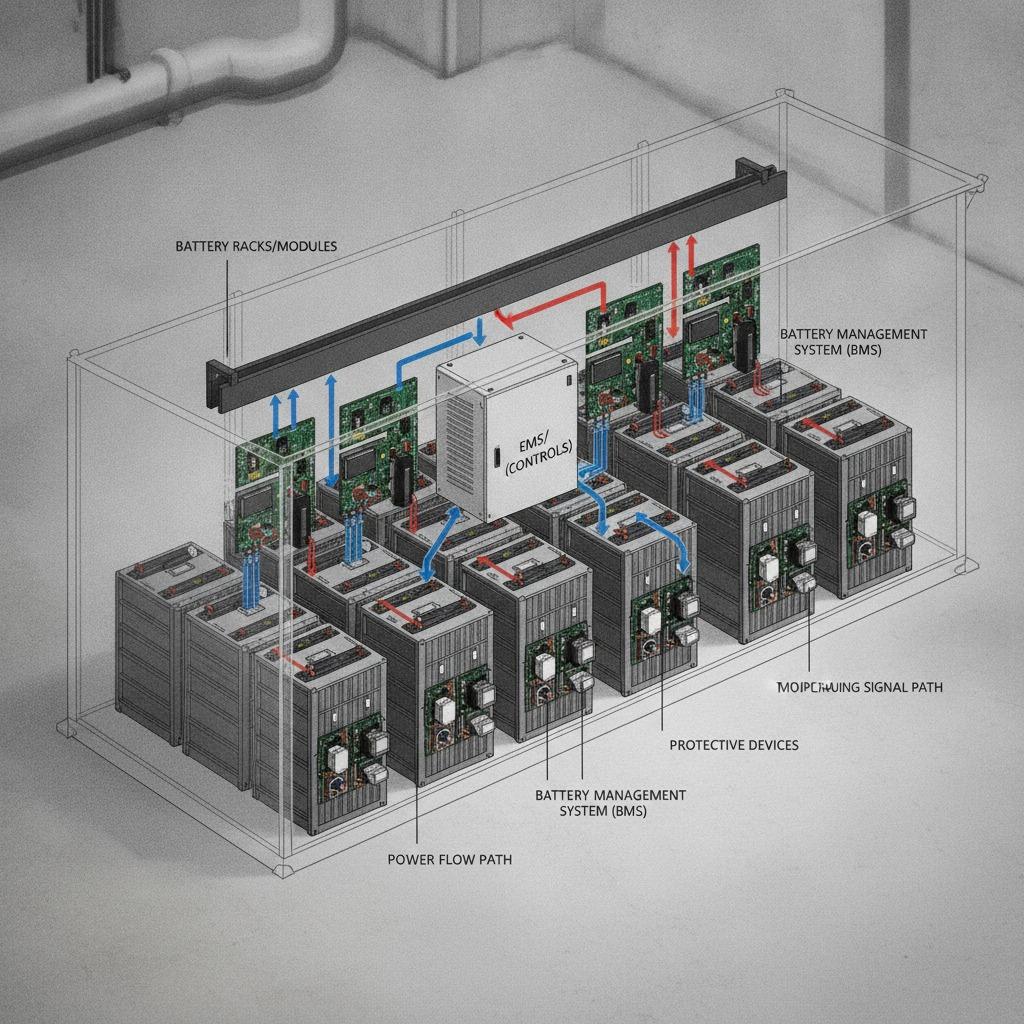
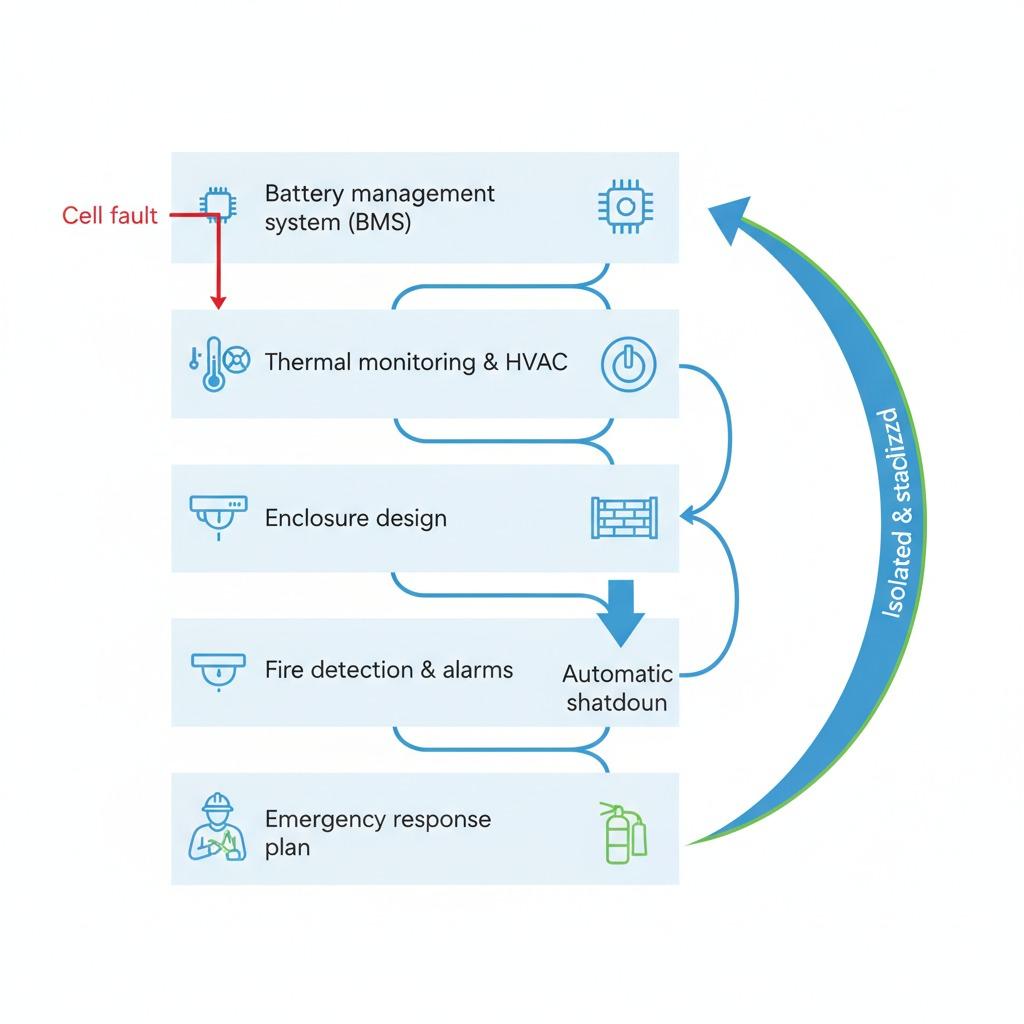
That chain of events is exactly why battery energy storage system fire risk cannot be reduced to a single feature like “suppression” or “fire-resistant cabinet.” The better systems are designed as layers. They rely on battery management systems, thermal monitoring, ventilation or HVAC, fault isolation, enclosure design, and emergency response planning. Remove one layer and the system may still function. Remove several and the risk profile changes quickly.
What actually drives fire risk in storage systems
Battery chemistry and cell design
Different battery chemistries behave differently under abuse or fault conditions. Lithium-ion systems dominate many stationary storage applications because of their energy density and mature supply chain, but that same energy density means heat management matters. Within lithium-ion, cell design, separator quality, and pack architecture all influence how a failure develops. Buyers often compare chemistry first and stop there. That is understandable, but incomplete.
Thermal management and layout
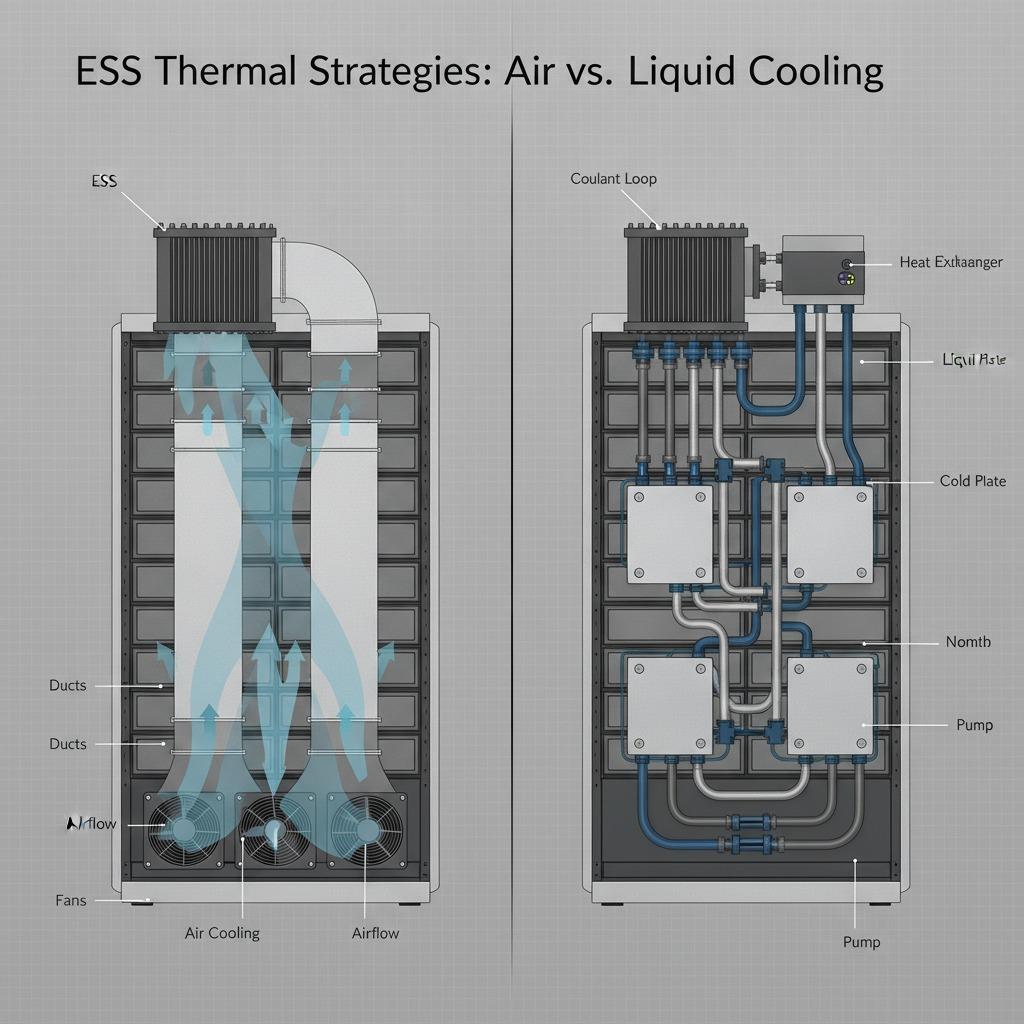
Temperature control is one of the quietest safety variables. A system that runs hot every afternoon during peak discharge will age faster and may be less forgiving when a fault occurs. Poor airflow, clogged filters, undersized HVAC, or crowded rack spacing can create local hot spots. In containerized products, the geometry of the enclosure matters as much as the battery modules themselves. Heat has to go somewhere; if the design does not make that path obvious, the risk rises.
Controls, monitoring, and fault response
A battery management system is supposed to see trouble early: voltage drift, abnormal temperatures, isolation faults, or signs that a module is behaving differently from the rest. But sensors only help if the control logic reacts properly. The practical test is simple: what happens after a fault is detected? Does the unit shut down cleanly, isolate the affected section, alert operators, and prevent re-energizing a damaged string too soon? Those are not glamorous questions, but they are the ones that matter after delivery.
How buyers should compare systems without getting lost in the brochure language
A useful way to review storage proposals is to treat them as risk-control packages rather than equipment purchases. The hardware is important, but the surrounding design is what often determines whether a bad event stays small or becomes expensive.
Quick comparison points
Look at enclosure type, spacing strategy, thermal controls, detection methods, shutdown logic, and how the vendor describes emergency access for responders. Ask whether the system is meant for indoor installation, outdoor pad mounting, or a shipping-container style footprint. Each arrangement changes the airflow, maintenance access, and fire response assumptions.
Also check the system’s operational philosophy. Some products prioritize high energy density and compact installation. Others are built with more margin around service access and heat rejection. Neither approach is automatically better, but buyers should know which tradeoff they are accepting. A compact system can be attractive on a crowded site, yet crowded sites are exactly where small mistakes become costly.
Installation and siting issues that often get overlooked
Many fire-risk problems are not born in the battery cell at all. They show up during layout, cabling, commissioning, or later maintenance. I would be cautious with any project where the installation team treats the battery as a standard electrical cabinet and nothing more. Storage systems need more attention to clearances, access paths, cooling intake and exhaust, drainage if the site is exposed, and the location of adjacent equipment.
One practical warning: do not assume that a remote corner of the yard is automatically safer. Remote sites can slow response times, limit inspection frequency, and create maintenance shortcuts. Likewise, putting units too close together may simplify trenching and wiring but can complicate heat management and emergency access. The layout should be reviewed with operations, not only engineering.
Operational discipline matters after commissioning
Even a well-designed storage system can become a fire-risk problem if it is poorly maintained. Filters clog. Fans fail. Firmware gets delayed. Alarm fatigue sets in. Inspections matter, and so does recordkeeping. If a site keeps seeing nuisance alerts or temperature deviations, that is not just an annoyance; it may be the system trying to tell you something about drift, contamination, or an installation defect.
Maintenance teams should know which alarms require immediate shutdown, which require verification, and which can be monitored while the system remains online. That distinction should be written down before the site goes live. In practice, many sites become more vulnerable over time because everyone assumes the first-year commissioning settings still reflect real operating conditions. They often do not.
Questions to ask suppliers before you commit
Buyers do not need to become battery chemists, but they do need a sharper purchase checklist. Ask how the system detects abnormal cell behavior, what isolation steps occur automatically, and how the vendor expects the site team to respond to an alarm. Ask for the recommended spacing, maintenance intervals, and environmental limits. Ask what parts are field-replaceable and which failures require a full module swap.
It is also fair to ask how the product was intended to be used. A system optimized for utility-scale deployment is not the same as one designed for a commercial building or a microgrid. The enclosure, controls, and service model should match the site’s duty cycle and staffing level. If the vendor’s explanation feels vague, that is usually a sign to slow down.
Common mistakes that raise the risk profile
One common mistake is overfocusing on suppression after the fact and underfocusing on prevention. Suppression is only one layer. Another is buying for energy density alone, especially when the site has little spare room or limited ventilation. A third is assuming the installer will “handle the details” without a project-specific safety review. They may handle many details, but the buyer still owns the site risk.
There is also a tendency to treat every battery container as interchangeable. They are not. Small differences in cooling strategy, rack arrangement, electronics architecture, and service access can change how an incident develops. That does not mean projects should become overcomplicated. It means the review needs enough depth to distinguish a robust design from a merely convenient one.
FAQ
Is every battery storage system a fire hazard?
No. But every system should be treated as a managed fire-risk asset, because stored electrical energy always carries some hazard. The goal is to design, install, and operate the system so that risk remains controlled and visible.
Does a larger enclosure automatically mean higher risk?
Not automatically. Larger enclosures may offer more room for thermal separation, access, and cooling hardware. Risk depends more on system design, spacing, and controls than on size alone.
What matters most in a purchase decision?
The most useful answer is the one that combines design and operations: thermal management, fault detection, emergency isolation, and a maintenance plan the site can actually follow.
A practical next step for sourcing and engineering teams
If you are comparing storage options now, start by requesting the safety-related sections of the technical package, not just the electrical performance data. Review the enclosure design, cooling approach, alarm logic, and maintenance requirements together. Then walk the site layout with operations and whoever will respond to an alarm at 2 a.m., because that is when the paper design gets tested. A battery system that looks efficient on a drawing can be awkward to service, hard to cool, or difficult to isolate when conditions change.
In short, battery energy storage system fire risk is not a reason to avoid storage. It is a reason to buy more carefully. The projects that perform best over time are usually the ones where engineering, procurement, and operations agreed early on what “safe enough” actually means, and then checked the vendor’s design against that standard instead of hoping the equipment would take care of the problem on its own.