
Battery Energy Storage System Noise: What Project Teams Need to Know
Battery energy storage system noise is a practical design issue, not a minor detail to resolve after equipment arrives on site. A BESS can support renewable generation, peak shaving, backup power, and grid services, but its inverters, cooling equipment, transformers, and control systems may create a steady acoustic footprint. For developers, engineers, and permitting teams, the key decision is whether the proposed equipment and site layout can meet the applicable noise requirements without expensive redesign work.
This article explains where BESS noise comes from, how it is assessed, which operating conditions matter, and what buyers should request before selecting equipment or finalizing a site.
Do BESS systems make noise?
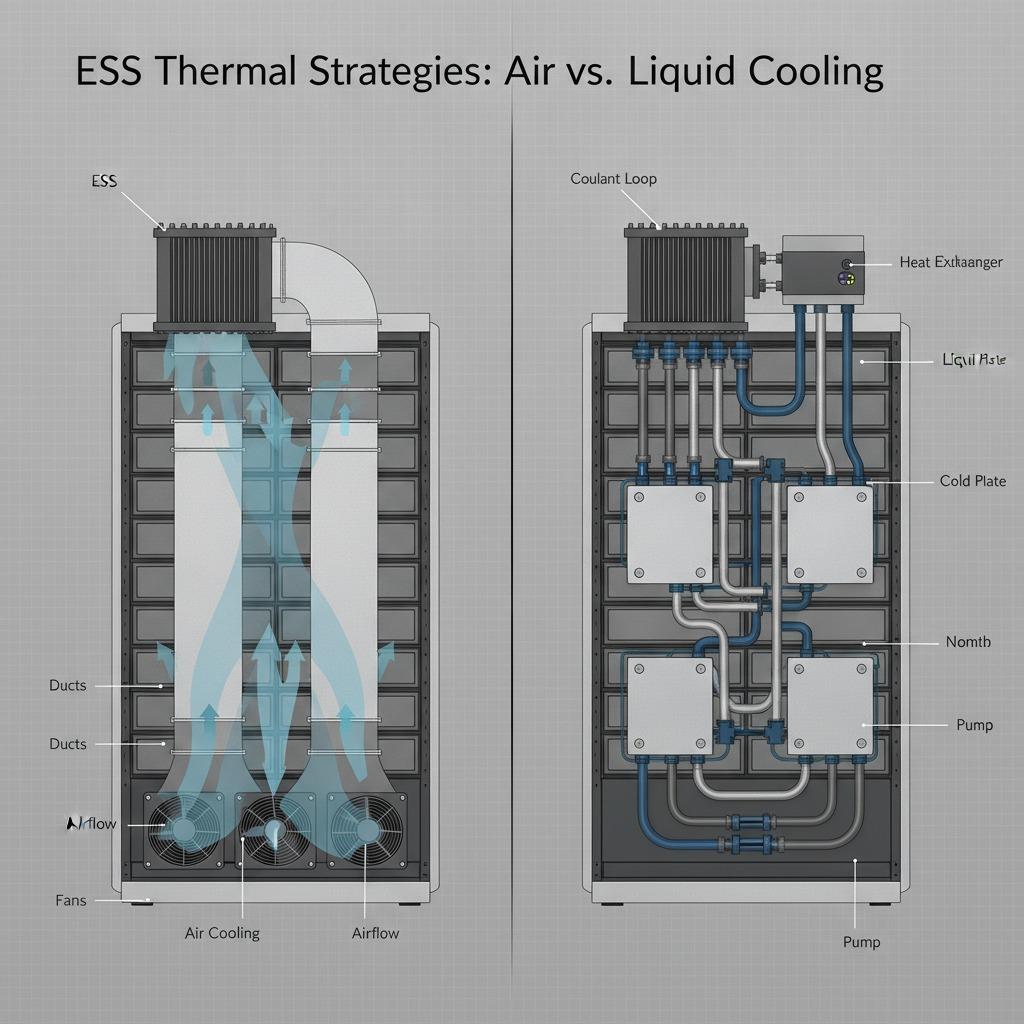
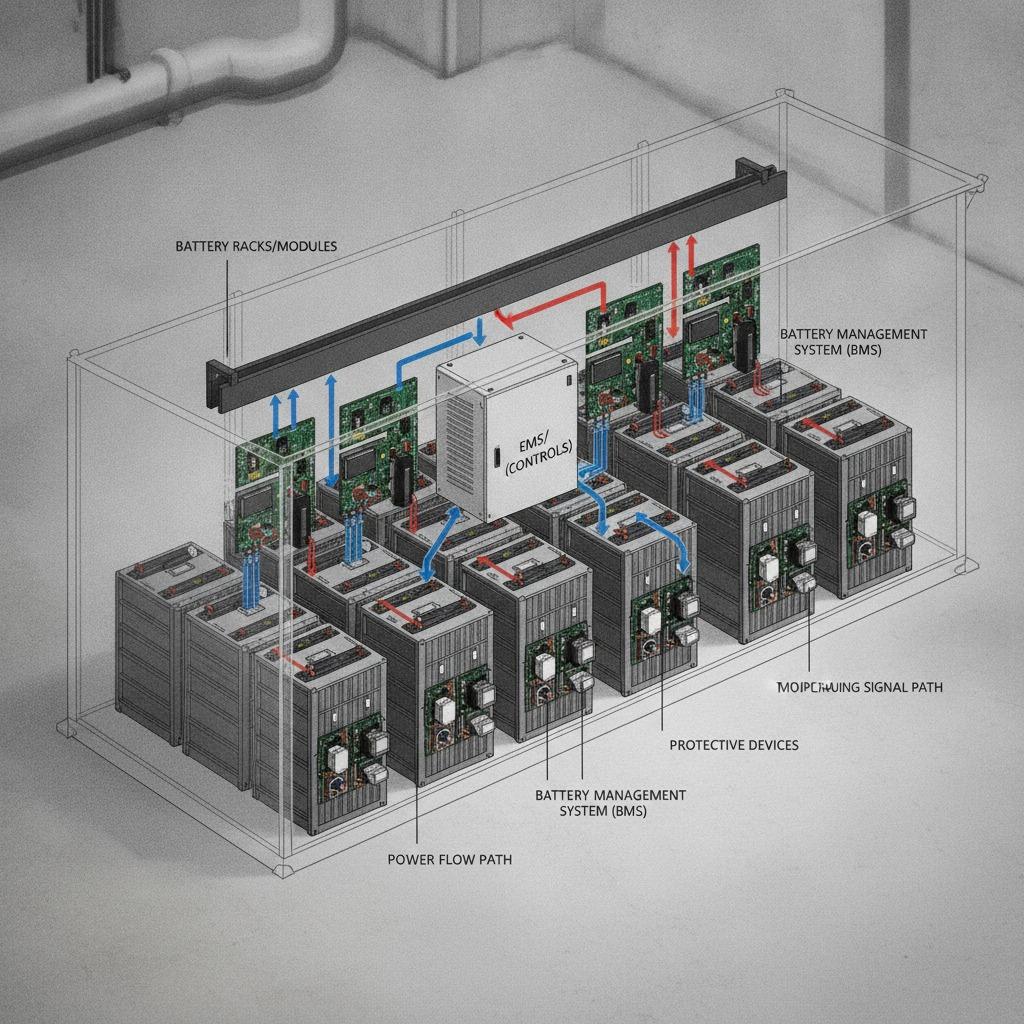
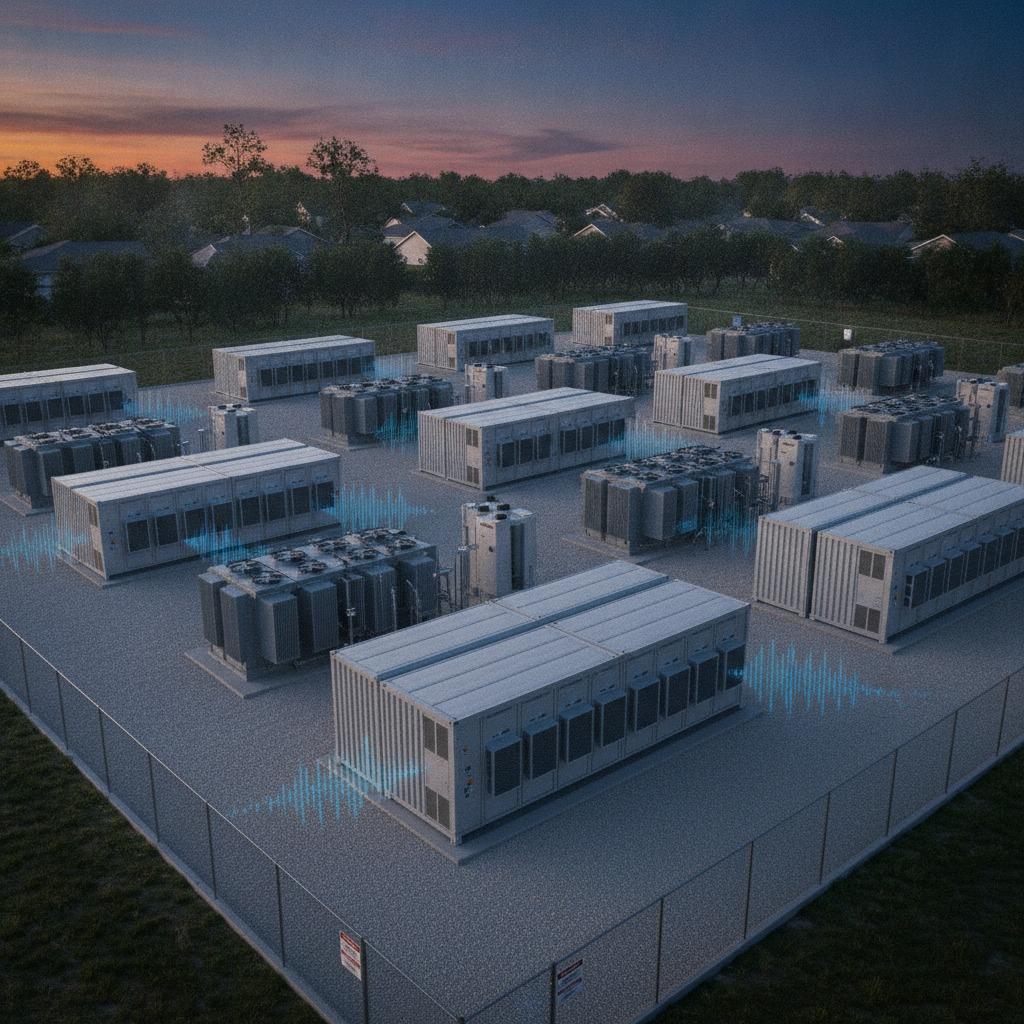
Yes. A battery enclosure itself is generally quiet compared with the equipment that manages heat and converts electrical power. Noise commonly comes from forced-air cooling fans, heating and ventilation equipment, inverters, transformers, pumps, and auxiliary electrical systems. Some systems also produce audible alarms or switching sounds during particular events.
The sound level is not necessarily constant. A containerized system may be relatively quiet when batteries are idle, then become louder while charging or discharging at high power. Cooling demand can also increase with outdoor temperature, battery state of charge, operating duration, and the thermal design of the enclosure. In some installations, the dominant issue is not the average sound level but a tonal or intermittent character that makes the equipment more noticeable to nearby residents.
Quick reference: common BESS noise sources
| Source | Typical operating role | Why it matters acoustically |
|---|---|---|
| Cooling fans and HVAC | Remove heat from batteries and power electronics | Often provide continuous broadband noise and may cycle with load or temperature |
| Inverters or power conversion systems | Convert AC power to DC and back again | May generate fan noise, electrical hum, and tonal components |
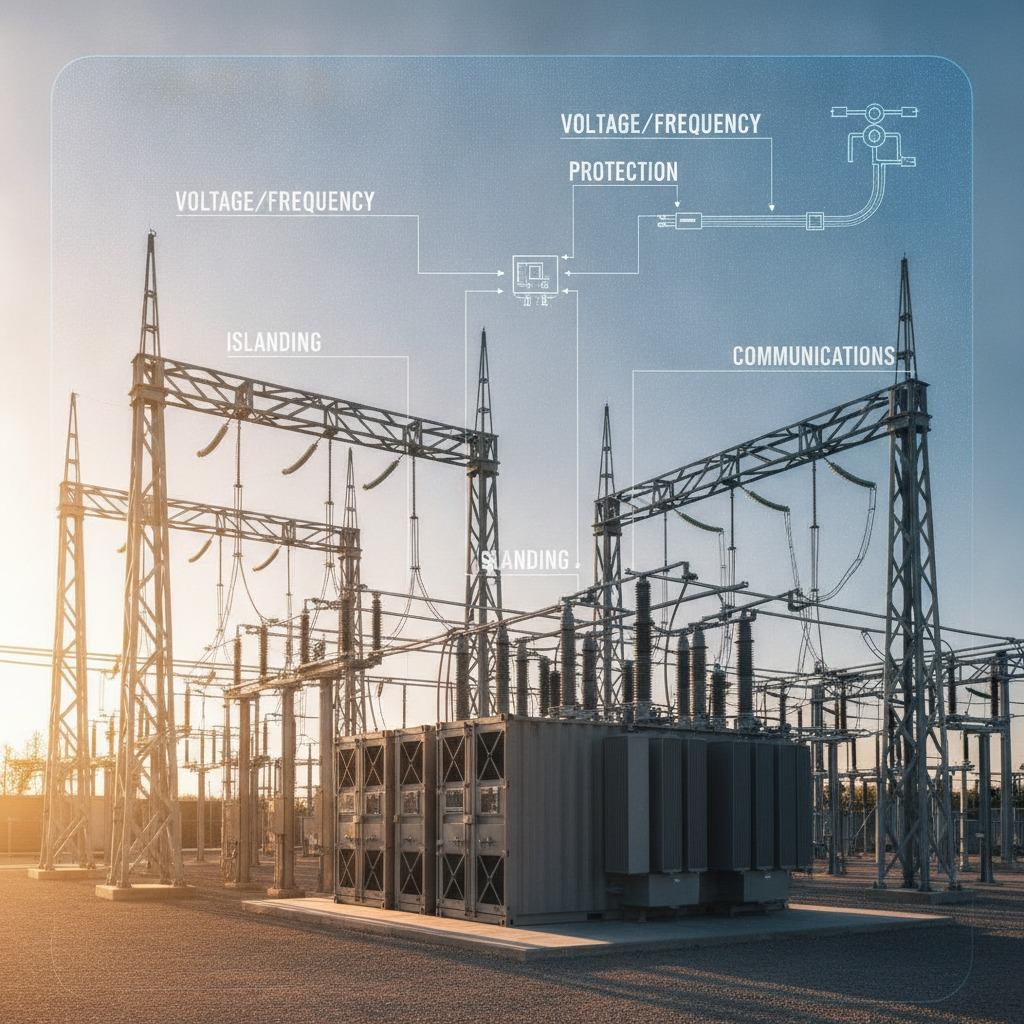
| Transformers | Adjust voltage between the BESS and the grid | Can produce a persistent low-frequency hum, especially under load |
| Pumps and auxiliary equipment | Support liquid cooling or other thermal systems where used | Vibration and mechanical noise may travel through mounts or foundations |
| Alarms and safety systems | Warn personnel of faults or hazardous conditions | Usually intermittent, but can be significant during testing or an incident |
Why BESS noise is a project-planning problem
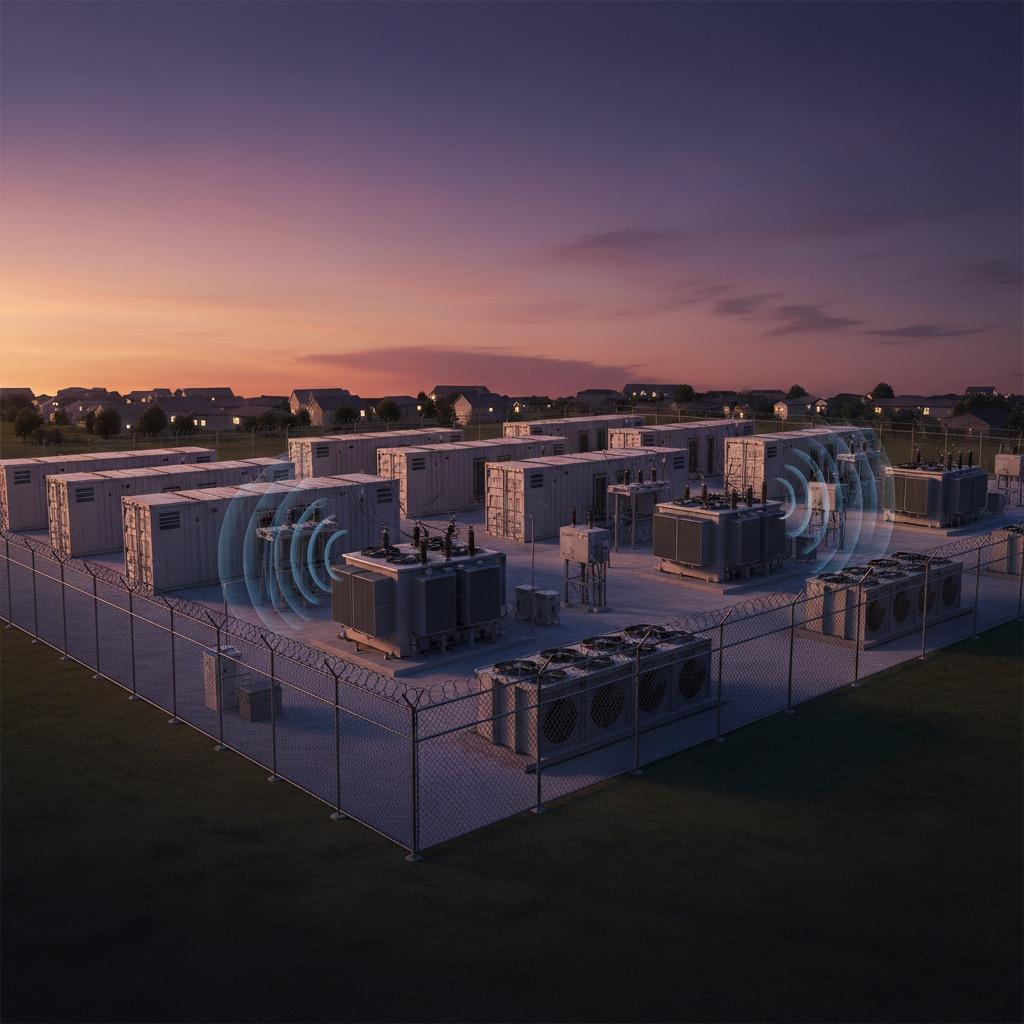
Noise concerns often arise at the boundary between industrial equipment and residential, commercial, or environmentally sensitive areas. A site can be electrically suitable and still face objections if equipment is placed close to homes, offices, schools, or property lines. Noise can also affect worker comfort and communication within an operating facility.
Distance is helpful, but it is not a complete mitigation strategy. Sound can reflect from walls, travel across open ground, and combine with noise from multiple enclosures. A transformer on one side of a site and several cooling systems on the other may create a different acoustic result than a simple equipment catalog suggests. Terrain, barriers, building orientation, weather, and the existing background sound environment all influence what people hear.
Another complication is operating mode. A noise assessment based only on standby conditions may not represent the loudest period. Project teams should examine normal charging, normal discharge, maximum intended power, high-ambient-temperature operation, emergency operation, and maintenance testing where relevant.
How BESS noise is measured
Noise is commonly described using A-weighted sound pressure level, written as dBA, because this weighting approximates the sensitivity of human hearing. For equipment selection, however, a single dBA value may not be enough. Frequency information can reveal low-frequency transformer hum, fan tones, or other components that are more noticeable than a broadband level would imply.
Engineers should distinguish between several measurements:
- Sound power level: a source-based rating used to compare equipment under defined test conditions.
- Sound pressure level: the sound observed at a particular location and distance from the source.
- Ambient or background noise: the existing sound environment before the BESS operates.
- Noise at a receptor: the predicted or measured level at a home, property boundary, workplace, or other point of concern.
These values should not be treated as interchangeable. A supplier's equipment rating does not automatically equal the level at a neighboring property. The installation arrangement, distance, enclosure openings, barriers, and other sources must be included in the analysis.
What to request from a BESS supplier
Noise data should be part of the technical bid package, not a request made after procurement. Ask suppliers to identify the acoustic sources in the proposed configuration and state the operating conditions associated with each rating. Useful documentation may include equipment sound power data, sound pressure data at a defined distance, frequency-band information, fan or HVAC operating modes, and details of any optional low-noise settings.
Also confirm whether the stated value applies to one enclosure, a complete block, or a broader system. A project using multiple containers can have a materially different site-level result. The bid should identify transformers, medium-voltage equipment, cooling skids, and other equipment that may be supplied separately from the battery enclosure.
A practical warning: do not compare two supplier noise figures unless the test method, operating condition, distance, and system boundary are comparable. A lower number may simply describe a different measurement basis.
Design measures that can reduce noise
Use site layout before adding barriers
The least complicated mitigation is often separation. Place the loudest equipment as far as practical from sensitive receptors, and avoid directing fan outlets toward nearby buildings. Grouping equipment can simplify shielding, but it can also concentrate the sound source. The preferred arrangement depends on the site and the equipment ventilation requirements.
Specify quieter operating modes carefully
Variable-speed fans, controlled cooling, acoustic enclosures, and low-noise inverter or transformer options may reduce sound during selected operating conditions. The trade-off can include reduced thermal margin, lower available output, increased equipment cost, or more complex controls. A quieter mode should therefore be evaluated against the project's maximum power and temperature requirements rather than accepted as a marketing feature.
Control vibration as well as airborne sound
Mechanical vibration can pass through equipment frames, supports, and foundations. Proper mounting, isolation, alignment, and flexible connections can reduce structure-borne transmission. This is particularly relevant for transformers, pumps, compressors, and large cooling assemblies. Acoustic treatment that addresses only airborne noise may not solve a vibration complaint.
Consider barriers and buildings
Solid barriers can interrupt the direct path between a source and a receptor, but their performance depends on height, continuity, location, and construction. Gaps, open gates, roof-level equipment, and reflective surfaces can limit the benefit. A barrier should be designed from an acoustic model, not treated as a generic fence.
Common mistakes in BESS noise planning
- Using the battery cell or enclosure as the assumed noise source while overlooking HVAC, inverters, and transformers.
- Relying on a single nominal rating without checking high-load and high-temperature operation.
- Comparing supplier data measured under different conditions.
- Ignoring tonal noise and low-frequency content because the overall dBA value appears acceptable.
- Waiting until after civil works or equipment procurement to commission an acoustic study.
- Assuming a noise wall will solve the problem without checking airflow, fire-safety access, and maintenance requirements.
- Failing to define which operating modes must meet the project's noise limit.
A buyer's practical checklist
Before issuing a purchase order, define the sensitive receptors and the locations where compliance will be evaluated. Establish the expected charging and discharging profile, including whether simultaneous operation of multiple power blocks is possible. Request source data for the full electrical and thermal system, not only the battery container.
Then ask an acoustical engineer or suitably experienced consultant to model the proposed layout. The model should account for distance, terrain, barriers, reflections, background noise, and the combined contribution of multiple sources. If the project is subject to local planning or environmental requirements, confirm the applicable assessment method with the permitting authority early. Requirements differ by jurisdiction and may address nighttime operation, tonal penalties, impulsive noise, or property-boundary limits.
Finally, include verification in the project plan. Depending on the contract and local requirements, this may involve commissioning measurements under defined operating conditions. The acceptance procedure should state the measurement locations, system output, cooling mode, weather conditions, and treatment of background noise. Vague acceptance language creates avoidable disputes.
Frequently asked questions
Is a BESS louder when it is charging or discharging?
It can be. Higher electrical throughput generally increases heat generation in power electronics and may increase cooling activity. The actual result depends on the inverter, thermal system, controls, and ambient conditions.
Are all battery containers equally noisy?
No. Noise varies with enclosure design, HVAC equipment, inverter arrangement, transformer selection, fan control, and the number of units operating together. Two systems with similar energy capacity can have different acoustic characteristics.
Can a BESS be installed near homes?
It may be possible, but suitability depends on the equipment, layout, local rules, operating schedule, and predicted noise at sensitive receptors. Proximity should trigger earlier acoustic review, not an assumption that mitigation will be simple.
What is the most important noise document in a supplier proposal?
There is no single universal document. The most useful package clearly identifies source levels, measurement conditions, frequency information where available, operating modes, and the equipment included in the rating. Site-level predictions are more valuable than an isolated catalog number.
Next step for project teams
Treat acoustic performance as a system-level requirement alongside thermal management, fire safety, electrical efficiency, and maintainability. Build a source inventory, request comparable supplier data, model the complete site, and verify the conditions that matter to nearby receptors. That process helps the team choose equipment with fewer surprises—and prevents a late noise complaint from becoming a layout change, retrofit, or permitting delay.