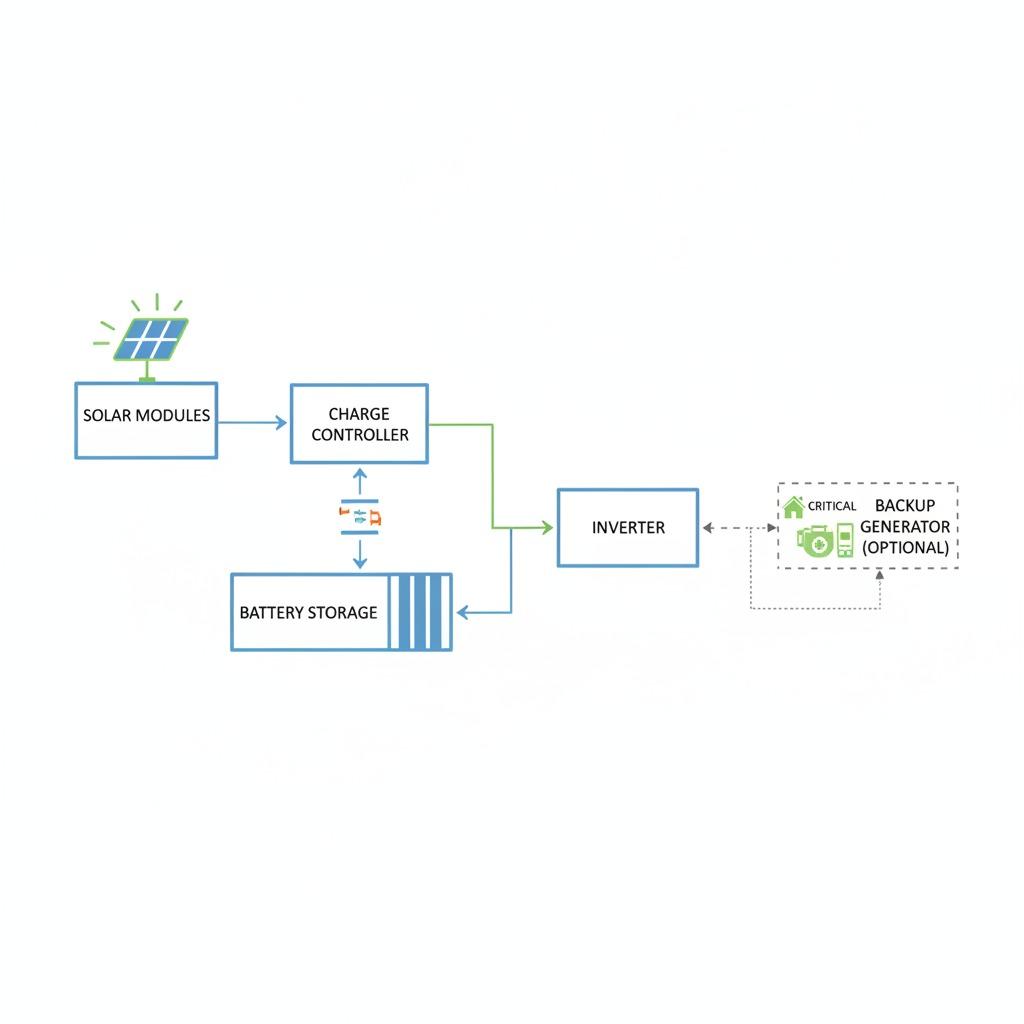


What buyers should know before choosing solar storage
The disadvantages of solar batteries are easy to overlook when a project is framed around energy independence, backup power, or bill savings. On paper, storage looks simple: charge during the day, discharge at night, and reduce reliance on the grid. In practice, the battery becomes a second capital asset with its own cost, footprint, maintenance profile, and replacement cycle. For engineers, sourcing managers, and product teams, the real question is not whether batteries can work, but whether they work well enough for the specific load profile, site conditions, and business case.

This matters because storage changes the economics of a solar system. A roof array without batteries is one thing; an array paired with lithium-ion or other storage is another. The battery can improve resilience, but it also introduces aging, conversion losses, thermal management requirements, and safety considerations. Buyers who understand the trade-offs usually make better decisions than buyers who focus only on nameplate capacity.
Quick view: where solar batteries create friction
Solar batteries are most attractive when a site needs backup power, peak shaving, or better self-consumption of solar output. The friction starts when expectations drift beyond those functions. Common pain points include upfront cost, limited usable capacity, degradation over time, round-trip efficiency losses, and added system complexity. Some installations also need extra space, more sophisticated controls, and stricter attention to fire and electrical codes.
That does not make batteries a poor choice. It means they should be evaluated as industrial equipment, not treated like a simple accessory to a PV array.
The main disadvantages of solar batteries
1. High upfront cost
The first barrier is usually cost. A solar battery system requires not just cells, but battery management, enclosure hardware, inverters or hybrid inverters, wiring, controls, and installation labor. For many commercial users, the battery can materially increase the total project budget. Even if the system eventually pays back through higher self-consumption or demand-charge reduction, the initial spend is still the hardest part of the decision.
Buyers should also remember that the battery is not a one-time purchase in the same way a structural component is. It has a service life, and replacement planning belongs in the financial model from the start. Skipping that step usually leads to optimistic payback assumptions.
2. Limited usable capacity
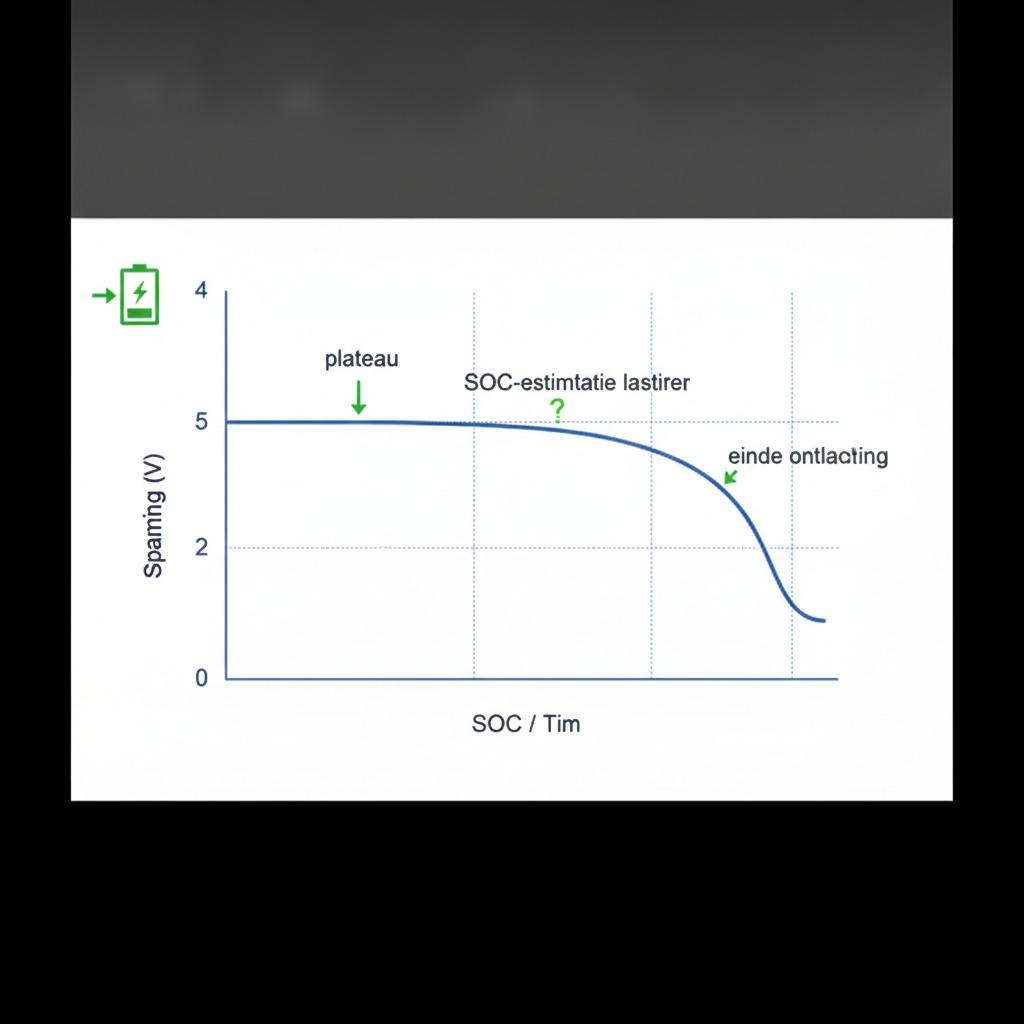
A battery’s rated capacity is not the same as the energy you can reliably use. Most systems reserve part of the capacity to protect the cells and extend life. That means the practical storage available for a facility may be less than the brochure number suggests. If the battery is undersized, the site may still draw from the grid during evening peaks or outages, which weakens the original business case.
This issue is especially important for teams trying to cover long outages or overnight operation. Storage can bridge a gap, but it is not a substitute for a generator in every scenario.
3. Degradation over time
All batteries age. That is one of the most important disadvantages of solar batteries, and one that is easy to underestimate during procurement. Repeated charge and discharge cycles, high temperatures, deep discharges, and aggressive duty cycles all contribute to capacity fade. Over time, the same battery will store less energy than it did when new.
For sourcing teams, this means the useful life of the battery depends on application, not just chemistry. A battery used for daily cycling in a hot environment will usually face a tougher service life than one used occasionally for emergency backup. That sounds obvious, but it is often missed when project teams compare only price per kilowatt-hour.
4. Efficiency losses
No battery system is perfectly efficient. Energy is lost during charging, storing, and discharging, and additional losses occur through power electronics and thermal control. In a solar project, those losses matter because the original electricity was harvested from a finite rooftop, carport, or ground-mount area. Every percentage point lost is energy that never reaches the load.
In simple terms, batteries can shift solar energy to a more useful time, but they do not preserve every watt. Buyers who assume otherwise can overstate the value of storage.
5. Added system complexity
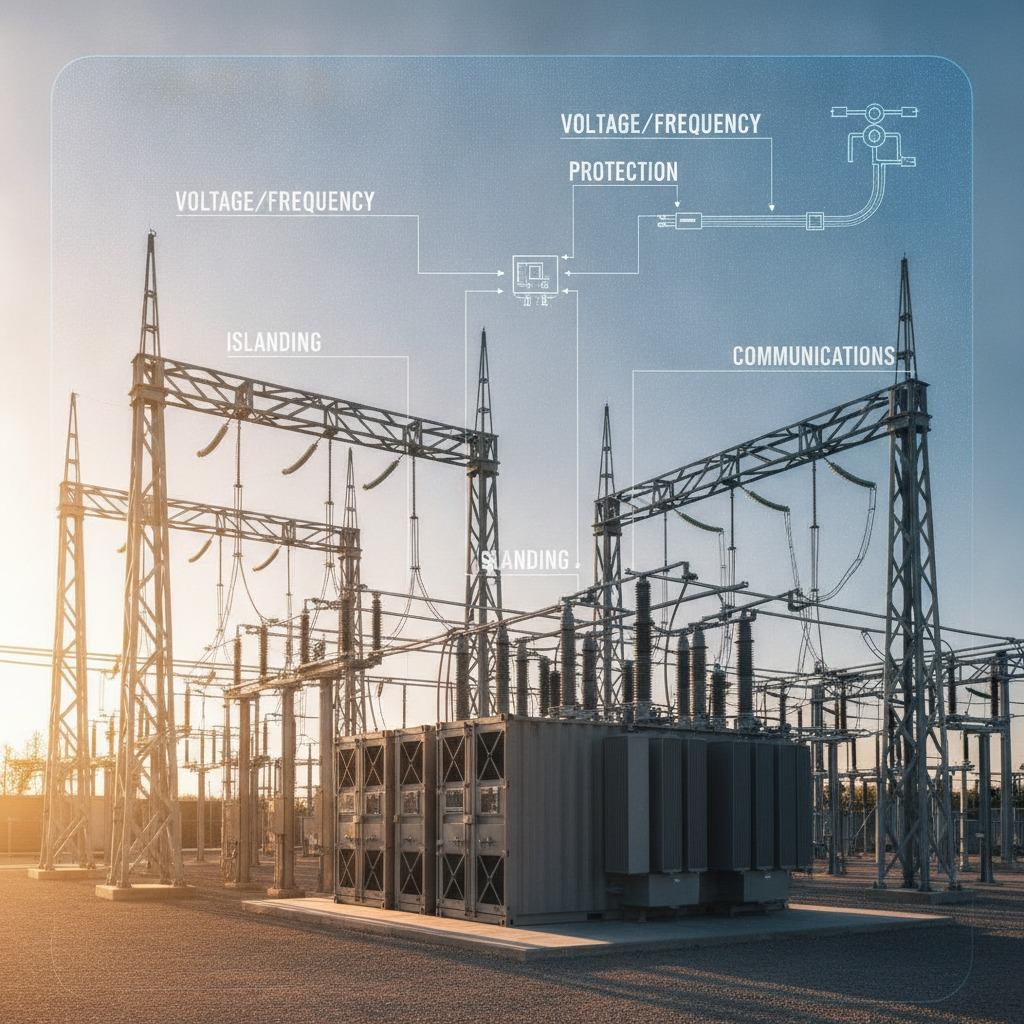
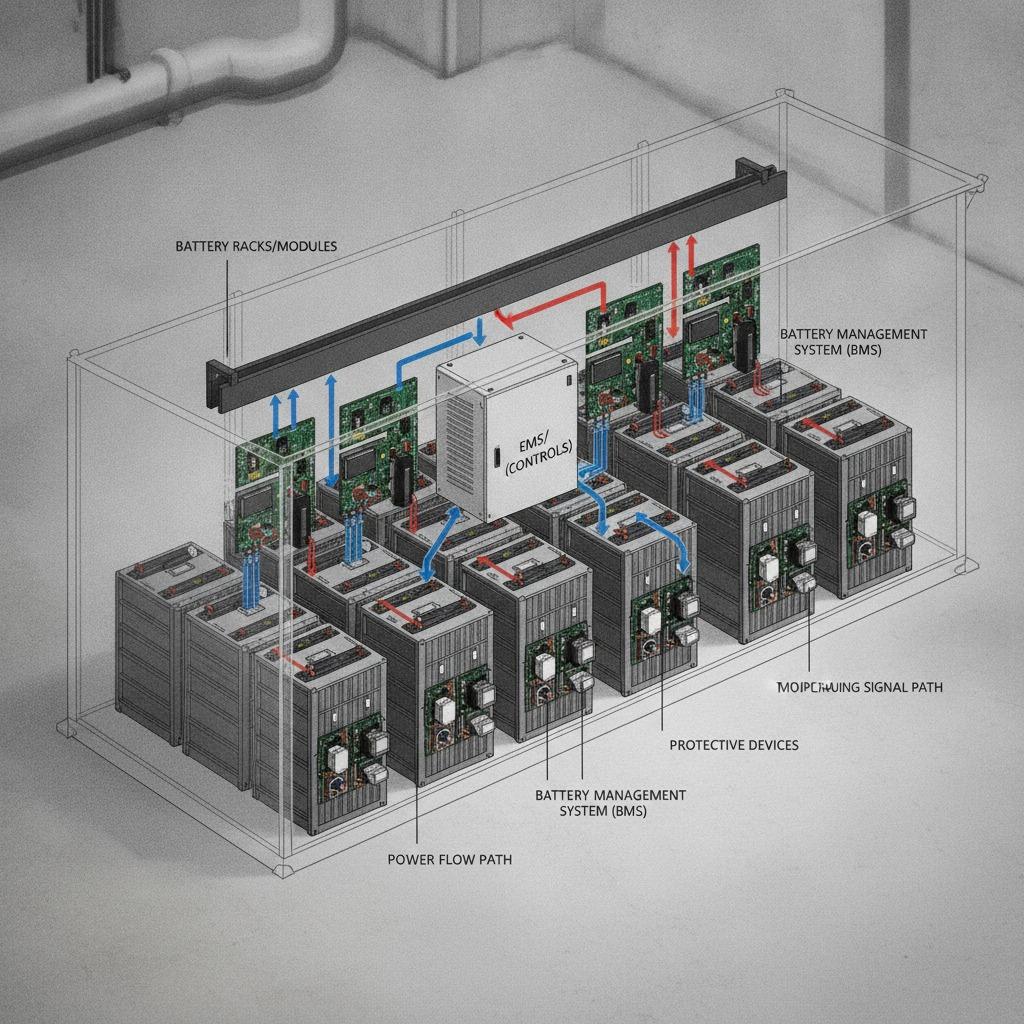
A PV-only installation is already an electrical project. Add batteries, and complexity rises fast. The design now has to account for charge control, battery thermal behavior, communication between components, emergency shutdown, protective devices, enclosure placement, and sometimes utility interconnection limits. More components mean more points of failure.
That complexity affects commissioning as well. If the controls are not configured properly, the battery may not charge when expected, may cycle in an inefficient way, or may fail to support the load during an outage. In other words, the equipment may be sound while the system still performs poorly.
6. Space, weight, and environmental constraints
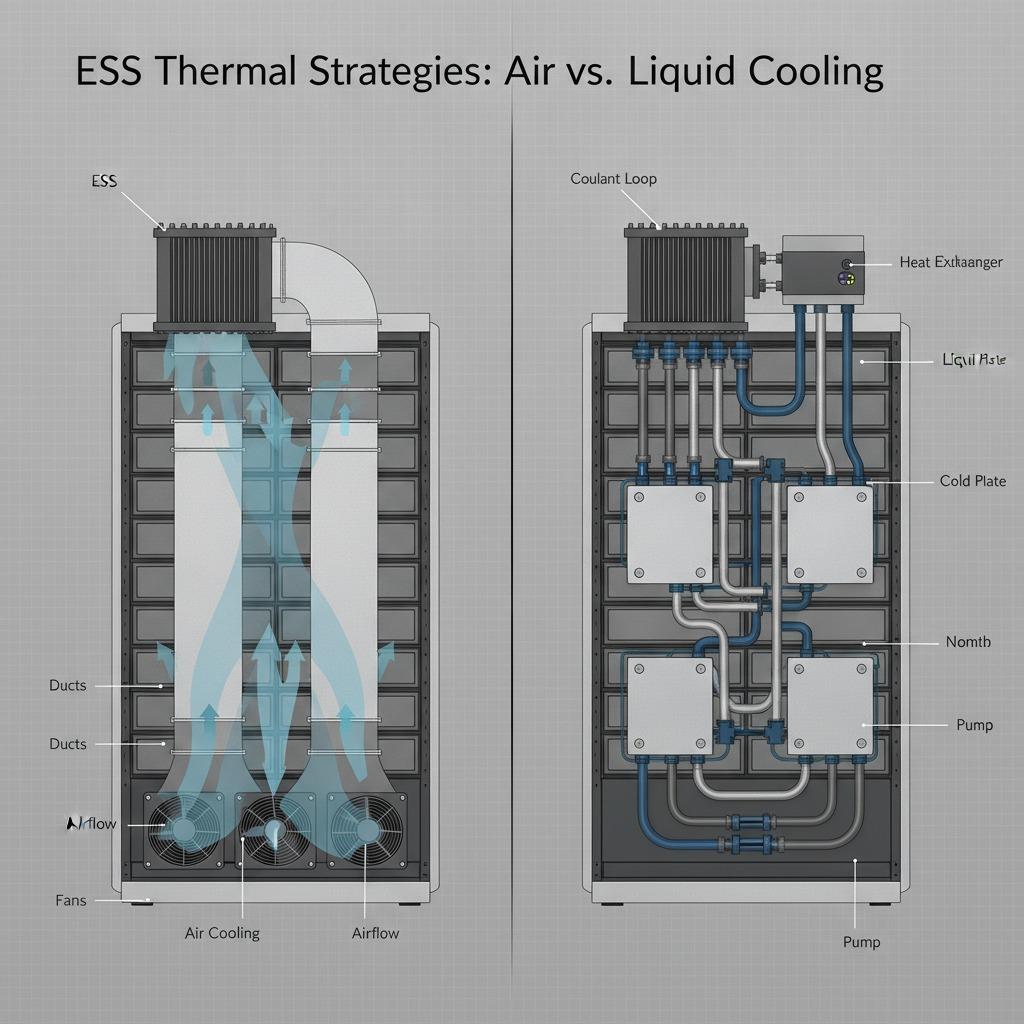
Battery systems are not abstract assets; they occupy floor space, add weight, and need a suitable operating environment. Indoor installations may require ventilation or climate control. Outdoor systems need weather-resistant enclosures and careful placement. In facilities with tight mechanical rooms or rooftop limitations, those practical constraints can become the deciding factor.
This is one reason site surveys matter so much. A battery that looks feasible in a proposal can become difficult once real clearances, service access, and cable routing are considered.
7. Safety and compliance concerns
Battery storage brings a different risk profile than panels alone. Thermal runaway, electrical faults, improper installation, and poor enclosure design are all concerns that must be addressed through engineering and code compliance. Even when incidents are rare, the consequences can be serious enough to affect insurance, permitting, and internal safety reviews.
Buyers should ask direct questions about system protection, monitoring, isolation methods, and installation practices. A battery should not be treated as a black box. If the vendor cannot explain how the system manages heat, faults, and shutdown conditions in plain language, that is a warning sign.
When batteries make sense anyway
Despite the disadvantages of solar batteries, they can be the right answer in several cases. Facilities with expensive peak demand, unreliable grid service, critical loads, or limited ability to export solar power may still gain real value from storage. Residential users may also accept a longer payback if resilience matters more than pure economics.
The practical point is that batteries solve specific problems. They are strongest where time-shifting energy has clear value or where backup power has a measurable business cost.
How to evaluate a battery project without getting misled
Start with load shape, not battery size. Many projects begin with a target kilowatt-hour number, but the better approach is to map when energy is needed, how long it must last, and what loads are truly critical. That clarifies whether the battery is meant for backup, peak shaving, self-consumption, or all three.
Then look at the system as a whole: PV output profile, inverter compatibility, control strategy, available installation space, ambient conditions, and service access. If the site is hot, congested, or heavily cycled, those factors may weigh more heavily than the storage price per unit.
It also helps to model the replacement cycle. A battery that looks affordable over three years can tell a different story over ten. Some buyers forget that once the battery ages, a second purchase may be needed long before the solar modules are due for replacement.
Common buyer mistakes
One frequent mistake is assuming every kilowatt-hour of storage is equally useful. It is not. Usable capacity, discharge rate, and controls all shape real performance. Another mistake is ignoring degradation until after commissioning, when performance starts slipping and everyone begins asking why the battery no longer behaves like it did in the first month.
A third mistake is overbuilding the battery to chase theoretical independence from the grid. In many commercial settings, that leads to overspending without delivering proportional value. A smaller, better-matched system is often smarter than a large one bought for comfort rather than need.
Practical questions to ask suppliers
Before approving a solar storage purchase, ask how the system is expected to perform at end of life, not just at commissioning. Ask about usable capacity, cycle assumptions, maintenance access, operating temperature range, and what happens when one module or string underperforms. If the answer sounds vague, press for specifics.
Also ask how the battery integrates with the broader solar system. A good battery on a weak control architecture can still disappoint. That is the kind of problem that shows up only after purchase, which makes it an expensive lesson.
FAQ: short answers buyers usually want
Are solar batteries worth it? Sometimes, yes. They are most defensible when backup power, peak shaving, or better solar self-use creates measurable value.
Do solar batteries wear out? Yes. Capacity declines over time with cycling, temperature exposure, and age.
What is the biggest downside? For many buyers, it is the total cost once installation, controls, and replacement planning are included.
Can batteries work without solar? In some systems, yes, but that changes the use case and economics. This article focuses on pairing batteries with solar generation.
What a sensible next step looks like
If your team is weighing storage, do not start with the sales pitch. Start with the load profile, backup requirement, space constraints, and financial model. Then compare those needs against the disadvantages of solar batteries: cost, aging, efficiency loss, complexity, and compliance burden. That sequence usually produces a more realistic answer than any headline claim about energy independence.
The right decision is rarely “battery or no battery” in the abstract. It is whether the battery solves a defined problem well enough to justify the added cost and operational burden. For many projects, that is a narrower and more useful question.