
What an Energy Storage Battery System Is Really Solving
An energy storage battery system is not just a pile of batteries in a metal box. For engineers, sourcing teams, and plant managers, it is a working piece of electrical infrastructure that sits between generation, consumption, and the utility grid. The reason it matters is simple: electricity is not always available at the same time, in the same amount, or at the same price. Storage helps close that gap.
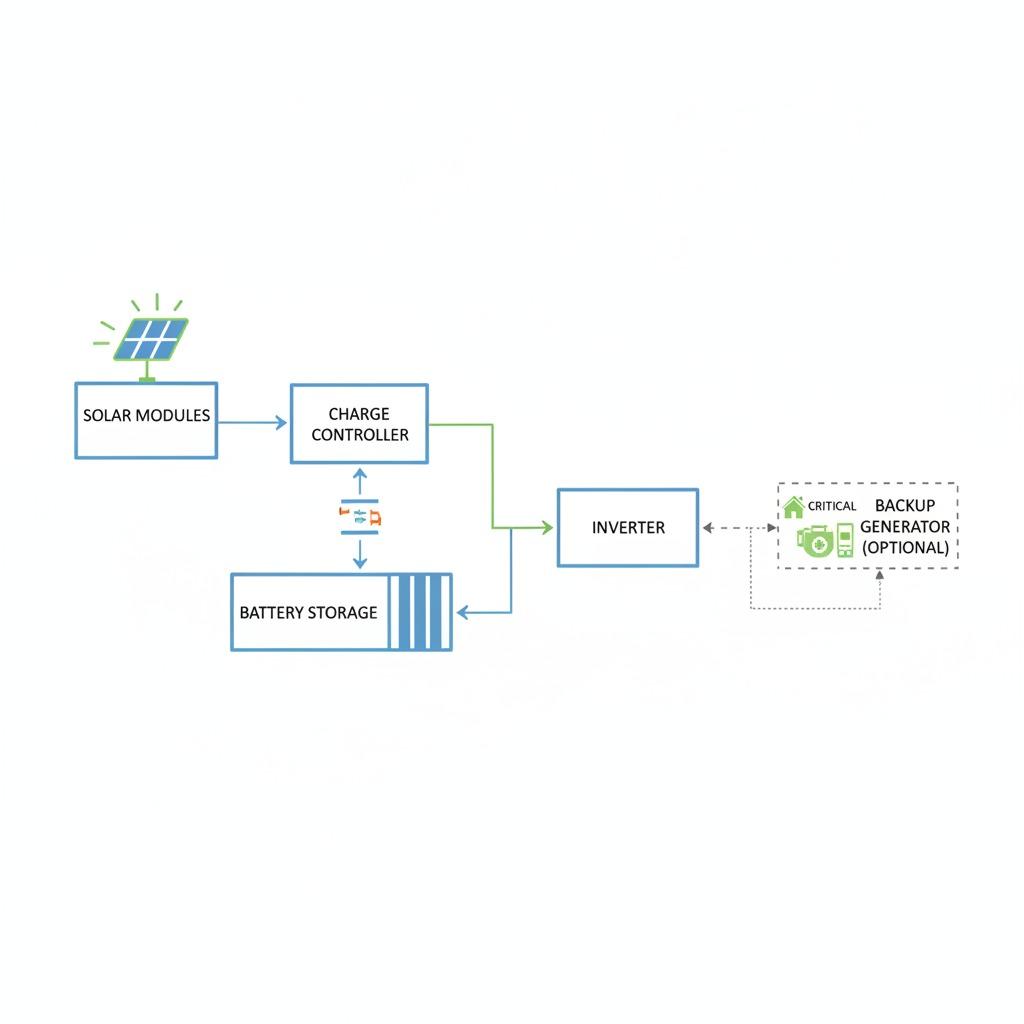
That makes the buying decision more than a catalog exercise. A battery storage package may be asked to do peak shaving, support renewable energy buffering, ride through outages, stabilize a microgrid, or protect an industrial facility from short interruptions that still cost real money. The right system design can improve continuity and lower operating pressure. The wrong one becomes a maintenance burden, or worse, a system that looks ready but does not fit the duty cycle.
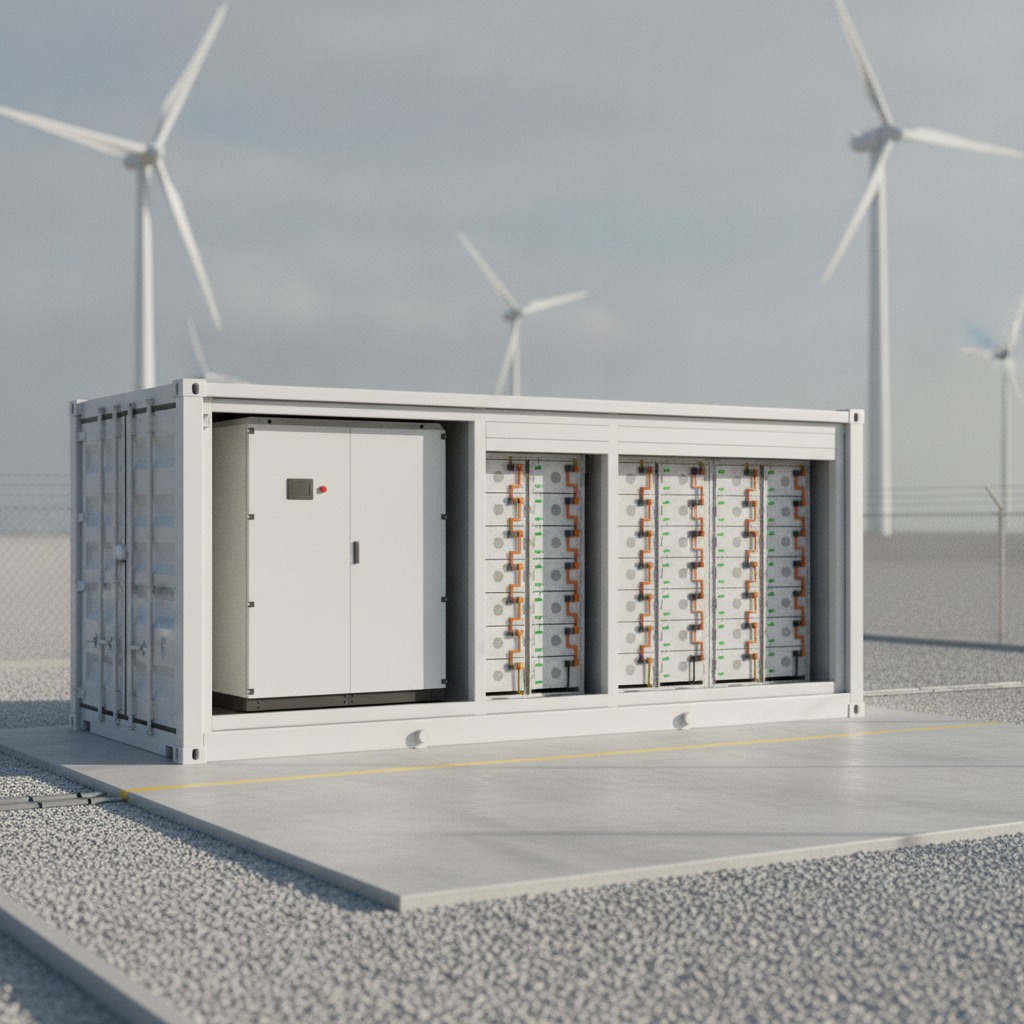
The product structure described here reflects a common industrial approach: a rectangular steel enclosure with a closed control bay on one side and multiple modular battery rack sections on the other. That layout is not decorative. It speaks to serviceability, separation of controls from storage modules, and the practical need to organize high-density power equipment in a way technicians can actually work on.
Quick Takeaways Before You Compare Systems
If you are evaluating a battery energy storage system for a plant, project, or utility-connected installation, a few points should rise to the top immediately.
The first is modularity. Systems built with repeated battery modules in rack assemblies are often easier to expand and maintain than monolithic packs. The second is enclosure design. A closed cabinet with a dedicated equipment compartment can make integration cleaner, but it also raises questions about accessibility, heat management, and internal layout. The third is system fit. Grid energy storage for peak shaving is not the same as backup power for a facility with sensitive equipment. One can tolerate a different response profile, dispatch pattern, or maintenance rhythm than the other.
The visible product form here suggests an industrial enclosure assembly rather than a consumer-style battery pack. That is useful because industrial buyers usually want a system that can be inspected, wired, and serviced without tearing down the entire installation.
Reading the Physical Layout: What the Cabinet Design Suggests
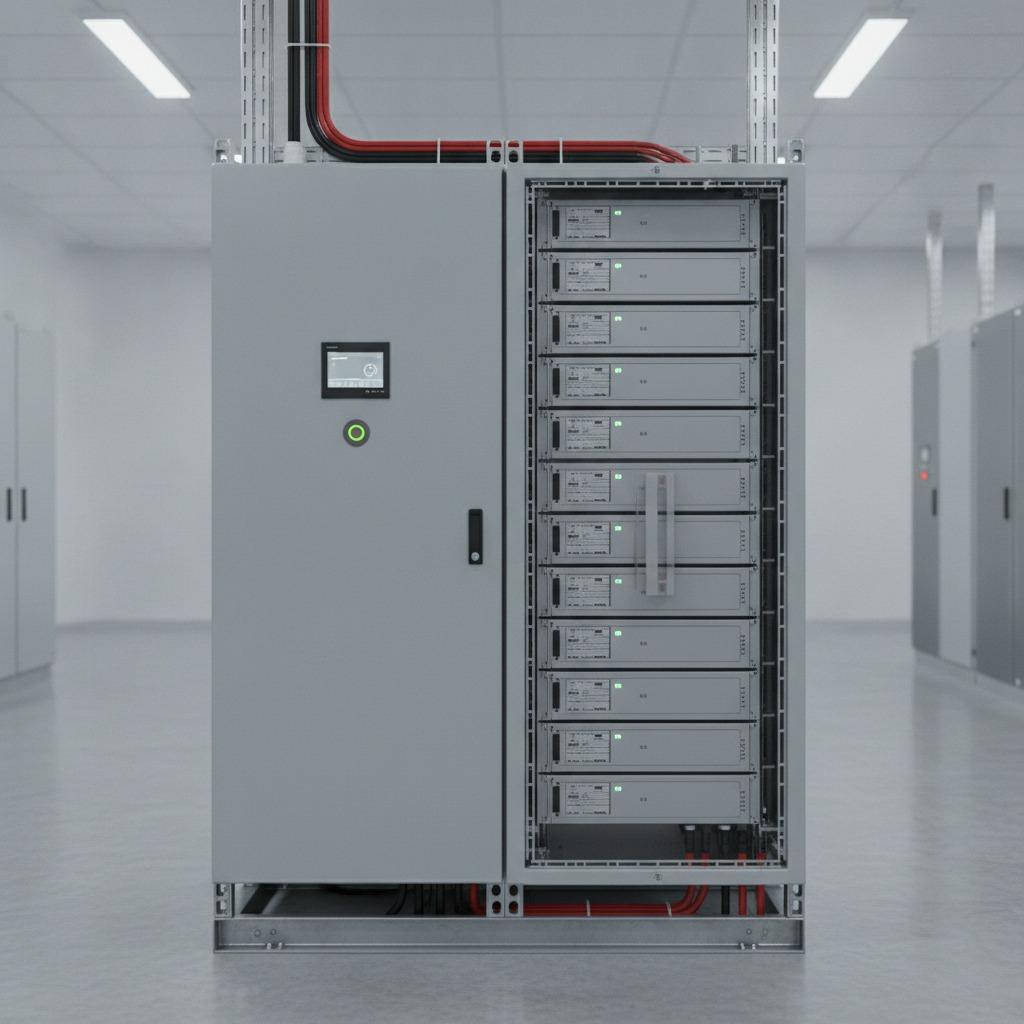
The image description points to a light gray outer frame, a dark internal bay on the left, and three vertical battery rack assemblies on the right. The left side appears to contain a closed cabinet with double doors, a small display or control panel, and a red indicator light. While the exact internal function is not confirmed, this type of bay commonly houses controls, BMS-related equipment, or power electronics in integrated storage products.
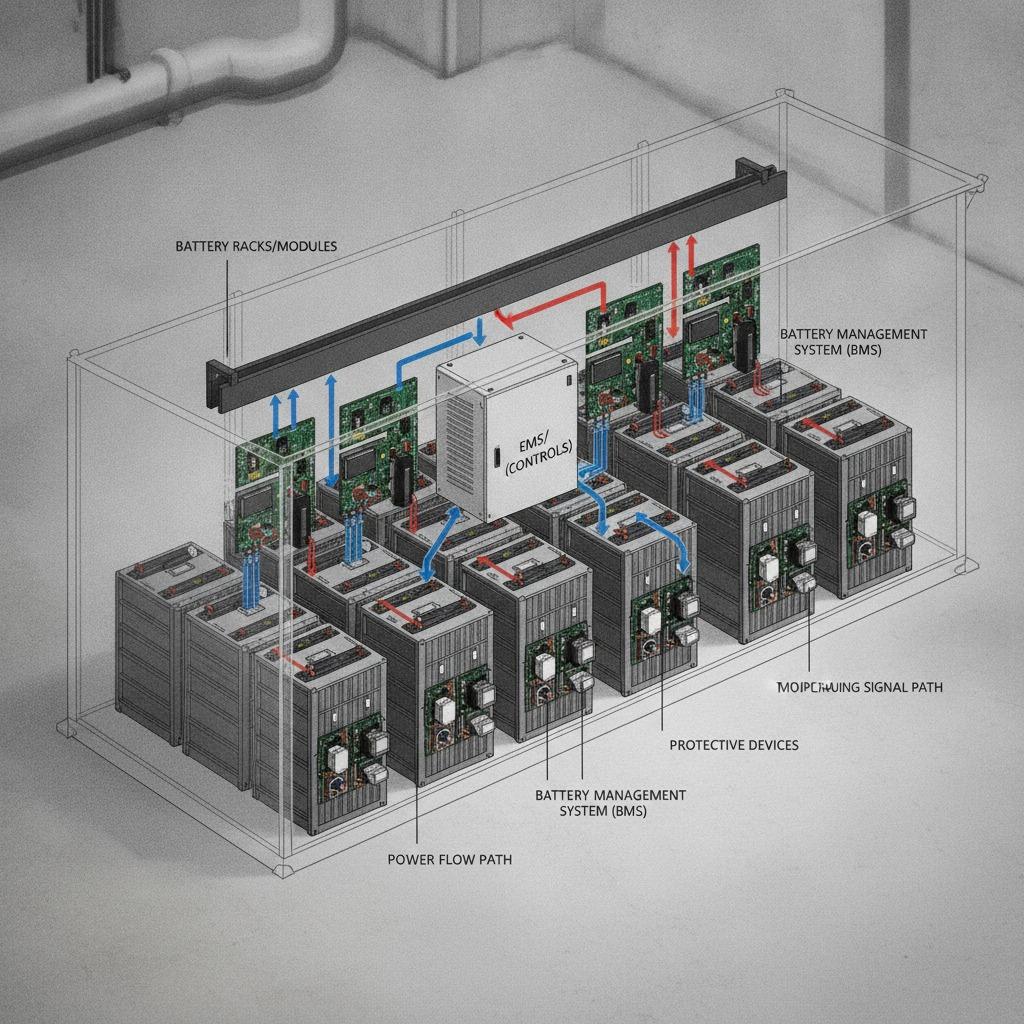
That split layout is worth noticing. By separating the control side from the battery rack side, the designer is usually trying to keep cable routing, maintenance access, and thermal organization under control. It also helps create a service path: technicians can inspect the control compartment without disturbing the battery modules, and vice versa. In a crowded industrial environment, that can save time during commissioning and reduce mistakes during routine service.
On the right, the rack assemblies show repeated modular units stacked in rows. The perforated faces, orange handle or latch features, green status indicators, and vertical routing path indicate a system designed around repeated installation and replacement. That matters for procurement. A system that uses standardized modules is often easier to support over its life, especially when the buyer expects phased expansion or partial replacement rather than a full swap.
Why Modularity Matters in Battery Storage
Modular battery architecture is one of the biggest practical shifts in industrial storage. It affects logistics, maintenance, and project risk.
From a sourcing perspective, modular racks can simplify spare parts planning. Instead of keeping one entire battery cabinet offline for service, a team may be able to work on a single module or row. From an engineering perspective, modularity can also help align capacity to load growth, especially when the final electrical demand is not yet fully fixed at the time of purchase.
There is a caution here, though. Modularity is not automatically a benefit if the supporting system is poorly coordinated. More modules can mean more interconnects, more monitoring points, and more opportunities for imbalance or wiring issues. Buyers should ask how the system handles module-level monitoring, fault isolation, and replacement procedures. A neat rack layout is useful, but only if the control architecture keeps pace with it.
Core Selection Criteria for Industrial Buyers
When comparing a battery storage system for industrial or grid-facing use, the decision should not stop at capacity. That number matters, of course, but it is only one part of the picture.
1. Duty cycle and use case
A system intended for peak shaving may cycle differently from one used for backup power or renewable smoothing. The best-fit design depends on how often the batteries will be charged and discharged, and how deep those cycles are expected to go.
2. Cabinet and rack accessibility
Look closely at whether the cabinet allows service access without disturbing adjacent equipment. The visible double-door control bay and grouped rack sections are encouraging from a maintenance standpoint, but buyers should still verify internal reach, cable pathways, and replacement workflow.
3. Control integration
The presence of a display/control panel suggests local visibility into system status. That is useful, but industrial buyers should still check how the system communicates with site controls, energy management software, or a supervisory platform. A clean enclosure is not the same thing as clean integration.
4. Environmental fit
Battery systems live or die by their operating environment. Ambient temperature, dust, vibration, and installation space all matter. The cabinet form factor may suggest protection, but the exact environmental rating is not provided here, so it should not be assumed.
5. Safety architecture
Every serious battery energy storage system needs a coherent safety story: monitoring, isolation, fault handling, and emergency response. Do not let a polished rack layout distract from the harder questions about protection logic and installation requirements.
Where These Systems Fit in the Real World
The most common use cases for grid energy storage and industrial battery systems are well known, but the details matter.
For renewable energy projects, storage can buffer variable output so the site dispatches power more predictably. For factories and large facilities, it can help with demand management and short-duration backup. For microgrids, it can provide stability when local generation and load need to be balanced quickly. In each case, the same physical product may look similar from the outside, yet the operating philosophy can be very different.
That is why the visible combination of enclosure, control bay, and modular rack structure is important. It suggests a system built for managed deployment rather than loose component assembly. For many buyers, that is exactly what they want: something that arrives as an integrated electrical package, not a collection of parts that still need a lot of field interpretation.
Common Buyer Mistakes
One common mistake is treating every battery storage project like a capacity purchase. The result is a system that may have enough stored energy on paper but lacks the control behavior, service design, or layout needed for the site.
Another mistake is ignoring maintenance access. In industrial environments, a system is not judged only on first installation. It is judged on what happens six months later when one module needs attention and the site is still running.
A third mistake is overlooking the interface between the battery cabinet and the rest of the electrical system. The visible control bay hints at integration, but buyers should still confirm how the system connects to upstream and downstream equipment, what monitoring is available, and how alarms are handled.
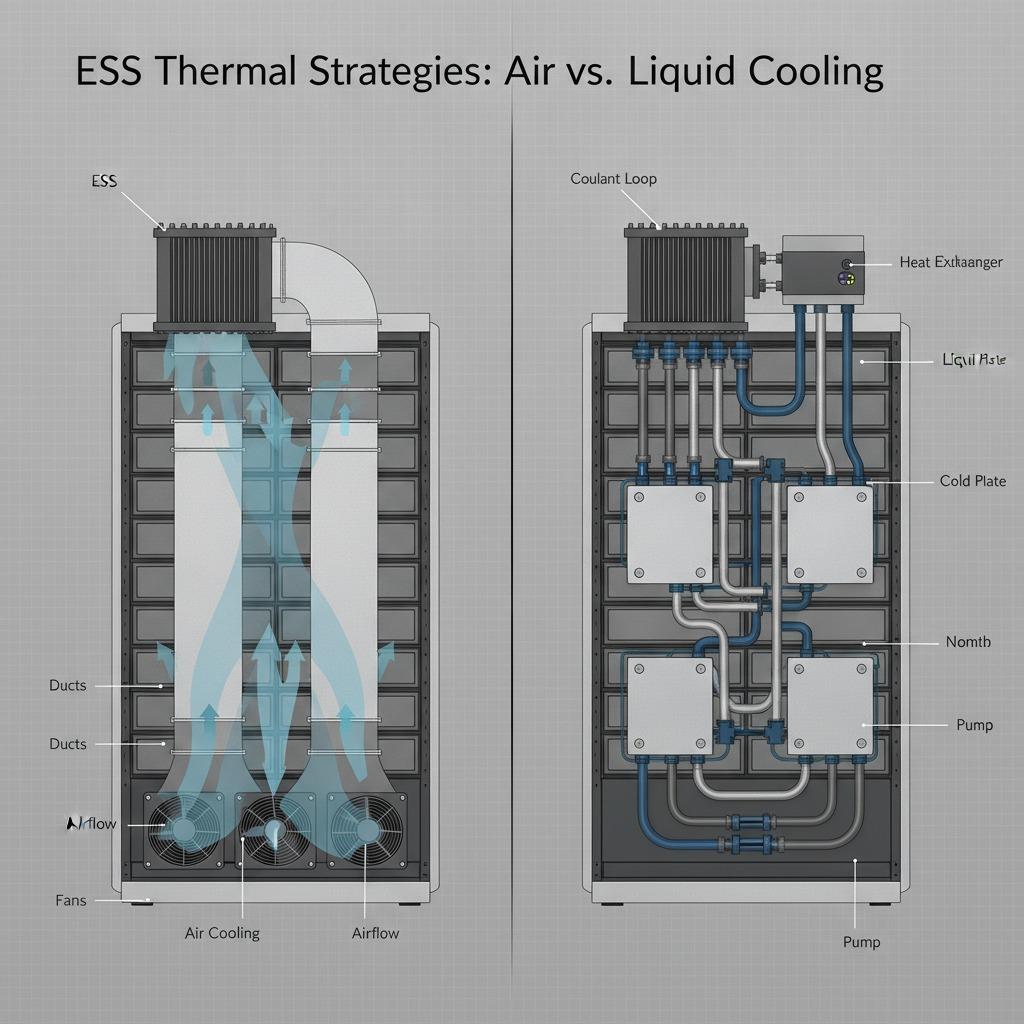
There is also a subtle but important trap: assuming that a similar-looking rack means a similar-performing system. In storage, appearance can be misleading. The chemistry, control logic, protection design, and thermal strategy can vary widely, and those details often define the real value of the installation.
Practical Questions to Ask Suppliers
Before moving forward on an energy storage battery system, ask questions that force the supplier to explain the system as a working asset, not just a product image.
What is the intended application: backup, peak shaving, renewable buffering, or microgrid support?
How is the module architecture arranged, and can individual modules be serviced without disassembling the entire rack?
What does the control compartment manage, and how is system status displayed locally?
How does the installation support monitoring, alarms, and maintenance access?
What environmental conditions is the enclosure designed for, and what assumptions are being made about the site?
Those questions are basic, but they cut through a lot of vague sales language. If the supplier cannot answer them clearly, the project probably needs more engineering review.
FAQ
Is this the same as a battery energy storage system?
Yes, that phrase is commonly used for the broader category. The exact architecture can vary, but the basic purpose is to store electrical energy and release it when needed.
Can this type of cabinet be used for grid energy storage?
Potentially, yes. The physical configuration described is consistent with industrial storage applications, but the final suitability depends on the electrical design, controls, safety features, and project requirements.
Does the visible layout tell us the battery chemistry?
No. The chemistry is not visible here, so it should not be guessed. Buyers should confirm that directly with the supplier.
A Better Way to Evaluate the Next System
If you are sourcing an energy storage battery system, start with the job it has to do, then work backward through the cabinet design, service access, control integration, and site constraints. The best system is not always the largest or the most feature-heavy. It is the one that fits the operating reality of the plant, the grid interconnection, and the maintenance crew that will live with it after commissioning.
For teams comparing industrial enclosure assemblies like the modular cabinet described here, the next step is usually a technical review of the system layout, interface requirements, and integration scope. Ask for the electrical architecture, confirm the role of the control compartment, and verify how the modular racks are meant to be serviced. That is where the useful differences show up.