
What “energy storage system disconnecting” really means on site
Energy storage system disconnecting is one of those phrases that sounds simple until you have a containerized battery yard, a control room, and a maintenance crew all depending on the same sequence going right. In practice, it covers the steps used to isolate a battery energy storage system from loads, inverters, auxiliary circuits, and sometimes the grid itself so that work can happen safely or the plant can be taken offline without a hard fault.
For engineers, sourcing managers, and operations teams, the real question is not whether a system can be switched off. It is how it shuts down, who can do it, what happens to stored energy, and whether the process protects people, equipment, and uptime. That matters even more in modular containerized installations, where several enclosure modules may sit on a common pad with shared access, shared cables, and shared operational risk.
Why shutdown planning matters more than the label on the door
A battery energy storage disconnection is not the same as turning off a light switch. Stored energy remains in the DC side, control circuits may stay live longer than expected, and depending on the architecture, some auxiliary systems may need orderly power-down before the main isolation point is opened. If a site is built from multiple container modules, the shutdown sequence may also need to account for neighboring units that remain energized.
That is why buyers should ask for the shutdown logic early, not after delivery. A neat enclosure and a clean containerized layout are useful, but they do not tell you whether maintenance access is straightforward, whether emergency isolation is clearly marked, or whether operators can disconnect one module without bringing down the entire plant. Those are the details that affect downtime and safety in the field.
Quick reference: what a practical shutdown sequence usually includes
A sensible ESS shutdown procedure generally follows the same broad logic, even if the exact equipment differs by project:
First, the operating state is reduced through the control system so the site is no longer charging or discharging under load.
Next, the power conversion equipment and auxiliary circuits are placed in a safe state according to site procedure.
Then the relevant disconnecting points are opened in the correct order so stored energy paths are isolated.
Finally, the team verifies that the system is in a zero-energy or controlled-energy condition before physical maintenance begins.
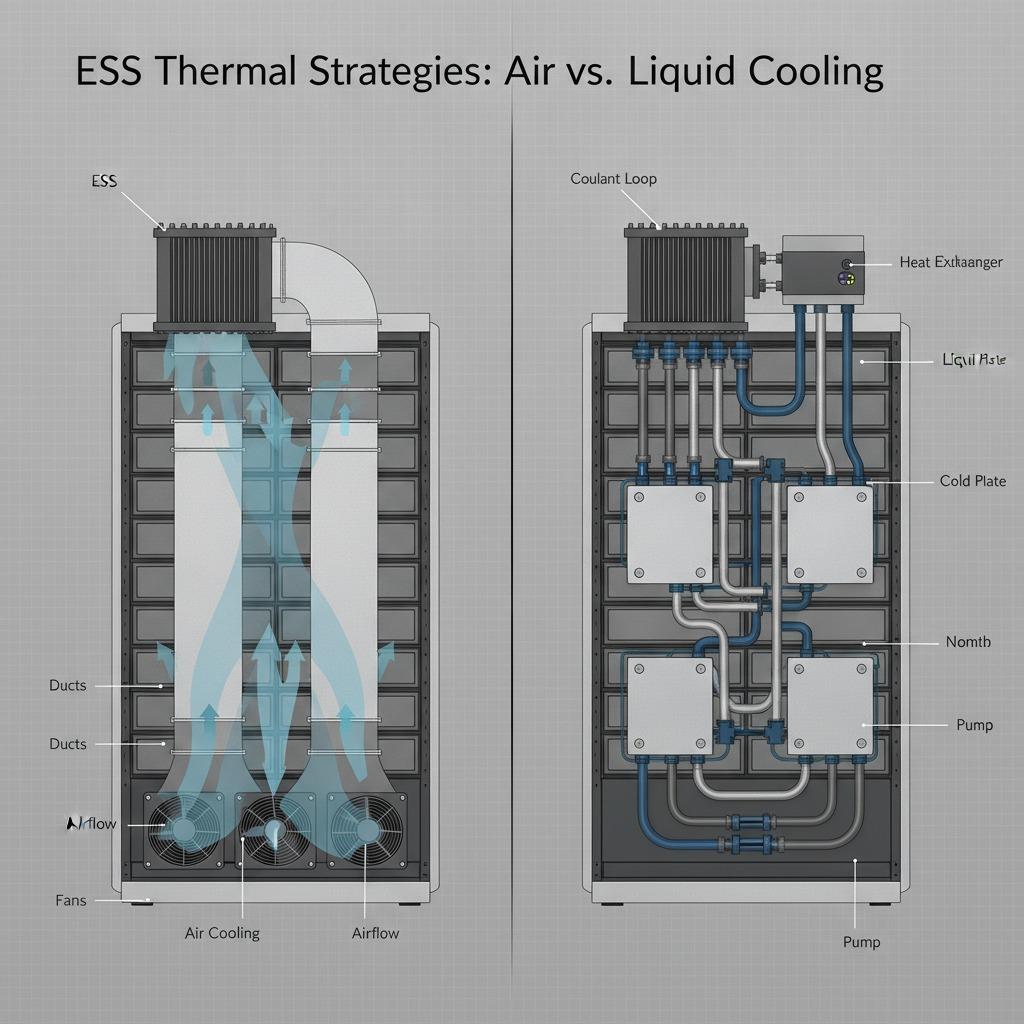
That sounds procedural, but the sequence matters. Skip a step and you risk nuisance trips at best, or a dangerous surprise at worst. In a modular installation, the risk is higher because technicians may assume one container is independent when it is actually tied into a shared communication, cooling, or electrical backbone.
What to look for in a containerized storage site
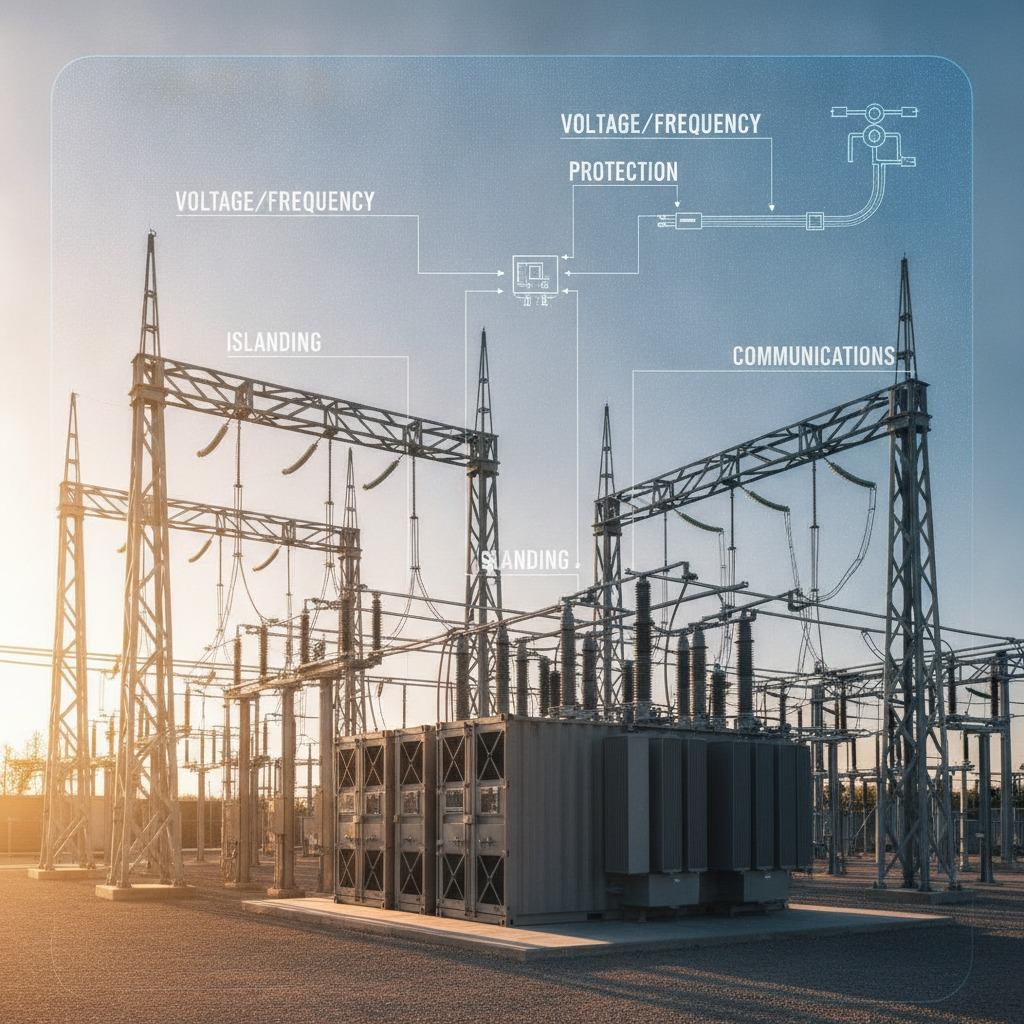
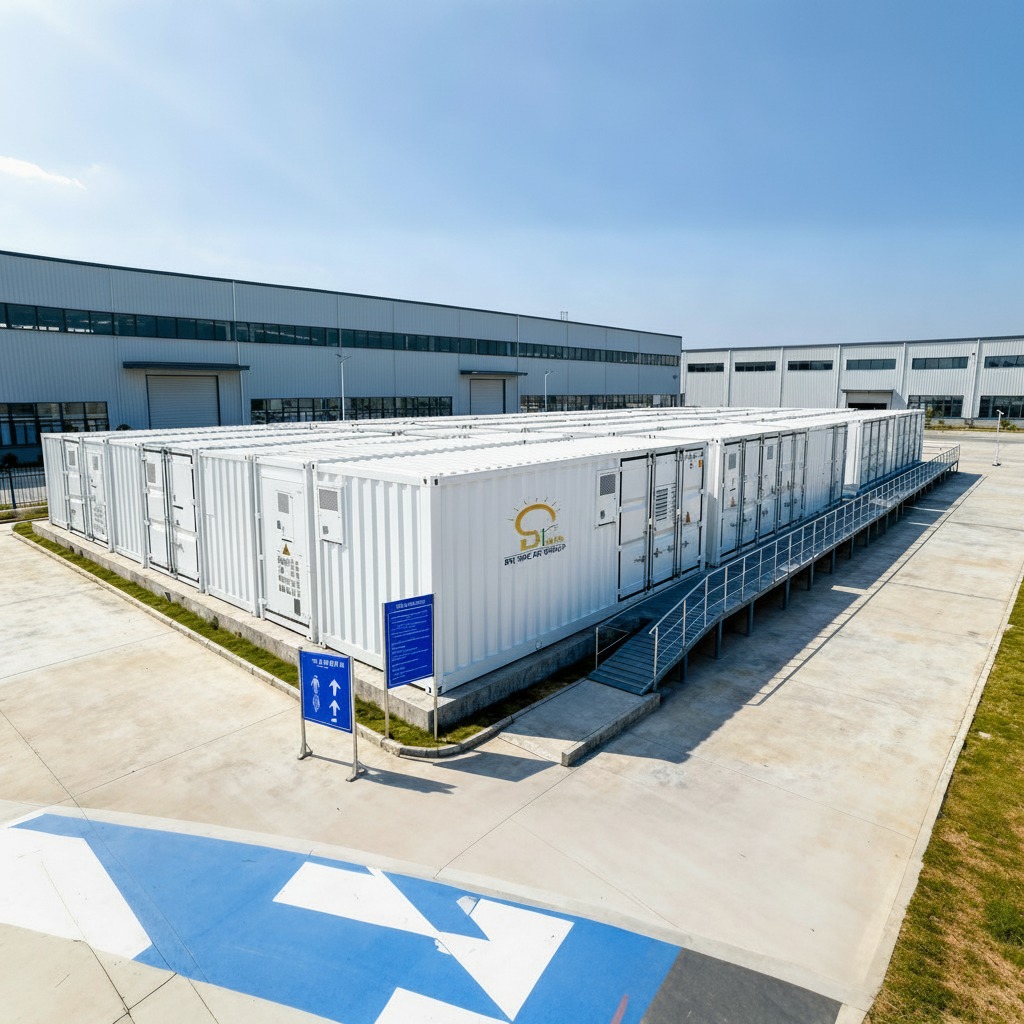
The product format described here is a modular, containerized energy storage installation with multiple long steel enclosures arranged on a raised concrete pad. That layout usually points to utility-scale or commercial and industrial use, where scalability and service access matter as much as nameplate capacity.
From a buyer’s point of view, a few physical details are worth noticing because they affect disconnection and maintenance planning:
The repeated container modules suggest the system can be isolated by section, which is preferable when one unit needs service while the rest remain operational.
The service walkway and railings indicate maintenance access was part of the site design, which is a good sign for safe shutdown and inspection.
Visible doors, vents, and access panels imply routine inspection points, though they do not reveal the internal battery chemistry or electrical architecture.
The raised concrete foundation helps keep the equipment organized and accessible, but it also means the shutdown path should be coordinated with site access control and lockout/tagout practice.
A practical warning here: outdoor containerized storage is often sold as “turnkey,” but the shutdown design is not always turnkey in the same sense. Some projects rely heavily on the integrator’s documentation and local operator training. If that paperwork is thin, the site may look complete while still being awkward to disconnect safely.
Battery energy storage disconnection: the buyer questions that matter
Before you approve a system, ask questions that go beyond standard product brochures. A procurement team may be focused on footprint, modularity, and delivery schedule, but operations will live with the shutdown process every month for years.
Start with the basics:
How is the system isolated for planned maintenance?
Can a single container be disconnected without shutting down the full array?
What alarms or interlocks prevent accidental shutdown under load?
Which steps are performed by software, and which require manual switching?
Is there a clearly defined emergency stop or emergency isolation method?
Who is authorized to perform the ESS shutdown procedure, and what training is required?
The answers should be specific. Vague answers such as “standard industry practice” are not enough when there are multiple container modules, shared cable routes, and site-specific operating rules. If the supplier cannot describe the process in plain language, that is usually a signal to slow down.
Common mistakes during shutdown and maintenance
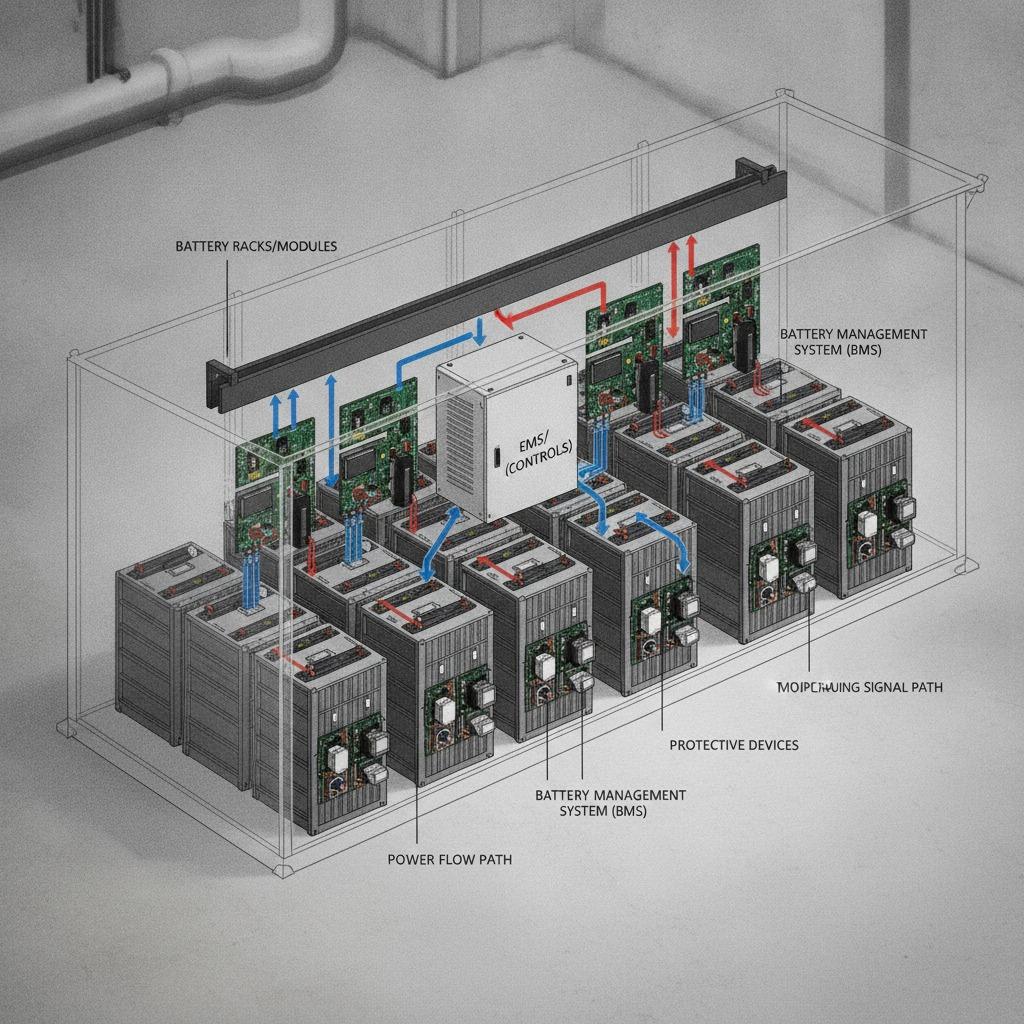
One common mistake is treating the battery containers like isolated islands. In reality, a multi-container site often has common controls, shared auxiliary systems, or networked monitoring that can keep parts of the plant active even after one enclosure is opened.
Another mistake is failing to document the sequence in the language used by the site crew. A polished commissioning package is not much use if the actual operators cannot follow it under pressure. This is especially true for temporary or remote power infrastructure, where staff may rotate and a lot of knowledge lives in one or two people’s heads.
A third mistake is ignoring access and housekeeping. The best disconnection procedure in the world becomes clumsy if the walkway is blocked, the panel labels are hard to read, or maintenance hardware is tucked behind a congested service path. Small things, yes, but those are the things crews remember when the weather turns bad or the schedule slips.
How modular containerized systems change the shutdown conversation
Modular containerized systems are attractive because they scale well. Add more containers, add more storage. But that same modularity can complicate isolation if the system is not designed with maintenance in mind.
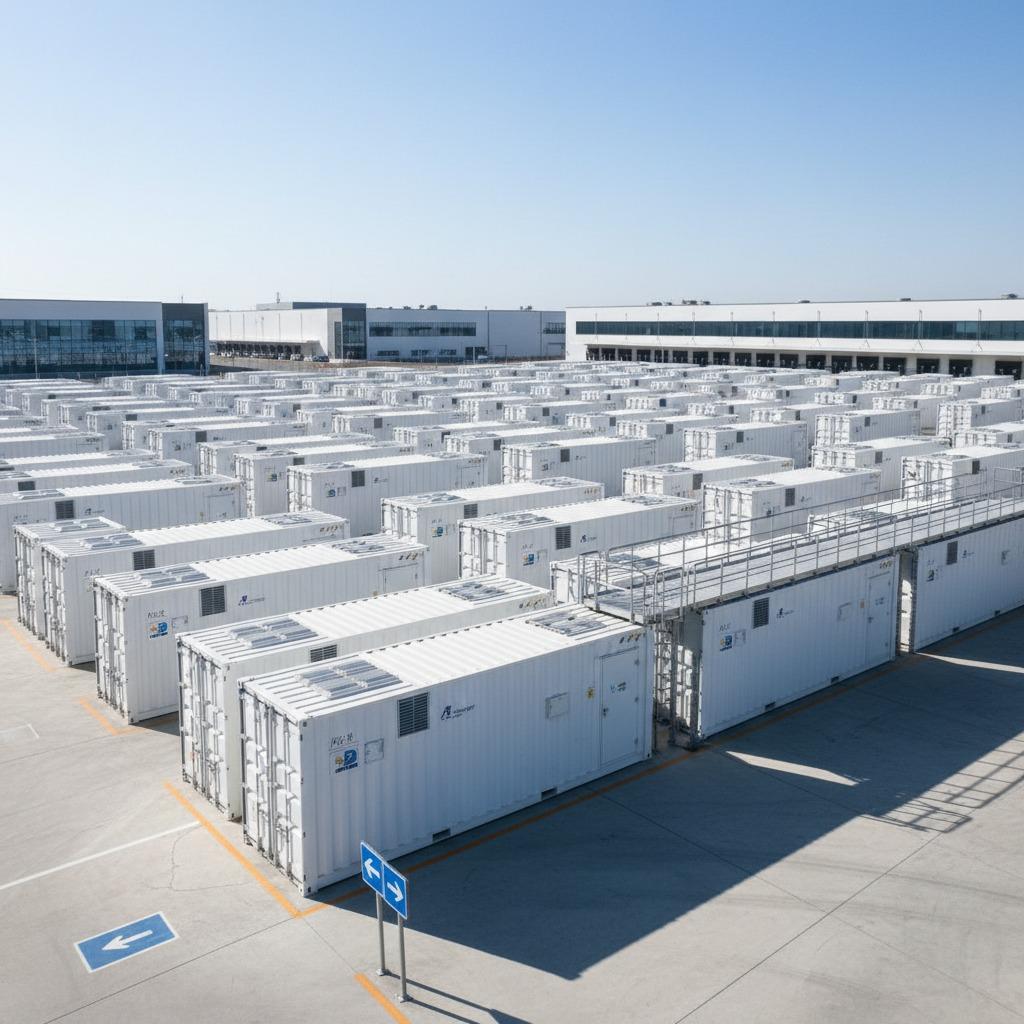
For example, a linear array of containers on a shared pad can be easy to expand, but the site still needs clear separation of electrical, mechanical, and control functions. A buyer should want to know whether the site can shut down at the module level, whether there are independent access points, and how the emergency process is handled when several units are installed side by side.
This is where engineers and sourcing teams should think beyond capacity and look at operability. A site that is easy to disconnect may have slightly more upfront design discipline: better labels, more deliberate cable routing, more thought given to access and lockout points. That discipline rarely shows up in marketing photos, but it pays off after commissioning.
Practical selection criteria for engineers and procurement teams
If you are comparing suppliers or system integrators, use disconnection readiness as part of the evaluation. It is a useful proxy for overall engineering maturity.
Look for clear maintenance isolation points.
Ask for shutdown logic and operator responsibilities in writing.
Check whether the container layout allows safe access around each module.
Confirm that emergency procedures are aligned with the site’s actual staffing model.
Review whether signage, access control, and walkway design support field work rather than just satisfying drawings.
Pay attention to how the supplier explains what is not included. That may sound minor, but it is often where risk hides. If the internal battery configuration, fire protection details, or inverter interface are not part of the visible scope, then the shutdown method may depend on third-party equipment or local integration work.
FAQ: short answers for busy project teams
Is “disconnecting” the same as “shutting down”?
Not exactly. Shutdown is the broader operational process. Disconnecting is the act of isolating the system electrically or functionally at the right points.
Can a single container be disconnected in a multi-unit ESS?
Often yes, but only if the site architecture was built for that. Shared controls or shared auxiliary systems can change the answer.
Why does access design matter so much?
Because safe disconnection depends on reaching the right equipment without crowding, confusion, or blocked egress. Good access is not a cosmetic feature.
Should buyers ask for the full ESS shutdown procedure?
Yes. At minimum, they should review the sequence, the responsibility matrix, and any interlocks or manual overrides that affect safety.
What a good next step looks like
If you are evaluating a battery storage project, request the shutdown and isolation documentation alongside the electrical single-line, site layout, and maintenance access plan. That will tell you more about the real quality of the installation than a brochure ever will.
For modular systems in containerized form, the question is not simply whether the unit stores energy. It is whether the site can be disconnected cleanly, inspected safely, and returned to service without guesswork. That is the difference between a power asset and a maintenance headache.