

Understanding the Energy Storage System: A Cornerstone of Modern Energy Solutions
In today's rapidly evolving energy landscape, the Energy Storage System stands as a pivotal technology enabling the transition to sustainable power. An Energy Storage System captures energy from various sources and stores it for later use, addressing intermittency issues inherent in renewable sources like solar and wind. This innovation is crucial for balancing supply and demand, ensuring grid stability, and reducing reliance on fossil fuels. As global energy demands grow, integrating such systems becomes essential for efficient power management and environmental conservation.
The Role of Renewable Energy Storage in Sustainable Development
Renewable Energy Storage plays a vital role in harnessing the full potential of clean energy sources. Unlike traditional power generation, renewables such as solar and wind are variable, producing energy only when conditions are favorable. Renewable Energy Storage solutions, often involving batteries or pumped hydro, store excess energy during peak production times and release it during shortages. This capability not only maximizes the utilization of renewable resources but also mitigates the need for backup fossil fuel plants, thereby lowering carbon emissions.
One prominent example of Renewable Energy Storage is the use of lithium-ion batteries in large-scale solar farms. These systems charge during daylight hours when solar panels generate surplus power and discharge at night or during cloudy periods. By smoothing out these fluctuations, Renewable Energy Storage enhances the reliability of renewable integration into the grid. Furthermore, advancements in material science are improving the efficiency and cost-effectiveness of these storage methods, making them accessible for both utility-scale projects and residential applications.
The economic benefits of Renewable Energy Storage are equally compelling. By storing energy when prices are low and selling it back to the grid during high-demand periods, operators can achieve significant cost savings. This arbitrage model incentivizes investment in renewables, fostering a more resilient and decentralized energy infrastructure. As policies worldwide promote clean energy adoption, the demand for robust Renewable Energy Storage solutions continues to surge, driving innovation and job creation in the sector.
Exploring Electricity Storage Technologies: Innovations and Applications
Electricity Storage Technologies encompass a diverse array of methods designed to capture, store, and dispatch electrical energy efficiently. From electrochemical batteries to mechanical systems like flywheels and compressed air, these technologies address different scales and use cases. At the forefront are advanced battery systems, which dominate due to their high energy density and rapid response times. Electricity Storage Technologies are evolving rapidly, with research focusing on solid-state batteries and flow batteries to overcome limitations like degradation and safety concerns.
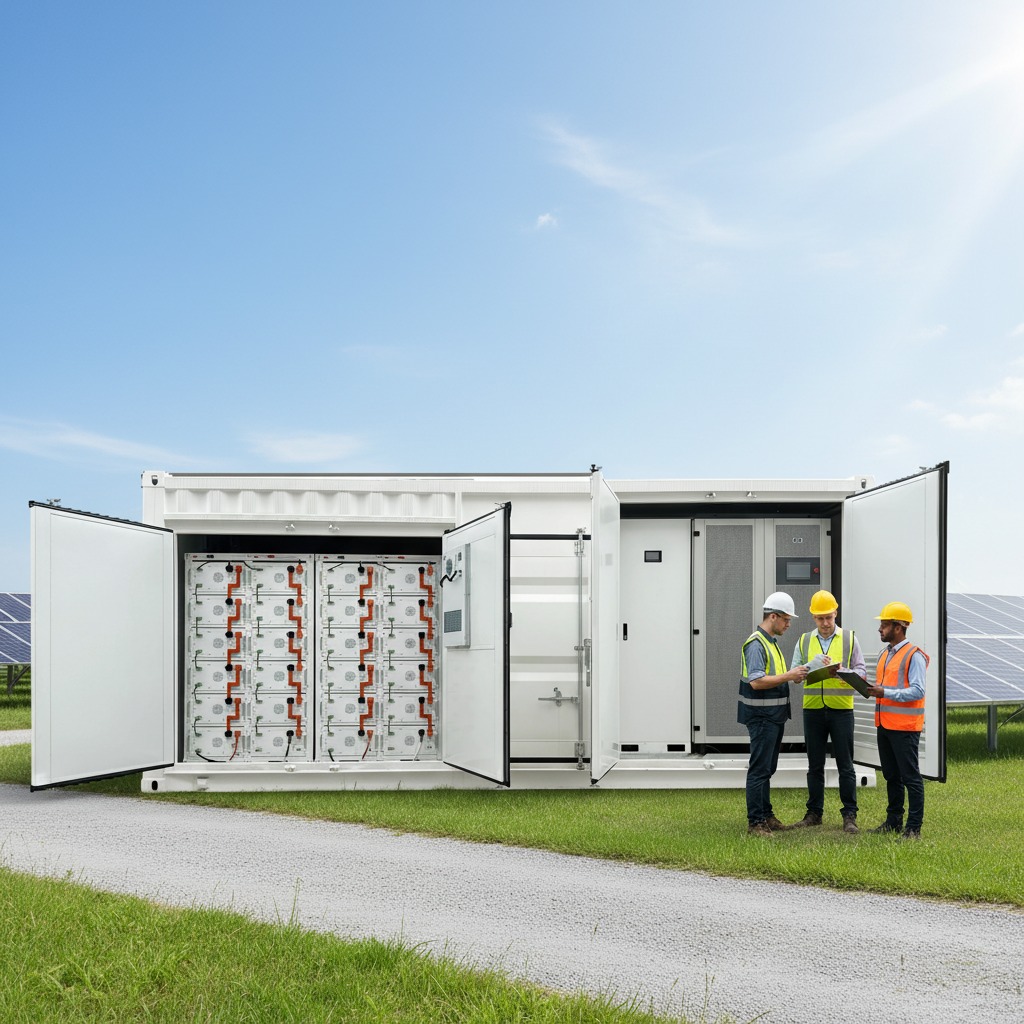
A key innovation in Electricity Storage Technologies is the modular containerized design, such as those encapsulated in a 20-foot GP unit. This setup features robust battery packs with advanced management systems for safety and longevity. The modular nature allows scalability, enabling users to configure the system to match specific energy needs, whether for peak shaving in industrial settings or backup power in remote locations. Complementing the batteries, sophisticated power control systems with state-of-the-art inverters ensure seamless grid compatibility and precise energy conversion.
These Electricity Storage Technologies are particularly suited for renewable integration, where they store intermittent power and release it on demand. For instance, in a wind farm, excess electricity generated during gusty nights can be stored and used during calm days, optimizing overall output. The weatherproof encapsulation of these units ensures durability in harsh environments, from arid deserts to coastal areas prone to corrosion. Additionally, user-friendly interfaces simplify monitoring and operation, reducing maintenance costs and enhancing reliability.
Beyond renewables, Electricity Storage Technologies support microgrids and off-grid communities by providing consistent power without infrastructure overhauls. In urban settings, they enable demand response programs, where stored energy helps manage peak loads and prevents blackouts. As these technologies mature, their integration with smart grids—using AI for predictive analytics—will further revolutionize energy distribution, making it more intelligent and adaptive.
Advantages and Future Prospects of Energy Storage Systems
The advantages of an Energy Storage System extend far beyond basic storage, offering multifaceted benefits to energy users and the broader ecosystem. Primarily, it enhances grid resilience by providing instantaneous power during outages, acting as a reliable backup. This is especially critical in regions prone to natural disasters, where traditional grids may fail. Moreover, Energy Storage Systems facilitate the decentralization of power generation, empowering consumers to produce and store their own energy through rooftop solar paired with home batteries.
Efficiency is another hallmark of modern Energy Storage Systems. With round-trip efficiencies exceeding 90% in leading battery technologies, minimal energy is lost in the storage process. This high efficiency, combined with decreasing costs—driven by economies of scale and recycling initiatives—makes Energy Storage Systems increasingly viable. For businesses, they enable peak shaving, reducing electricity bills by shifting usage away from expensive peak hours. Environmentally, widespread adoption could slash global greenhouse gas emissions by optimizing renewable penetration and minimizing waste.
Looking ahead, the future of Energy Storage Systems is bright, with ongoing research into emerging technologies like sodium-ion batteries and hydrogen storage. These alternatives promise to reduce dependency on rare materials, lowering costs and environmental impacts. Hybrid systems combining multiple Electricity Storage Technologies, such as batteries with supercapacitors, will offer even greater flexibility for applications ranging from electric vehicles to large-scale grids. As international collaborations accelerate, Energy Storage Systems will be instrumental in achieving net-zero targets, paving the way for a sustainable energy future.
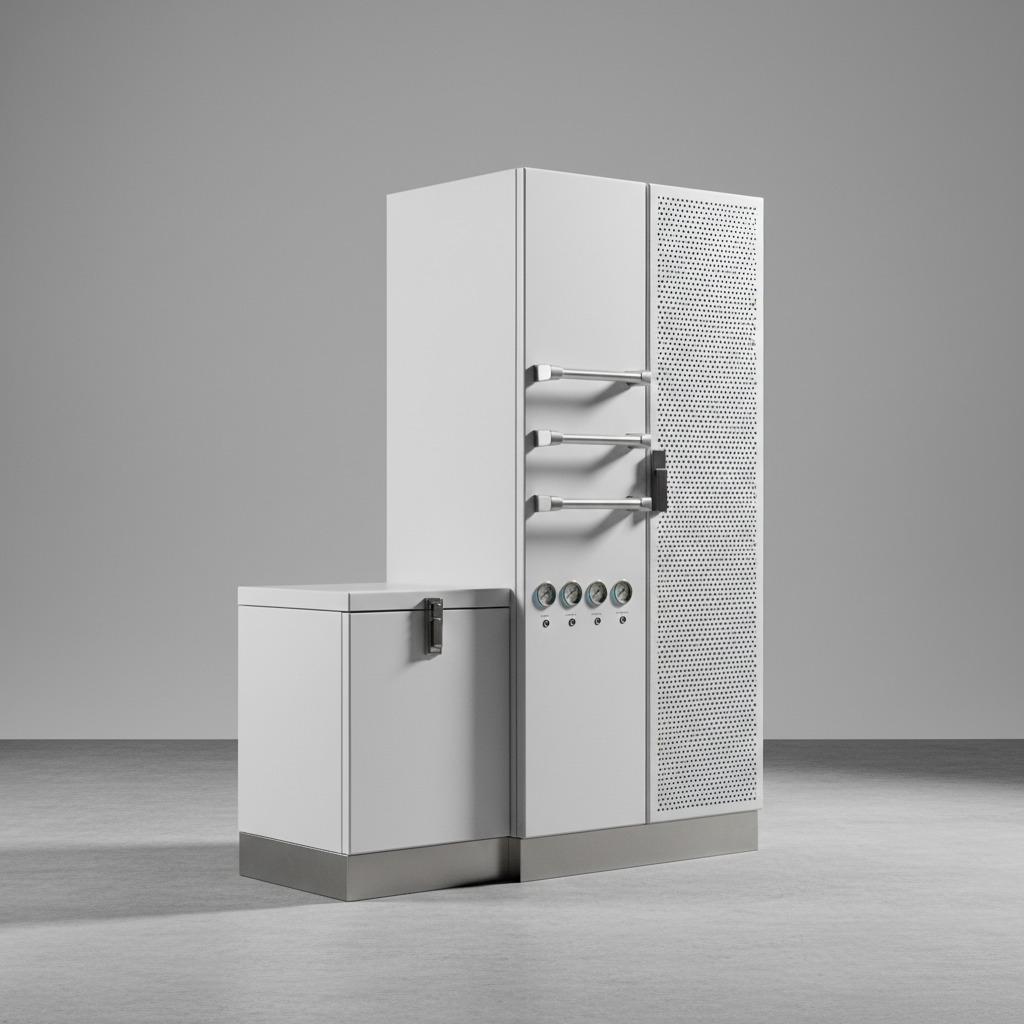
In industrial contexts, complementary solutions like modular electrical cabinets enhance the deployment of Energy Storage Systems. These cabinets, with their robust construction and advanced cooling, house control electronics securely, ensuring optimal performance in demanding environments. Their adaptability supports seamless integration into energy management setups, telecommunications, or automation, underscoring the holistic approach to modern power infrastructure.
Ultimately, the synergy between Renewable Energy Storage, Electricity Storage Technologies, and innovative Energy Storage Systems positions us to overcome current energy challenges. By investing in these technologies, stakeholders can drive efficiency, sustainability, and economic growth, ensuring a powered tomorrow that is both reliable and green.






