
What the latest energy storage system news is really telling buyers
The pace of energy storage system news has become hard to ignore, but the value for engineers and sourcing teams is not in the headlines themselves. It is in the pattern behind them: more solar-plus-storage sites, more containerized battery enclosures, more attention to cooling, controls, and how these assets fit into industrial power demand. A project that looks simple from the outside often hides the real procurement questions inside it—how the system handles heat, how it is maintained, and what role it plays in a plant’s wider power strategy.
For anyone evaluating a battery-backed solar site, the decision is rarely about whether storage is useful. It is about which architecture makes sense, which vendor claims deserve scrutiny, and which details can quietly drive lifecycle cost. That is where current battery energy storage updates are most useful. They show what is being built, but they also reveal what buyers should ask before signing off on a similar project.
A quick read on what matters most
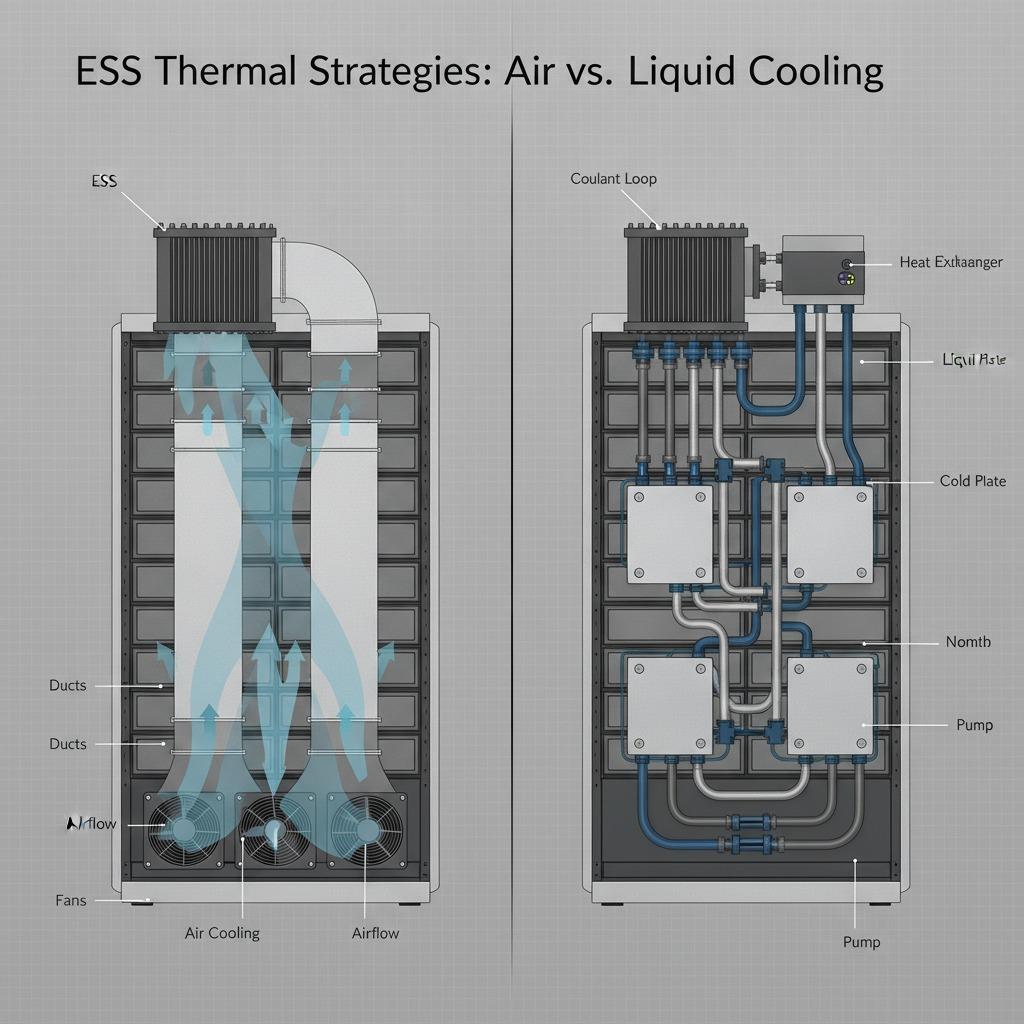
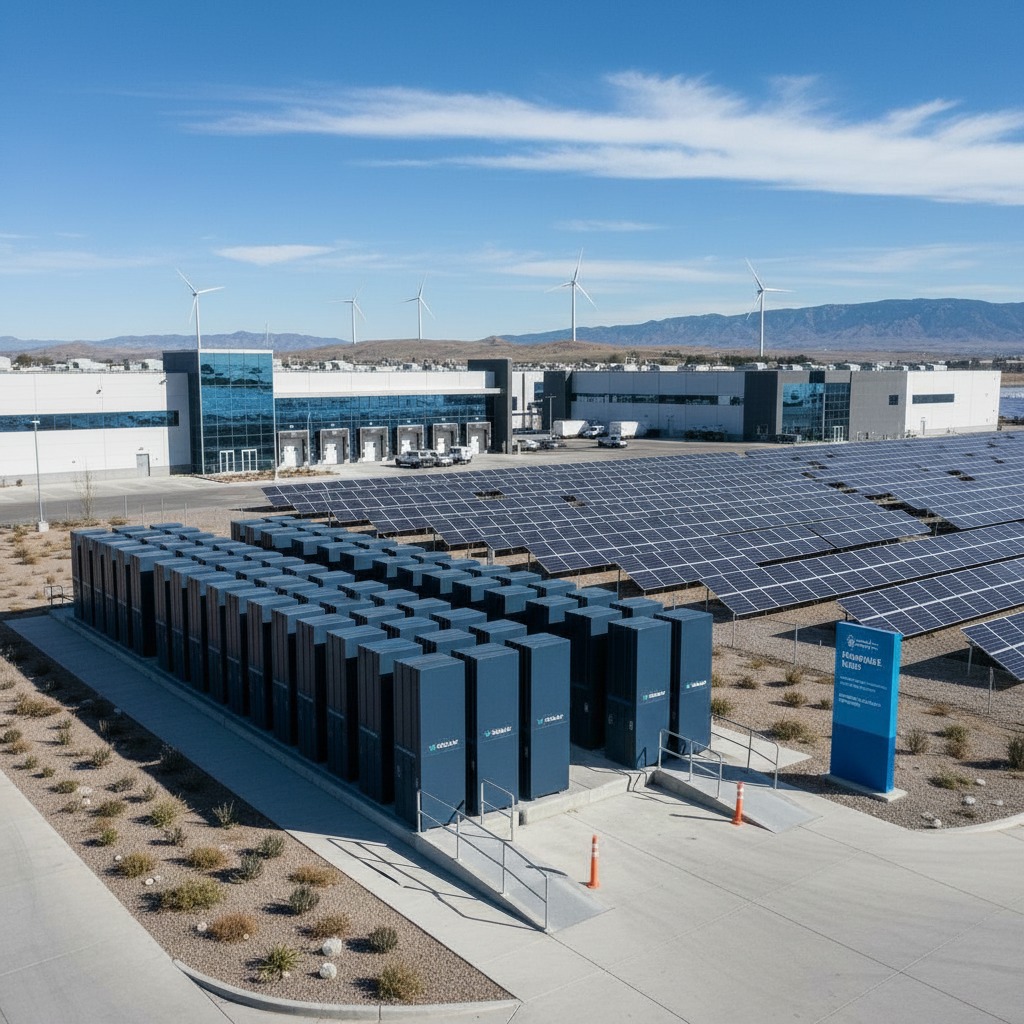
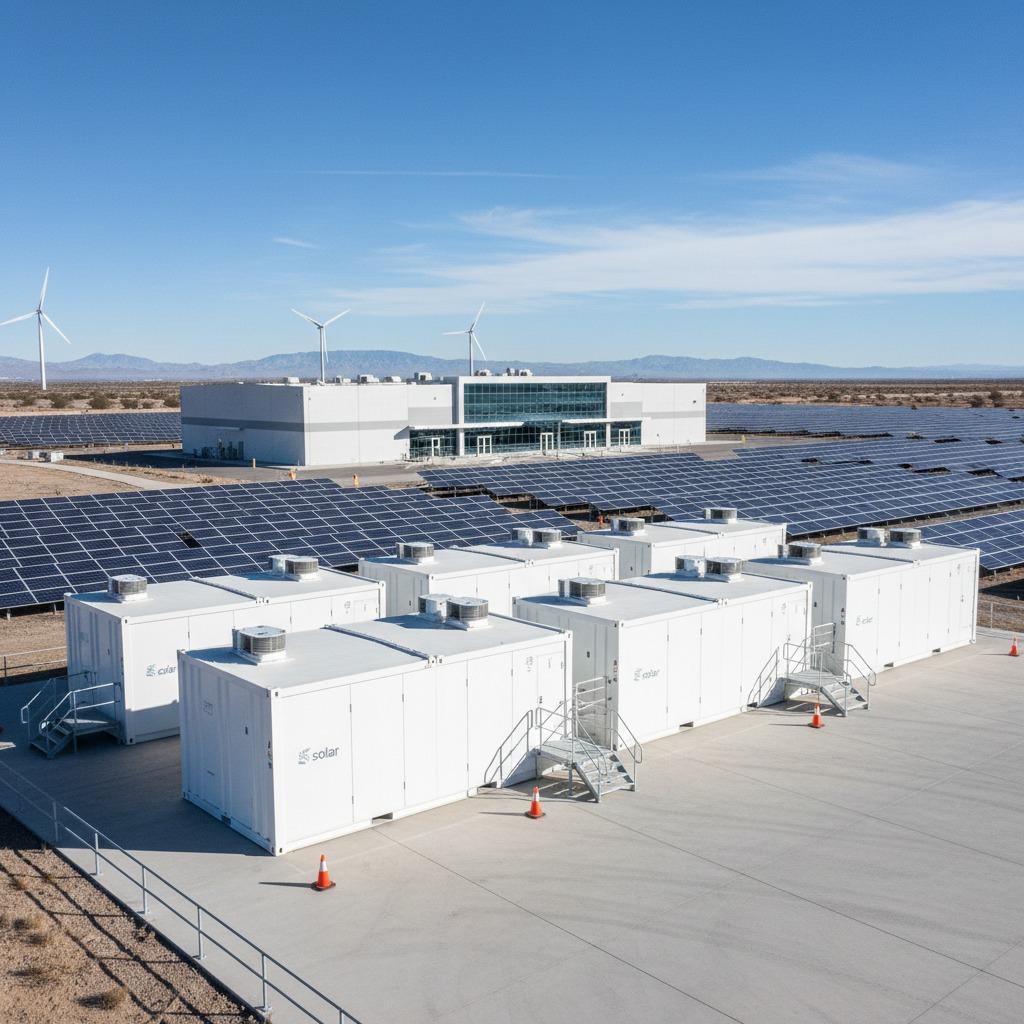
A site that combines a large ground-mounted solar PV array with modular storage containers tells you a few things immediately. First, utility-scale or industrial-scale storage is increasingly being designed as a physical system, not just an electrical one. Access lanes, safety railings, paved approaches, and service clearances are part of the package. Second, thermal management is visible and important. Roof-mounted cooling fans or HVAC units on containerized enclosures are not a detail to skim past; they are often central to uptime, battery health, and maintenance planning.
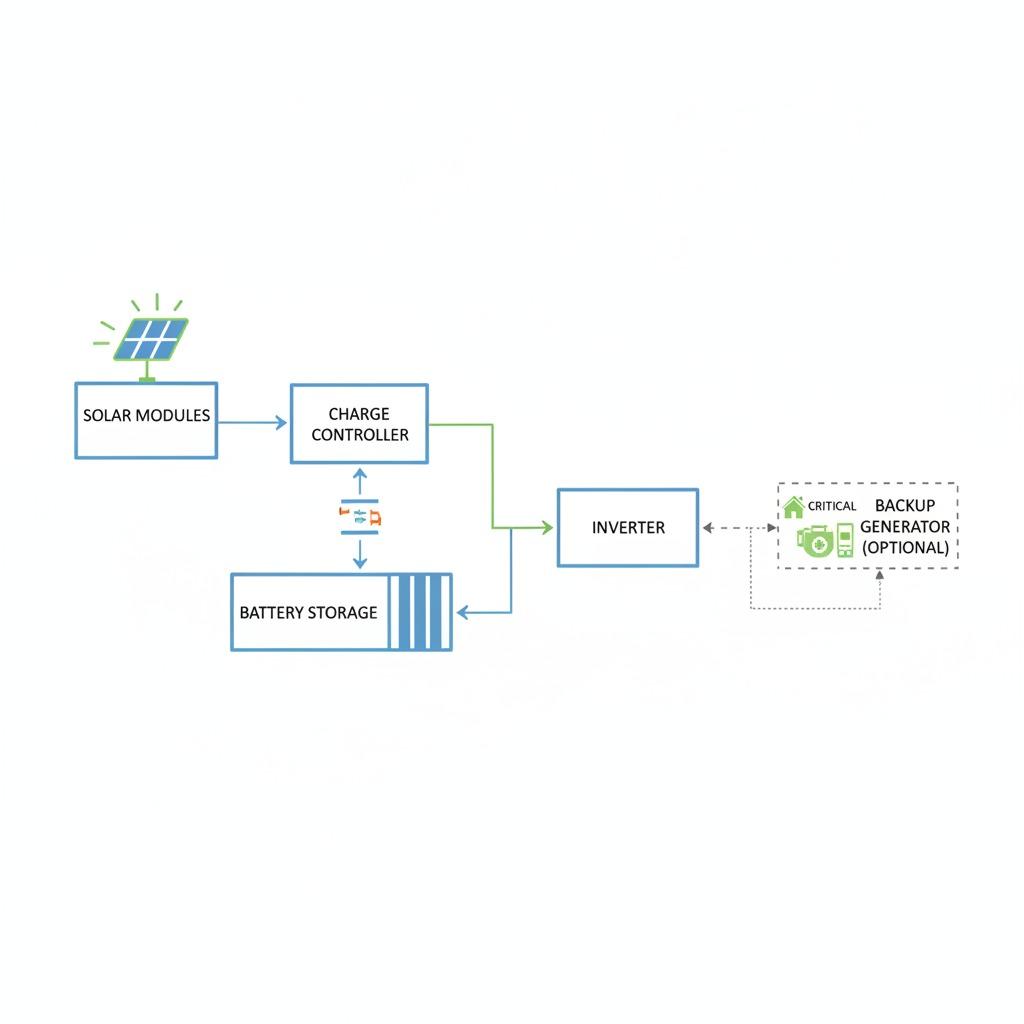
There is also a practical shift in how buyers should think about the solar-plus-storage stack. The panels are only one part of the value. The storage units, the power conversion equipment, and the controls determine whether the plant can actually perform peak shaving, load shifting, backup power support, or grid services. The image of a solar field paired with white modular enclosures suggests that the industry is moving toward compact, repeatable blocks that can be deployed beside industrial loads or utility assets. That modularity is attractive, but it can also make people underestimate the integration effort.
Why containerized battery systems keep showing up
Containerized battery storage has become the default visual language of modern grid-scale battery news for a reason. It is easier to ship, easier to stage on site, and easier to expand in blocks than a custom-built electrical room. For industrial users, that matters because projects often need to fit around existing buildings, utility interconnects, and maintenance corridors rather than on open greenfield land.
In the site described here, the storage units appear as multiple white modular containers with access doors and cooling equipment, placed adjacent to a solar array and an industrial building. That layout is typical of a system built for serviceability. A maintenance team needs room to inspect equipment, replace components, and manage airflow around the enclosures. If those basics are ignored in design, the system may still work on paper but become awkward in the field.
There is a caution worth stating plainly: not every containerized battery setup is intended for the same duty cycle or operating profile. Some are designed primarily for daily cycling tied to solar generation. Others spend much of their time waiting for peak periods or backup events. The difference affects thermal stress, maintenance intervals, and the kind of monitoring that should be specified up front.
What buyers should read between the lines of the layout
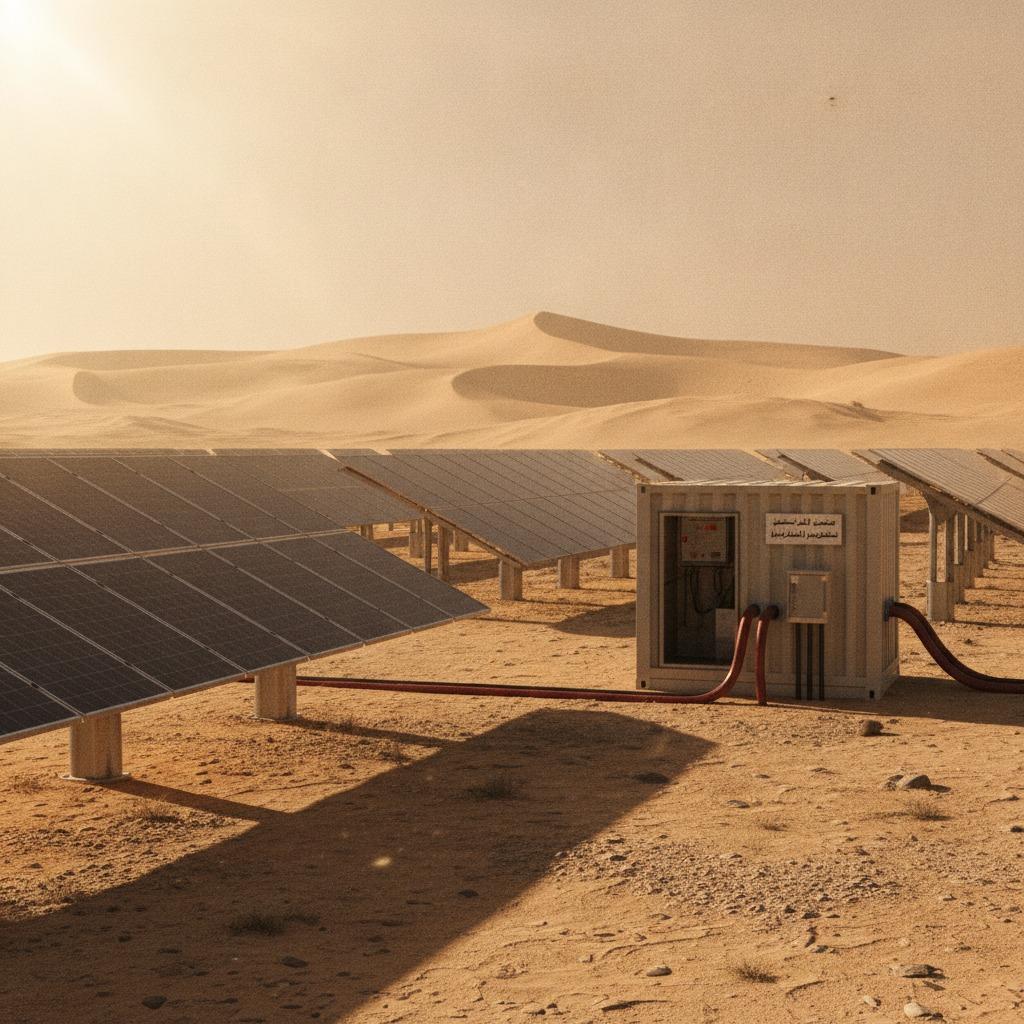
A solar field paired with storage is not just an energy asset; it is an operating philosophy. If the array is mounted on low-tilt racking over gravel or desert ground, the site designer likely optimized for land use, drainage, and straightforward installation. Long parallel panel strings are common in utility-scale systems because they simplify layout and maintenance access. The visible paved lanes and ramps point to a site meant for routine service, not a one-off demonstration.
For sourcing managers, this kind of project raises a practical question: are you buying hardware, or are you buying a system that must function as a predictable part of plant operations? The answer should be the latter. A storage project is only useful if it behaves reliably when solar output changes, when demand spikes, or when grid conditions become less favorable. That is why procurement teams should keep asking about controls, integration, and cooling before getting distracted by nameplate capacity discussions.
Key details worth asking about before a purchase
Ask how the battery system is cooled and what happens during hotter seasons. Ask whether the power conversion equipment is integrated into the same container or housed separately. Ask what maintenance access is required around each enclosure. Ask how the site will be monitored, and by whom. These are the questions that determine whether a system will be serviceable five years from now, not just installable this quarter.
A brief aside: buyers sometimes focus so heavily on battery chemistry or headline capacity that they overlook the physical siting details. That is understandable, but it can be a costly habit. In real projects, cabling paths, access clearances, and thermal design can matter just as much as the component spec sheet.
How solar-plus-storage choices are changing
Recent battery energy storage updates show a gradual shift away from seeing storage as a standalone asset. Instead, it is being integrated more often with renewable generation, industrial loads, and site-level energy management. That is especially visible in campus-style installations and industrial facilities where power quality, backup resilience, and operating cost all matter at once.
This is where energy storage system news becomes useful as a sourcing tool. It helps buyers compare system formats. A project built around containerized enclosures may suggest faster deployment and modular expansion. A more heavily engineered indoor installation may suggest tighter environmental control but higher civil and building requirements. Neither is automatically better. The right choice depends on climate, available space, local fire and safety requirements, maintenance staffing, and the plant’s actual duty cycle.
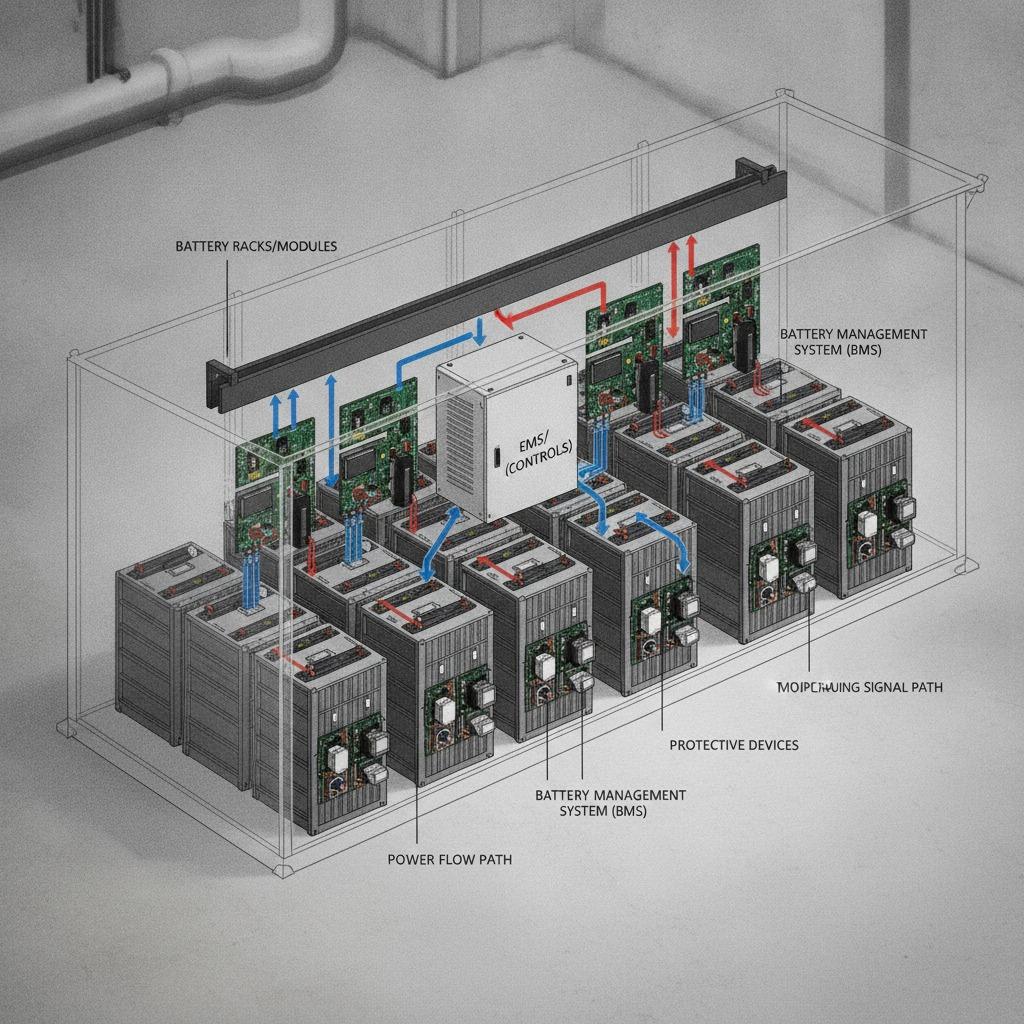
Another trend worth noting is the growing visibility of co-located solar generation and storage near industrial buildings. That arrangement can support behind-the-meter consumption, peak demand management, or resilience planning. But integration is not automatic. Controls must decide when to charge, when to discharge, and how to respond if the site transitions between grid-connected and backup modes. In many projects, that logic becomes the real engineering challenge.
Common mistakes buyers still make
One mistake is treating all storage containers as interchangeable. They are not. A white enclosure with side doors and roof-mounted fans may look much like another, but the internal configuration, serviceability, and thermal approach can vary widely. Buyers should avoid assuming that external similarity means functional equivalence.
Another mistake is underestimating the importance of cooling. Battery systems generate heat, and thermal behavior affects performance and longevity. If the enclosure design looks cramped, or if airflow appears limited, that should trigger questions rather than reassurance.
A third mistake is not clarifying the intended use case. A system intended for load shifting may be optimized differently than one intended for backup support or grid services. If the commercial goal is vague, the technical design often becomes vague too, and that is where projects drift into trouble.
Practical buying advice for engineers and sourcing teams
If you are evaluating a solar-plus-storage project, start by separating visible features from verified performance. The visible features are easy: modular containers, cooling units, solar racking, paved access, and maintenance infrastructure. The verified items are harder: electrical ratings, battery chemistry, inverter capacity, controls logic, service intervals, and safety documentation. Do not let one stand in for the other.
It also helps to think about lifecycle support early. Spare parts strategy matters. So does field service access. If a vendor cannot clearly explain how technicians will access the equipment, replace cooling components, or isolate a container for maintenance, that is a red flag even if the initial quote looks competitive.
For industrial campuses, the decision often comes down to reliability versus complexity. A larger integrated site may offer stronger energy management benefits, but it can also add controls and coordination demands. Smaller modular blocks may be easier to deploy, but they still need a clear operating plan. In either case, the system should be judged on how well it fits the plant’s real load profile, not on generic promises about resilience.
FAQ: what readers usually want to know
Is every solar-plus-storage site meant for grid support?
No. Some sites support a plant’s internal demand, some provide backup power, and some may participate in grid-related services. The image alone does not confirm the operating mode.
Why are containerized battery units so common?
They are modular, easier to transport, and often simpler to expand in phases. They also fit well beside solar fields and industrial buildings.
What should I inspect first in a similar project?
Start with cooling, access, and controls integration. Those three areas often shape long-term operability more than the exterior appearance of the system.
Can I infer capacity from the size of the site?
Not reliably. Layout can suggest scale, but total capacity, battery size, and inverter rating are not visible from the description and should not be assumed.
What this means for the next procurement cycle
The most useful lesson from current energy storage system news is that buyers are no longer evaluating battery projects in isolation. They are comparing integrated power systems that combine generation, storage, cooling, and access infrastructure in one site plan. That changes the procurement conversation. It is less about whether storage is “in” the market and more about how well a given configuration can be built, maintained, and operated over time.
If you are planning a similar project, begin with the site’s duty cycle, thermal environment, and maintenance model. Then match the containerized architecture, controls approach, and service access to those needs. The best projects are not always the most elaborate ones. They are the ones that remain understandable once the equipment is installed and the first hot season arrives.
For teams tracking battery energy storage updates or scanning grid-scale battery news for supplier ideas, that is the real filter. Look past the headline and ask whether the system can do the job your plant actually needs, in the weather and operating conditions it will really face.