
Why an energy storage system in Palm Desert is not a generic purchase
An energy storage system Palm Desert buyers evaluate today is rarely just a battery procurement. It is a site-specific decision shaped by heat, peak demand charges, space constraints, utility interconnection rules, and the simple fact that power equipment has to keep working when the ambient temperature is less forgiving than a standard indoor plant room. That is why engineering teams, sourcing managers, and project owners should look past headline capacity and ask how the system will be housed, cooled, protected, and serviced over time.
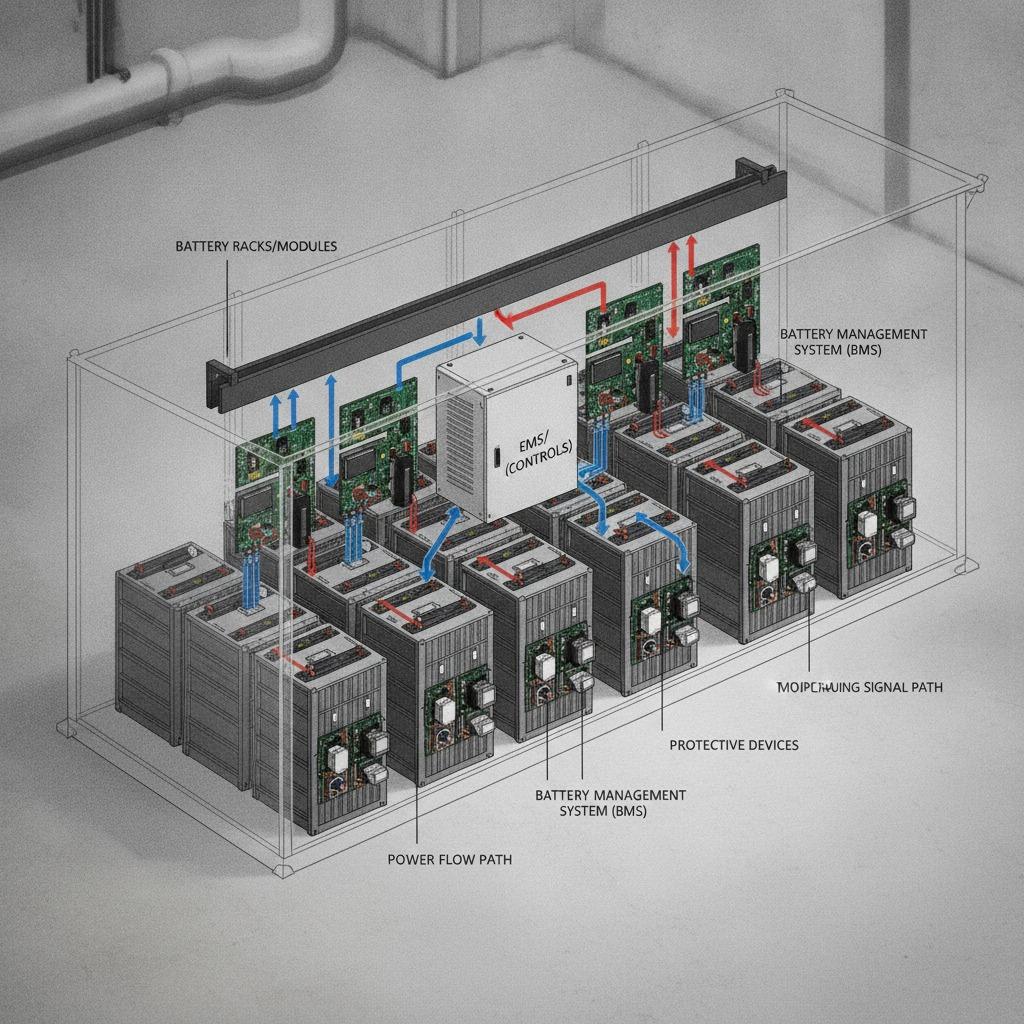
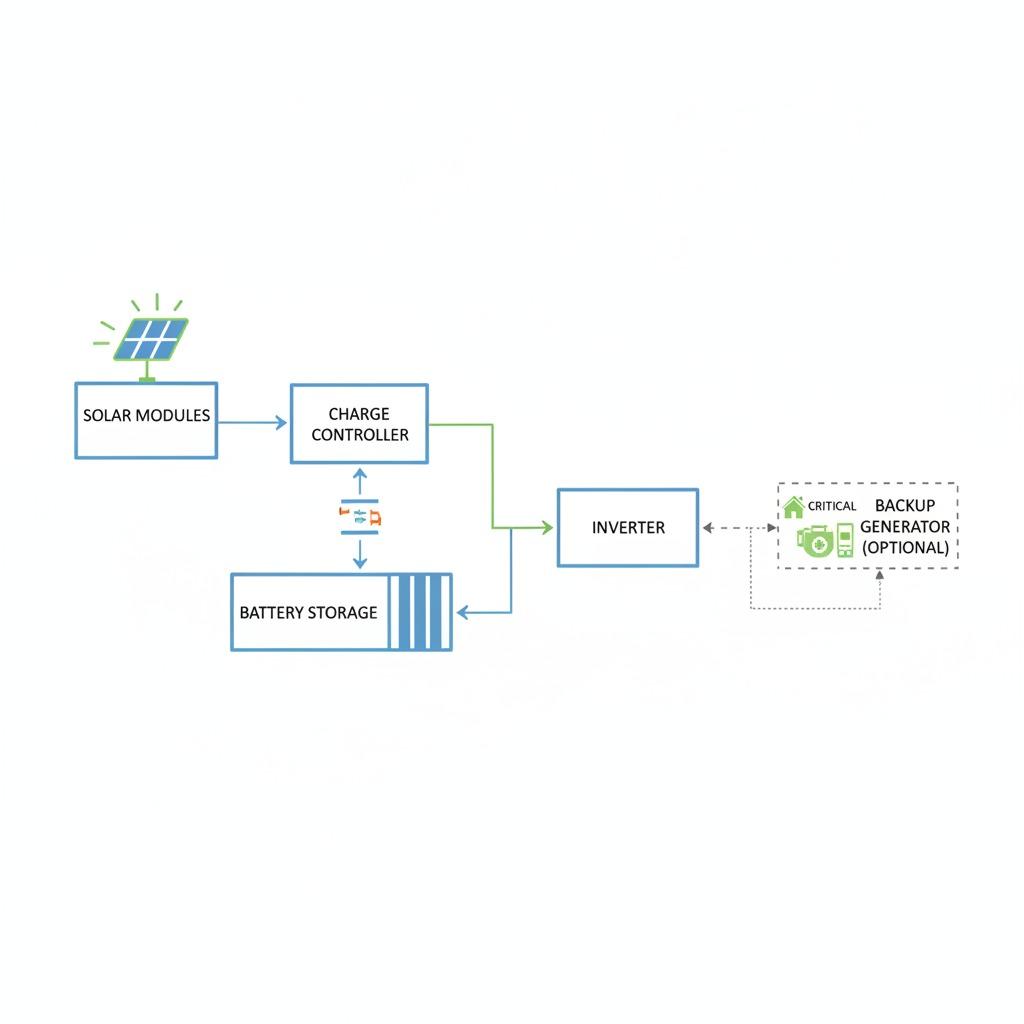
For many facilities, the most overlooked part of the package is the enclosure around the controls and power electronics. A cabinet may not store energy itself, but it often supports the equipment that makes the storage plant usable: control gear, drives, PLCs, switchgear, monitoring hardware, protection devices, or auxiliary power distribution. In a climate like Palm Desert, enclosure design is not cosmetic. It is part of the operating strategy.
What the site conditions change
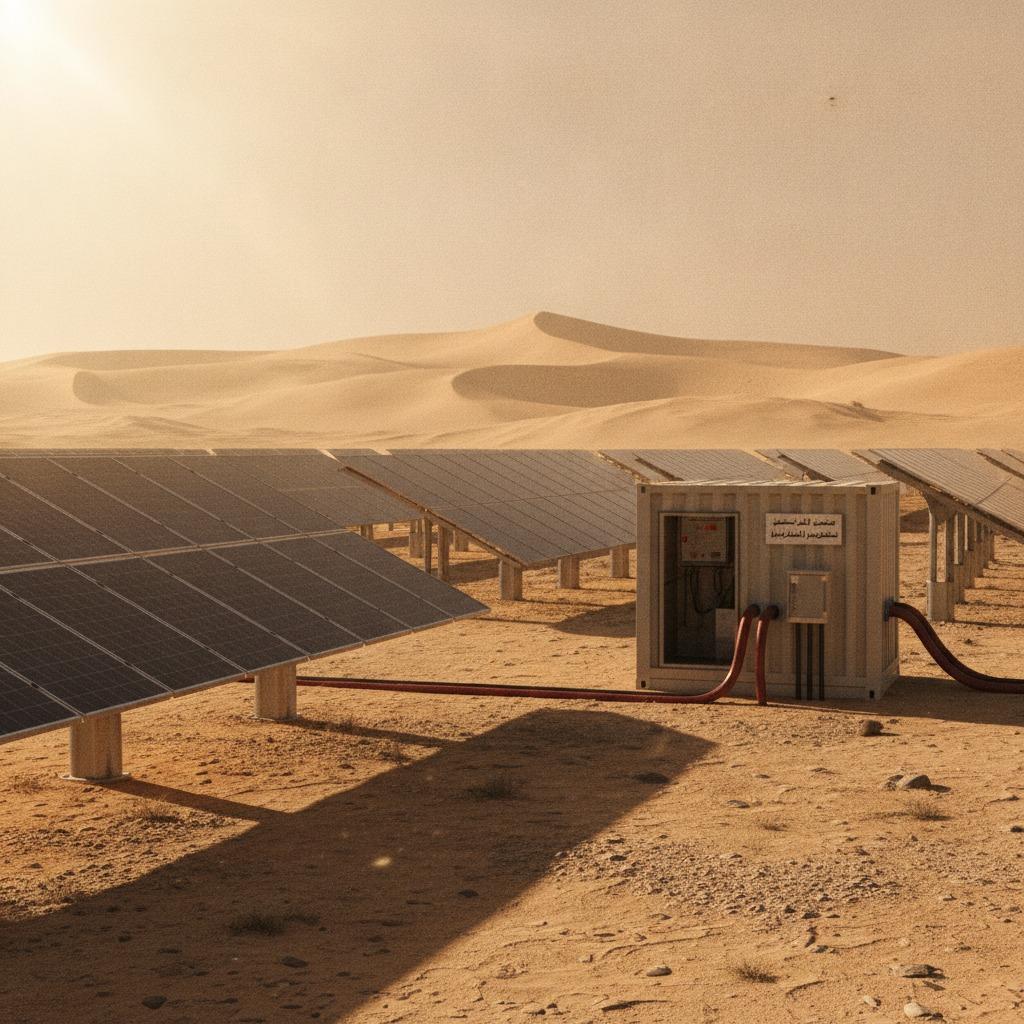
Palm Desert brings a familiar set of design pressures: sustained heat, strong solar loading, dust, and long service intervals if the system is deployed in a utility yard or industrial campus. Those conditions matter whether the project is a battery energy storage Palm Desert installation behind the meter or a utility-scale energy storage Palm Desert buildout intended to support grid services, peak shaving, or resilience.
Heat is the obvious issue. Electronics and batteries both dislike being pushed near their thermal limits, and a cabinet or enclosure can make that worse if airflow is poor or if the surface absorbs too much radiant heat. Dust is a quieter problem. It clogs vents, filters, and fan paths, then slowly turns maintenance into a bigger job than anyone expected at the purchase stage. And because storage systems are often installed outdoors or near outdoor process areas, the enclosure has to tolerate handling, anchoring, and occasional rework without becoming a weak point.
That is where enclosure selection becomes part of project reliability instead of a purchasing afterthought.
What the pictured cabinet suggests about good enclosure practice
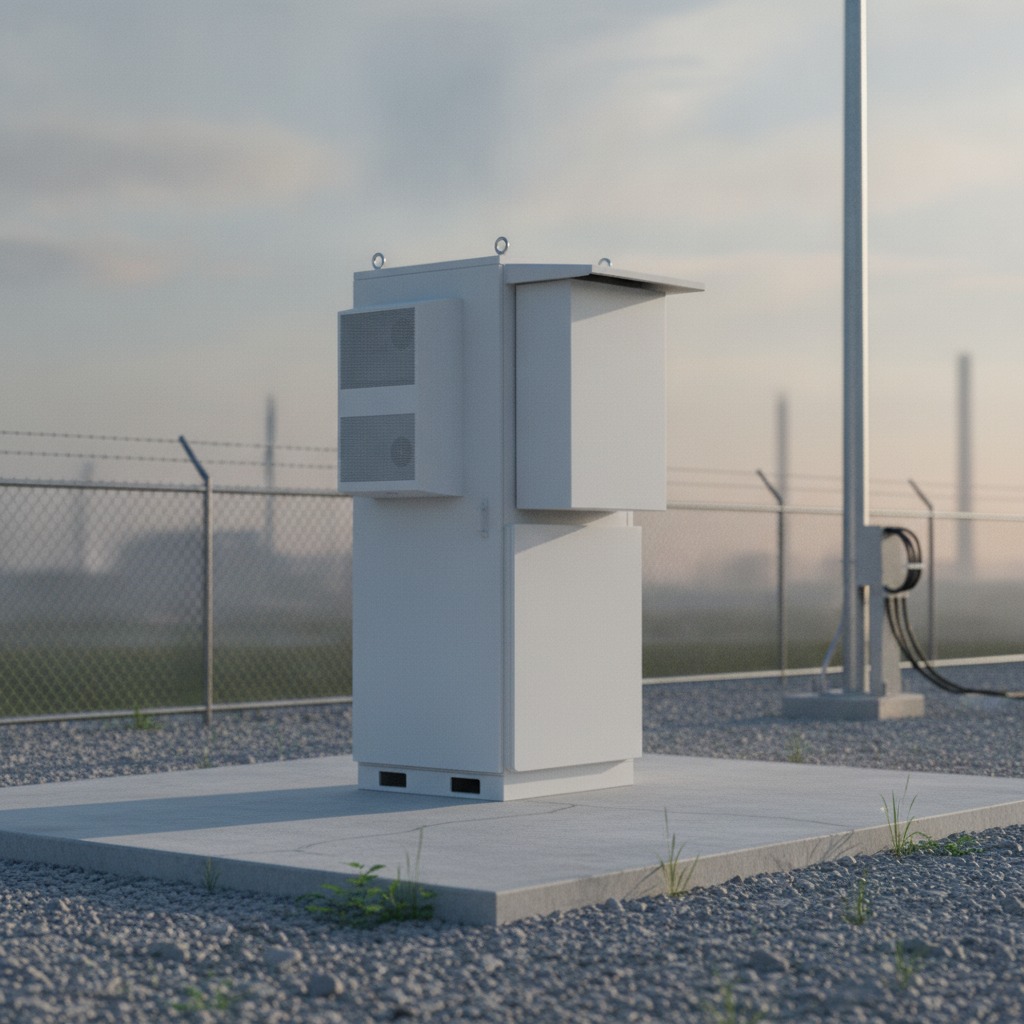
The cabinet described here is a vertical, floor-standing electrical enclosure with a light gray or white painted or powder-coated finish. It appears to be fabricated from sheet metal, with a welded body, formed panels, punched openings, and assembled hardware. None of that is unusual, but the details matter.
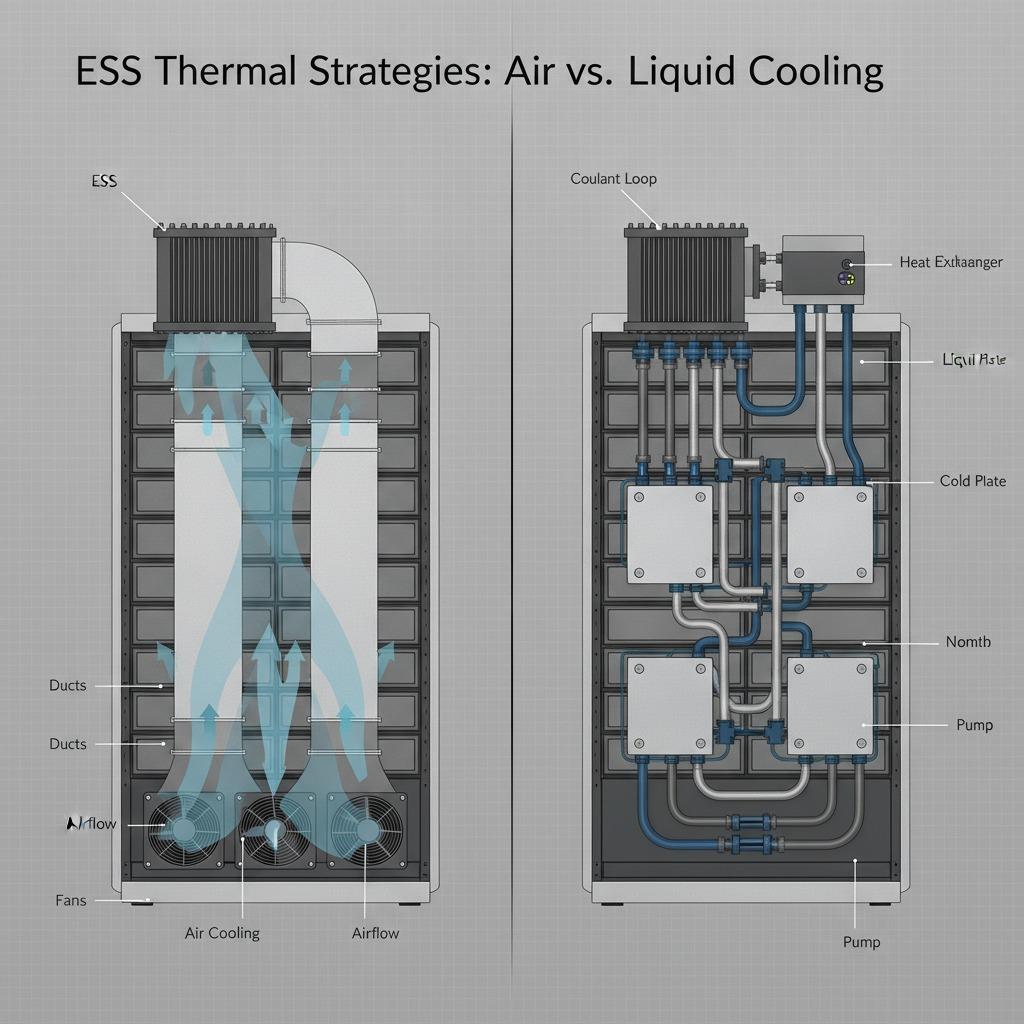
The front shows a protruding louvered or mesh vent panel with two visible circular fan openings behind it. That suggests active ventilation rather than passive heat dissipation alone. For equipment that generates internal heat, active airflow is often the difference between stable operation and nuisance shutdowns. It also means the design likely expects internal components that need more cooling than a sealed box can provide.
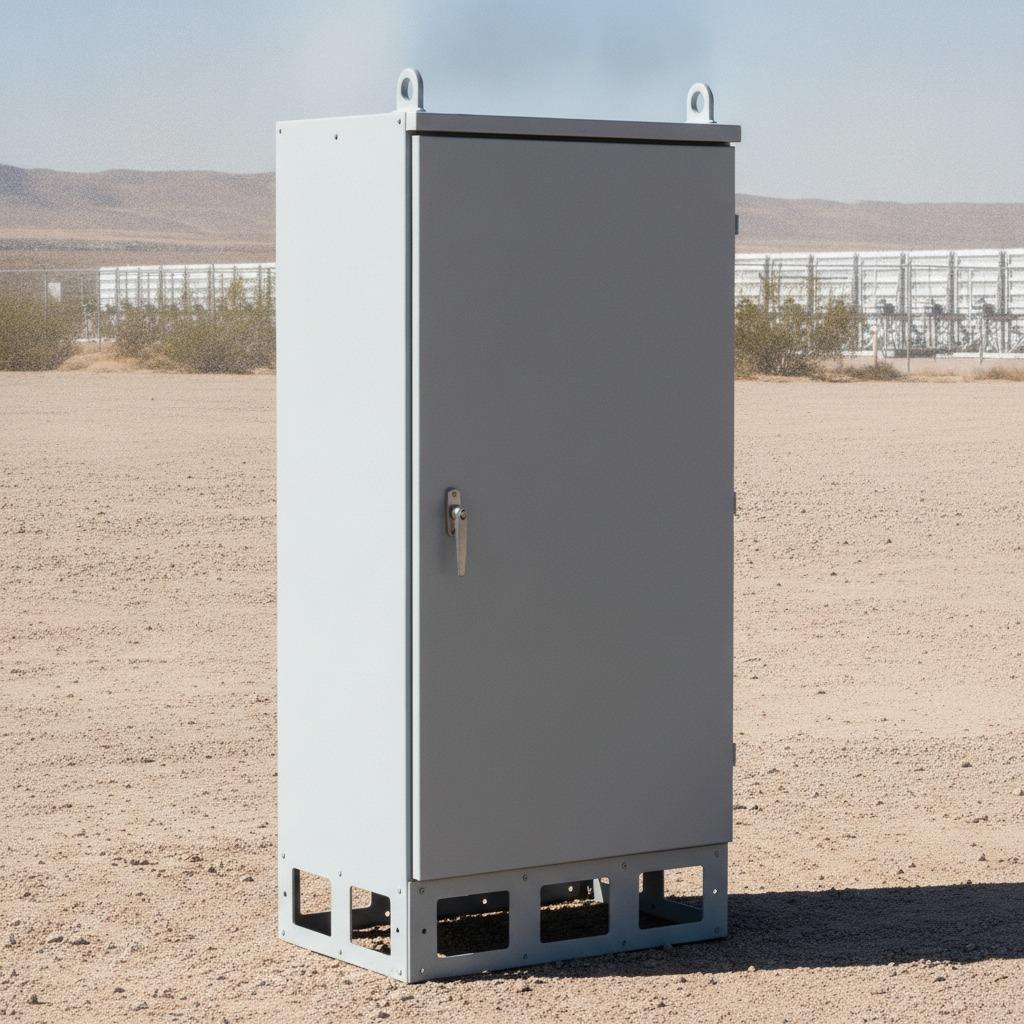
There is also an overhanging cover or canopy-like extension on the side or top, which may protect an auxiliary section, terminal area, or mounted module. The top includes lifting eyes or rings, a practical detail that tells you the enclosure is intended for real handling in a plant environment, not just display. The front door has a recessed handle or lock area, and the base includes rectangular cutouts that could serve cable entry, ventilation, or anchoring purposes.
Taken together, those features point to a cabinet designed for access, cooling, and installation flexibility. That is useful in storage projects where controls may need to sit close to inverters, power conversion equipment, or other balance-of-system components.
Key decisions buyers should make before choosing the enclosure strategy
A storage project usually succeeds or fails on a handful of practical questions. Not all of them are electrical.
1. Will the equipment live indoors, outdoors, or in a mixed environment?
This sounds basic, but mixed environments can be tricky. A control cabinet might sit under a canopy while adjacent battery racks or power modules are exposed to harsher conditions. If the enclosure is being used as part of a battery energy storage Palm Desert project, confirm how much environmental protection is required at the actual installation point, not just on the drawing.
2. How will heat be rejected?
Ventilation can work well, but only if the system is designed for it. Fans, filtered intakes, and louvered openings help move heat out, yet they also introduce maintenance tasks. Filters need inspection. Fans need replacement planning. If a cabinet is expected to operate in dusty conditions, maintenance access should be straightforward; otherwise, service crews end up opening panels more often than the original schedule assumed.
3. What needs to be accessed frequently?
Sourcing teams sometimes focus on the enclosure dimensions and forget the service workflow. If electricians need access to breakers, terminals, communication hardware, or monitoring equipment, the door layout and internal segregation matter. A lockable access door is useful, but only if it does not make routine checks awkward.
4. How will the unit be installed and moved?
The lifting eyes on the cabinet are a small detail, but small details save time on site. A floor-standing cabinet that can be safely hoisted and positioned is easier to integrate into a live plant or crowded utility yard. Base openings for cables or anchoring also reduce field modifications, which are usually where cost and schedule start slipping.
Battery systems and utility projects are not asking for the same enclosure behavior
A common mistake is to treat every storage project as if the cabinet requirements are interchangeable. They are not.
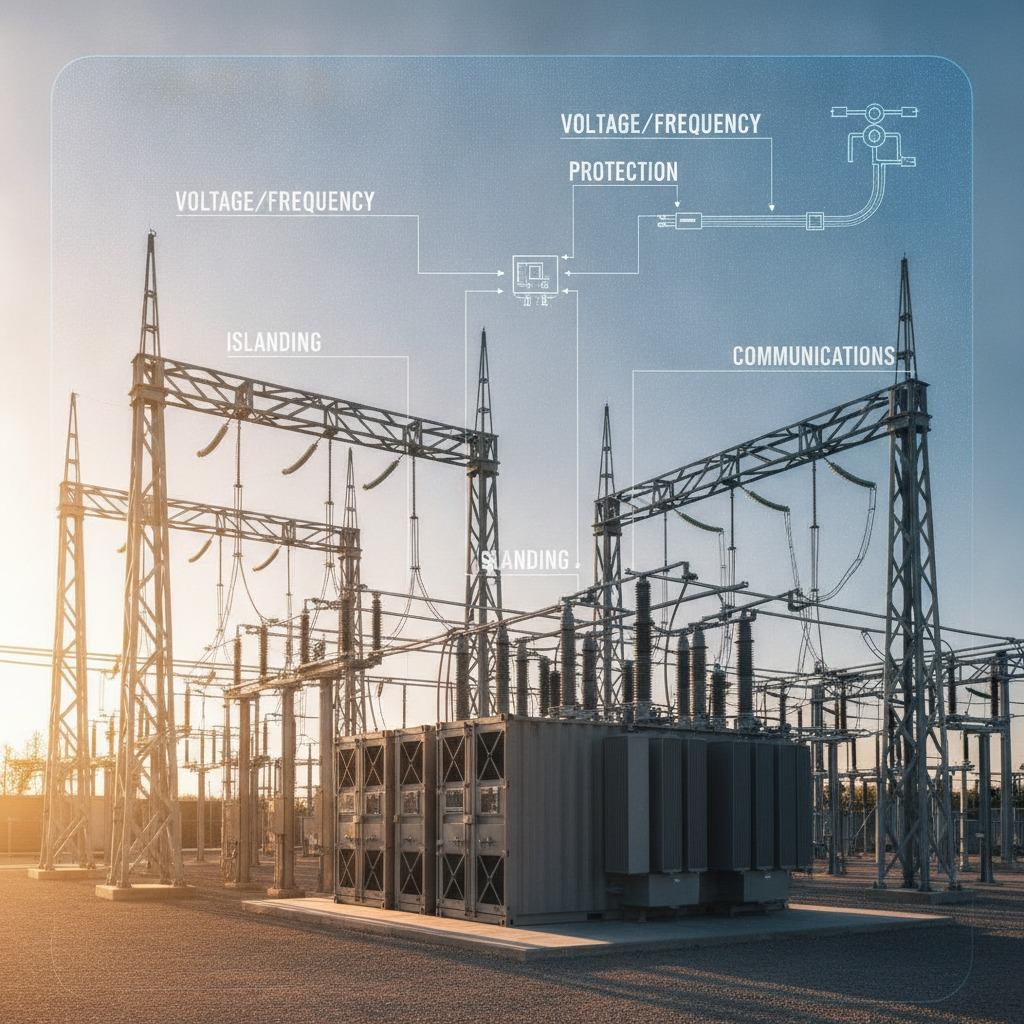
Battery enclosures tend to be judged heavily on thermal behavior, service access, and contamination control. A utility-scale energy storage Palm Desert installation may also bring stricter coordination with protection systems, communications, and plant controls, which means the cabinet has to integrate cleanly with a wider architecture. Industrial sites, by contrast, may care more about quick maintenance, lockout procedures, and compatibility with existing control rooms or switchgear rooms.
The cabinet in the product description looks like it could serve as an electrical control enclosure in factories, utilities, or plant environments. That makes it broadly useful, but buyers should still verify the internal layout, electrical ratings, material grade, and protection level before assuming fit. Those specifics are not visible, and they should not be guessed.
Selection criteria that are easy to miss during procurement
Some enclosure choices look fine on paper and then create nuisance problems during commissioning.
One issue is airflow path. A vented front panel is helpful only if air can move through the enclosure without short-circuiting back into the intake. Another is cable routing. Rectangular openings at the base may be convenient, but the real question is whether they align with the field cabling plan and whether they leave enough room for strain relief, bend radius, and sealing methods.
Another practical matter is finish durability. A painted or powder-coated cabinet is common, yet outdoor or semi-outdoor duty can expose weak coating edges around punched cutouts and hardware interfaces. If the cabinet will be used near harsh sunlight or abrasive dust, finish quality becomes more than a cosmetic detail.
And then there is standardization. In larger projects, one cabinet style may be used across multiple skids or plant zones. That can simplify spare parts and training, but only if the enclosure is flexible enough for the actual combinations of controls, fans, and terminal hardware the project needs.
Common buying mistakes in storage projects
The first mistake is buying to the nominal equipment list rather than the thermal reality. If the control electronics and auxiliary components produce more heat than expected, the enclosure becomes the bottleneck.
The second is treating the cabinet as a late-stage accessory. By the time the physical plant layout is set, changing access directions, cable entries, or airflow paths is expensive and slow.
The third is ignoring maintenance habits. A design that looks compact may be annoying to service, and that annoyance becomes expensive over a 10-year operating life.
A smaller but real mistake: assuming one cabinet can solve every environment. In Palm Desert, the location itself should push buyers to ask whether passive protection is enough or whether active ventilation and better equipment segregation are warranted.
Practical buyer advice for engineers and sourcing teams
When evaluating cabinets for energy storage applications, start with the load profile and service plan, not the brochure photo. Ask where the heat comes from, how often the enclosure will be opened, what field wiring will enter from below or above, and whether the installation will be handled by a crane, forklift, or manual positioning gear.
If the project is tied to battery energy storage Palm Desert deployment, loop in thermal management and maintenance stakeholders early. If it is utility-scale energy storage Palm Desert work, make sure the cabinet design fits the broader control and protection scheme so the electrical engineer, EPC team, and maintenance group are not solving the same problem three times.
For the cabinet described here, the visible selling points are straightforward: enclosed cabinet design, ventilation for heat management, lifting points for installation, and a lockable access door. Those are sensible features. They are not enough by themselves to specify the product, but they are the right kind of starting point for a serious review.
FAQ
Is an electrical cabinet the same thing as an energy storage system?
No. A cabinet is usually part of the supporting infrastructure. It can house controls, protection gear, or other electronics that help the storage system operate.
Why does ventilation matter so much in Palm Desert?
Because ambient heat and internal equipment heat stack up quickly. If a cabinet cannot reject heat effectively, uptime and component life can suffer.
Can one enclosure design work for both battery and utility projects?
Sometimes, but only if the thermal, access, wiring, and protection requirements line up. That should be verified, not assumed.
What should buyers confirm before placing an order?
At minimum: internal layout, electrical rating, material grade, protection level, dimensions, load capacity, cooling approach, and cable-entry method.
Next step
If you are planning an energy storage system Palm Desert project, the safest approach is to review the enclosure as part of the system architecture, not as an isolated cabinet purchase. Ask for the cabinet’s verified specifications, map them against the site’s thermal and maintenance realities, and check that the enclosure will support the equipment inside it for the full operating life. That small discipline often saves a much larger redesign later.