
Why energy storage system users need to think beyond nameplate capacity
For energy storage system users, the hard part is not usually deciding whether storage is useful. The harder decision is what kind of storage will actually perform the job once the system is installed, commissioned, and exposed to real site conditions. A battery rack on a datasheet can look straightforward. In practice, the project has to survive dispatch cycles, temperature swings, utility requirements, maintenance windows, and the inevitable mismatch between design assumptions and how operations really run.
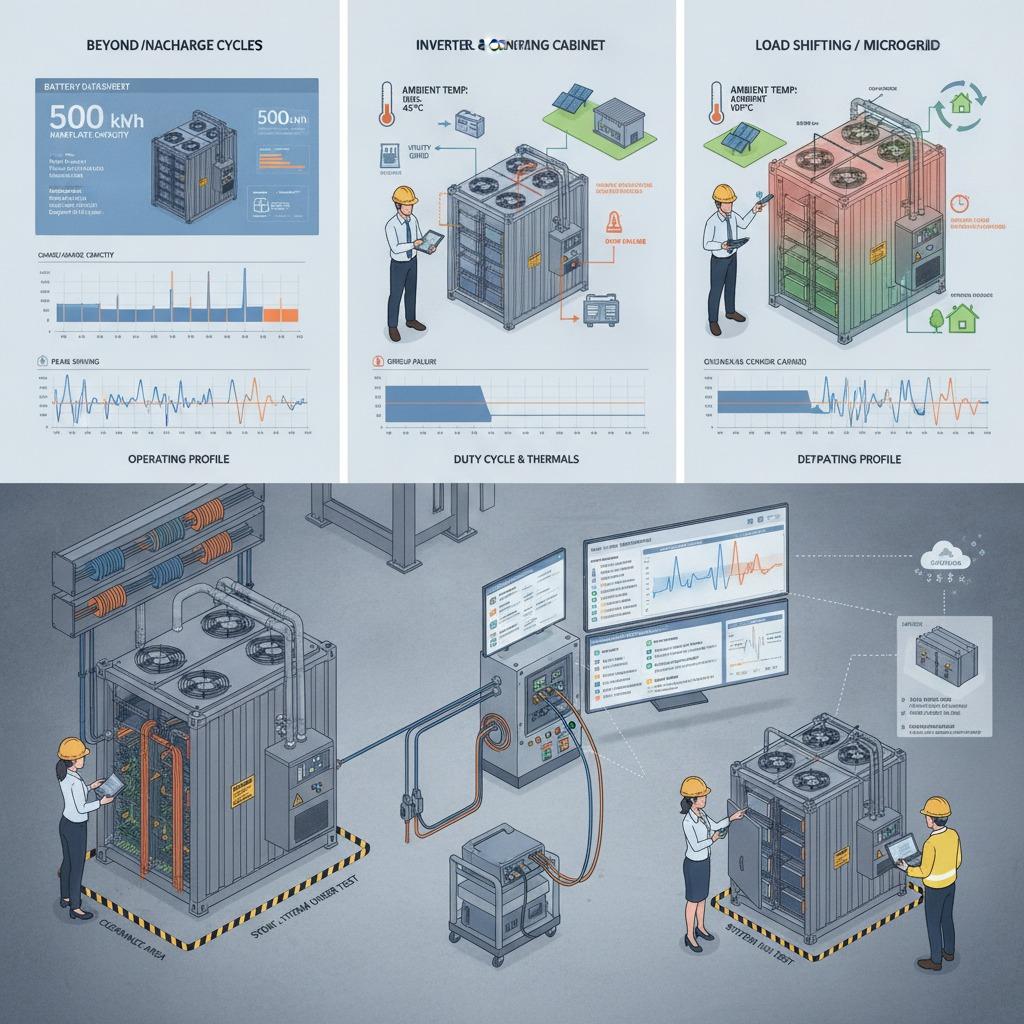
That is why buyers, engineers, and sourcing teams should look past headline capacity and focus on how the storage system will be used. A system built for peak shaving has different priorities from one built for backup power, load shifting, microgrid support, or renewable smoothing. If those use cases are mixed up early, the project can still be built, but it may never feel right in operation. The wrong choice shows up later as nuisance alarms, underused capacity, short autonomy, or maintenance work that keeps landing on the wrong shift.
What this decision really affects
Storage projects are often judged on economics, but the economic case is only as good as the system’s ability to deliver the intended duty cycle. For energy storage system users, that means thinking in terms of operating profile rather than static product categories. A system that is ideal for frequent cycling may not be the best fit for long-duration standby. Likewise, a compact cabinet solution can make sense on a constrained site, but only if service access, heat rejection, and safety clearances are still practical.
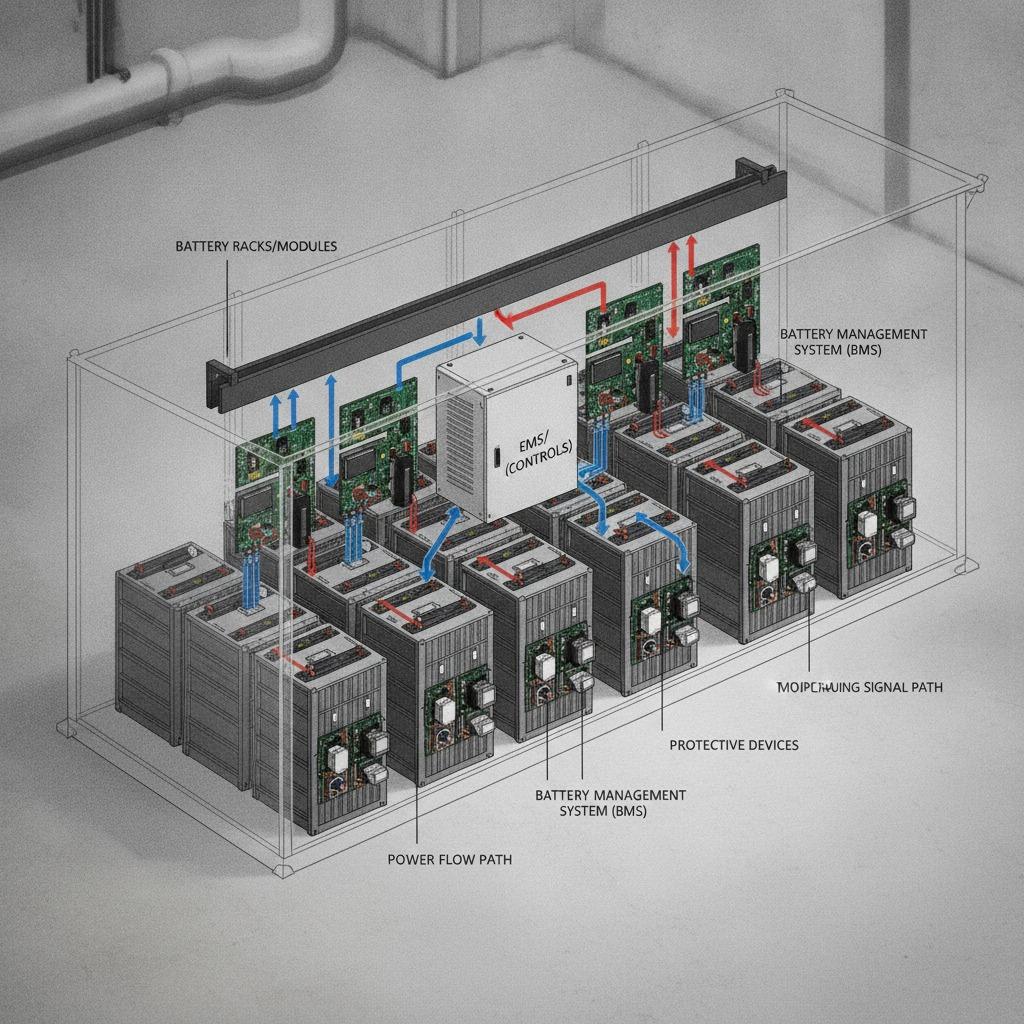
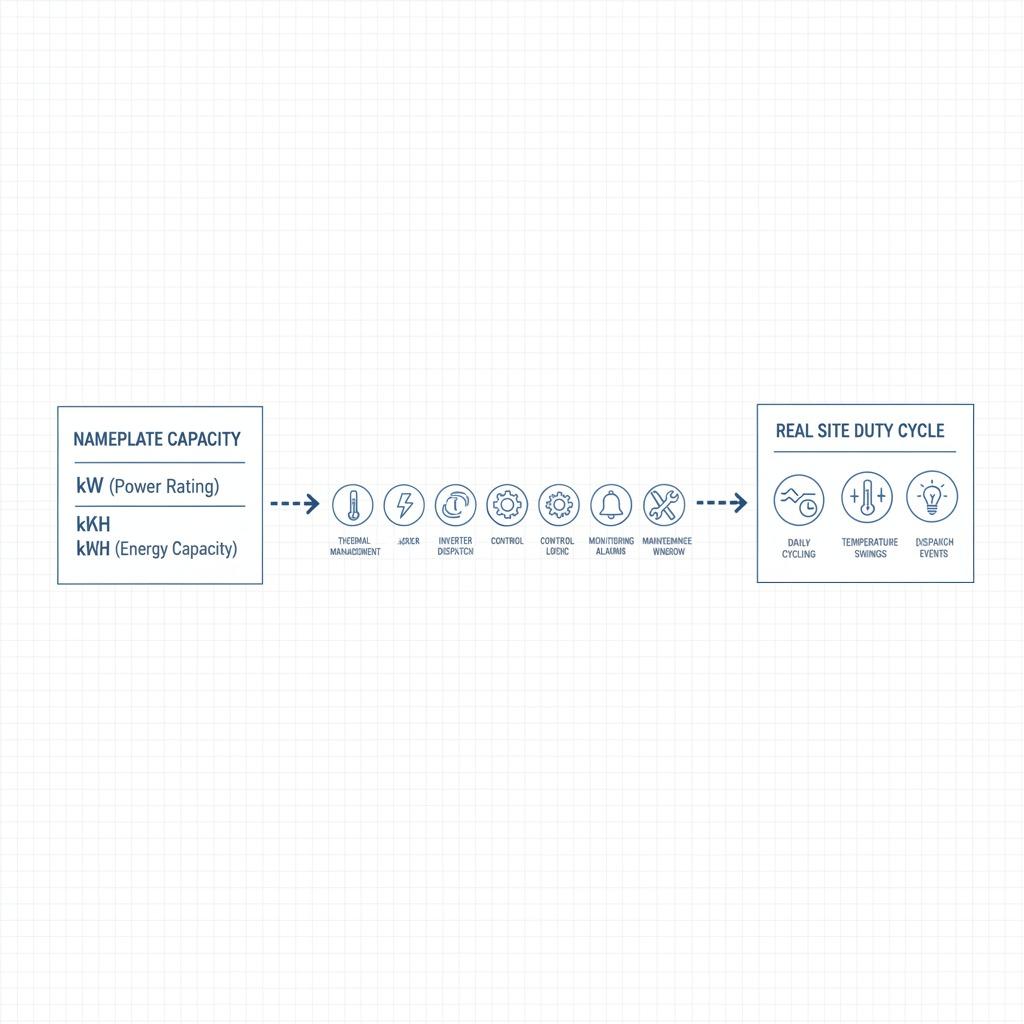
In other words, the buyer is not simply purchasing kilowatt-hours. They are buying a pattern of behavior. That behavior depends on cell chemistry, battery management logic, enclosure design, thermal strategy, inverter pairing, and the controls architecture that tells the system when to charge and discharge. If one of those parts is weak, the entire project can feel less capable than expected.
Quick reference: what to compare first
When evaluating options, a useful first pass is to compare the following instead of getting lost in brochures:
- Intended duty cycle and daily cycling frequency
- Required discharge duration and backup window
- Site constraints such as footprint, ventilation, and access
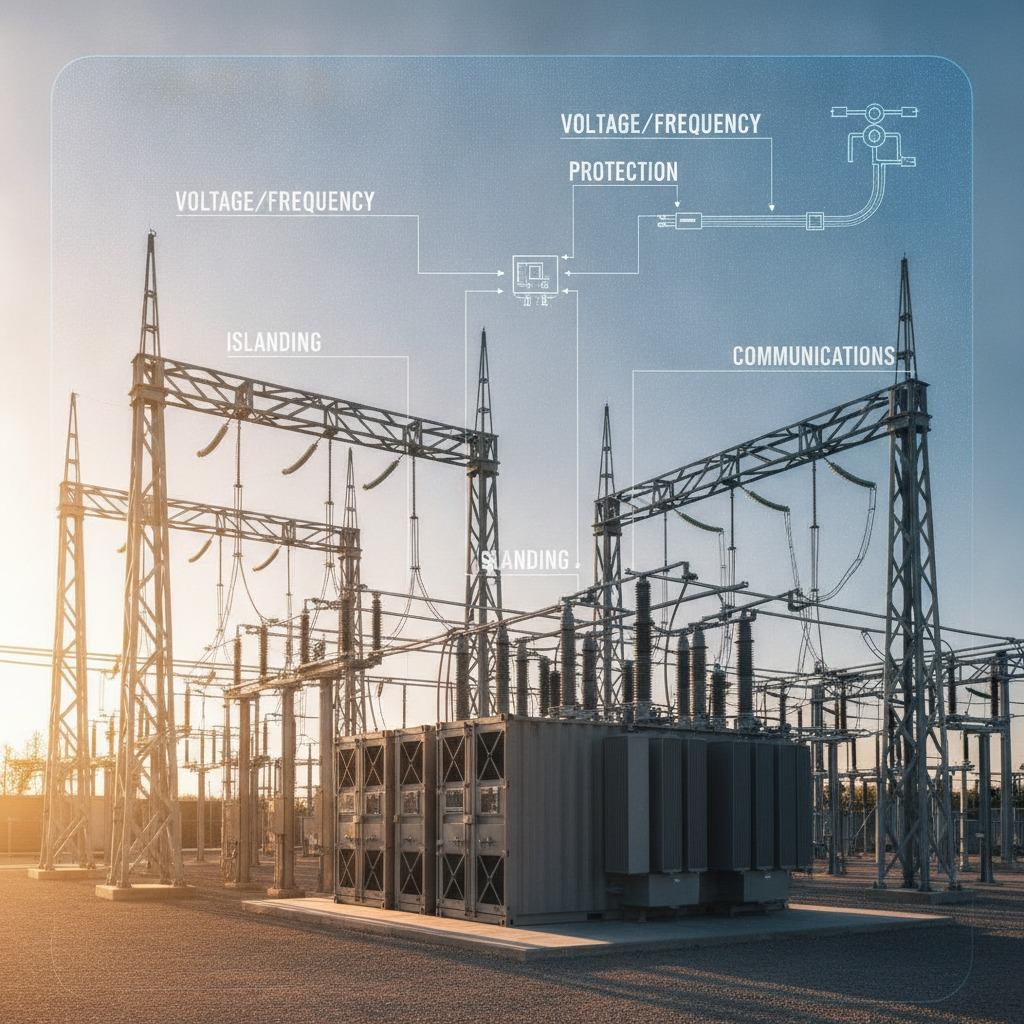
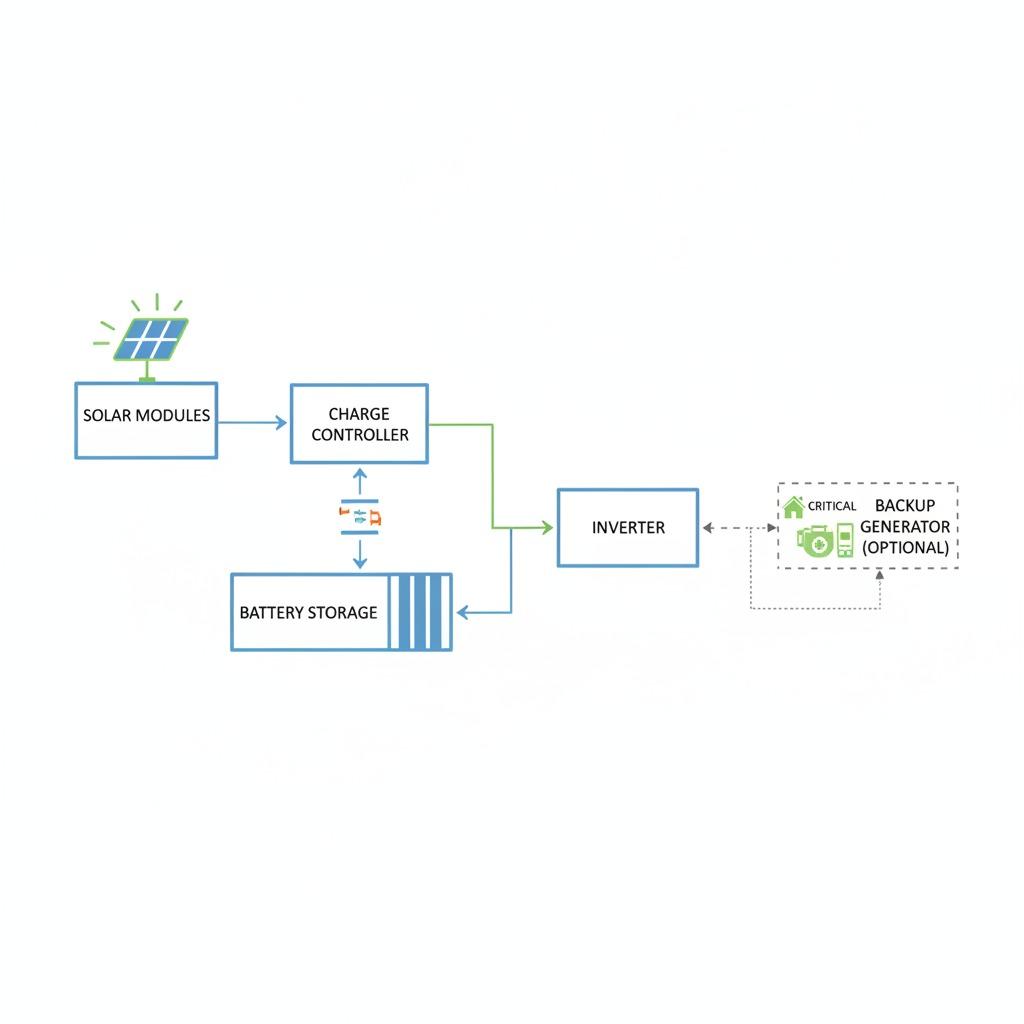
- Integration needs with solar, gensets, or the grid
- Control and monitoring expectations
- Maintenance access and replacement strategy
- Safety architecture and local compliance requirements
This short list helps energy storage system users narrow the field before the purchase becomes a negotiation over minor features that do not change the operating outcome.
Common system types and where they tend to fit
Battery cabinets and modular rack systems
These are often used where footprint and scalable deployment matter. They can suit commercial facilities, light industrial sites, and distributed energy projects. The modular approach makes expansion easier, but it also asks more of the integration plan. Thermal management, cable routing, and service clearance become more important as the system grows.
Containerized storage systems
Containerized units are attractive when the project needs a defined package for transport and installation. They can simplify deployment for utility-scale or larger industrial sites. The tradeoff is that the buyer has less flexibility in enclosure layout, so early attention to site access, foundation requirements, and external connections is essential. A container is convenient until the site cannot support the lifting, routing, or spacing it requires.
Hybrid systems tied to solar or backup generation
These setups are common where the storage asset must coordinate with generation rather than act alone. Energy storage system users in this category should pay close attention to inverter compatibility and control logic. A system can be technically “compatible” and still be awkward if the dispatch sequence is difficult to tune or if monitoring platforms do not communicate cleanly.
The technical details that matter more than sales language
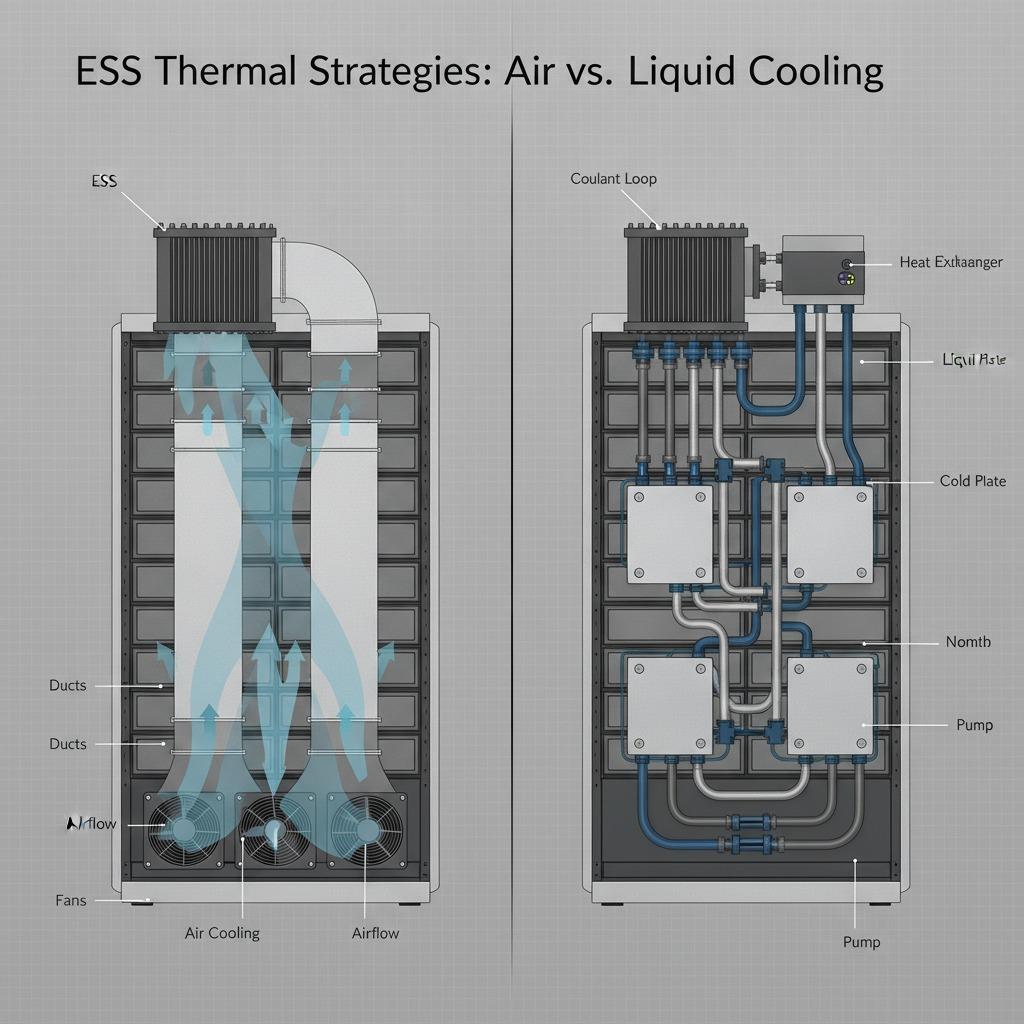
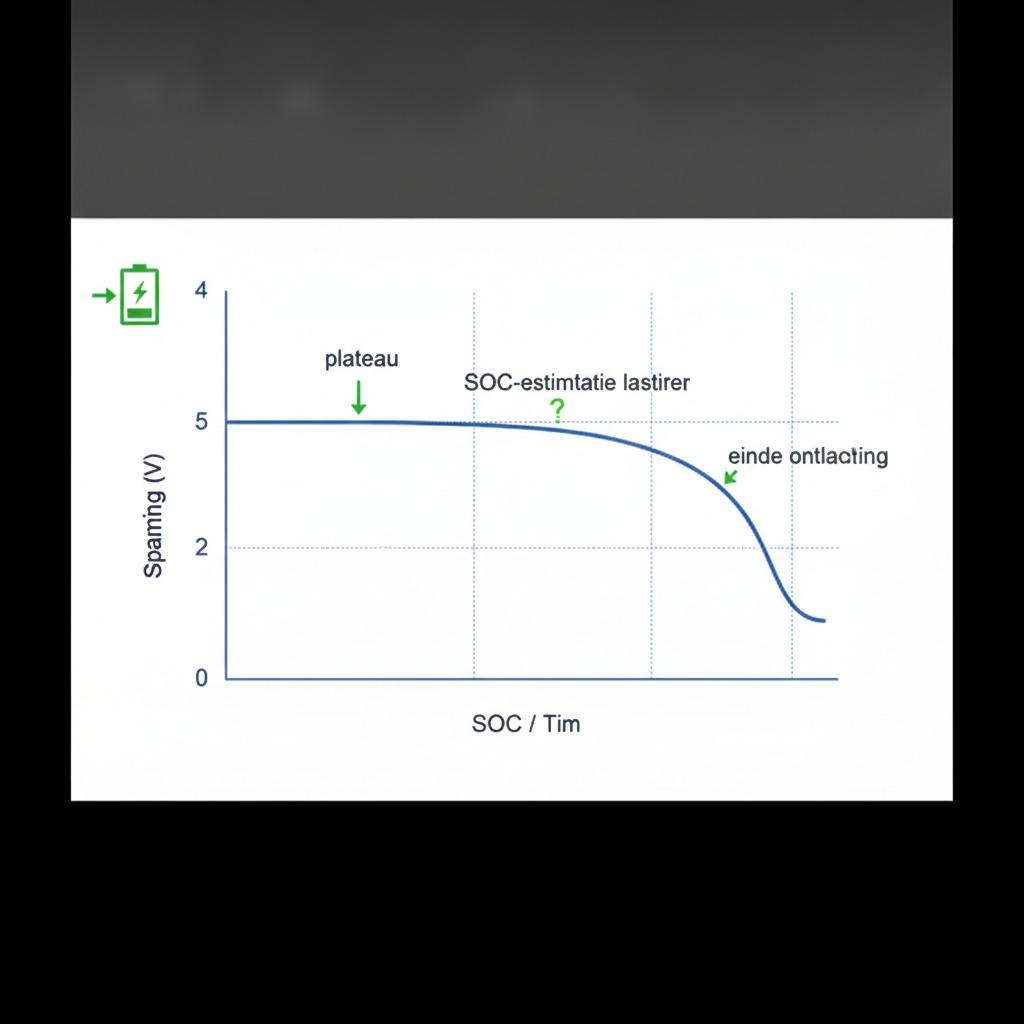
One practical mistake is to let the conversation stay at the level of “high efficiency” or “long life” without asking what those claims mean in the actual operating profile. Battery chemistry, for example, influences cycle life, thermal behavior, and usable depth of discharge. The inverter and battery management system affect how smoothly power is delivered and how well the storage asset protects itself under stress. Enclosure design and cooling strategy influence whether those components behave consistently in summer peaks, dusty locations, or tightly packed electrical rooms.
There is also a tendency to underweight the monitoring layer. For many energy storage system users, remote monitoring is not a luxury; it is the only practical way to know whether the asset is doing what it was bought to do. Good monitoring should make alarms understandable, not just visible. If operators cannot tell whether a fault is minor, recurring, or performance-related, the system will cost more to manage than it should.
Selection criteria buyers should not skip
Procurement teams often ask for a price comparison first, but a better sequence is to screen for operational fit, then price the shortlisted options. The decision usually improves when buyers ask these questions:
- What is the expected operating profile over a normal week?
- How much of the capacity will actually be usable in that profile?
- How is thermal management handled, especially during peak ambient conditions?
- What maintenance tasks are routine, and how disruptive are they?
- How does the system behave if part of the installation is offline?
- Can the controls be updated or adjusted without major downtime?
These questions sound basic, but they expose weak proposals quickly. A well-matched system should be explainable in plain operational terms. If the supplier can only discuss nominal specifications, the buyer may be looking at a system that is better on paper than in service.
Where projects commonly go wrong
One common mistake is oversizing for a feeling of security without checking whether the site can absorb the added cost, maintenance burden, and space requirement. Another is underestimating the importance of integration testing. A storage system rarely fails because one component was dramatically defective; more often, the problem is a chain of small assumptions that were never verified together.
For energy storage system users, another practical risk is treating commissioning as a final administrative step instead of the first real test of the operating strategy. Commissioning should show how the system behaves under realistic control logic, not just whether the equipment powers on. If the commissioning plan does not include site-specific operating scenarios, the team may discover problems only after the system has been handed over.
Maintenance planning is also easy to postpone, especially on projects with tight schedules. That is usually a mistake. Access to filters, fans, connectors, and inspection points should be evaluated before purchase, not after installation. A compact design can be excellent, but not if every routine check requires awkward shutdowns or special access equipment.
Practical advice for sourcing and engineering teams
Buyers should ask vendors for documentation that helps the site team understand day-to-day operation, not just product marketing sheets. Useful materials usually include system diagrams, control explanations, environmental requirements, and a clear description of service access. If the project will be expanded later, ask how the system scales and what changes when additional modules are added. Expansion that sounds easy during sales talks can become much more complicated once the first unit is already in the field.
It also helps to involve operations staff early. The people who will reset alarms, review dashboards, or arrange maintenance often see issues that engineering and procurement miss. A design that looks elegant in a project meeting may be frustrating in a plant environment if it demands too much attention from already busy staff.
A small caution: if a proposal promises broad compatibility with every use case, that is worth questioning. Most storage systems are optimized for certain duties, and pretending otherwise usually means someone else will absorb the compromise later.
FAQ for energy storage system users
How do I know if the system is sized correctly?
Start with the operating profile, not the maximum theoretical load. The right size is the one that supports the required duty cycle with acceptable margin, while still fitting the site and maintenance plan.
Is higher capacity always better?
No. Higher capacity can improve flexibility, but it can also add cost, space demand, and complexity. If the additional capacity will not be used, it may not improve the project.
What matters most in early supplier discussions?
Ask how the system will behave in your actual application. That includes control logic, thermal management, monitoring, service access, and the assumptions behind performance claims.
Should the lowest bid win?
Only if it still meets the operational requirements. The cheapest system on paper can become the most expensive one to run if it is hard to maintain or poorly matched to the duty cycle.
A better next step
For energy storage system users, the best buying decision usually comes from a simple discipline: define the use case first, then compare systems against that use case instead of against generic brochure claims. If you are preparing an RFQ or narrowing supplier options, build your comparison around operating profile, integration needs, safety approach, and maintenance reality. That is the difference between buying storage as equipment and buying it as a functioning asset.
Before signing off on a project, ask one final question: if the system works exactly as specified, will it actually work for the people who have to operate it every day? That answer tends to reveal whether the design is truly ready.