
What an energy storage system is, and why buyers keep paying closer attention
An energy storage system is no longer just a backup box for rare outages. In industrial settings, it has become a working part of the power architecture: smoothing peaks, supporting critical loads, bridging gaps in renewable generation, and giving operators more control over when and how energy is used. If you have ever had to ask what is an energy storage system in practical terms, the simplest answer is that it stores electrical energy for later use and releases it when the application needs it most.
That basic energy storage definition sounds simple, but the buying decision is not. Engineers and sourcing managers need to weigh cabinet architecture, safety, controls, maintainability, and how well the system fits the site’s actual load profile. A system that looks suitable on paper can be awkward to service, difficult to integrate, or oversized for the real duty cycle. Those are expensive mistakes, especially in factories, telecom sites, data centers, and microgrid projects where uptime matters more than brochure language.
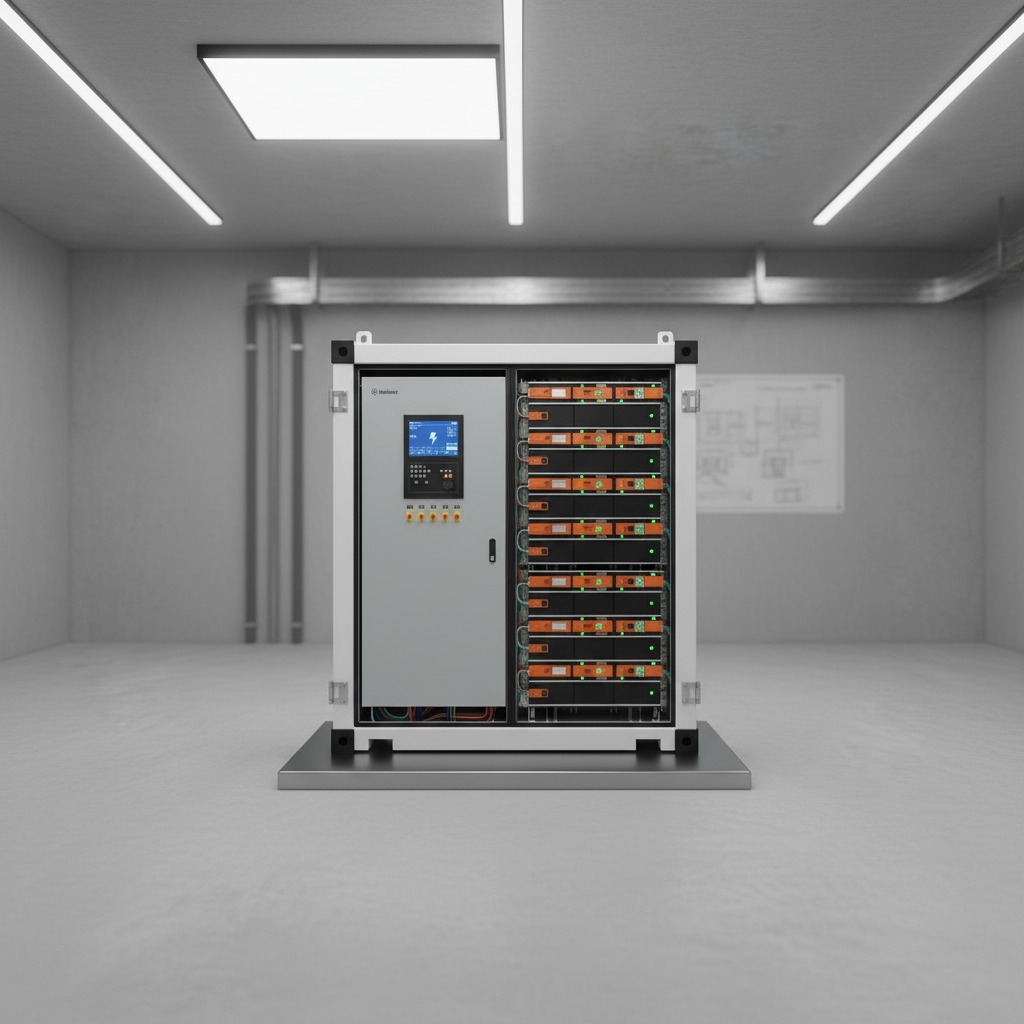
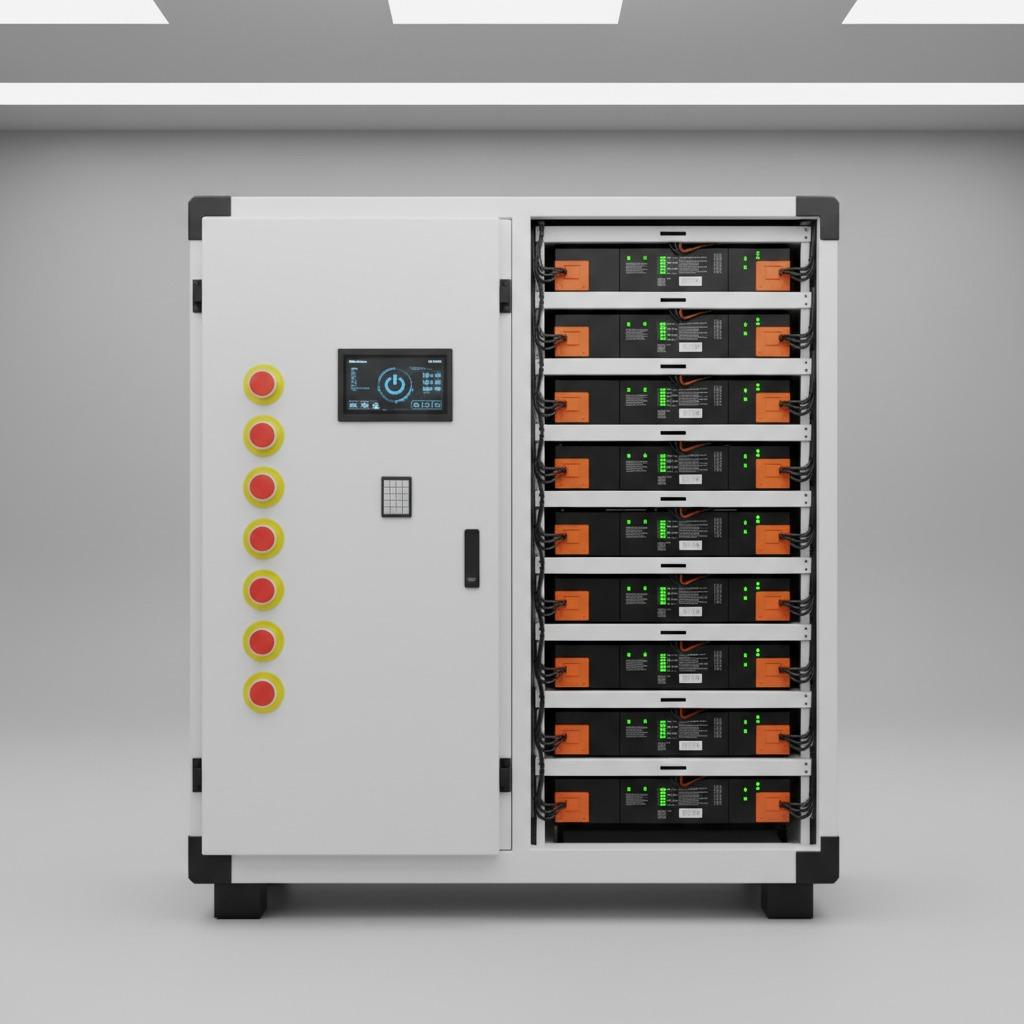
The cabinet-style unit described here is a good example of why details matter. It appears to combine a control and monitoring section with stacked modular power or battery modules inside an enclosed industrial cabinet. That kind of layout is common in battery energy storage and power distribution equipment because it makes the system easier to monitor, isolate, and service without opening the entire installation to the environment.
What the cabinet layout tells a buyer
This is not a loose pile of batteries on a rack. The visible form factor points to a purpose-built industrial enclosure with front-access doors, internal mounting frames, locking hardware, and service compartments. That matters because enclosure design often affects maintainability as much as raw electrical performance.
The left side appears to hold a touchscreen HMI or controller, along with keypad-style buttons and emergency-stop style pushbuttons. In a fielded system, that usually means the operator can check status, respond to alarms, or perform basic control actions from the cabinet itself. The right side appears to house stacked removable modules with status indicators and green LEDs. Modular architecture is widely favored in industrial energy storage systems because it makes replacement and expansion more manageable than a single monolithic pack.
A buyer should read this layout as a clue about service strategy. If a unit is built around front-access modules, it may reduce downtime during maintenance. If the control section is separate from the stored-energy section, troubleshooting can be simpler. But there is a practical caution here: modularity helps only if spare modules, wiring documentation, and field service procedures are equally well thought through. Otherwise the cabinet looks smarter than it operates.
Why energy storage systems are used in industry
Industrial users do not buy storage for a single reason. They buy it because electrical loads are messy and utility power is not always aligned with operational needs. Common use cases include backup power, UPS support, renewable-energy storage, factory power buffering, microgrid support, telecom power resilience, and auxiliary power for data centers or critical controls.
In a plant, storage can reduce stress on the electrical infrastructure by shaving peaks or helping with short-duration load swings. In renewable applications, it can capture output when generation exceeds demand and release energy later. In backup scenarios, the value is continuity: keeping controls, communications, and essential processes alive long enough for a generator to start or for a grid event to pass.
The buyer’s job is to decide which of those functions is primary. A system optimized for backup may not be the best fit for repeated cycling. A unit intended for power buffering may have different thermal and control requirements than one meant for long-duration reserve. That is where many procurement specs become vague, and vague specs are usually the beginning of trouble.
Key features to look for in a cabinet-style system
When evaluating a battery cabinet or industrial electrical enclosure, the visible features are only the starting point. Still, they are useful indicators of design maturity.
Modular internal architecture
Stacked modules suggest that the system is built for incremental assembly and service. For buyers, modularity can improve replacement efficiency and reduce the impact of a failed module on the whole unit. It can also support staged capacity growth, depending on the product architecture.
Control and monitoring interface
A touchscreen HMI is more than a convenience. In industrial use, it often becomes the local point of visibility for alarms, operating state, and maintenance actions. Buyers should want clear status presentation and simple access to fault history. A screen that looks modern but hides basic information is not much help on a night shift.
Service-access design
Front-facing compartments, accessible wiring channels, and removable module zones are all signs that the cabinet was designed with maintenance in mind. This affects labor cost over the life of the equipment. It also affects safety, because service technicians should not have to disturb unrelated sections to reach a failed component.
Indicators and safety controls
Visible status LEDs, pushbuttons, and emergency-stop style controls tell the operator something about the intended use case. They suggest the system expects routine human interaction, not just remote automation. That is useful in industrial environments, though it also means operator training matters. A cabinet full of indicators is only helpful if the team knows what those indicators mean.
What buyers should ask before specifying an energy storage system
The image can tell you a lot about the cabinet architecture, but it cannot tell you the engineering facts that actually determine fit. Before issuing an RFQ or comparing quotes, buyers should ask for the real operating data:
- Storage chemistry and module configuration
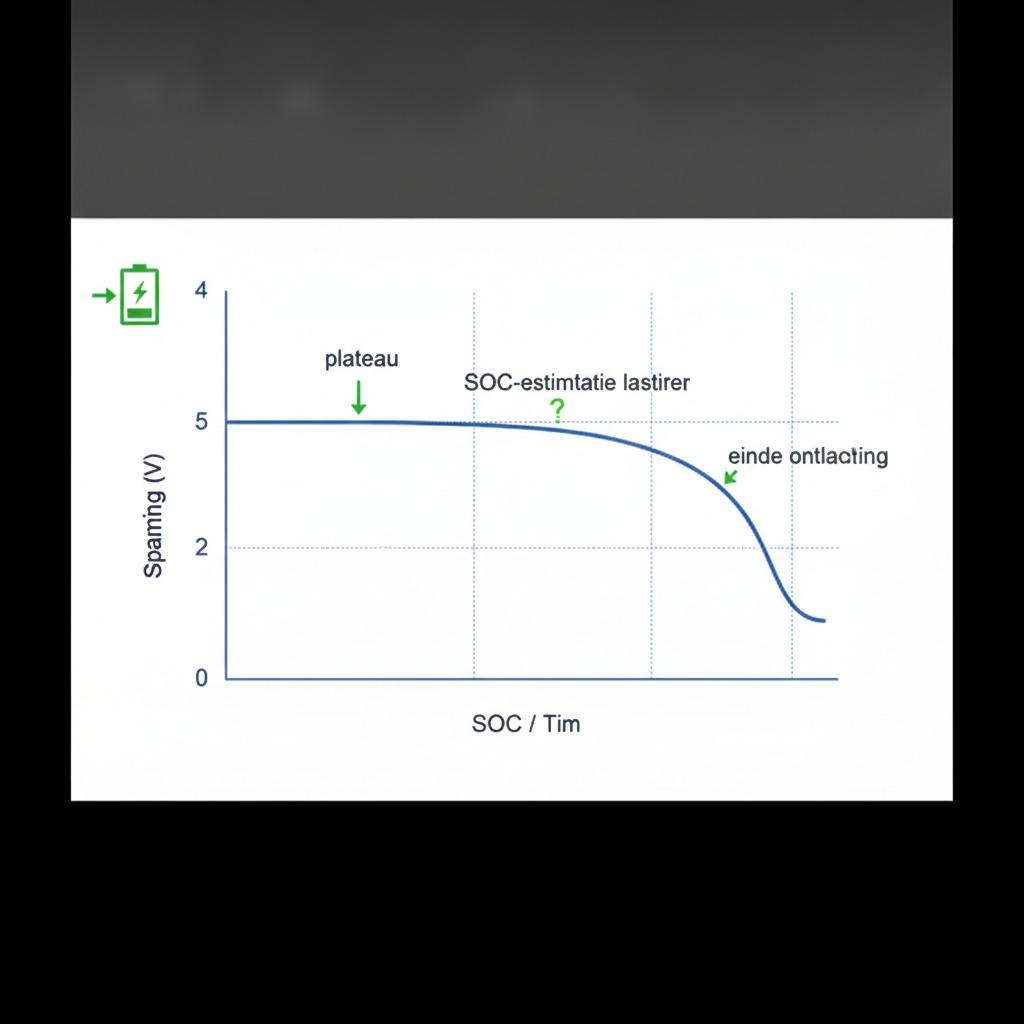
- Voltage range and usable capacity
- Continuous and peak power rating
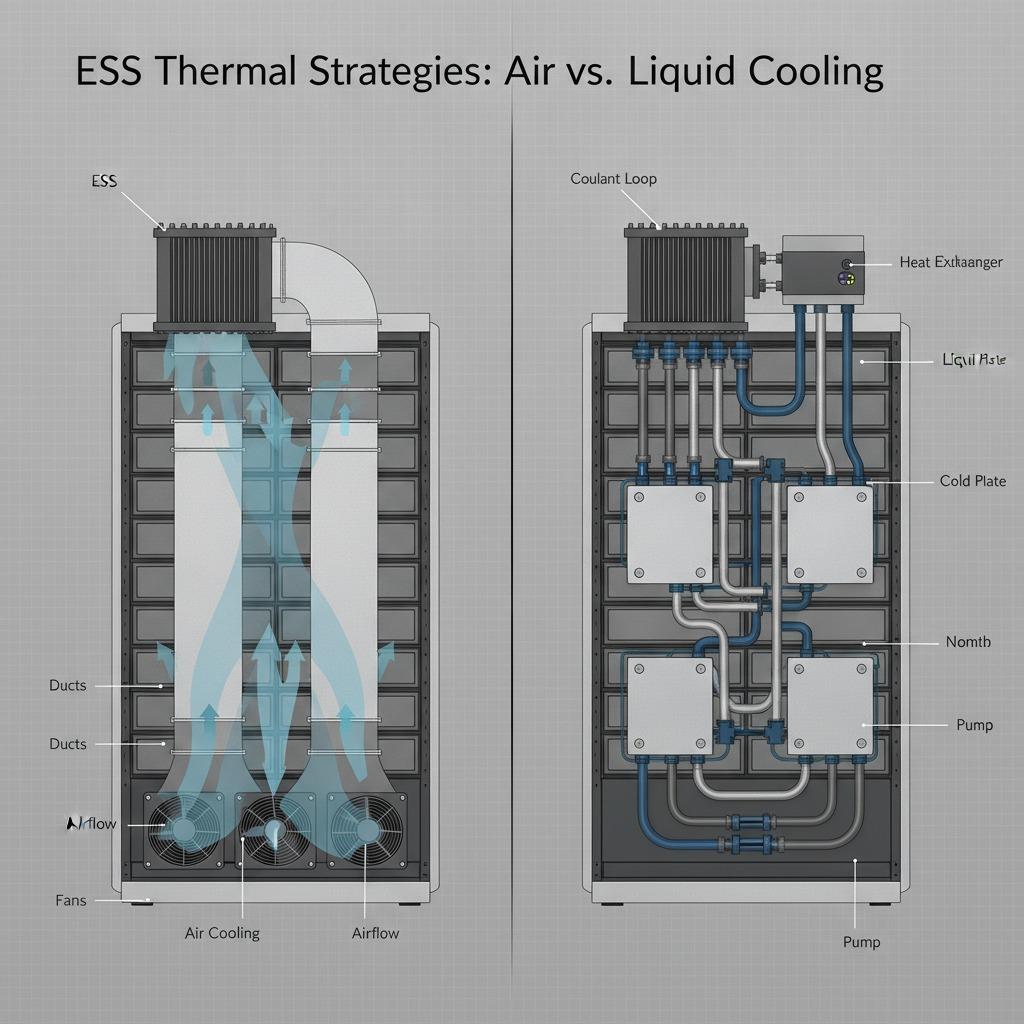
- Cooling approach
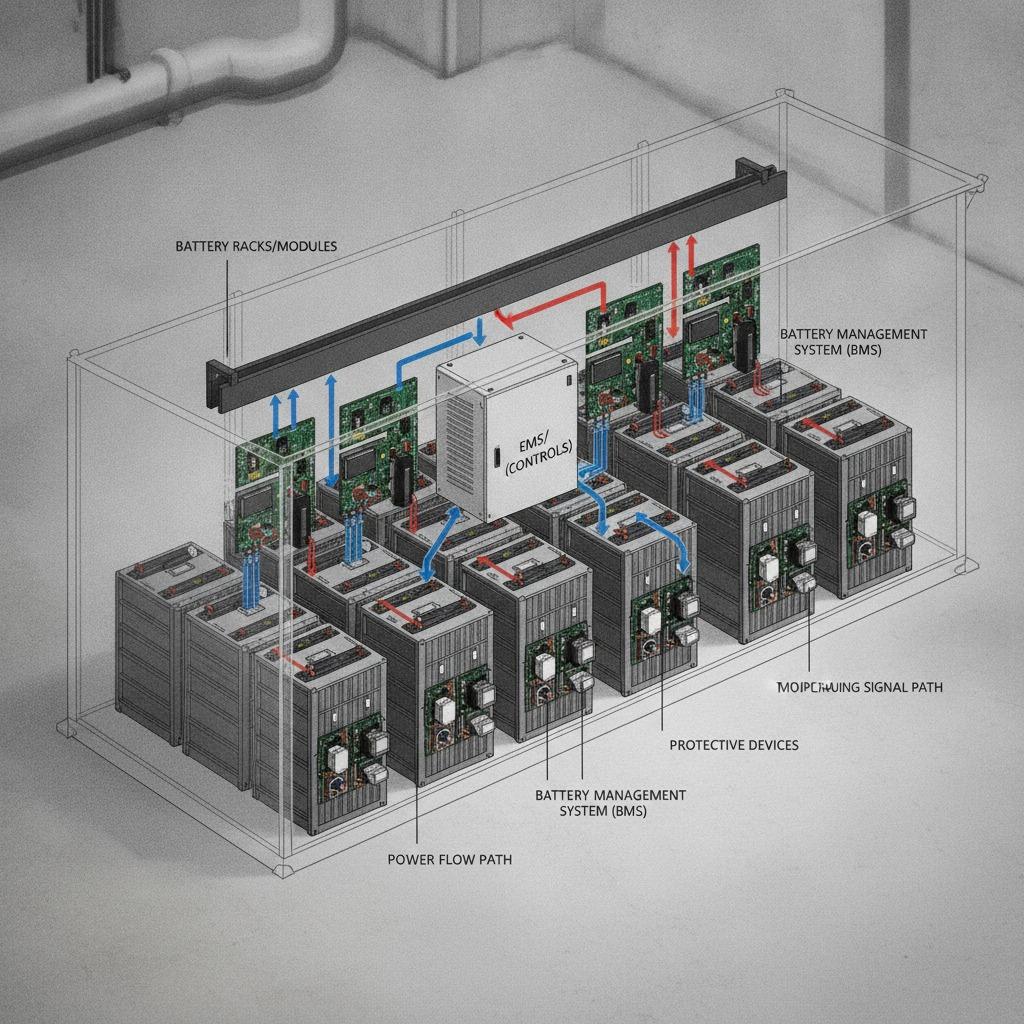
- Protection strategy and fault handling
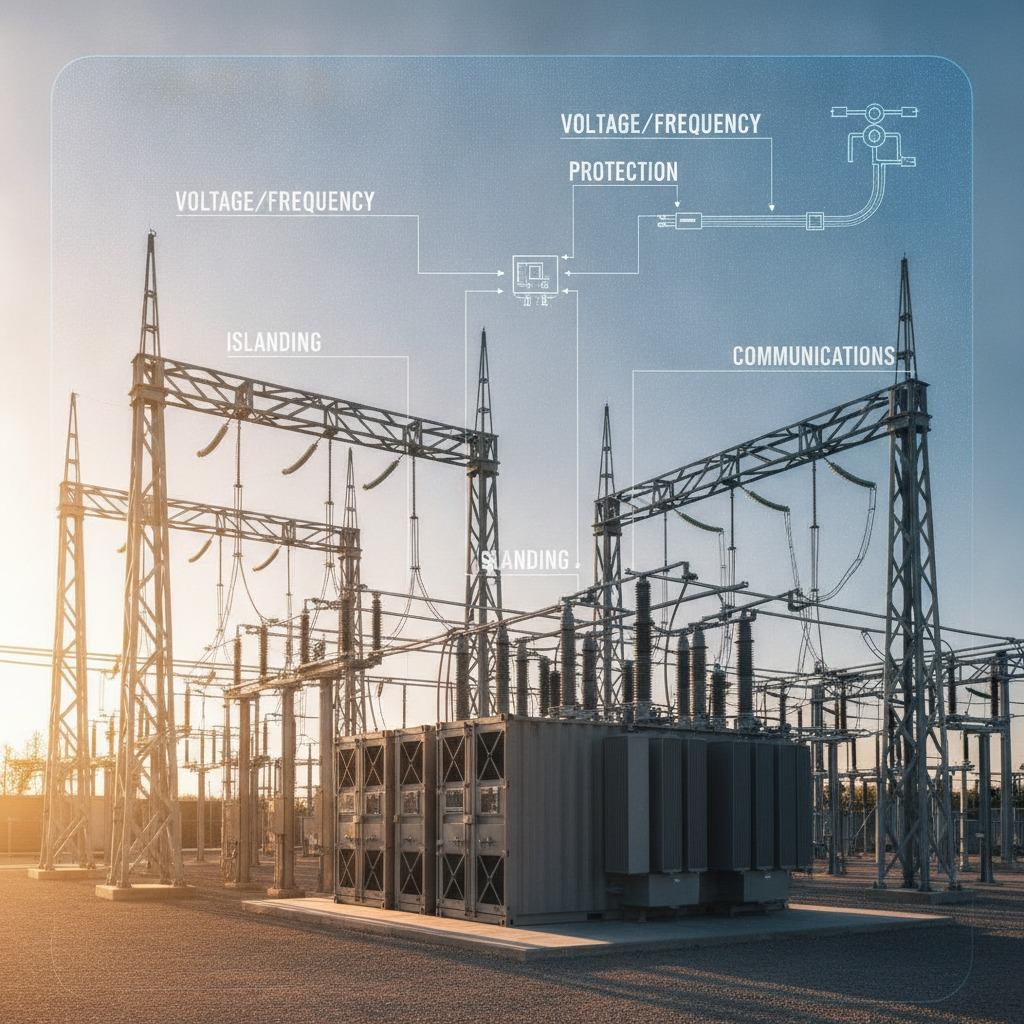
- Communication interfaces for BMS or plant control integration
- Service access requirements and replaceable parts list
These are not academic questions. They determine whether the system can support the site’s duty cycle, electrical interface, and maintenance regime. A nicely packaged cabinet with the wrong electrical profile is still the wrong cabinet.
A cautious buyer should also ask whether the product is meant for indoor or outdoor installation, whether it is part of a complete energy storage system or a subassembly, and how alarms are handled locally and remotely. Those details often separate a field-ready unit from a concept image or a partially integrated enclosure.
Common mistakes in procurement
The most common error is buying by capacity alone. kWh matters, but so do power delivery, cycle behavior, thermal design, and integration effort. Another mistake is treating all cabinet-based systems as interchangeable because they share a similar outer shell. The enclosure may look familiar while the internal architecture, service strategy, and controls differ sharply.
Another buyer trap is ignoring maintainability. A system that cannot be checked easily, isolated cleanly, or serviced without special intervention tends to become a long-term nuisance. That problem may not show up during the first acceptance test. It usually shows up after the first fault.
There is also a tendency to under-specify the control side. In reality, the HMI, alarms, interlocks, and communication layers can be just as important as the batteries or power modules. In an industrial energy storage system, the cabinet is a power product and a control product at the same time.
How this kind of system fits into modern manufacturing
Manufacturing sites are increasingly managing power as an operational variable, not just a utility bill. That shift makes energy storage systems more relevant to plant managers, electrical engineers, and sourcing teams. A modular cabinet like the one described here supports that trend because it combines enclosed power hardware with operator-facing control.
For equipment buyers, the implication is straightforward: the best system is usually the one that matches the plant’s real operating pattern and service capability, not the one with the most dramatic headline number. If a line stops often because of power instability, storage may be justified. If the issue is merely occasional backup, a simpler architecture may be enough. Overspecifying a system can be as costly as underspecifying it.
Practical next step for engineers and sourcing teams
If you are evaluating an energy storage system for a project, start with the load profile, the service model, and the integration points. Then compare cabinet architecture, module accessibility, monitoring functions, and the quality of technical documentation. If a supplier cannot clearly explain the control scheme, module replacement process, or the system’s intended operating envelope, that is a warning sign worth taking seriously.
For teams sourcing industrial power equipment, the best next step is to request a full technical datasheet, electrical one-line, and maintenance outline before moving to price comparison. The enclosure may be the visible part, but the real value is in how the whole system behaves once it is installed, commissioned, and expected to do its job on an ordinary Tuesday afternoon.