

What an ESS Energy Storage System Is Actually Solving
An ESS energy storage system is not just a box of batteries. For buyers, engineers, and project teams, it is a way to move electrical energy from when it is available to when it is valuable. That may sound simple, but it sits at the center of several hard problems: solar intermittency, peak demand charges, grid congestion, backup power needs, and the growing pressure to make renewable generation behave more like a dependable asset.
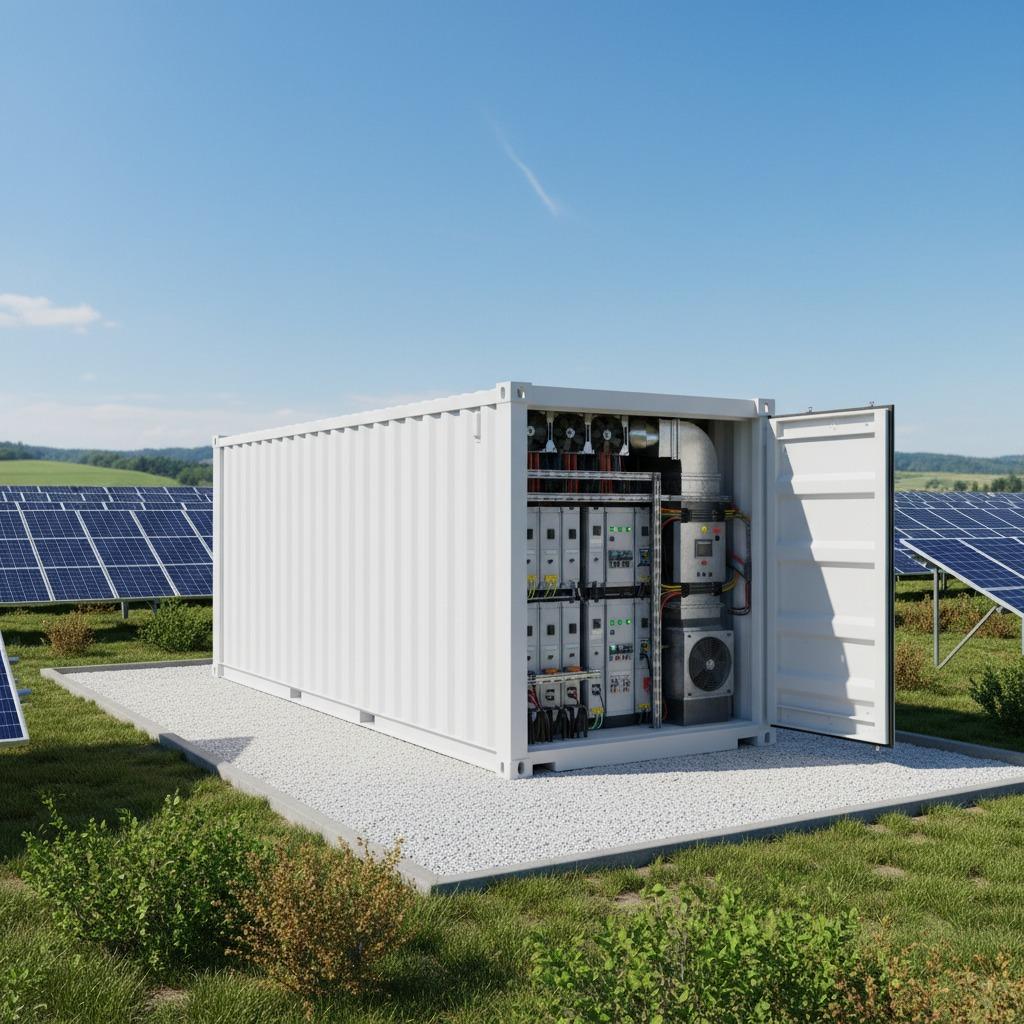
In practical terms, a containerized battery system gives a site a buffer. It can absorb excess energy, hold it, and release it later under controlled conditions. That makes it useful for solar farms, industrial plants, utility interconnection points, and facilities that cannot afford long outages or unstable voltage. The decision is rarely about batteries alone. It is about whether the whole electrical system needs flexibility, resilience, or both.
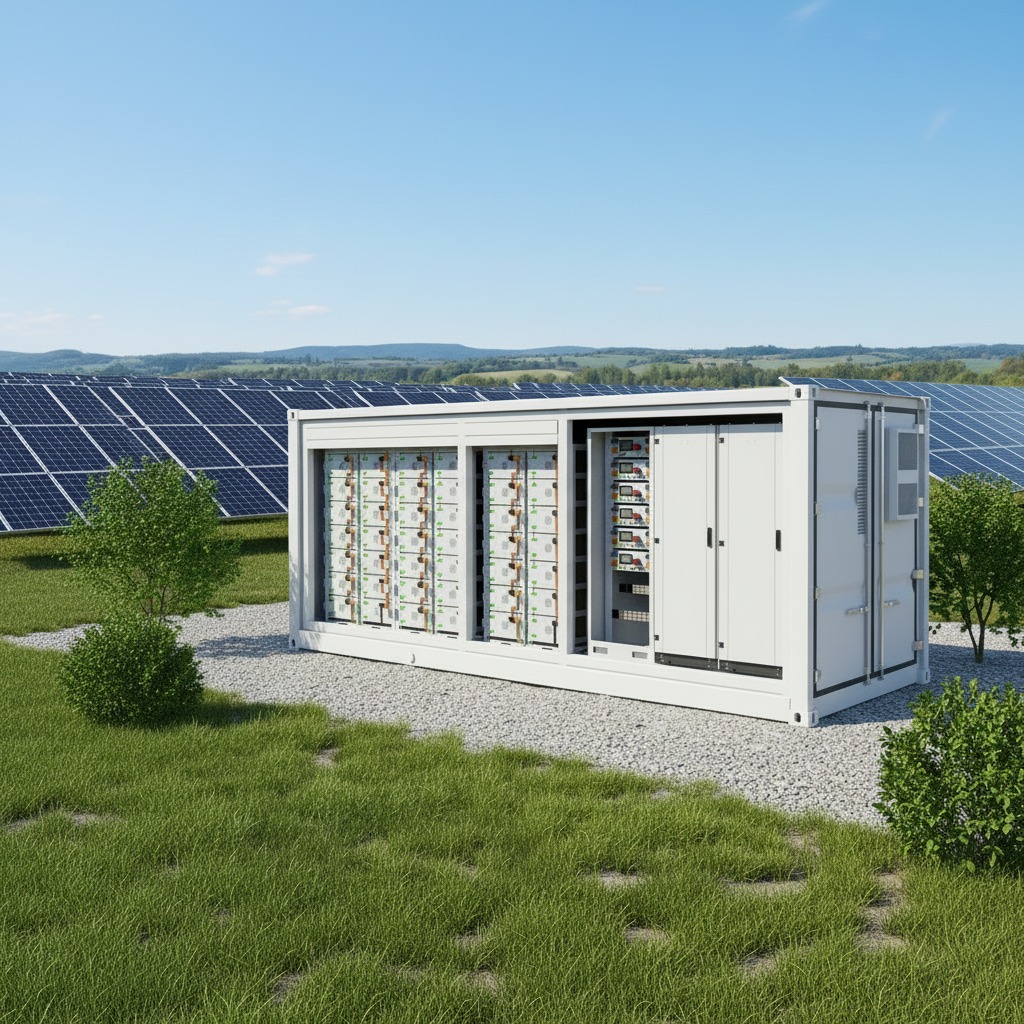
The compact containerized unit described here reflects that reality well: a rectangular steel enclosure, modular battery racks, access doors for maintenance, and adjacent power electronics and control gear. That is the shape of modern utility-scale storage—prefabricated, integrated, and meant to be deployed outdoors with limited site footprint.
Why Buyers Are Paying Closer Attention Now
The market has moved past the stage where energy storage was a niche add-on. Today, engineers and sourcing managers are asked to justify storage on operational terms. Does it reduce peak demand enough to pay back? Can it support solar self-consumption? Will it stabilize a site with weak grid conditions? Can it bridge a short outage without complicating maintenance?
That is why an energy storage system ESS should be evaluated as a piece of plant infrastructure, not as a commodity cabinet. The enclosure, battery modules, power conversion hardware, protection devices, wiring layout, ventilation or thermal management approach, and monitoring interfaces all affect how the system behaves in the field. A clean spec sheet matters, but so does service access, modularity, and how well the design fits the site’s electrical and environmental conditions.
What a Containerized System Usually Includes
From the visible product description, this is a factory-built, container-style assembly with several key elements already integrated. That matters because the real value of a containerized ESS is the reduction in field integration work.
Battery racks or modules
The unit shows stacked battery modules arranged in vertical rows. In a project setting, that kind of layout helps compress a large amount of storage into a relatively small footprint. It also supports repeatable assembly in manufacturing, which is one reason containerized systems have become so common.
Power electronics and control cabinet
Alongside the batteries, there is a control compartment with wiring, breakers or switchgear, and monitoring interfaces. That is where the system starts becoming more than stored energy. The control gear manages protection, communication, and operational coordination. If you are comparing suppliers, pay close attention to how accessible that section is for commissioning and maintenance. Tight packaging can look efficient on paper and become awkward in the field.
Steel enclosure and service access
The white or light gray painted metal housing, access doors, and side openings suggest an outdoor utility-style enclosure. For buyers, this matters because the enclosure is not just a shell; it is part of the environmental and safety strategy. You want a structure that supports service access, cable routing, and the chosen cooling or ventilation concept without turning every inspection into a production shutdown.
How an ESS Supports Different Operating Goals
The same energy storage system can be deployed for different reasons, but the operating profile changes everything. This is where many first-time buyers underestimate the project.
Solar smoothing and renewable integration
For solar sites, storage can capture midday excess and discharge during evening ramps. It helps reduce curtailment and makes output easier to plan. The benefit is not only more usable energy; it is better predictability for dispatch and grid coordination.
Peak shaving and load shifting
Industrial and commercial users often care less about absolute energy volume and more about demand peaks. An ESS battery storage system can shave those peaks, lowering strain on feeders and, in some cases, helping control demand-based utility charges. The catch is that the control strategy must be tuned to the site’s actual load curve, not a generic average.
Backup and resilience
For critical loads, storage can provide ride-through or short-duration backup. That is not the same as a full backup generator replacement, and it should not be treated that way unless the system is specifically designed for it. A careful buyer will ask what loads are supported, for how long, and under what switching conditions.
Grid support and stabilization
At utility scale, storage can help with frequency response, voltage support, and congestion management. In these applications, integration quality matters as much as capacity. Fast control response, protection coordination, and communications compatibility can make or break the project.
Quick Buyer Comparison: What to Look at First
If you are evaluating a containerized ESS, start with the parts that are easiest to overlook and hardest to fix later.
- System architecture: How are batteries, controls, and power electronics arranged?
- Serviceability: Can technicians reach key components without removing half the enclosure?
- Site fit: Does the footprint suit outdoor installation and cable routing?
- Operating profile: Is the system intended for cycling, standby, peak shaving, or grid support?
- Integration readiness: Are monitoring, switchgear, and interface requirements clear?
That list sounds basic, but it is where many procurement problems begin. An attractive packaged unit can still be a poor match if it is built for a different duty cycle or a different climate strategy.
Selection Criteria That Actually Matter
The safest way to buy an ESS energy storage system is to work backward from use case. Capacity, power output, thermal management, protection features, and controls all depend on how the system will be used. Since the product details provided here do not specify chemistry, rating, or certification status, it would be a mistake to assume those details are standard across all systems. They are not.
Instead, ask suppliers to define the operating envelope in plain language. How often will the system cycle? What ambient conditions are expected? How is heat managed? How is fault isolation handled? What data is available to the operator? What maintenance access is required and how often?
For utility and industrial buyers, the enclosure design also deserves more attention than it usually gets. A containerized steel housing is convenient, but the internal arrangement should still support practical field work. Tight wiring paths, unclear labeling, or crowded access around switchgear can create downstream service headaches. Those headaches are expensive because they show up after commissioning, when everyone is trying to keep the site online.
Common Mistakes in ESS Procurement
One of the most common mistakes is buying to a headline number. Capacity alone does not tell you whether the system will satisfy the project. A second mistake is assuming that outdoor packaging solves the engineering. It does not. Outdoor-sited systems still need a coherent plan for thermal control, safety, maintenance access, and electrical integration.
Another trap is underestimating the impact of controls. The battery rack can be well built, and the enclosure can be tidy, but if the monitoring and protection logic are not aligned with the site requirements, the system becomes harder to operate than it should be. That is particularly true in renewable integration projects, where the ESS must coordinate with inverters, site controllers, and grid demands.
Why the Containerized Format Keeps Winning
The reason containerized systems keep gaining ground is not fashion. It is manufacturing logic. A prefabricated energy storage enclosure reduces field labor, creates a repeatable build process, and shortens site installation complexity. For large projects, those advantages can outweigh the tradeoff of a more compact, less customizable format.
The visible open-front arrangement and service doors also show the direction the industry has taken: integrate as much as possible in the factory, then preserve enough access for commissioning and maintenance. That balance is not always easy to get right, but it is what buyers should expect from a serious supplier.
FAQ: Questions Buyers Ask Before Committing
Is every ESS energy storage system the same?
No. Systems differ by battery chemistry, power conversion design, enclosure structure, thermal strategy, control architecture, and intended duty cycle. Those differences affect both performance and lifecycle cost.
Can one system cover solar, backup, and peak shaving at the same time?
Sometimes, but only if the system is sized and controlled for those combined duties. Mixed-use operation often requires careful prioritization so one function does not undermine another.
What should I ask a supplier first?
Start with the operating profile, the enclosure layout, maintenance access, and the integration approach. Then move to the details that are project-specific, such as communications, protection coordination, and site conditions.
A Practical Next Step for Engineers and Sourcing Teams
If you are comparing an ESS battery storage package for a project, do not begin with price alone. Start with the load profile, grid requirement, and site constraints. Then ask how the supplier’s containerized design supports those needs in real operation, not just in a brochure.
For buyers, the best next move is usually to request a system layout, service access description, and integration scope before the commercial discussion gets too far ahead of the engineering. That keeps the project grounded. It also makes it much easier to separate a well-thought-out energy storage system ESS from one that is simply packaged to look complete.






