
Understanding Lithium Battery Technology
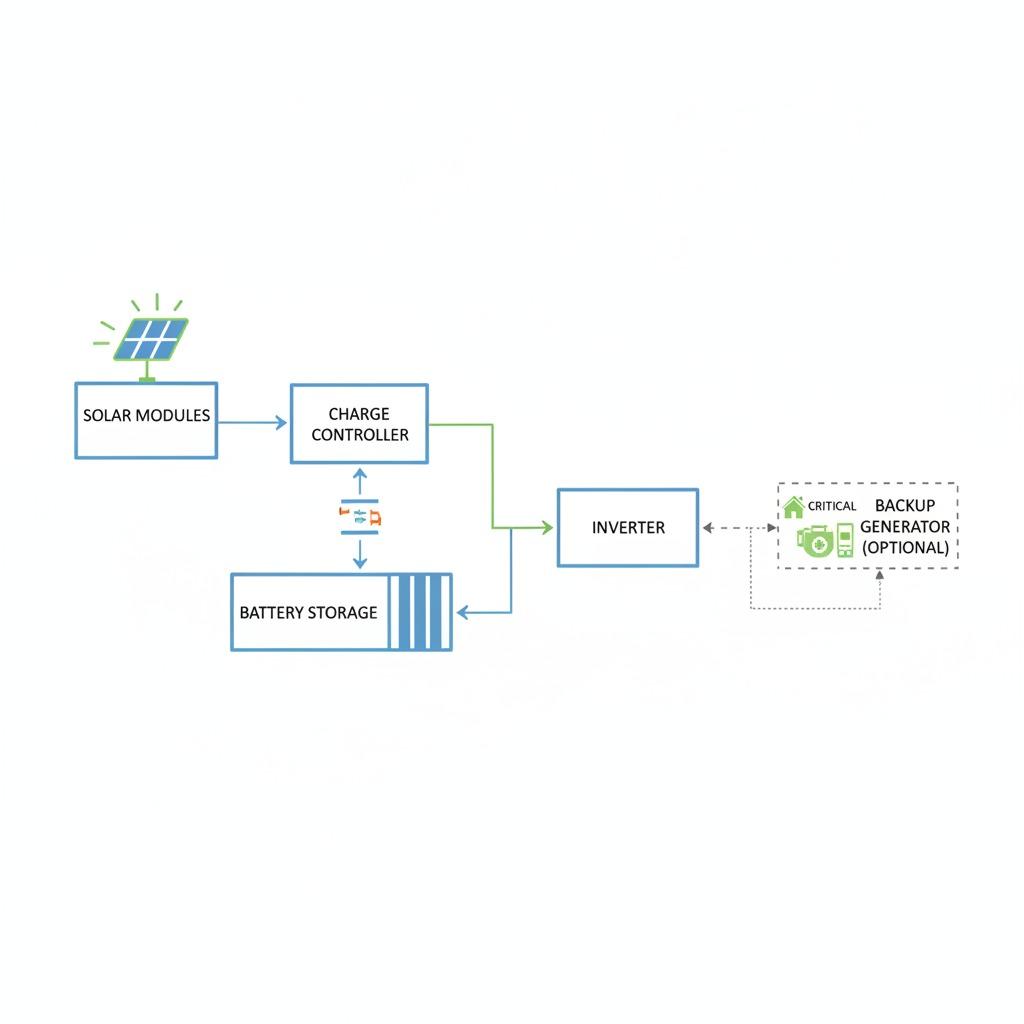
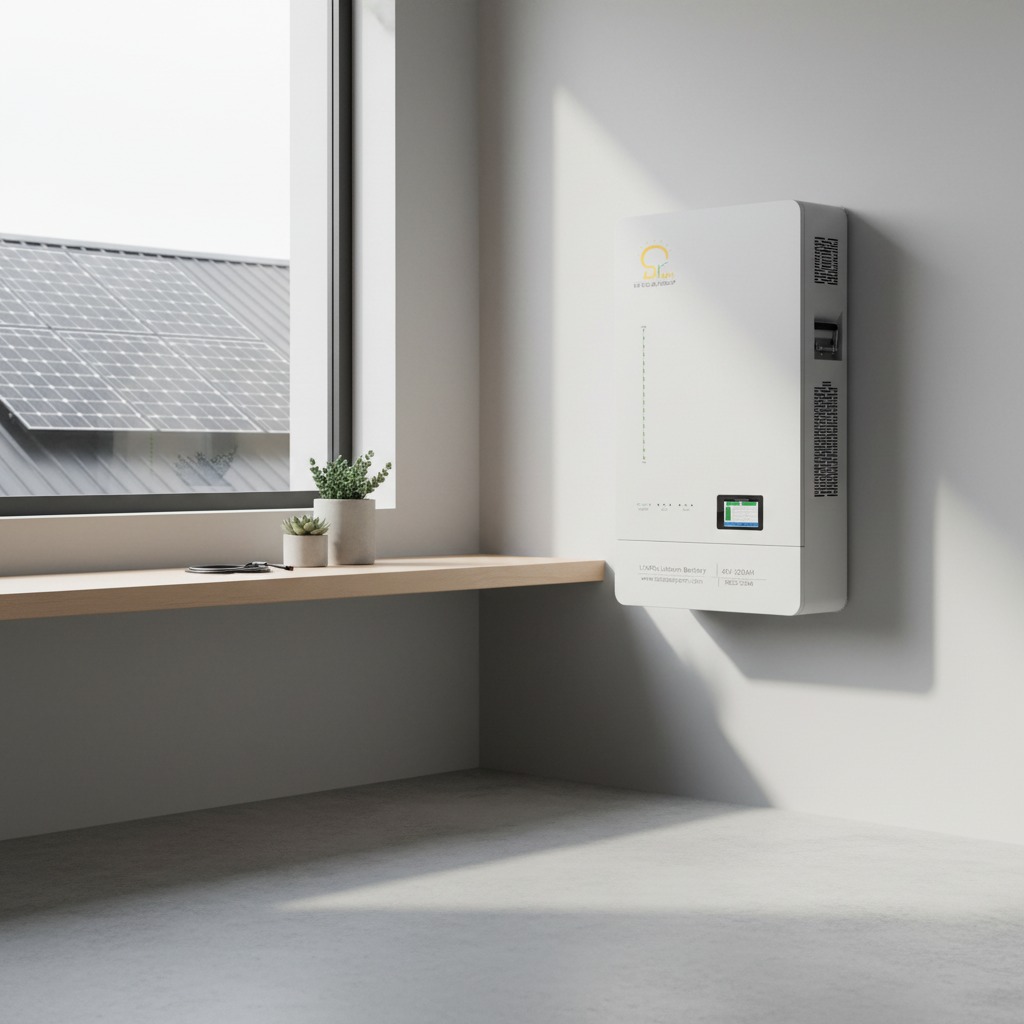
Lithium Battery Technology has revolutionized the way we store and utilize energy in modern applications. At its core, this technology leverages lithium ions to facilitate the movement of charge between the anode and cathode, enabling efficient power delivery. As a leader in renewable energy solutions, BR Solar Group is at the forefront of advancing this technology through innovative products like the LiFePO₄ Lithium Battery, which exemplifies reliability and high performance in energy storage.
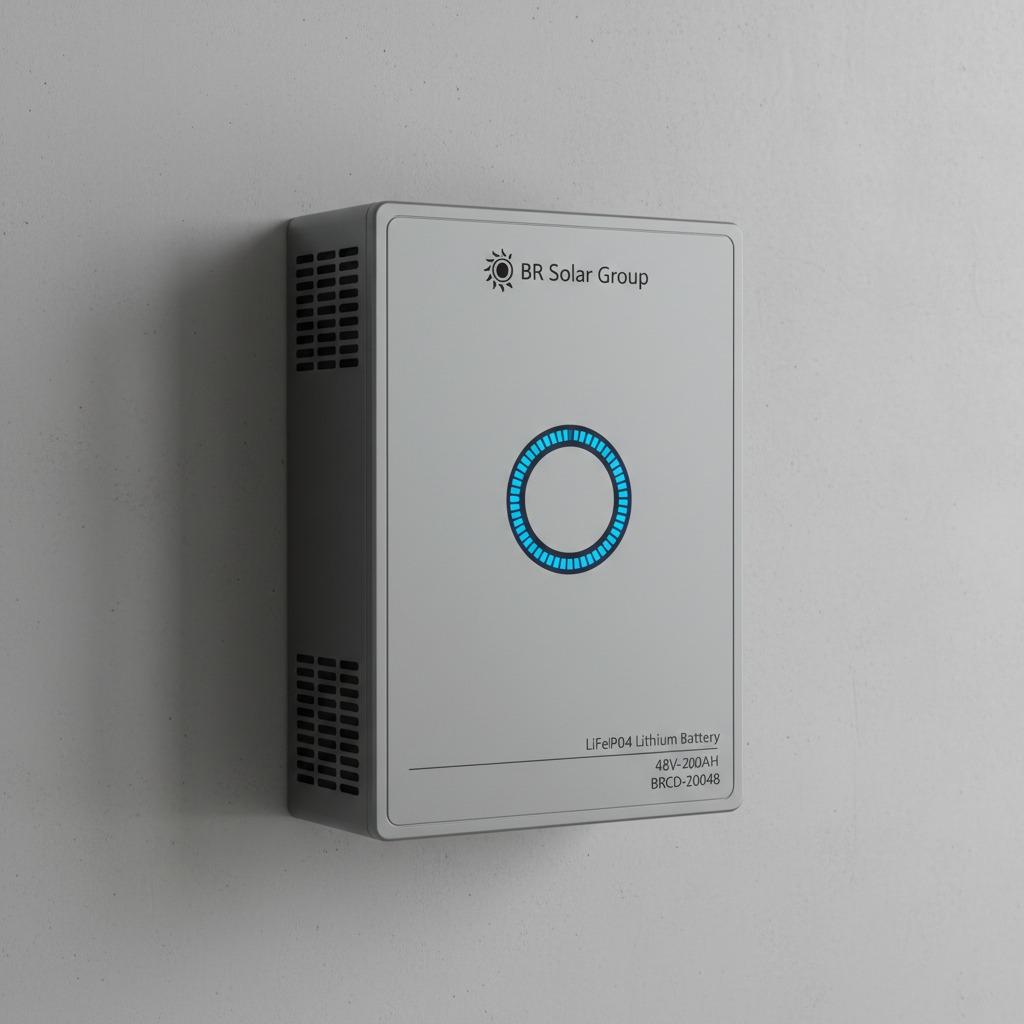
This advancement stems from the unique properties of lithium, which allows for higher energy density compared to traditional batteries. Lithium Battery Technology is not just about capacity; it's about creating sustainable solutions that power everything from household devices to large-scale solar systems. The integration of smart features, such as real-time monitoring, further enhances its usability, making it indispensable in today's eco-conscious world.
Exploring Rechargeable Lithium Batteries
Rechargeable Lithium Batteries represent a cornerstone of portable and renewable energy systems. These batteries can undergo hundreds of charge-discharge cycles with minimal degradation, thanks to their chemical composition that minimizes memory effects. For instance, the BR SOLAR GROUP LiFePO₄ Lithium Battery offers a robust 48V and 200Ah capacity, designed specifically for solar energy systems where consistent recharging from renewable sources is key.
The rechargeability of these batteries is enhanced by advanced management systems that prevent overcharging and deep discharging, extending their lifespan significantly. In practical terms, this means users can rely on them for backup power in residential settings or as primary storage in off-grid applications. BR Solar Group's commitment to quality ensures that their rechargeable lithium batteries meet international standards, providing peace of mind for users worldwide.
Moreover, the efficiency of rechargeable lithium batteries in retaining charge over time makes them superior for intermittent energy sources like solar panels. With features like Bluetooth 5.0 connectivity in models such as the BRLFP12.8-200, monitoring recharge status becomes seamless, allowing for optimized energy use.
Lithium Battery Applications in Everyday Life
Lithium Battery Applications span a wide array of sectors, from consumer electronics to industrial machinery. In the realm of renewable energy, these batteries are pivotal for storing solar-generated power, ensuring a steady supply even during low sunlight periods. The BR SOLAR GROUP's 12.8V/200Ah BRLFP12.8-200 battery, with its 2560Wh energy reserve, is ideal for UN and NGO projects, powering critical operations in remote areas across 159 countries.
Beyond solar, lithium battery applications include electric vehicles, where their high energy density supports longer ranges, and medical devices that require compact, reliable power sources. For commercial use, these batteries facilitate uninterruptible power supplies, preventing data loss in servers or operational halts in manufacturing. The versatility of BR Solar Group's products, compliant with CE, RoHS, MSDS, and UN38.3 certifications, makes them suitable for global deployment in diverse environments.
In residential settings, lithium battery applications enable smart home systems, integrating with IoT devices for automated energy management. This broad applicability underscores the transformative impact of lithium battery technology on daily life, promoting sustainability and efficiency.
The Process of Lithium Battery Manufacturing
Lithium Battery Manufacturing involves intricate processes to ensure quality and safety from raw material sourcing to final assembly. It begins with the extraction and refinement of lithium compounds, followed by the creation of electrode materials—typically graphite for the anode and lithium metal oxides for the cathode. BR Solar Group employs state-of-the-art facilities to produce batteries like the LiFePO₄ series, focusing on precision to achieve optimal performance.
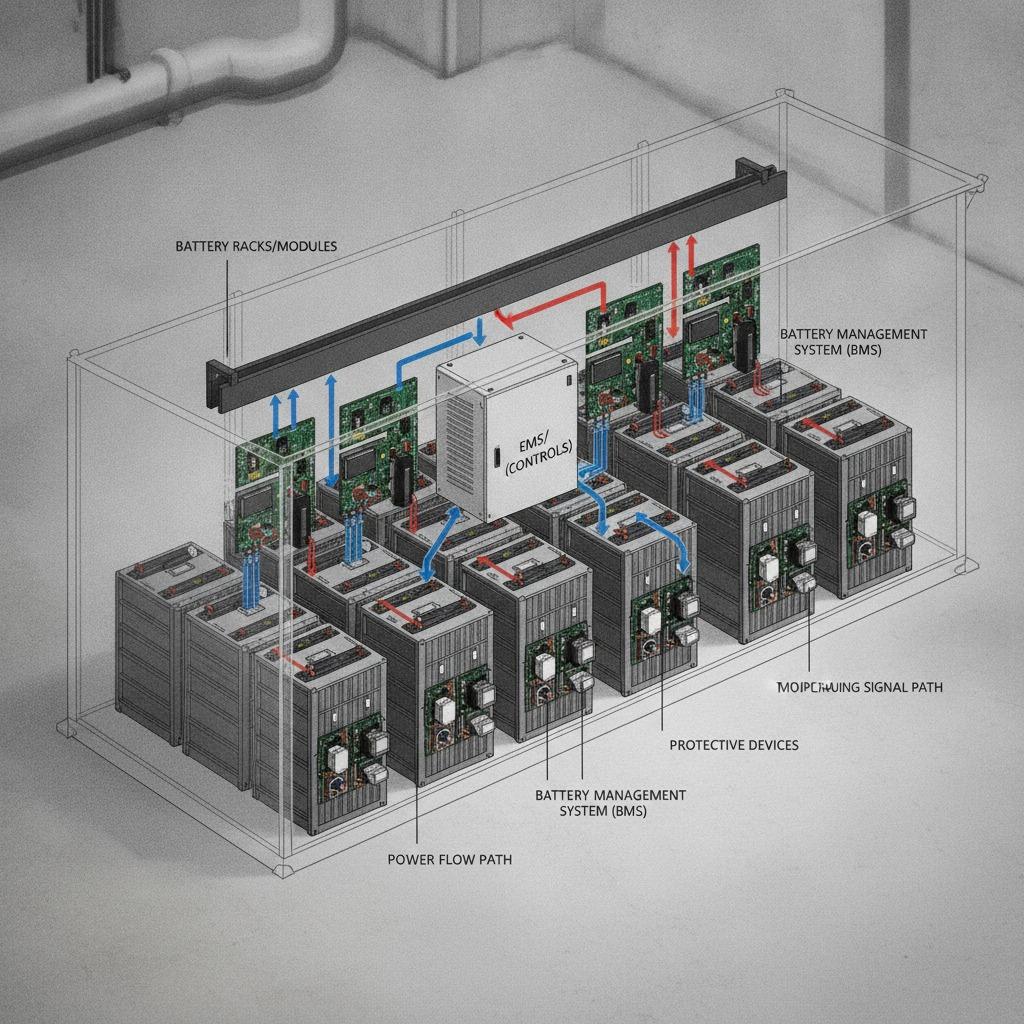
Key stages include coating electrodes with active materials, assembling cells in a controlled environment to avoid contamination, and integrating battery management systems (BMS) for protection against voltage anomalies. The manufacturing of the BRLFP12.8-200, for example, incorporates advanced LiFePO₄ chemistry, which is known for its stability, reducing the risk of defects during production.
Quality control in lithium battery manufacturing is rigorous, involving tests for capacity, cycle life, and thermal stability. BR Solar Group's dedication to innovation ensures their manufacturing processes align with global safety standards, resulting in products that are durable and efficient for demanding applications.
Prioritizing Lithium Battery Safety
Lithium Battery Safety is paramount, given the potential risks associated with high-energy density storage. Modern designs incorporate multiple safeguards, such as thermal runaway prevention and overcurrent protection. The BR SOLAR GROUP LiFePO₄ Lithium Battery stands out with its inherent safety features, being less prone to overheating and overcharging due to the stable phosphate-based chemistry.
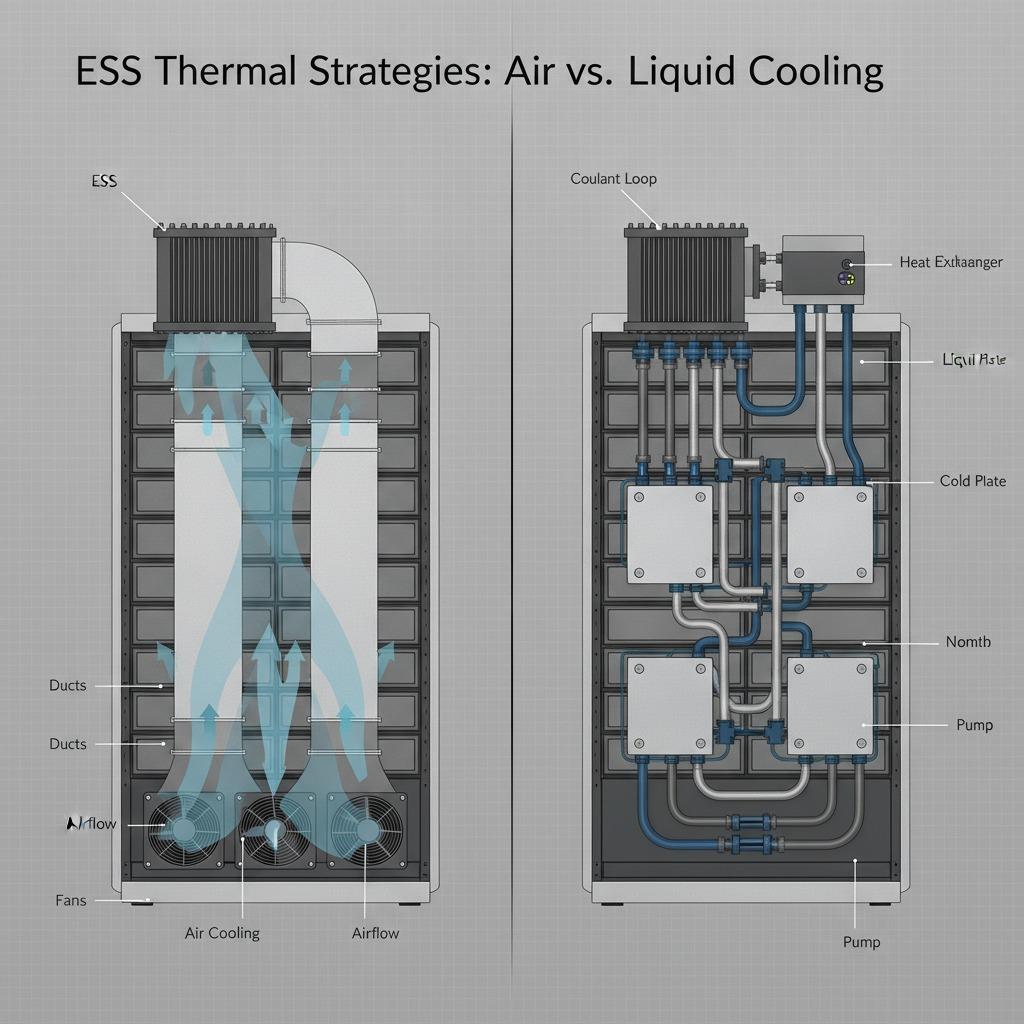
Safety measures include dedicated ventilation systems for thermal management and status indicators like ON/OFF, ALARM, and RUN lights for immediate feedback. In the BRLFP12.8-200 model, sophisticated protections against fire, explosion, and electrical hazards are built-in, operating reliably from -20°C to 60°C. These features make it a trusted choice for critical applications in UN projects and beyond.
Education on proper handling and storage further enhances lithium battery safety. Users are advised to avoid extreme temperatures and physical damage, ensuring longevity and risk mitigation. BR Solar Group's emphasis on certified, safe products reflects their commitment to user well-being.
Enhancing Lithium Battery Efficiency
Lithium Battery Efficiency is a critical factor that determines the overall value of energy storage solutions. Efficiency is measured by how effectively a battery converts stored energy into usable power, with minimal losses during charge and discharge cycles. The BR SOLAR GROUP's batteries achieve high efficiency through optimized cell design and intelligent BMS, supporting a maximum discharge current of 100A while maintaining voltage stability at 14.6V charging.
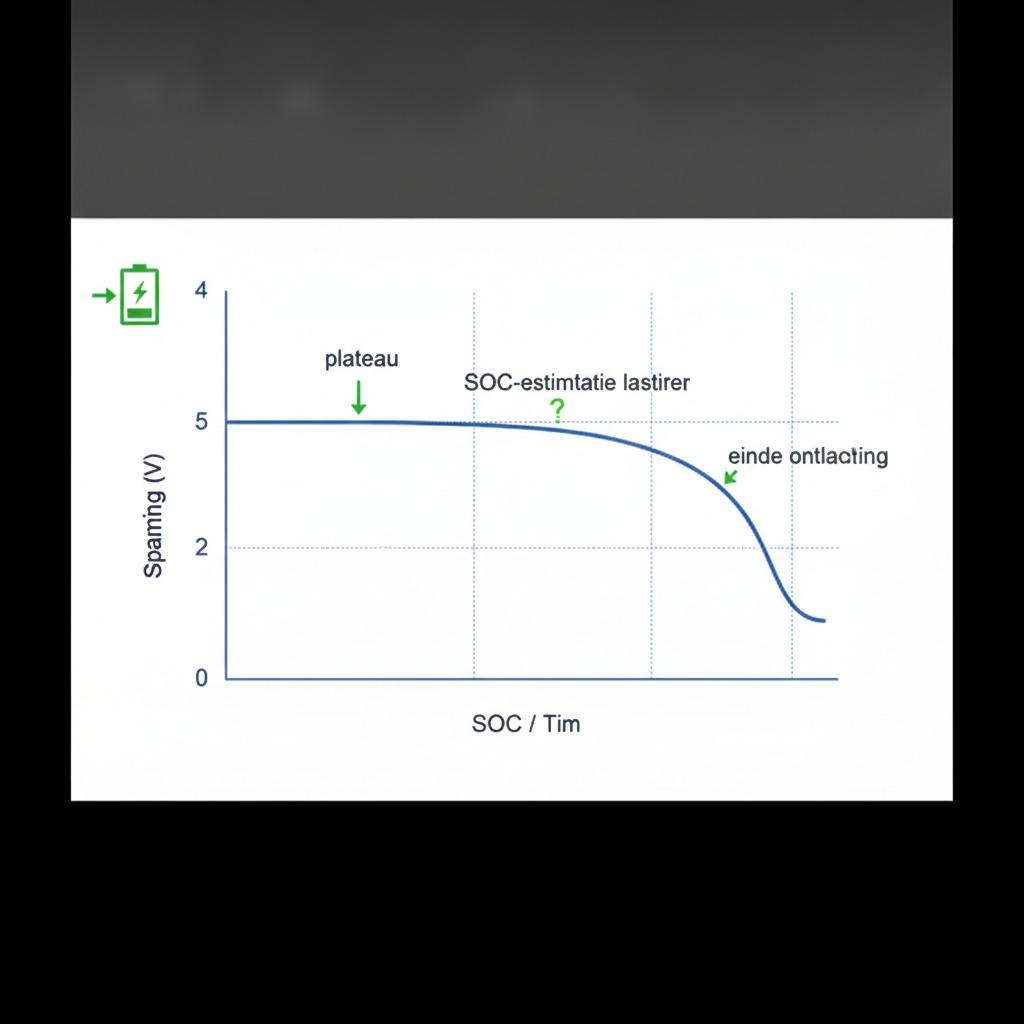
Factors influencing efficiency include internal resistance and chemical stability; LiFePO₄ technology excels here by offering low self-discharge rates and high coulombic efficiency. For solar applications, this translates to maximized utilization of harvested energy, reducing waste and costs over time. The intuitive screens on BR Solar Group products provide real-time data, helping users fine-tune operations for peak efficiency.
Advancements in materials and design continue to boost lithium battery efficiency, enabling longer operational times in portable devices and grid storage. By choosing efficient solutions like those from BR Solar Group, users contribute to sustainable energy practices while benefiting from reliable performance.
In summary, Lithium Battery Technology, encompassing rechargeable variants, diverse applications, meticulous manufacturing, stringent safety protocols, and superior efficiency, is driving the future of energy storage. BR Solar Group's innovative lineup, including the LiFePO₄ and BRLFP12.8-200 batteries, exemplifies these principles, offering robust, eco-friendly options for a greener tomorrow. With global reach and proven reliability, these solutions empower users to harness renewable energy effectively.