
Unlocking the Power of a Home Solar Power System: Your Guide to Sustainable Living
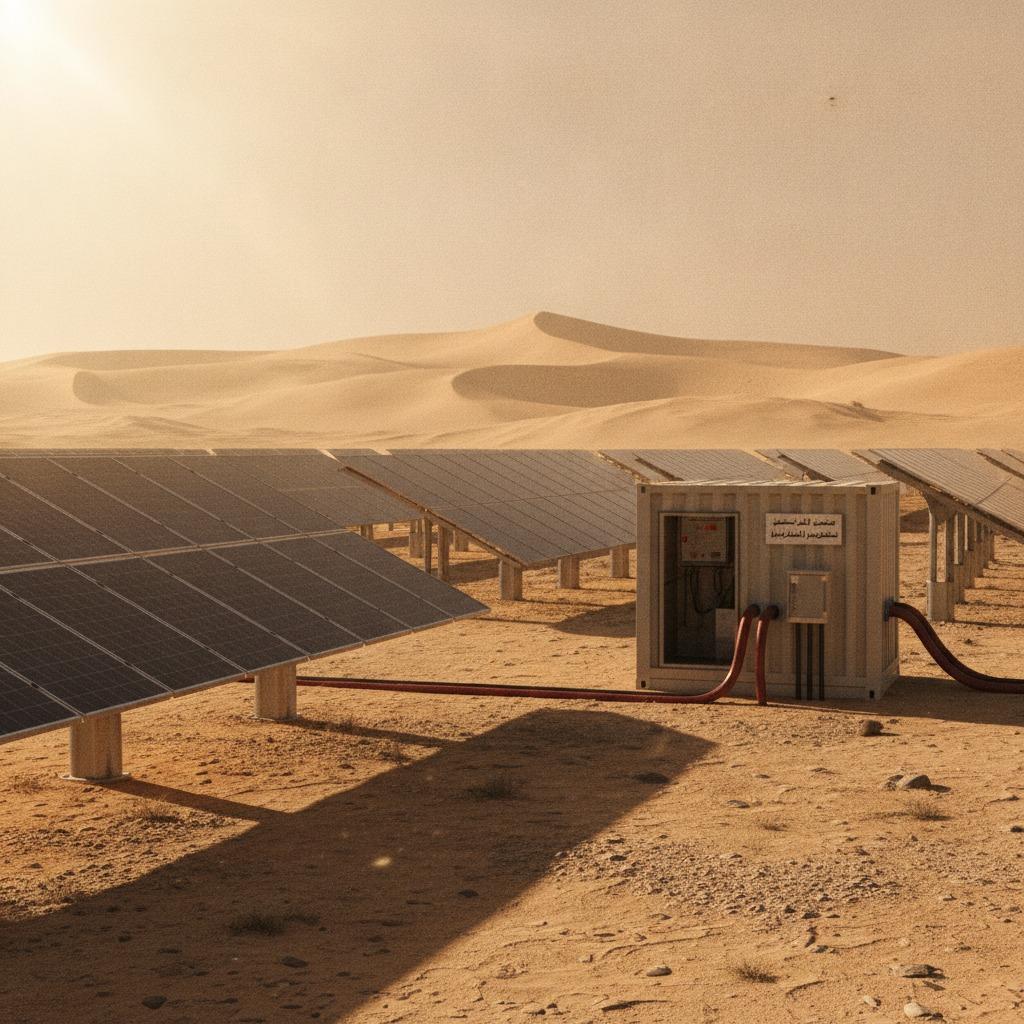
In today's world, embracing a home solar power system is more than just a trend—it's a smart investment in your future. As energy costs rise and environmental concerns grow, homeowners are turning to solar energy for homes to achieve greater independence and efficiency. A well-designed home solar power system harnesses the sun's abundant rays to generate clean, reliable electricity, reducing reliance on traditional power grids. This not only lowers utility bills but also contributes to a greener planet by minimizing carbon emissions. Whether you're building a new home or retrofitting an existing one, integrating residential solar panels can transform how you power your daily life.
Understanding Solar Energy for Homes: The Basics
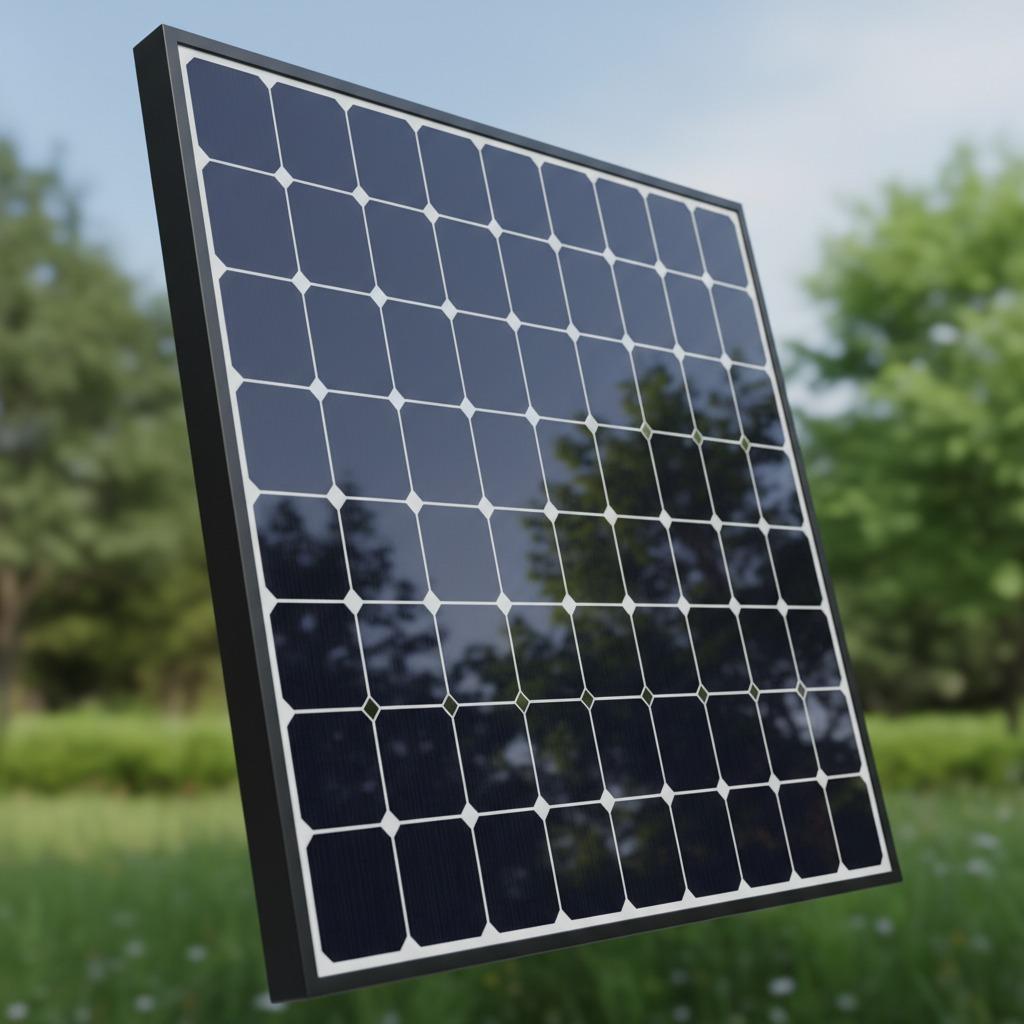
Solar energy for homes operates on a simple yet powerful principle: photovoltaic cells convert sunlight into usable electricity. At the heart of any effective setup are high-quality residential solar panels, like the cutting-edge Monocrystalline Solar Panels that feature sleek black cells for maximum efficiency. These panels are designed to capture sunlight even in suboptimal conditions, ensuring consistent performance throughout the day. For instance, monocrystalline technology allows for higher power output per square foot compared to older polycrystalline options, making it ideal for space-constrained rooftops.
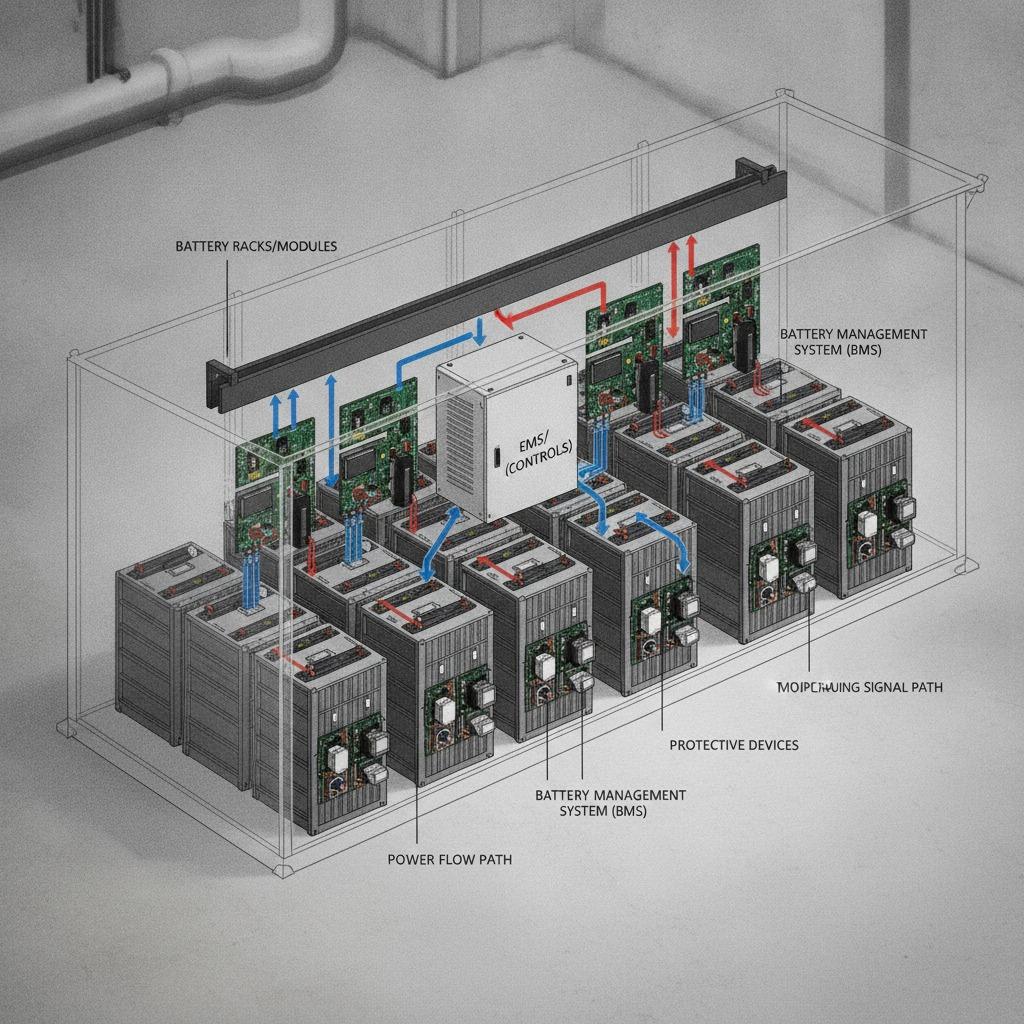
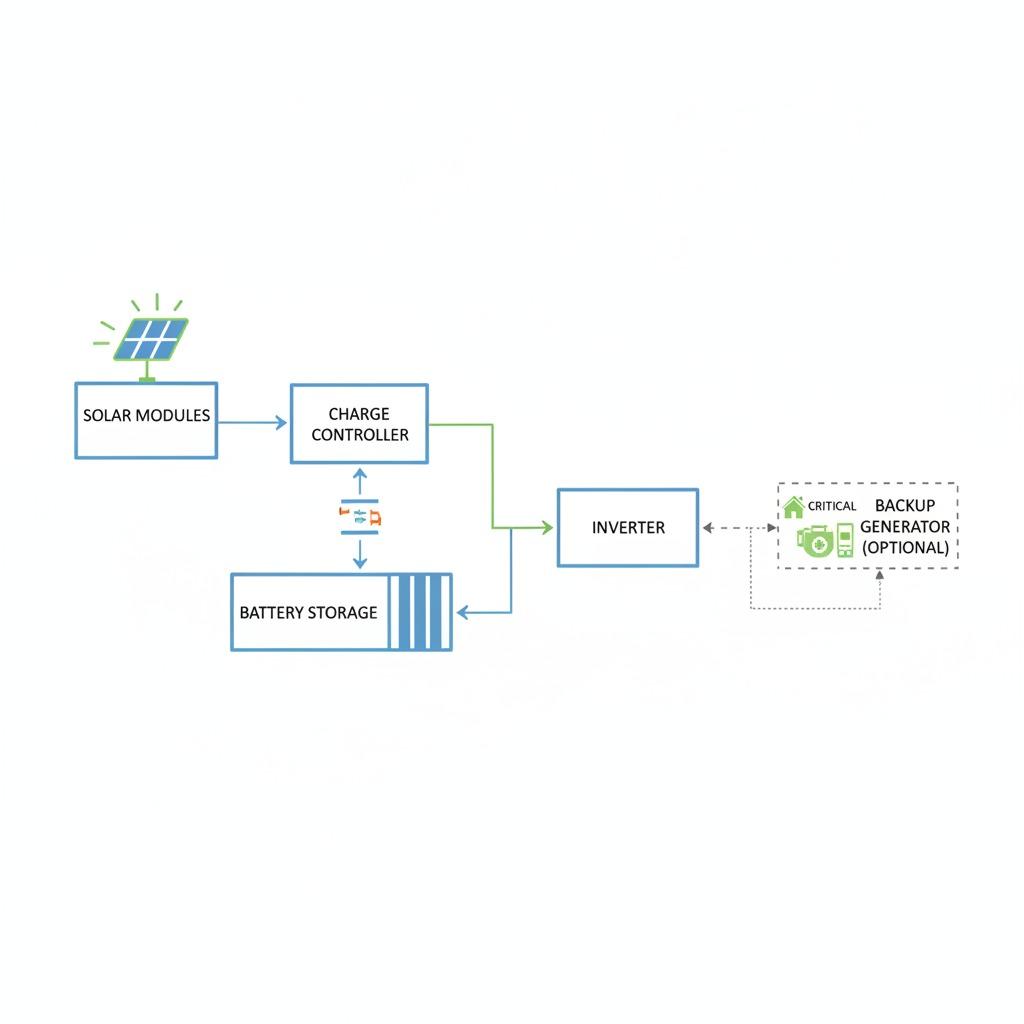
Installing a home solar power system typically involves assessing your energy needs, selecting the right panel array, and integrating components like inverters and batteries for storage. Clean energy solutions such as these not only provide immediate savings—often recouping the initial investment within 5-7 years through incentives like tax credits—but also increase property value. Homeowners report up to 20-30% reductions in monthly electricity bills, with the added benefit of energy security during outages. Moreover, as global demand for renewables surges, adopting solar energy for homes positions you at the forefront of sustainable innovation.
The Advantages of Residential Solar Panels in Modern Homes
Residential solar panels offer a multitude of benefits that extend beyond mere cost savings. One key advantage is their durability; crafted with robust frames, these panels withstand harsh weather, from scorching summers to freezing winters, ensuring a lifespan of 25 years or more. The high-efficiency models, with their advanced photovoltaic cells, optimize energy capture, delivering superior output even on cloudy days. This reliability makes them a cornerstone of clean energy solutions for households seeking long-term stability.
Environmentally, a home solar power system plays a vital role in reducing your carbon footprint. By generating electricity from the sun, you're displacing fossil fuel-based power, which can cut greenhouse gas emissions equivalent to planting hundreds of trees annually. Financially, many regions offer rebates and net metering programs that credit excess energy back to the grid, further enhancing returns. Aesthetically, modern designs with minimalistic frames blend seamlessly with contemporary architecture, enhancing curb appeal without compromising functionality. For families, this means cleaner air, lower energy costs, and a legacy of sustainability for generations to come.
Implementing Clean Energy Solutions: Step-by-Step Guide
Transitioning to clean energy solutions starts with a professional assessment of your home's solar potential. Factors like roof orientation, shading, and local sunlight hours determine the optimal size of your home solar power system. Once evaluated, selecting residential solar panels is crucial—opt for those with monocrystalline cells for their elegance and performance, as they provide high power output while maintaining a sleek appearance that complements any home design.
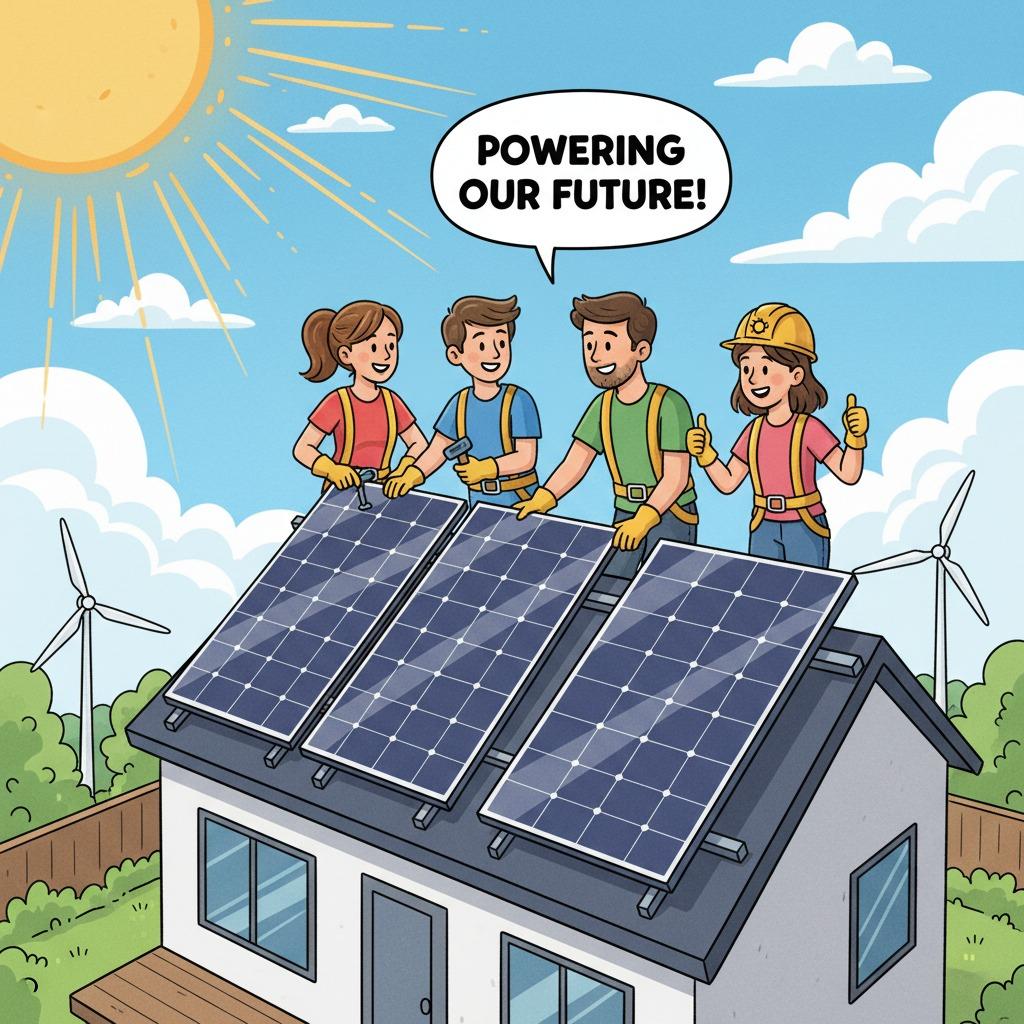
The installation process is straightforward and minimally invasive, often completed in a few days by certified technicians. Post-installation, monitoring systems allow you to track energy production via apps, ensuring your solar energy for homes setup runs at peak efficiency. Maintenance is low-key; occasional cleaning and inspections keep panels performing optimally. To maximize benefits, pair your system with energy-efficient appliances and consider battery storage for off-grid capabilities during peak demand or blackouts. This holistic approach not only amplifies savings but also fortifies your home against rising energy prices.
Overcoming Common Challenges with Home Solar Power Systems
While the prospect of a home solar power system is exciting, some homeowners worry about upfront costs or suitability. Initial investments range from $10,000 to $30,000 depending on system size, but federal incentives like the Investment Tax Credit can offset up to 30% of expenses. For those in less sunny areas, advancements in panel technology ensure viable solar energy for homes even with moderate sunlight—high-efficiency cells boost output by capturing diffuse light effectively.
Another concern is space; however, residential solar panels are increasingly compact, allowing installations on varied surfaces like garages or ground mounts. Integration with smart home systems further simplifies management, automating energy use to prioritize solar power. By addressing these hurdles through informed planning, clean energy solutions become accessible to virtually any household, democratizing renewable energy and fostering widespread adoption.
The Future of Solar Energy for Homes and Beyond
Looking ahead, the evolution of home solar power systems promises even greater innovations, such as flexible panels and AI-optimized energy management. As battery technology improves, storing excess solar energy becomes more affordable, enabling full energy independence. Residential solar panels will continue to drive the shift toward clean energy solutions, with projections indicating solar could power over 50% of U.S. homes by 2030.
Embracing this technology today not only secures your financial and environmental future but also inspires communities to prioritize sustainability. Whether motivated by cost savings, ecological impact, or technological curiosity, a home solar power system represents a pivotal step toward a brighter, cleaner tomorrow. Start your journey into solar energy for homes now and experience the transformative power of the sun.