
How Long Will a Solar Battery Power a House? The Real Answer Depends on the Load
If you are asking how long will a solar battery power a house, the honest answer is that it depends less on the battery label and more on what the house is actually running. A battery that looks generous on paper can disappear quickly once you add HVAC, well pumps, cooking appliances, and the usual background loads that never seem to switch off. For engineers, sourcing teams, and product planners, that makes this less of a trivia question and more of a sizing question.
The core issue is simple: a battery stores energy, but a house consumes it in a highly uneven way. Two homes with the same square footage may have very different backup durations because one is heavily electric, while the other uses gas for space heating or cooking. Even the same home can behave differently from season to season. That is why buyers should be wary of broad promises like “all-night backup” unless the assumptions are clearly stated.
Start with the three numbers that matter
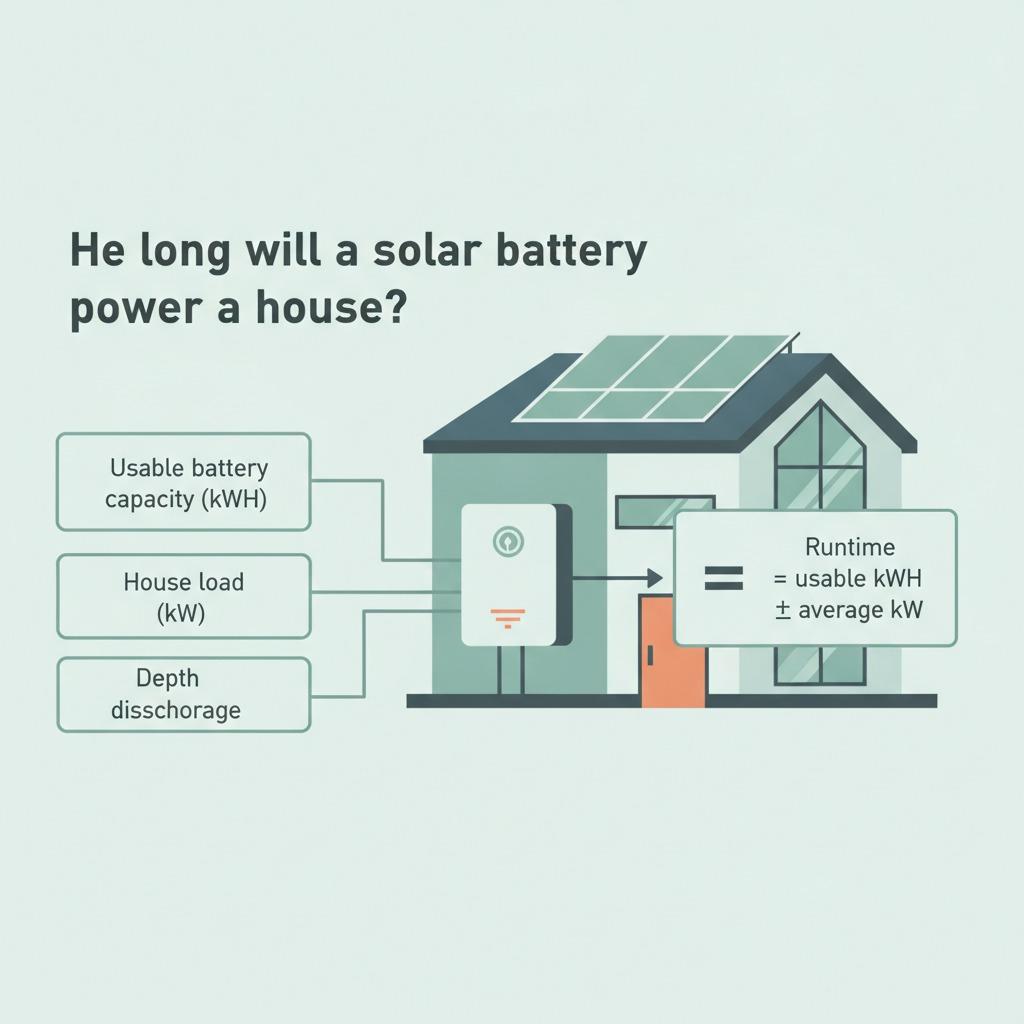
To estimate runtime, you usually need three things: battery capacity, usable depth of discharge, and household load.
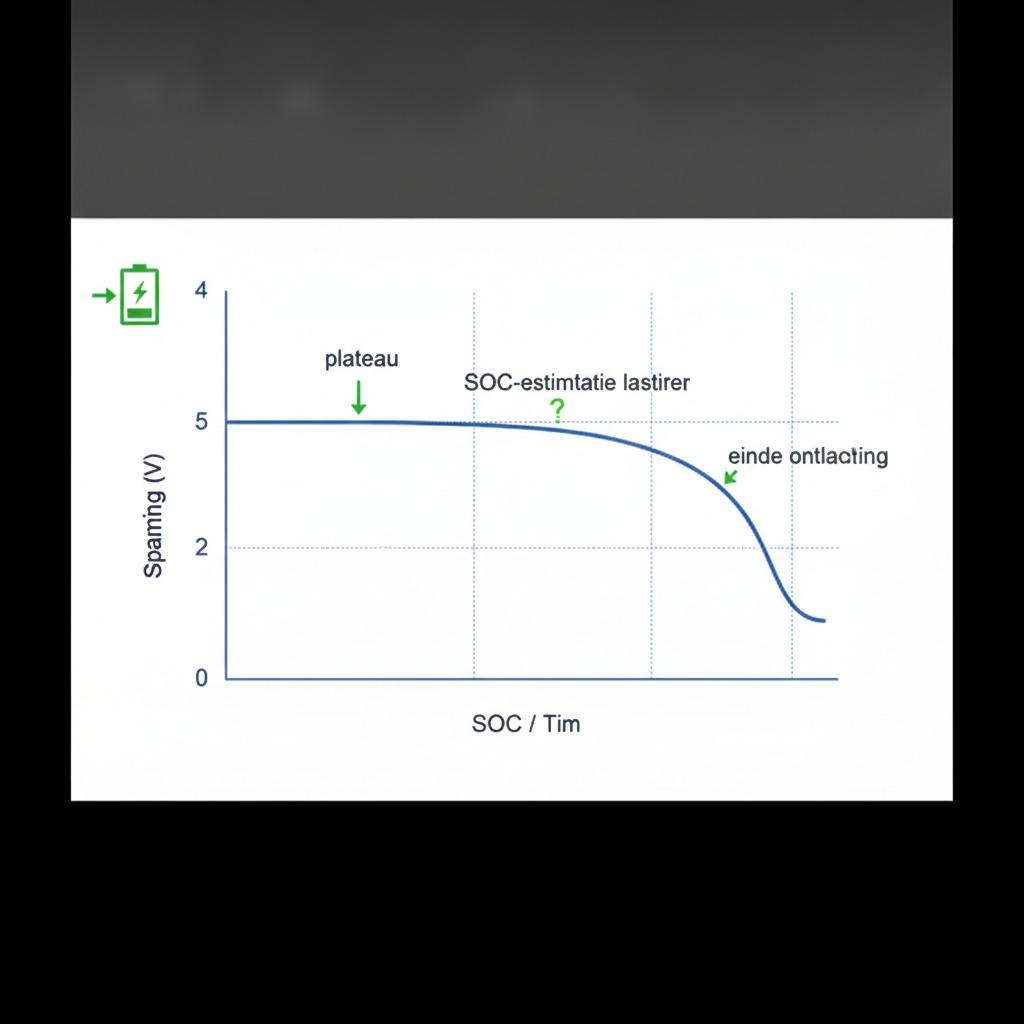
Battery capacity is often shown in kilowatt-hours, or kWh. That number tells you how much energy the battery can store. Usable capacity is the portion you can realistically draw without shortening battery life or ignoring the system’s battery management limits. Household load is the average power demand, measured in kilowatts, of the circuits you want to support.
A simple way to think about it is this:
Runtime in hours = usable battery capacity ÷ average house load
That formula is useful, but only as a starting point. Real-world loads surge and drop. A refrigerator cycles. A furnace blower starts and stops. A sump pump may run for minutes and then sit idle. If you are sizing a system for resilience, the peak loads matter too, not just the average.
Quick reference: what a battery can and cannot do
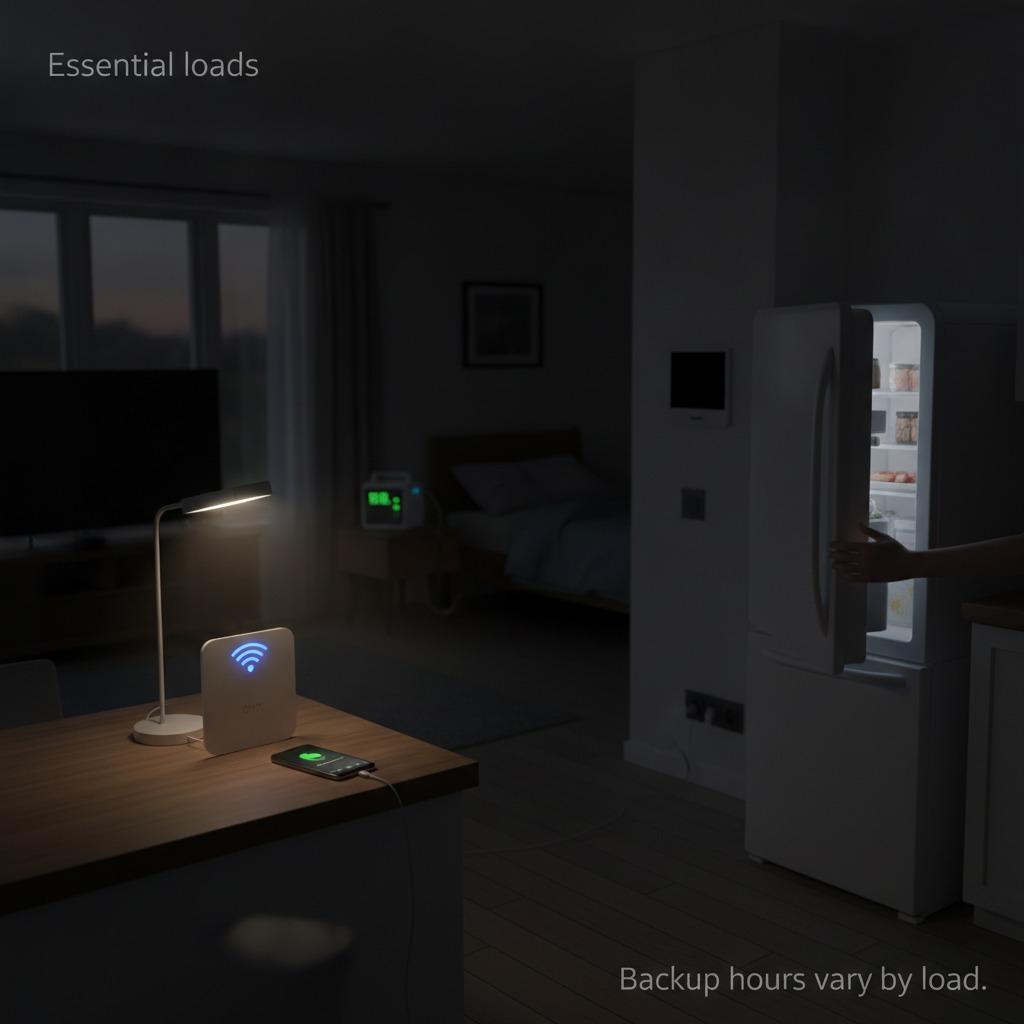
A residential battery is often very good at handling critical loads such as lights, Wi-Fi, refrigeration, medical devices, and electronics. It may also support some small appliances and circulation equipment for a meaningful period. Where runtime falls apart is when the house behaves like a full-grid substitute and the battery is expected to cover electric resistance heat, central air conditioning for long periods, or EV charging.
That is the practical decision buyers need to make: backup for essentials, or whole-home backup for a limited time. Those are not the same product requirement, even if the sales language sometimes makes them sound interchangeable.
A few scenarios make the range easier to understand
If a home is running only essential loads, a mid-sized battery bank can sometimes last through an overnight outage. If the home draws more aggressively, runtime can shrink to a few hours. Add air conditioning in hot weather or heating-related loads in winter, and the battery may cover only the most urgent window.
Here is the rough pattern most buyers eventually discover:
A modest critical-load setup may extend for many hours because the average draw stays low.
A larger whole-home setup may offer shorter but more comprehensive coverage.
A small battery can be perfectly useful, but only if the homeowner accepts load management as part of the plan.
The important caution is this: runtime claims usually assume a controlled load profile. If the user turns on several high-draw appliances at once, the actual backup window will be shorter than the brochure suggests.
Why house type changes the answer so much
Not all houses are created equal in energy terms. A compact, efficient home with LED lighting and gas appliances may run a battery far longer than a larger, all-electric house. Newer homes may also have better insulation and more efficient equipment, which reduces the burden on backup power. Older homes can be unpredictable because the baseline load may include aging refrigeration, ventilation fans, or legacy equipment with poor efficiency.
Climate matters as well. In warm regions, cooling is often the load that drains batteries fastest. In cold regions, electrically heated homes can become difficult to support for long durations without a very large storage system. If the site has a well pump, the battery design has to account for start-up surges. That single detail is easy to miss and can derail an otherwise sensible estimate.
What makes battery runtime look better on paper than it does in practice
There are a few recurring mistakes in residential battery sizing, and they show up in sourcing discussions all the time.
One is comparing nameplate capacity instead of usable capacity. Another is ignoring inverter losses and battery reserve settings. A third is assuming the house will consume power evenly, which almost never happens. Finally, many buyers forget that a battery paired with solar panels behaves differently from a battery used as a standalone backup source. With solar input during the day, runtime can extend materially; without it, the battery is on its own.
It is also worth noting that homeowners often think in terms of days of backup, while the system should really be discussed in terms of supported loads over a specific time window. Those are related, but not identical. A battery that can cover a refrigerator, some lights, communications, and intermittent water pumping for 24 hours may still be nowhere near enough for full household comfort.
How solar panels change the answer
Solar panels can make a battery last much longer, but only under the right conditions. Daytime generation helps recharge the battery while the house is still consuming power. If production exceeds usage, the battery may maintain or recover its charge. If clouds, seasonal angle, or shading reduce output, the battery carries more of the burden.
This is why the phrase “solar battery” can be misleading if taken too literally. The battery itself does not create energy; it only stores and releases it. The actual runtime depends on both storage and production. In a sunny outage with a well-matched system, a house may stay powered for far longer than a battery-only estimate would suggest. In a storm outage with poor solar conditions, the opposite can happen.
Buyer questions that should be answered before sizing a system
Before anyone commits to a residential battery setup, a few practical questions should be on the table:
Which circuits are essential, and which can be shed during an outage?
What is the average and peak load on those circuits?
How long does backup need to last: a few hours, overnight, or multiple days?
Will the system be used with solar charging, or as backup only?
Are there any large intermittent loads, such as pumps, compressors, or HVAC equipment?
These questions sound basic, but they often reveal whether the buyer actually needs a compact emergency system or a much larger energy storage platform. That distinction affects cost, footprint, installation complexity, and user expectations.
Common mistake: buying for the house instead of the load profile
This is probably the most useful caution in the whole discussion. A house is not a single electrical load. It is a bundle of loads that behave differently over time. The right battery is not the one that sounds biggest; it is the one that matches the home’s operating pattern.
A household that wants to preserve food, communications, and a few lights can usually prioritize efficiency and careful load shedding. A household that wants near-normal living during outages will need a much larger system, and possibly a different backup strategy altogether. Some buyers end up disappointed simply because they were sold a house-level story instead of a circuit-level plan.
What product teams and sourcing managers should watch
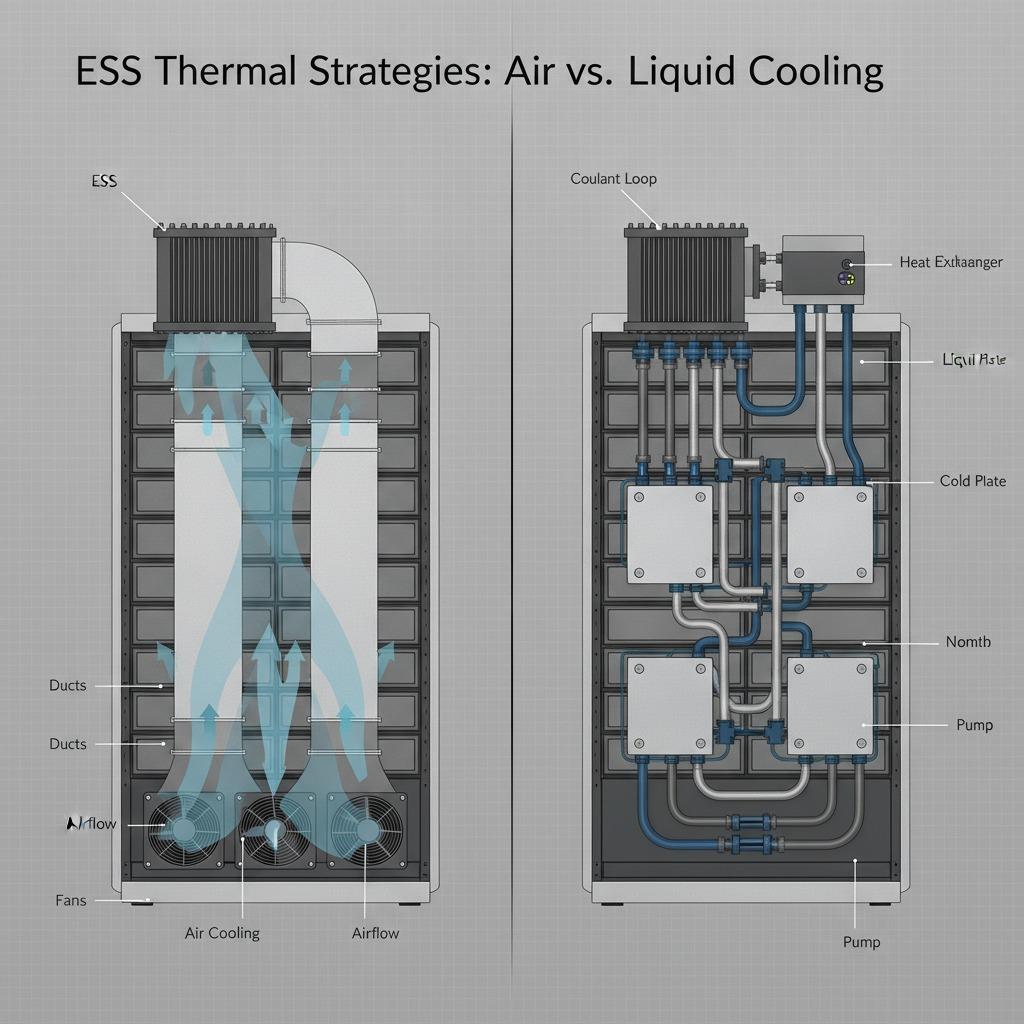
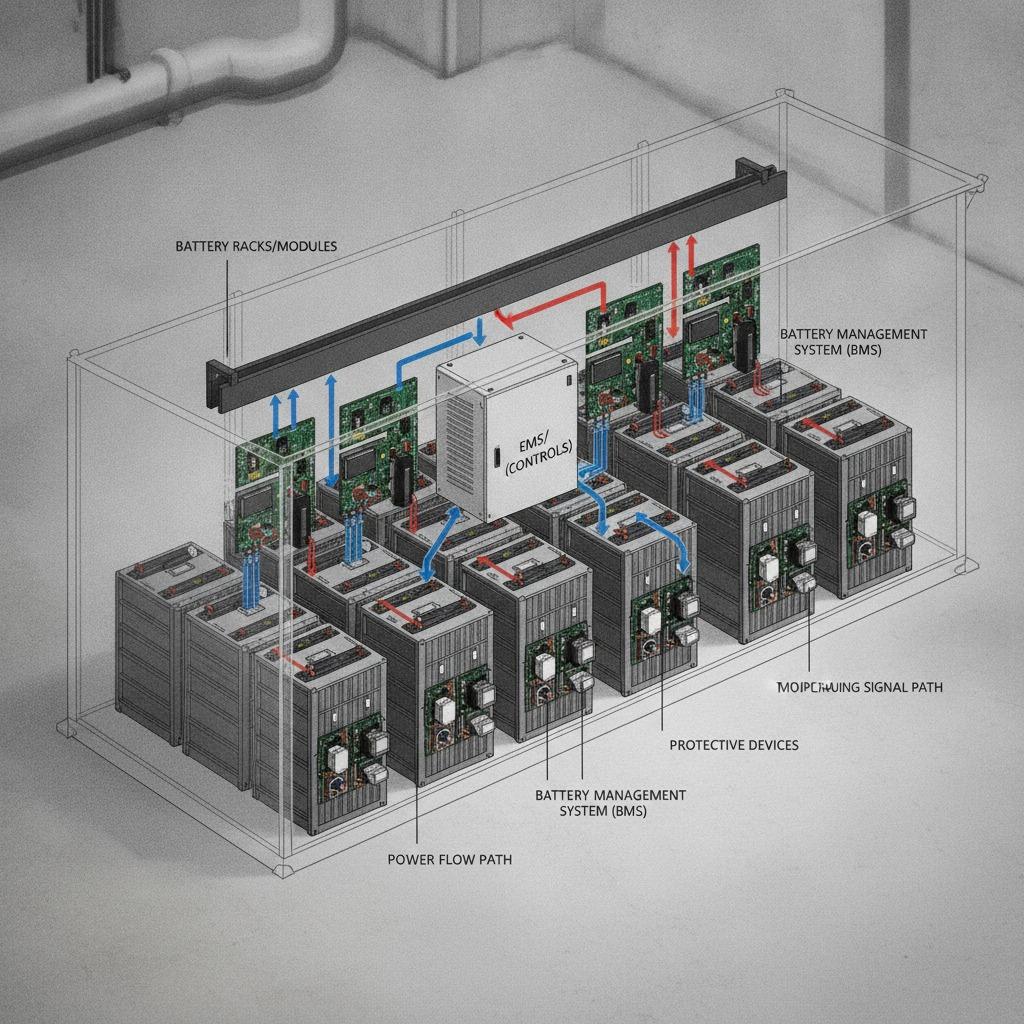
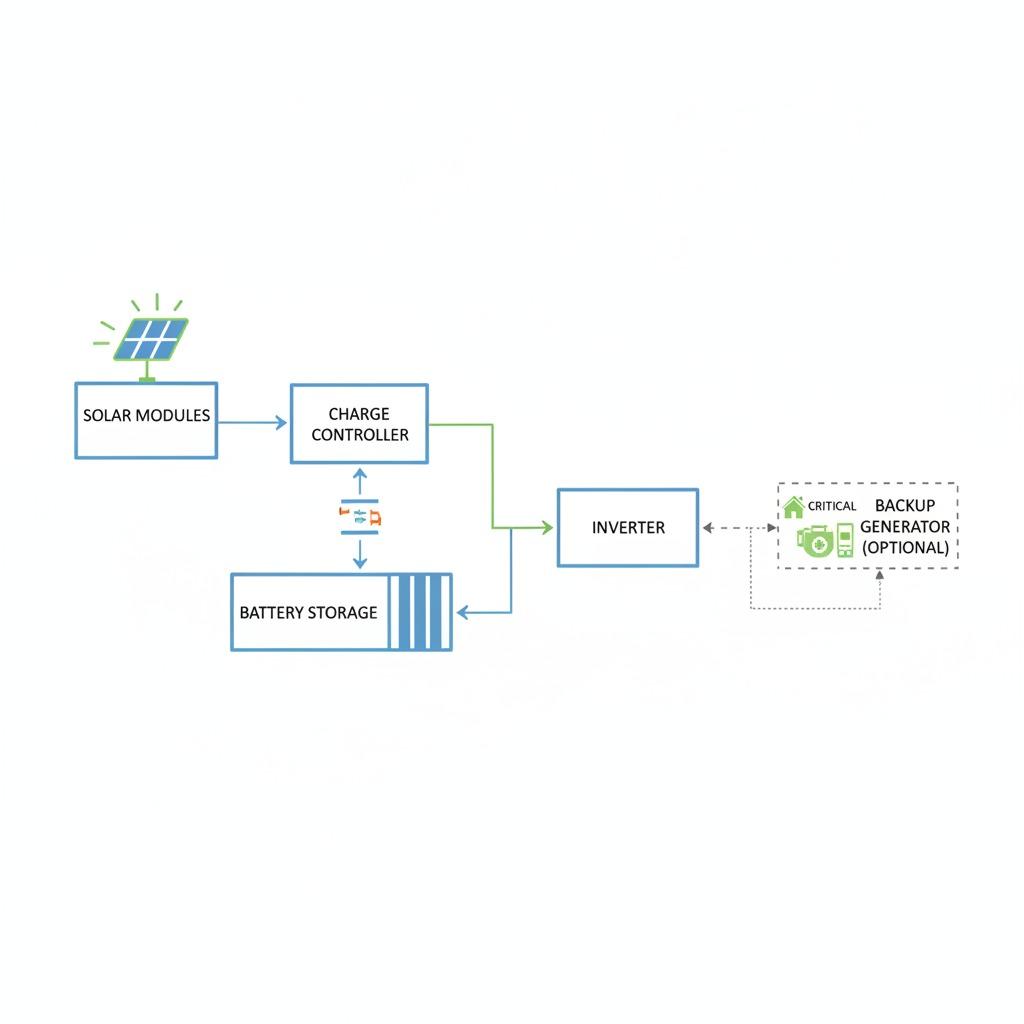
For teams evaluating battery-backed residential energy products, the useful questions are not limited to capacity. Ask how the system handles usable depth of discharge, discharge rate, thermal behavior, and integration with the inverter or controller. Check whether the architecture is designed for critical-load backup or whole-home supply. And make sure runtime claims are tied to a load profile, not an abstract household average.
That last point matters in sales enablement too. If marketing says a battery will power a house for 12 hours, someone should be able to show what kind of house and what kind of load. Otherwise the number is just decoration.
FAQ: short answers buyers actually want
Can one battery power an entire house?
Sometimes, but usually only for a limited period and only if the house has a moderate load profile. Whole-home backup for long durations generally requires more storage, careful load management, or both.
Does a bigger battery always mean longer backup?
Yes, in principle. In practice, the usable runtime also depends on inverter efficiency, discharge limits, and how much power the home is consuming at the time.
Does solar make the battery last all day?
Not automatically. Solar can extend backup significantly if generation is strong enough to cover current loads and recharge the battery. If production is weak, the battery still drains.
What is the best way to estimate runtime?
List the essential circuits, estimate their average draw, then compare that to the battery’s usable capacity. If possible, use real utility data or monitored load data rather than guesswork.
The practical next step
If you are trying to answer how long will a solar battery power a house for a real project, start with the loads, not the battery catalog. Define the backup objective, separate essential circuits from comfort loads, and size the system around actual usage rather than a best-case brochure scenario. That approach may feel less glamorous, but it is usually the difference between a battery that works in an outage and one that only looks good in a proposal.