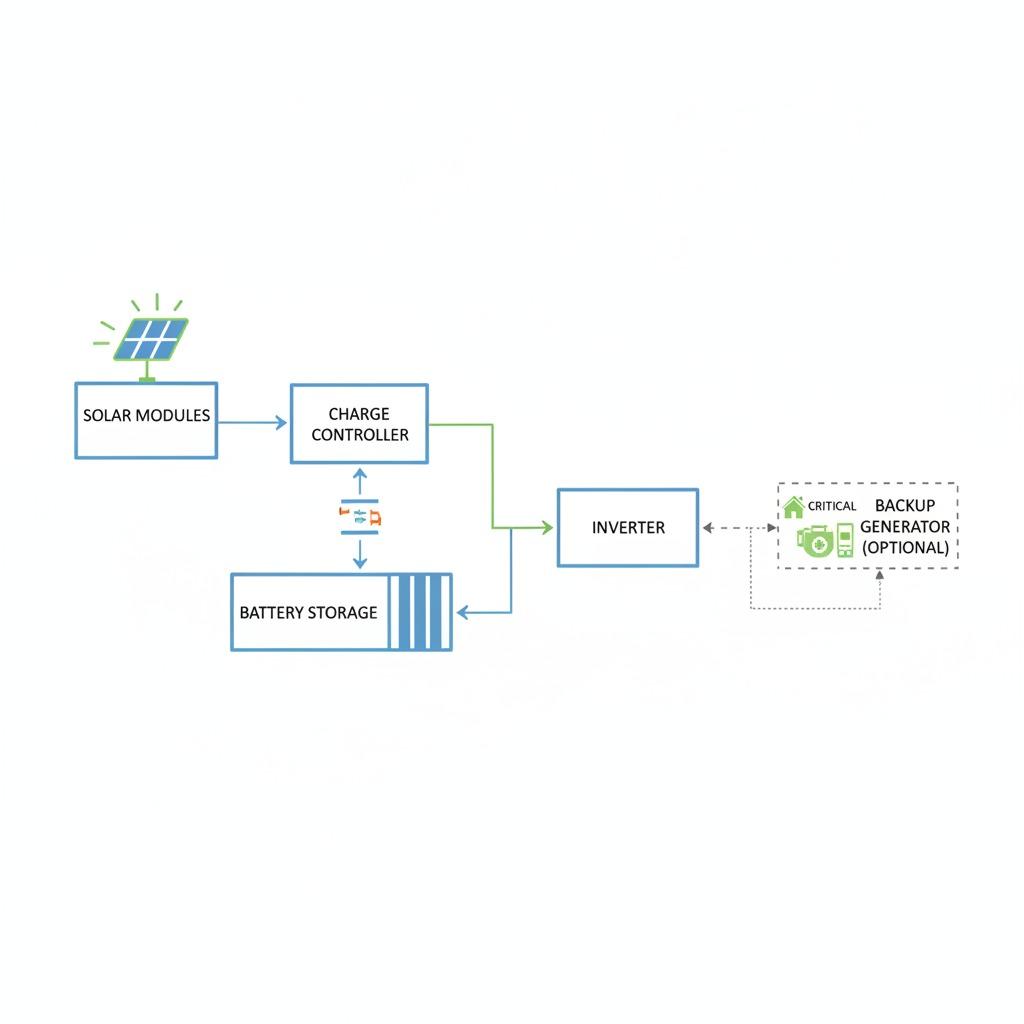

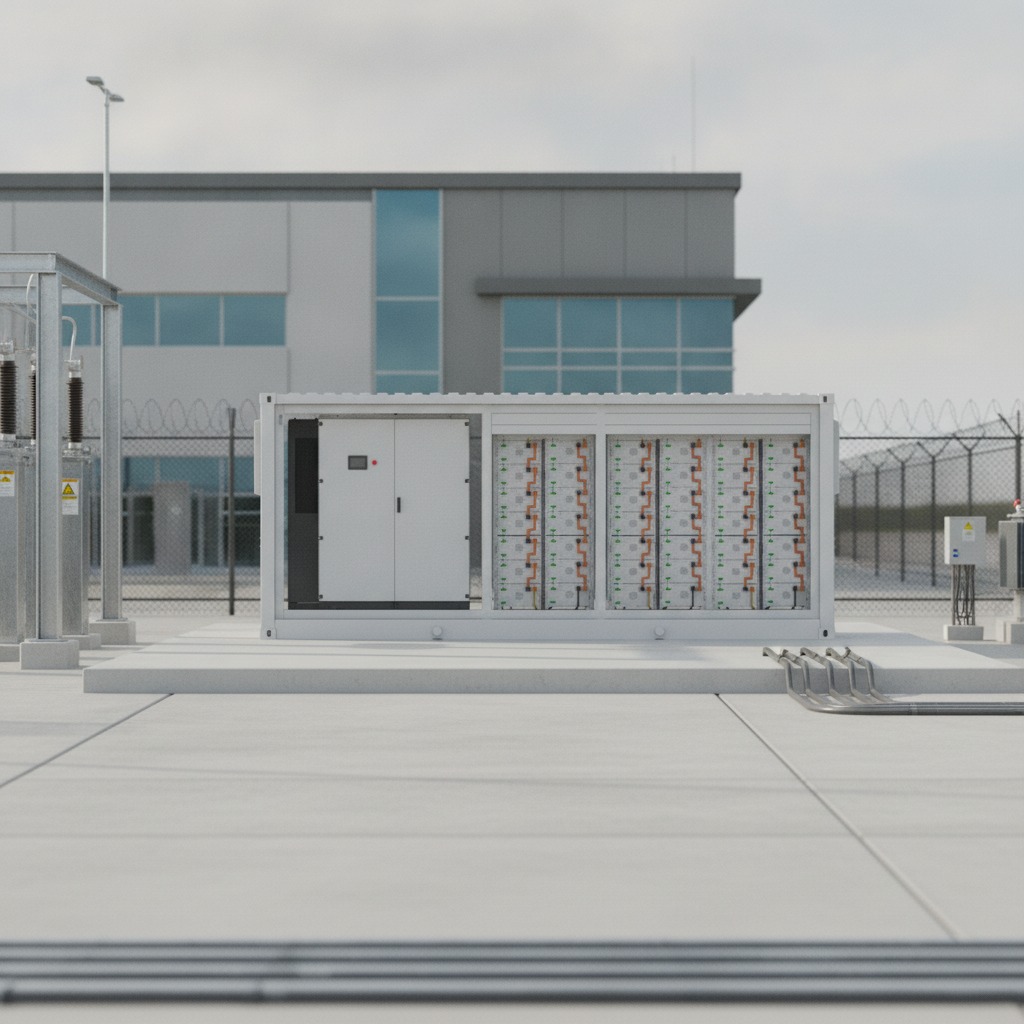
Why industrial battery storage has moved from optional to operational
An industrial battery energy storage system is no longer just a clean-energy talking point. For many plants, warehouses, data-heavy facilities, and remote sites, it has become a practical piece of electrical infrastructure. The reason is simple: power quality, demand charges, backup resilience, and renewable integration all affect operating cost and uptime. When the grid is unpredictable, or when a site’s load profile creates painful peaks, storage gives operators another lever to pull.
That does not mean every buyer needs the same setup. In fact, the biggest mistake is treating a battery energy storage system like a commodity box. A system that works for solar smoothing at a remote works site may be a poor fit for peak shaving in a manufacturing plant with sensitive equipment. Buyers need to understand what the system is built to do, how it is packaged, and what it is supposed to connect to before they compare price or size.
What a containerized system actually gives you
The product form here is a containerized energy storage system, or more specifically a battery storage cabinet packaged in a shipping-container-style enclosure. That matters because the container is not just a shell. It is the physical framework that supports transport, placement, and integration. In a factory-built layout, the enclosure can house the battery racks, control cabinet, electrical hardware, and access points in a controlled arrangement instead of forcing a site team to assemble everything from scratch.
From a buyer’s point of view, this kind of packaging solves three problems at once. First, it makes deployment easier because the system arrives as a modular unit. Second, it helps separate power electronics and battery compartments, which is a sensible approach for maintenance and safety. Third, it gives project teams a more standardized footprint for planning logistics, foundations, and interconnection work. That is useful whether the end use is peak shaving, backup power, or renewable buffering.
Visible design cues that matter
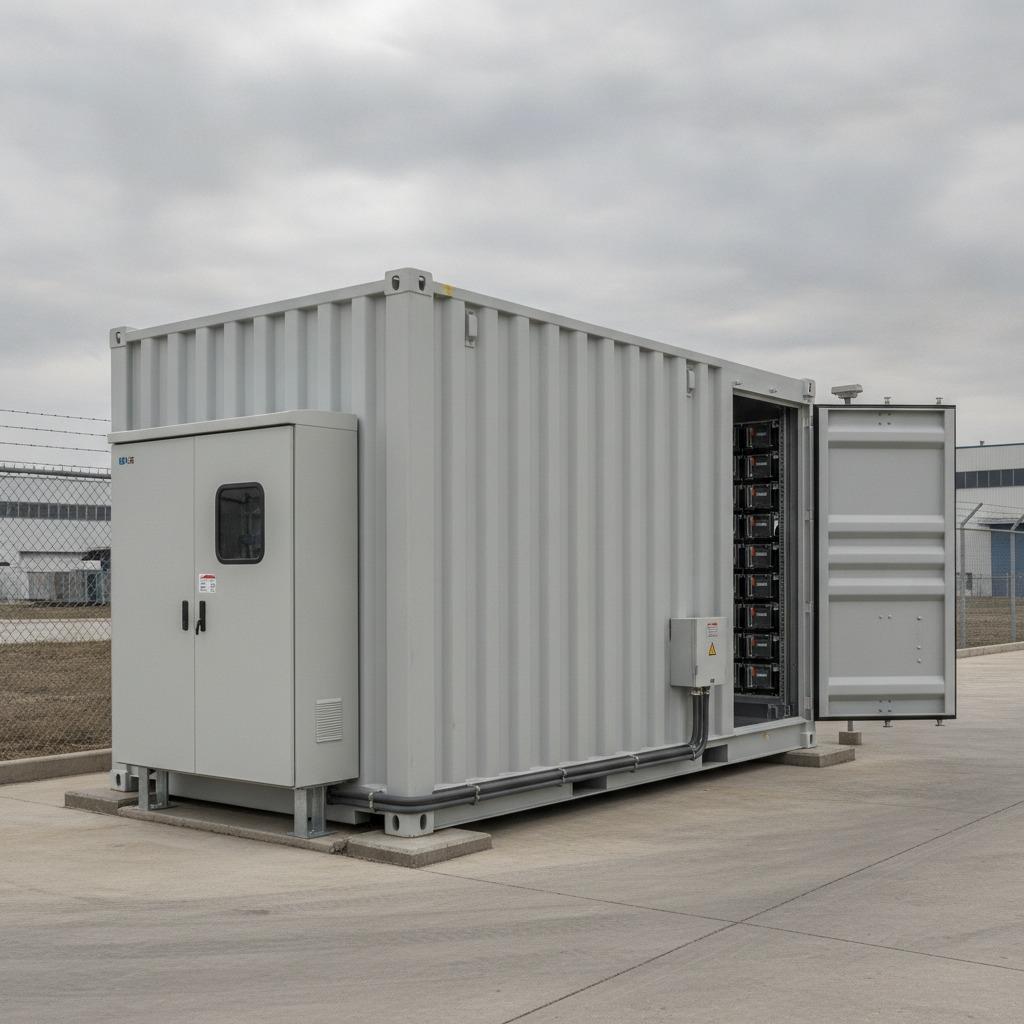
The system shown has a reinforced rectangular metal container housing with corner castings and anchor points, which is the kind of detail engineers and installers notice right away. Those features suggest a transportable modular platform rather than a site-built room. Inside, the layout appears divided: a left-side control/electrical cabinet with double doors and a small display area, and a right-side battery section with multiple stacked rack modules.
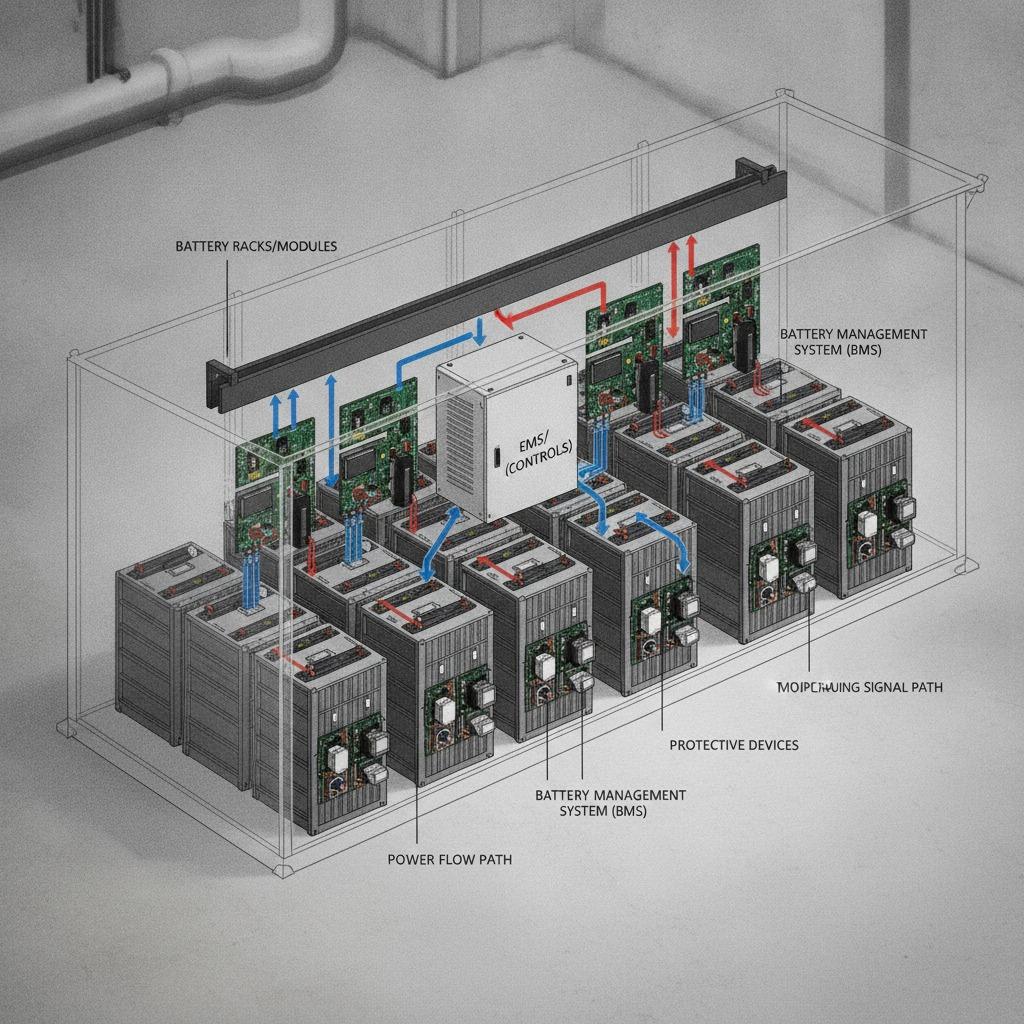
That separation is not just cosmetic. A dedicated control cabinet usually gives technicians a clearer place to access protection devices, controls, and monitoring components, while the rack area concentrates the storage modules in a repeatable arrangement. Repeated module fronts, connectors, and busbar-like elements indicate a high-density internal layout. For procurement teams, that usually translates into easier replacement planning and more disciplined internal wiring. It also suggests the unit was designed as a factory-integrated package, not a loose collection of parts.
Where an industrial battery energy storage system earns its keep
Different buyers use storage for different reasons, but the commercial logic often falls into a few familiar categories. Peak shaving is one of the most common. If a plant’s demand spikes for short periods, storage can discharge during those intervals and reduce utility charges tied to peak demand. In some facilities, that can be more valuable than the energy itself.
Backup support is another major driver. A battery system can ride through short outages or provide a bridge while generators start up. In operations where even a brief interruption causes scrap, downtime, or process instability, that bridge time matters. Remote sites also value containerized systems because they can be deployed where permanent electrical rooms are not practical.
Then there is renewable energy buffering. Solar and wind are variable by nature, and not every site has load that lines up neatly with generation. Storage helps smooth that mismatch. It can absorb excess output and release it later, which makes the site’s electrical behavior more predictable. For engineers, that often means better self-consumption. For sourcing managers, it means the storage system should be compared as part of an energy strategy, not as a standalone asset.
Quick buyer comparison: what to prioritize first
If you are trying to narrow options quickly, focus on the application before the hardware spec sheet. For peak shaving, cycle behavior and control strategy matter. For backup, response time and integration with the site’s critical loads matter more. For renewable smoothing, the ability to absorb and dispatch energy repeatedly in a controlled way is usually the central issue.
Also pay attention to the physical format. A containerized industrial energy storage system is usually better when the site needs modular deployment, easier transport, or outdoor installation. A fixed cabinet approach may be more convenient indoors or where footprint is constrained. There is no universal winner. The right answer depends on space, electrical architecture, and maintenance access.
What the image suggests about build quality and integration
The metal enclosure appears to be painted or powder-coated in a light gray finish, with industrial gray internal components and small orange and green accents. That is a fairly typical industrial visual language, but the important point is not aesthetics. It is consistency. When battery racks, cabinet hardware, and enclosure framing look like part of a unified factory-built package, it usually signals that integration work has been done before shipment rather than improvised on site.
That said, buyers should resist reading too much into appearance. A neat enclosure does not reveal battery chemistry, thermal management design, inverter selection, fire suppression, or actual performance. Those details are not visible here, and they should not be assumed. A polished exterior can still hide poor service access or awkward cable routing if the design was rushed. So the image is useful, but only as a starting point.
Selection criteria that usually decide the project
For most industrial projects, the decision comes down to a short list of practical checks. Can the system support the load profile you actually have? Does the containerized package fit the installation site and transport route? How will it connect to the rest of the electrical infrastructure? And who will maintain it once it is live?
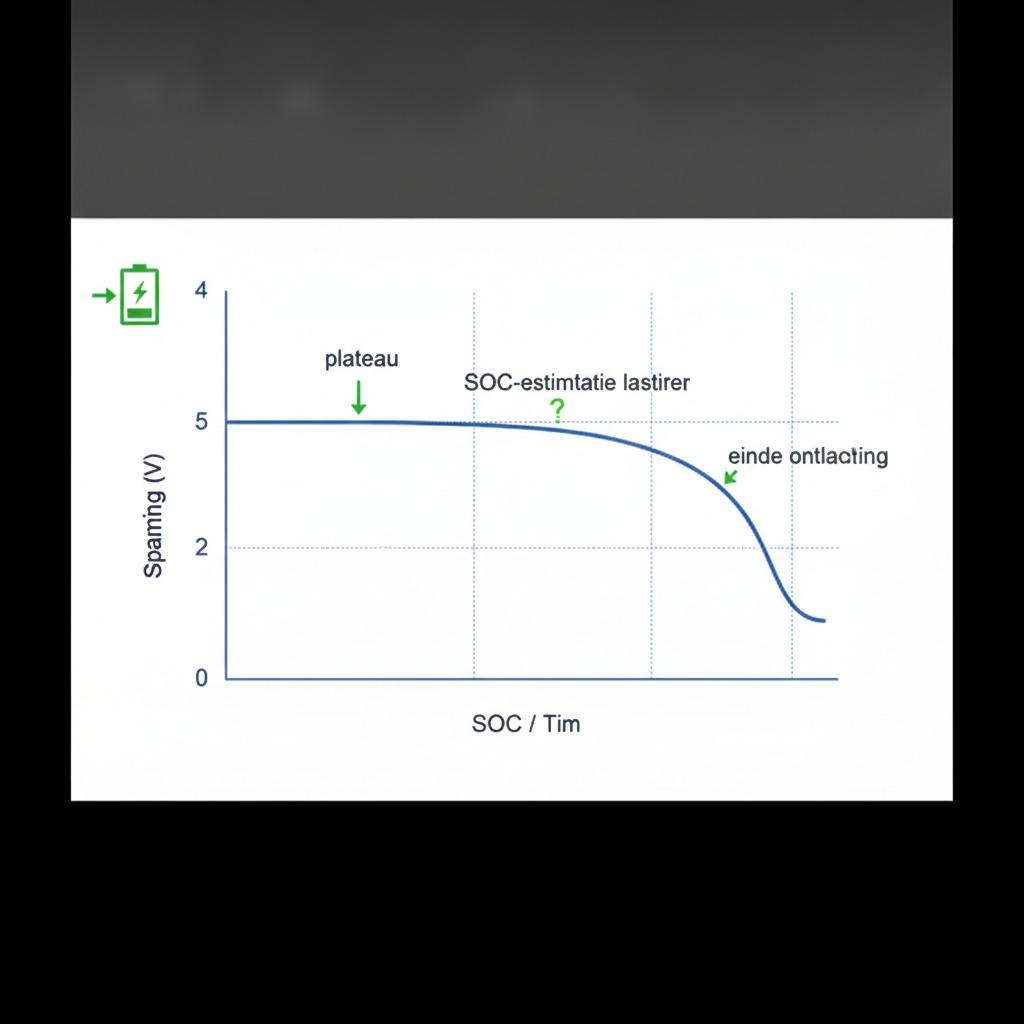
Those questions sound basic, but they prevent expensive mismatches. A buyer may be tempted to start with capacity, but capacity alone is not enough. A battery energy storage system also needs suitable control logic, protection coordination, and a maintainable physical layout. If the site has limited service access, the value of a neatly arranged container can disappear quickly if technicians cannot reach key components without long shutdowns.
Common mistakes buyers make
One common mistake is assuming all storage systems are interchangeable. They are not. Some are better suited to short-duration power support, while others are more appropriate for extended load shifting. Another mistake is overlooking the balance between energy storage and power conversion hardware. The battery modules may be the visible part, but the control and electrical architecture determines how useful the system will be in practice.
A second trap is underestimating site integration work. Even a factory-built industrial battery energy storage system still needs proper siting, grounding, interconnection, and operational planning. If the project team treats it like a plug-and-play appliance, commissioning delays are almost guaranteed. That is especially true for industrial customers, where safety procedures and shutdown windows are not flexible.
Why the containerized format keeps gaining ground
The containerized format has gained traction because it reduces uncertainty for the buyer. You get a defined enclosure, an organized internal layout, and a transportable package that can be installed more quickly than a fully custom room build. For many organizations, that predictability is worth a lot. It helps with project scheduling, procurement coordination, and future expansion planning.
It also fits the way many industrial energy projects are actually delivered: in stages. A site may start with one unit, then add capacity later as its demand profile changes or renewable generation increases. Modular packaging supports that phased approach better than one-off custom installations. Of course, the real benefit depends on whether the system architecture is truly expandable. Buyers should ask that question directly instead of assuming it.
Practical advice for engineering and sourcing teams
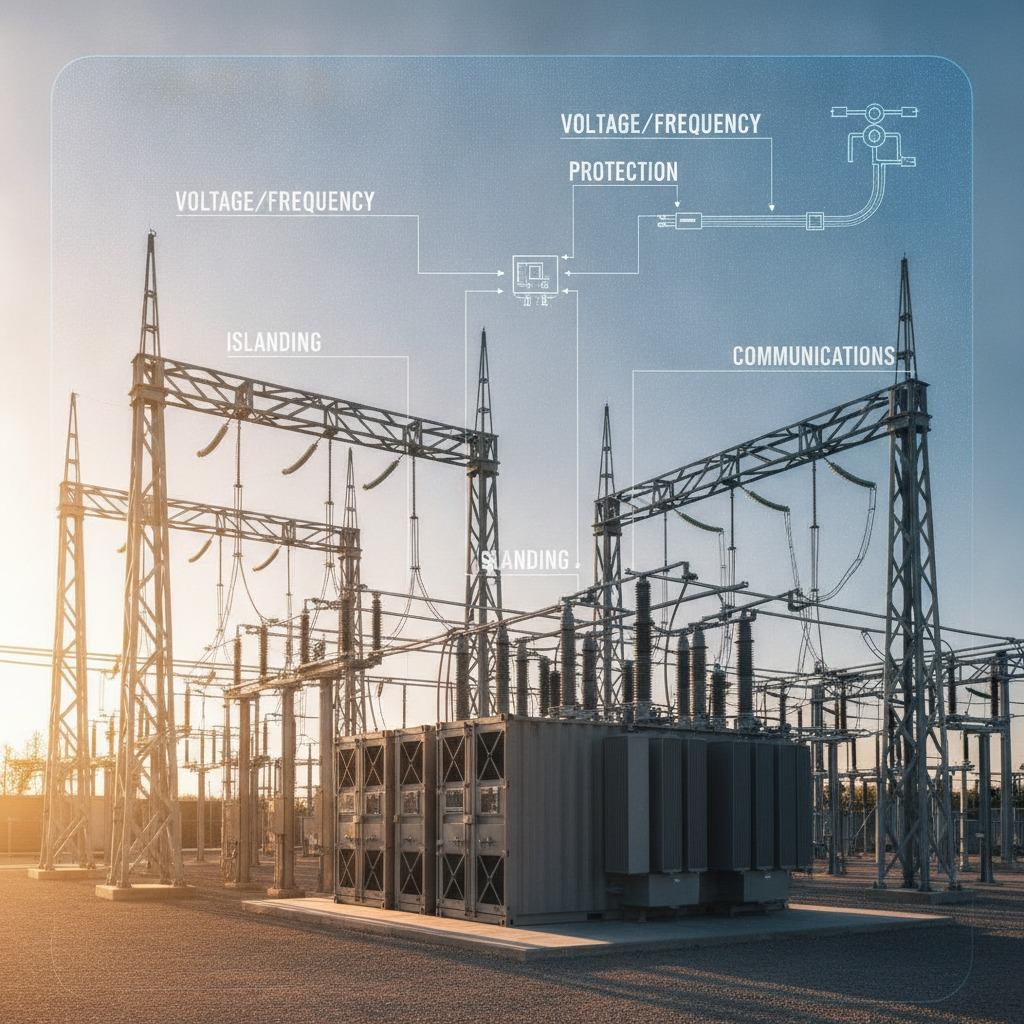
Engineering teams should begin with the electrical one-line, not the brochure. Confirm how the storage system will interact with existing switchgear, protective devices, and site controls. Ask what parts of the package are inside the container and what must be provided externally. Sourcing teams should make sure the scope is equally clear. The purchase decision is easier when the supplier’s boundary is explicit.
It is also worth asking how access is handled. On a containerized unit, maintenance layout can be either elegant or frustrating. A well-arranged control cabinet and battery section can save hours during inspection, but poor access paths can create recurring service pain. This is one of those details that does not always show up in a proposal, yet it shapes lifetime cost.
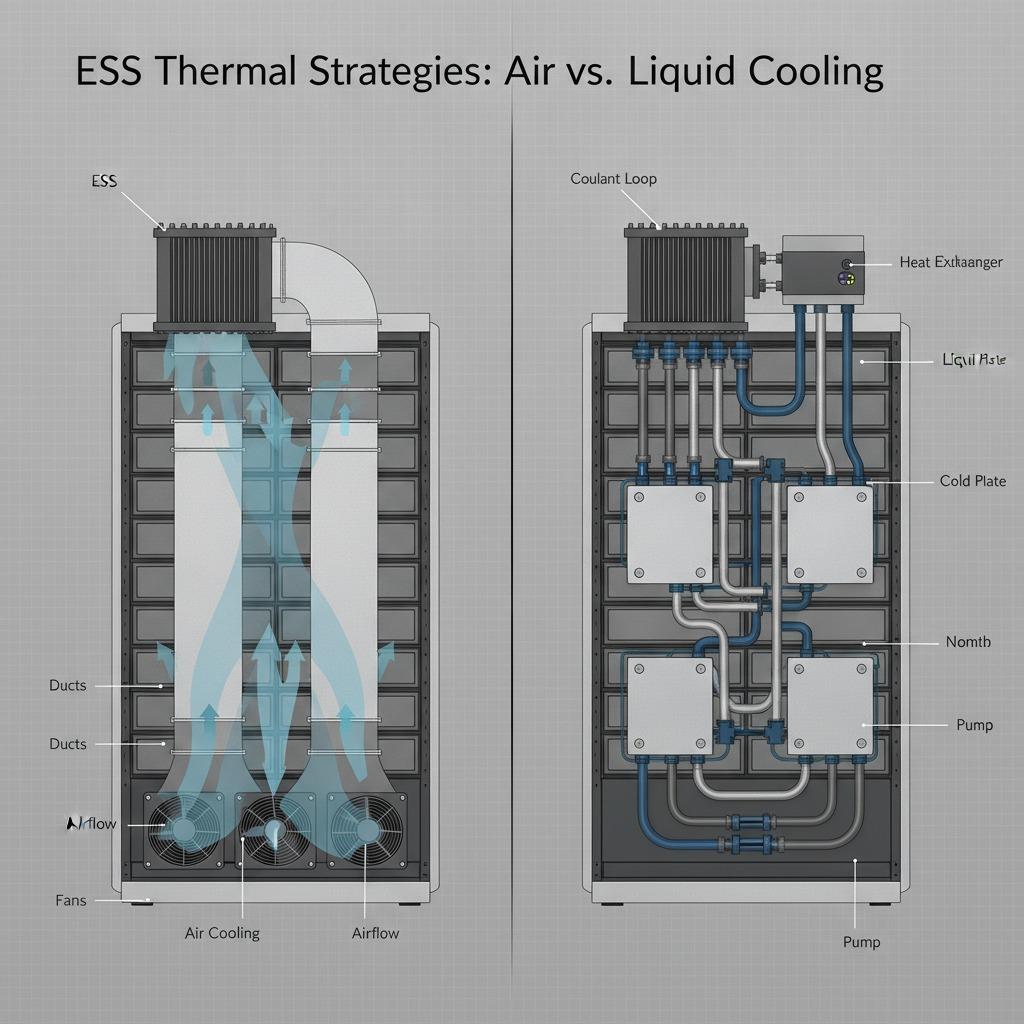
And because some system elements are not visible in the image, buyers should verify the full bill of materials and functional scope before committing. Do not assume the enclosure includes HVAC, fire protection, inverter hardware, or a specific battery chemistry unless that is documented. In storage projects, assumptions are expensive.
FAQ for first-time buyers
Is a containerized battery system only for utility-scale projects?
No. While the format is common in utility and large commercial applications, it can also suit industrial sites, remote operations, and projects that need fast deployment or modular growth.
Does the cabinet layout matter if the system performance is good?
Yes. Layout affects serviceability, cable management, and troubleshooting time. Those factors matter once the system is operating and someone has to maintain it.
Should buyers judge the system by the visible racks alone?
Not really. The racks are important, but the control architecture, protection design, and site integration details are what turn storage hardware into a working industrial asset.
What to ask before requesting a quote
If you are preparing an RFQ, ask for the system boundary, internal component list, intended applications, enclosure construction, and maintenance access points. You should also ask for any available documentation on electrical interface requirements and installation assumptions. That will do more to protect the project than a long list of vague performance requests.
For buyers comparing one battery energy storage system against another, the real question is not “Which one looks stronger?” It is “Which one matches the load, the site, and the maintenance model we actually have?” That is where a good industrial battery energy storage system proves its value.
If you are evaluating a containerized package for peak shaving, backup support, or renewable buffering, start with the application, then inspect the enclosure design, then verify the integration scope. That order saves time and keeps the project grounded in what the site truly needs rather than what a glossy spec sheet implies.