
Understanding Industrial Energy Storage Technology
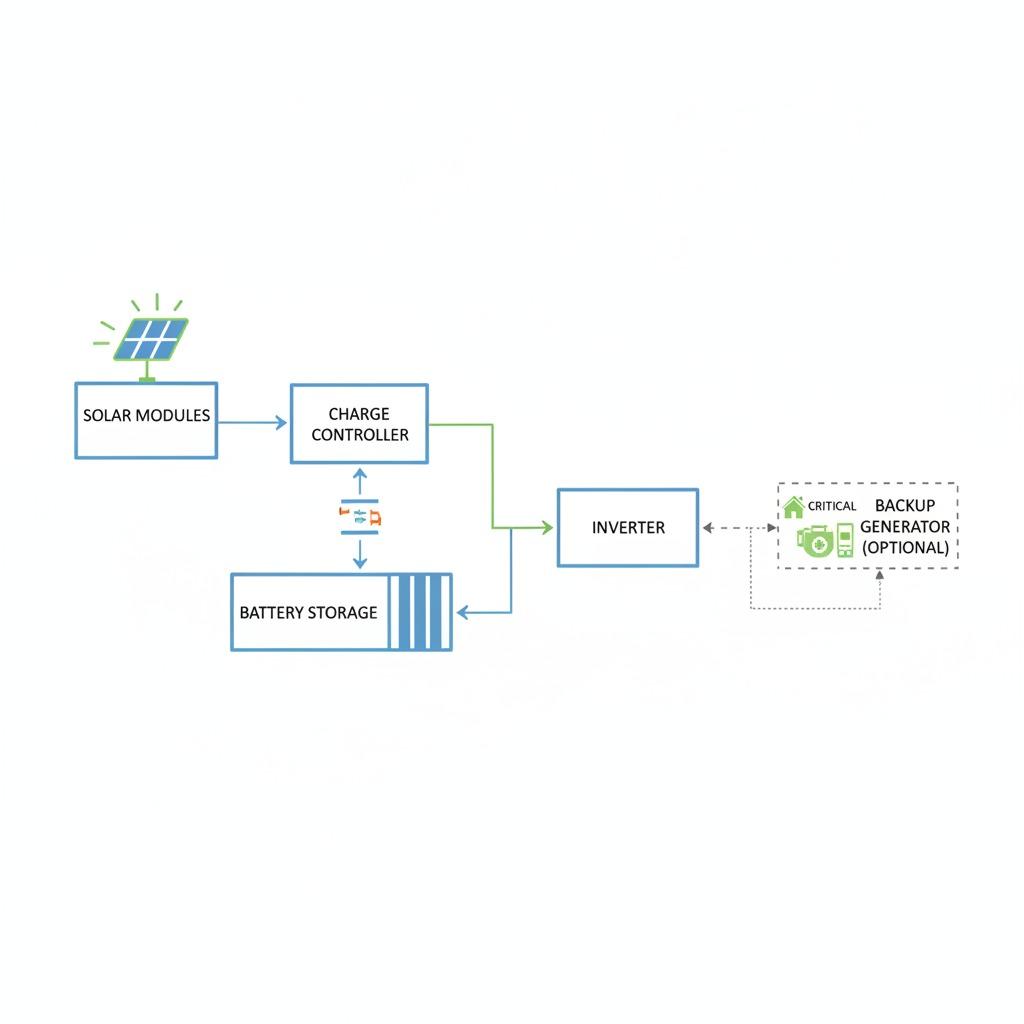
Industrial energy storage technology is revolutionizing how businesses manage power needs in demanding environments. This innovative field focuses on systems that store large amounts of energy efficiently, ensuring reliability and sustainability. At its core, industrial energy storage technology involves advanced battery solutions that capture excess energy from sources like solar or wind and release it when required. These systems are crucial for industries facing fluctuating energy demands, helping to stabilize operations and reduce costs. With the rise of renewable energy adoption, such technologies are becoming indispensable for maintaining a consistent power supply without relying solely on the grid.
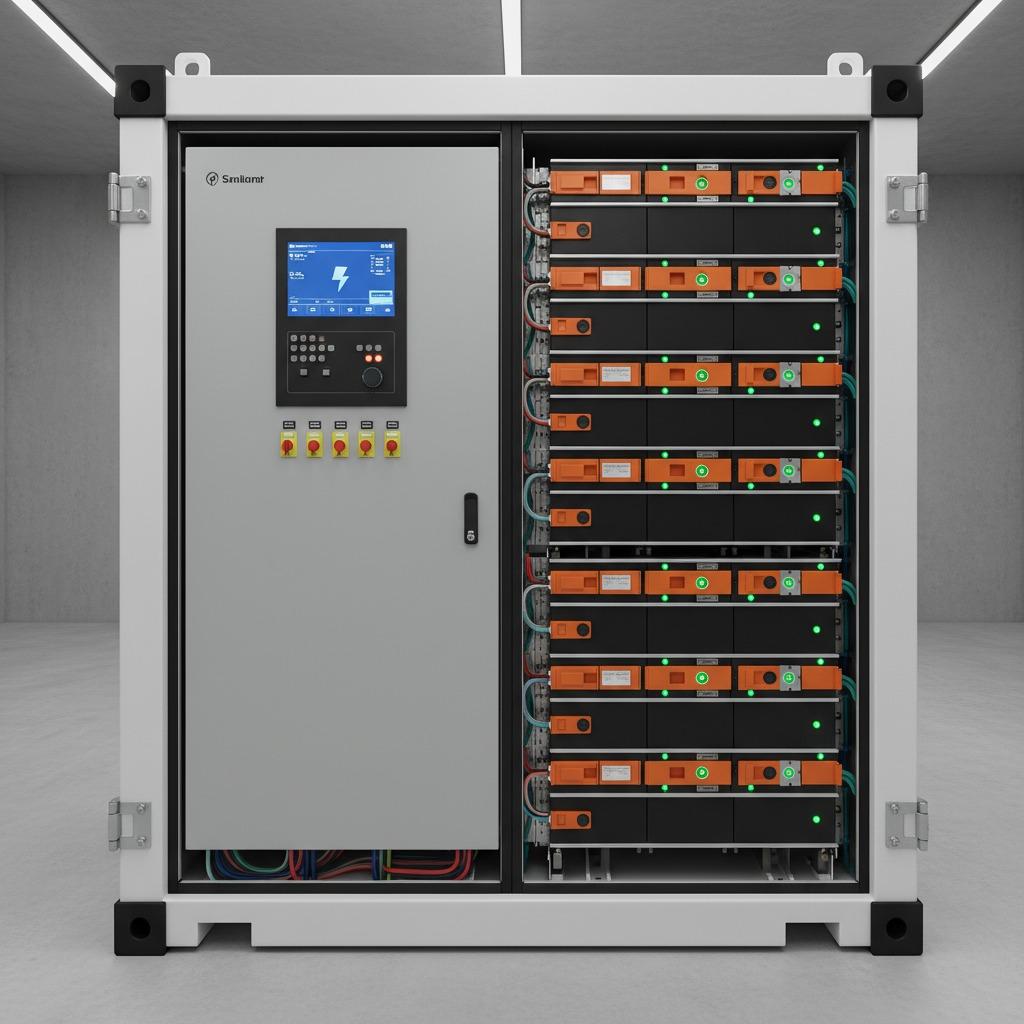
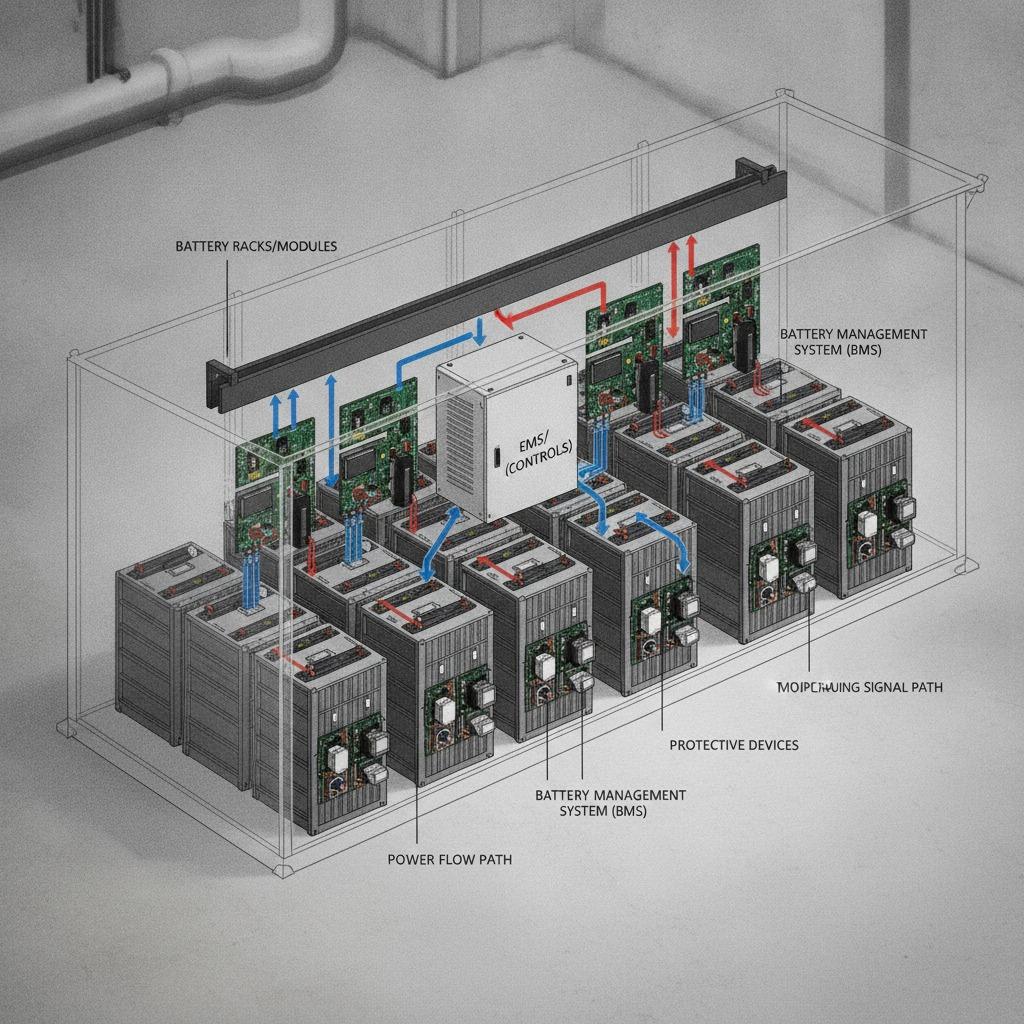
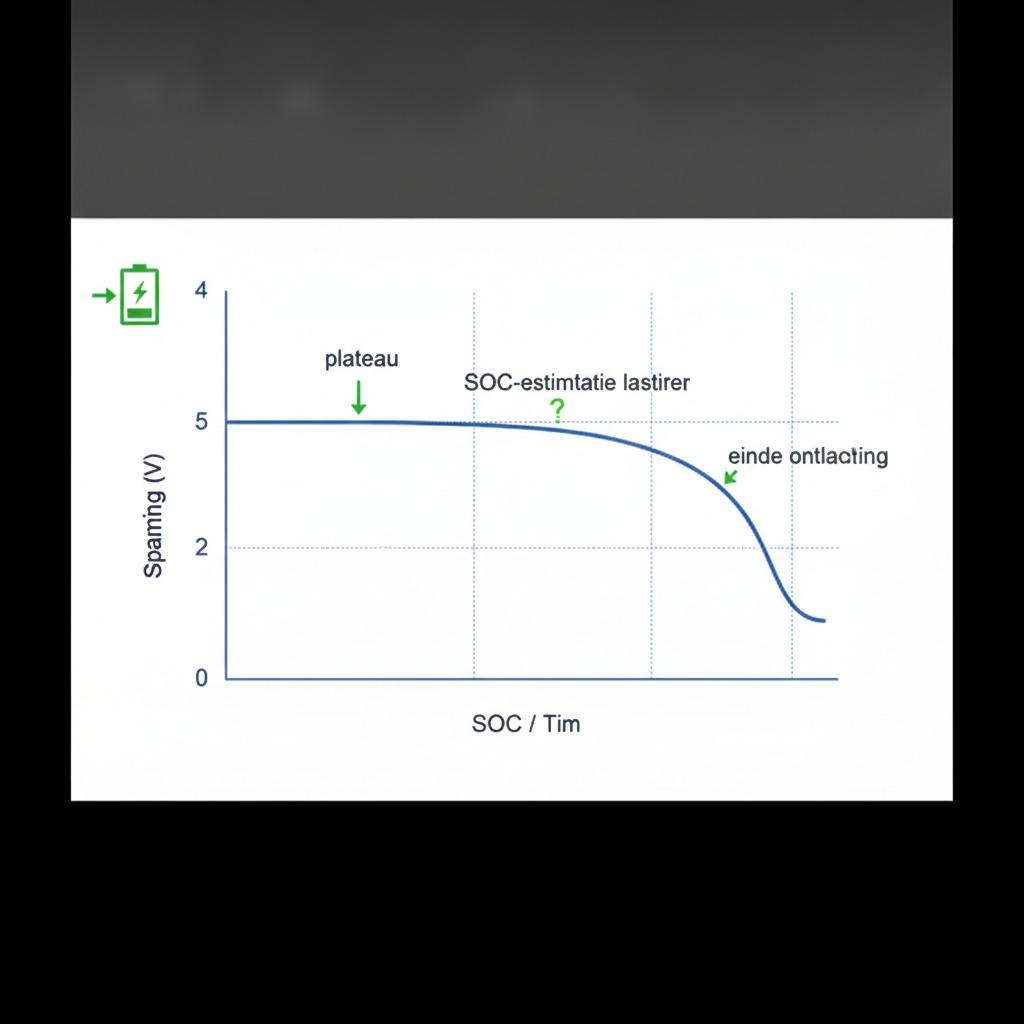
One of the key aspects of industrial energy storage technology is its ability to handle high-capacity loads. Modern systems utilize lithium-ion batteries known for their high energy density and long lifespan. These batteries are arranged in modular configurations, allowing for easy scaling based on specific industrial requirements. The technology also incorporates sophisticated software for monitoring and optimization, ensuring that energy is used effectively. For instance, in manufacturing plants or data centers, where power interruptions can be costly, industrial energy storage technology provides a buffer that prevents downtime and enhances overall efficiency.
Exploring Large Scale Energy Storage Solutions
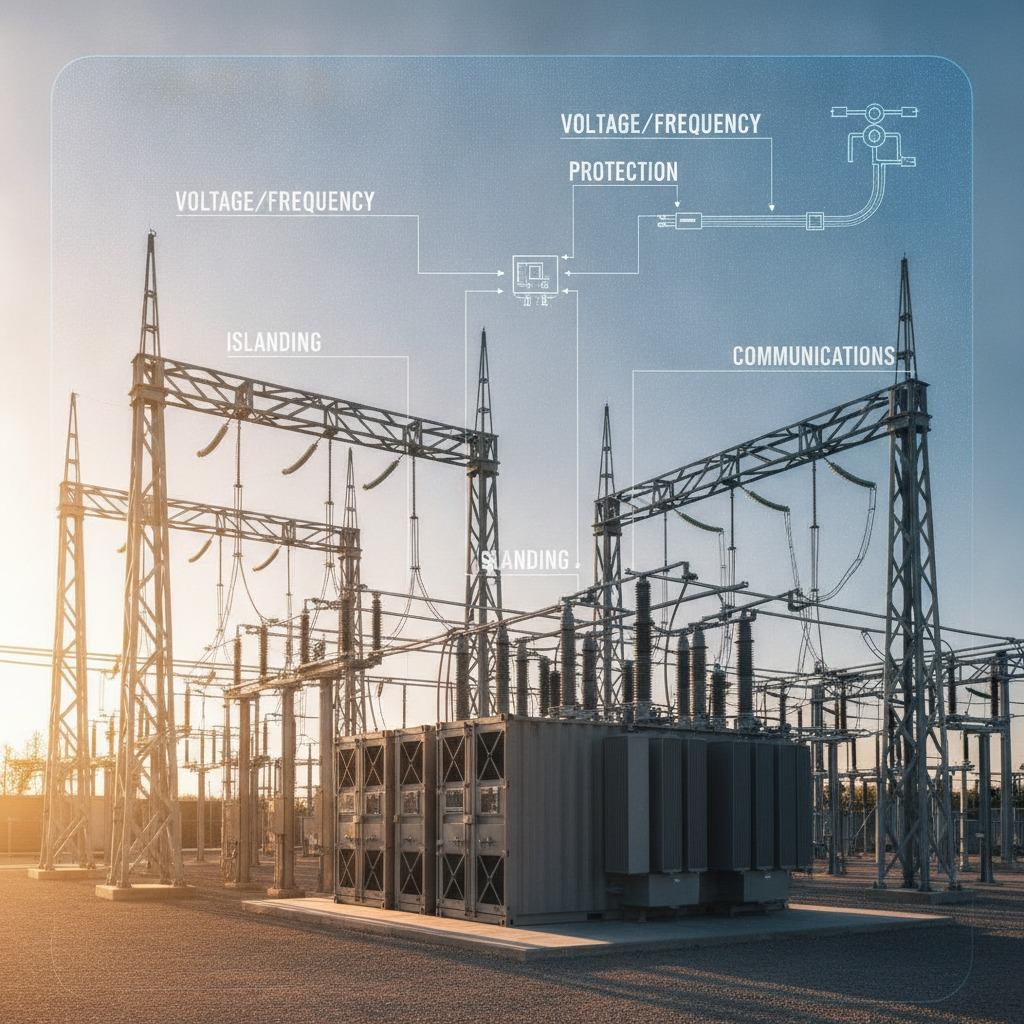
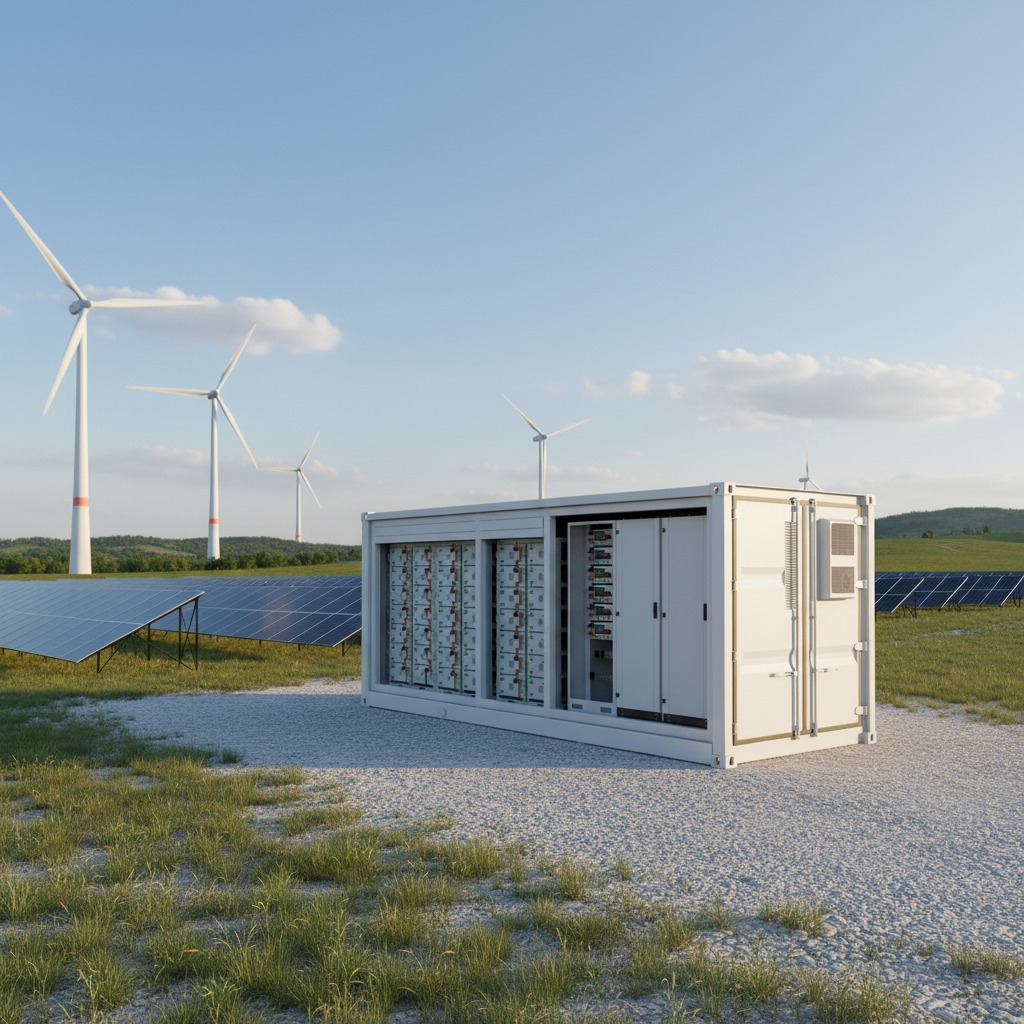
Large scale energy storage represents a critical extension of industrial energy storage technology, designed to manage energy at a utility or enterprise level. These systems are built to store vast quantities of electricity, often in the megawatt-hour range, making them suitable for grid-level applications. Large scale energy storage helps balance supply and demand, particularly during peak hours, by discharging stored power when generation is low. This capability is vital for integrating intermittent renewable sources into the energy mix, reducing waste and promoting cleaner energy practices.
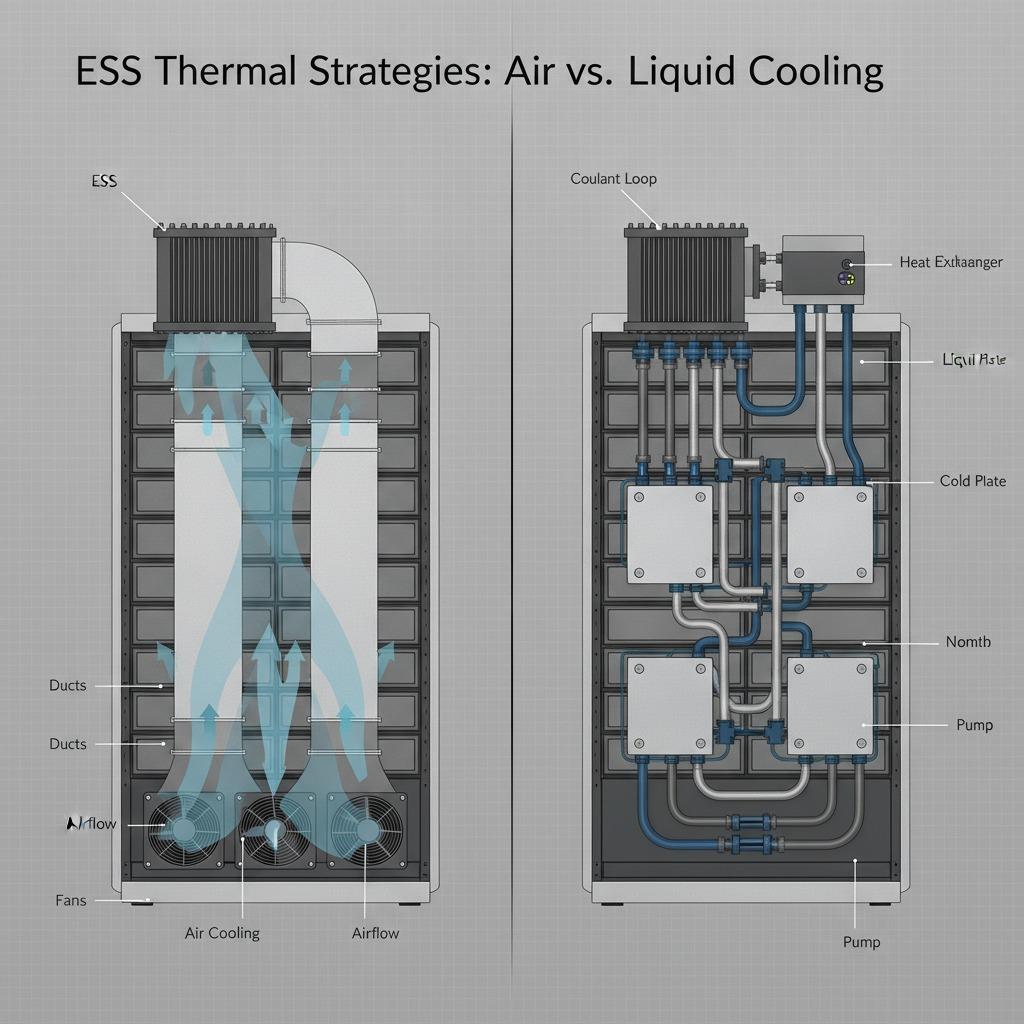
In practice, large scale energy storage systems feature robust enclosures that house multiple battery modules. These modules are interconnected with durable cabling, such as orange conduits, to ensure seamless power flow. Advanced cooling mechanisms maintain optimal temperatures, preventing overheating during intensive operations. The scalability of these systems allows businesses to start small and expand as needs grow, making large scale energy storage a flexible choice for evolving industrial landscapes. Moreover, with built-in safety features like thermal management and fault detection, these solutions minimize risks associated with high-power applications.
The integration of smart control units in large scale energy storage enhances performance further. These units provide real-time data on energy levels, system health, and efficiency metrics through user-friendly interfaces. For industries aiming to achieve energy independence, large scale energy storage offers a pathway to reduce reliance on fossil fuels. By storing surplus energy during off-peak times, facilities can lower electricity bills and contribute to environmental goals. As technology advances, the cost of deploying such systems continues to decrease, broadening their accessibility.
Benefits of Commercial Battery Storage in Industrial Settings
Commercial battery storage is another pillar of industrial energy storage technology, tailored for businesses seeking reliable and cost-effective power solutions. Unlike residential systems, commercial battery storage is engineered for heavier loads and continuous operation, often supporting operations in warehouses, retail chains, or office complexes. These batteries provide backup power during outages, ensuring uninterrupted service and protecting sensitive equipment. The modular nature of commercial battery storage allows for customization, fitting seamlessly into existing infrastructure without major overhauls.
A standout feature of commercial battery storage is its versatility. Systems encased in durable containers can be transported and installed with relative ease, minimizing disruption to business activities. Inside, high-capacity lithium battery modules are organized for optimal energy management, connected via reliable wiring that supports efficient transmission. The central control panels offer intuitive controls for monitoring voltage, current, and overall system status, empowering operators to make informed decisions. This level of oversight is essential for maintaining peak performance and extending the system's lifespan.
Safety and sustainability are at the forefront of commercial battery storage design. Built-in cooling systems, visible on the exterior, regulate temperatures to prevent degradation, while advanced circuitry safeguards against electrical faults. For companies focused on green initiatives, commercial battery storage facilitates the integration of renewables, storing solar or wind energy for later use and thereby reducing carbon emissions. This not only aligns with regulatory pressures but also enhances a business's reputation as an environmentally responsible entity. As energy prices fluctuate, these storage solutions provide financial stability by enabling strategic energy usage.
Advancements and Future of Industrial Energy Storage
The evolution of industrial energy storage technology is driven by ongoing innovations in materials and design. Recent developments include higher-density batteries that store more energy in smaller footprints, ideal for space-constrained industrial sites. Modular systems, like those with integrated control units, allow for plug-and-play expansion, adapting to growing energy needs without extensive redesigns. These advancements are particularly beneficial for large scale energy storage projects, where precision and reliability are paramount.
Looking ahead, industrial energy storage technology is poised to play a larger role in smart grids and microgrids. By combining with AI-driven analytics, these systems can predict demand patterns and optimize charging cycles automatically. Commercial battery storage will likely see improvements in recyclability, addressing end-of-life concerns and promoting a circular economy. For industries, this means not only enhanced operational resilience but also compliance with emerging sustainability standards. As global energy transitions accelerate, investing in such technologies will be key to staying competitive.
In summary, industrial energy storage technology, encompassing large scale energy storage and commercial battery storage, offers transformative benefits for modern businesses. From ensuring power reliability to supporting renewable integration, these systems are engineered for efficiency, safety, and scalability. With cutting-edge features like advanced monitoring and robust modular designs, they empower industries to meet today's challenges while preparing for tomorrow's opportunities.