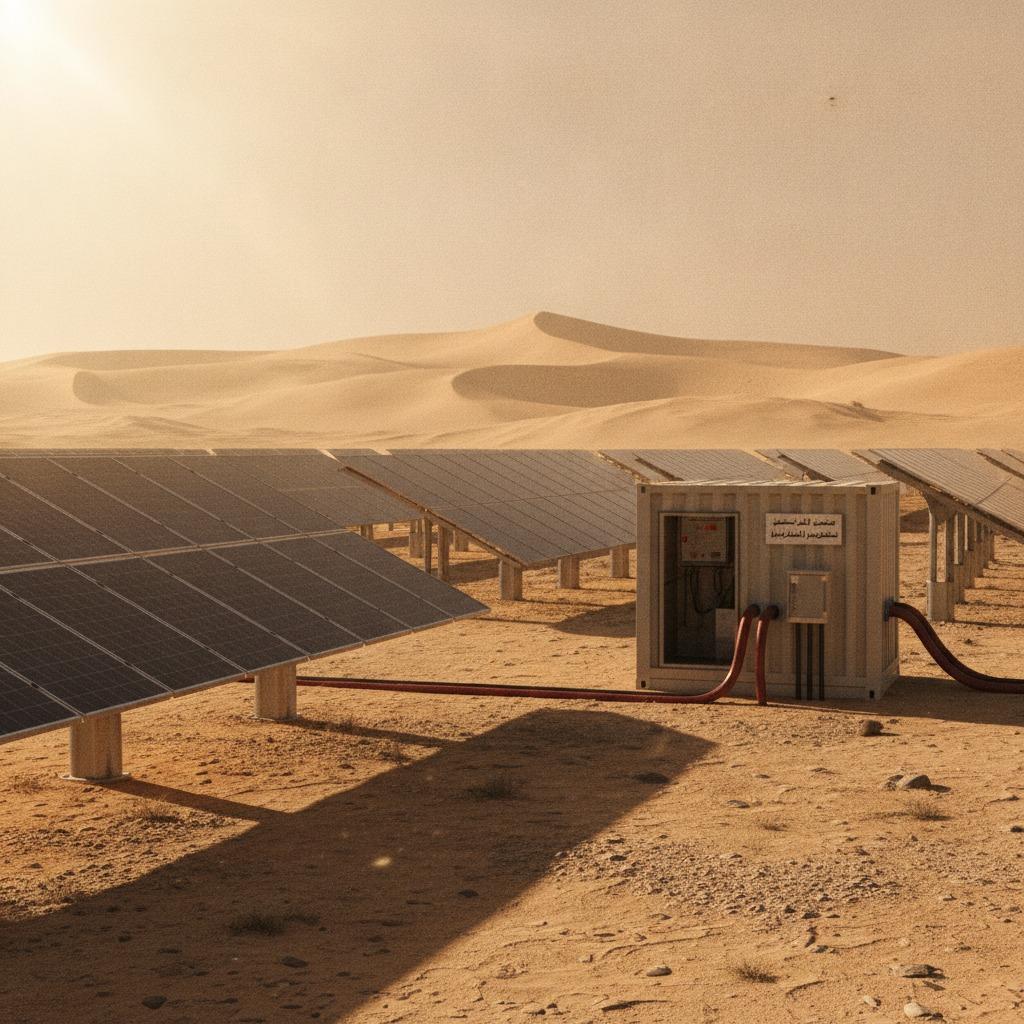

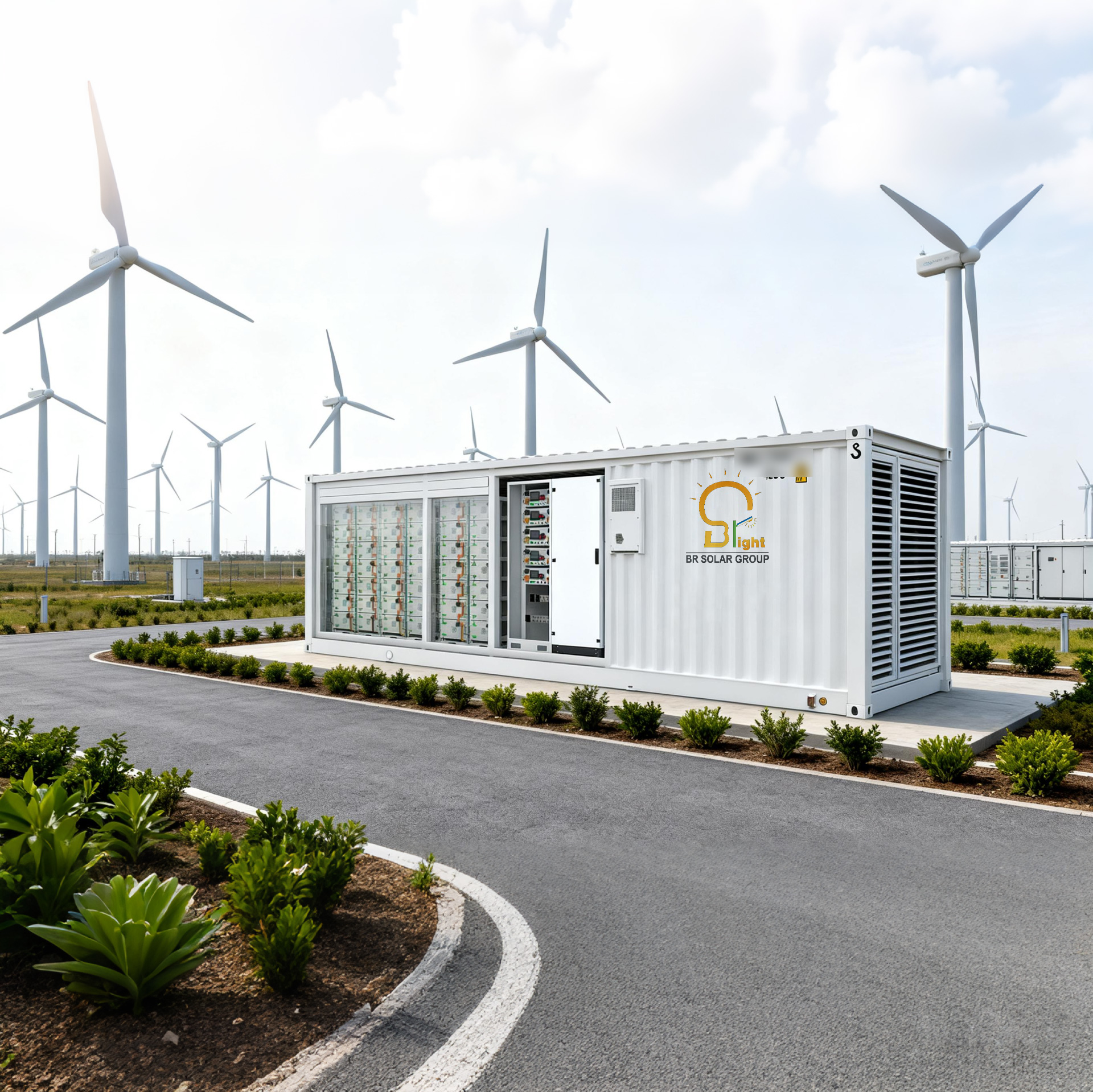
OEM and ODM manufacturing have become a core requirement in the global solar industry as market demands continue to diversify and application scenarios grow increasingly complex. Differences in climate conditions, infrastructure standards, installation environments, and regulatory frameworks mean that standardized, one-size-fits-all products can no longer fully satisfy the needs of international buyers. From municipal lighting projects and industrial power systems to rural electrification and customized off-grid solutions, solar products must be adapted to local requirements in both design and performance.
By partnering with a full-capability solar factory, buyers gain the ability to transform product concepts into reliable, scalable, and market-ready solutions. Factory-based OEM and ODM manufacturing provides not only production capacity, but also engineering expertise, cost control, quality assurance, and delivery reliability—key factors for brands, distributors, and EPC contractors competing in global markets.
Concept Evaluation & Engineering Support
At Ruifeng New Energy, every OEM and ODM project begins with a structured concept evaluation and engineering feasibility assessment. Rather than moving directly into production, the technical team first reviews the proposed product idea in detail, considering target applications, installation environments, operating conditions, and market positioning.
This evaluation process includes analysis of environmental factors such as temperature range, humidity, wind load, corrosion exposure, and solar irradiation levels. Certification and compliance requirements for the target markets are also assessed early, helping ensure that the final product can meet regulatory standards without costly redesigns later in the process.
Early-stage engineering support plays a critical role in reducing development risk. By identifying potential design challenges and production constraints at the concept stage, Ruifeng New Energy helps customers optimize product structure, improve component compatibility, and balance performance with cost efficiency. This collaborative approach shortens development cycles, reduces unnecessary iterations, and accelerates time-to-market for new products.
Customized Design & Component Selection
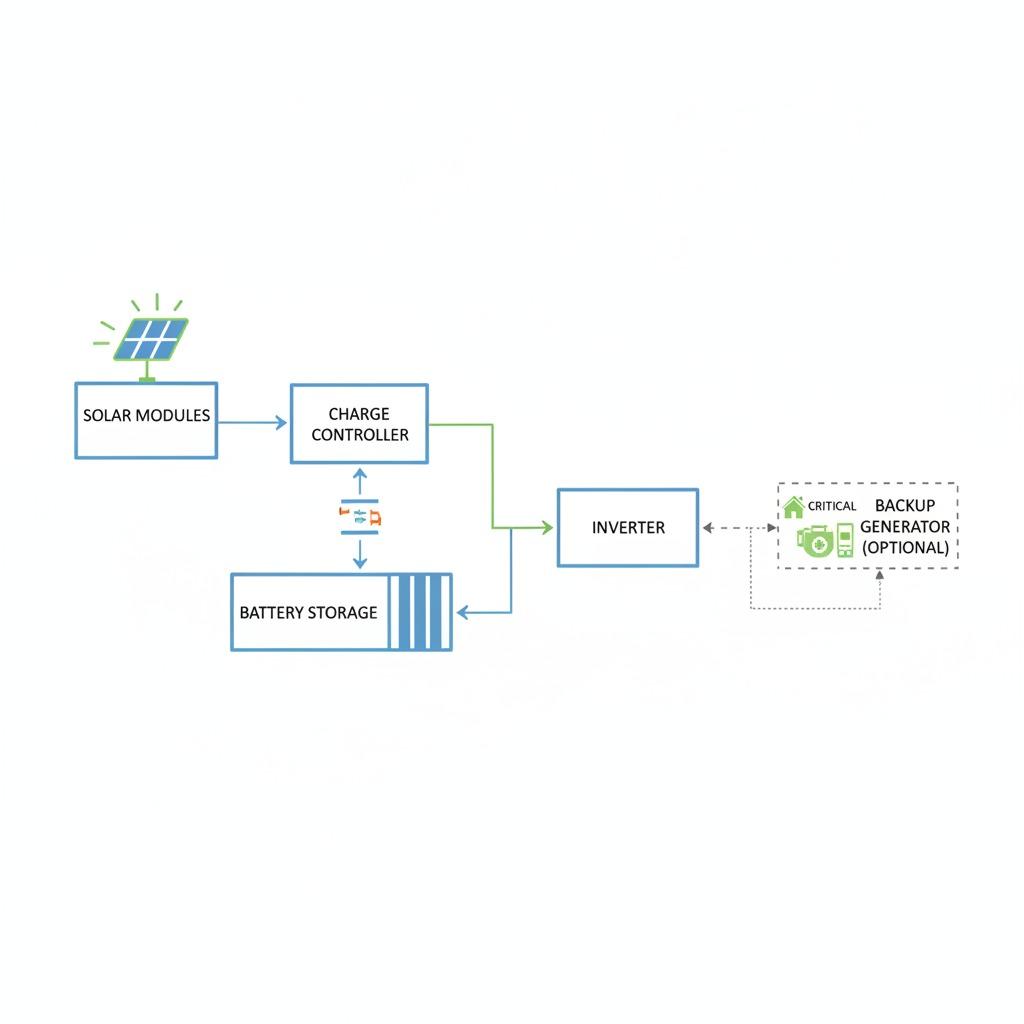
OEM manufacturing offers customers a high degree of flexibility in product design and component configuration. At Ruifeng New Energy, OEM clients can customize key components across the entire solar system, including solar panels, lithium battery systems, charge controllers, poles, brackets, and lighting structures.
Component selection can be tailored to meet specific performance targets, budget constraints, and durability requirements. For example, battery capacity and chemistry can be adjusted based on local climate and operating hours, while solar panel size and efficiency can be optimized according to available installation space and sunlight conditions. Structural components can be designed to withstand local wind loads, corrosion levels, or aesthetic requirements for urban or commercial projects.
For ODM customers, Ruifeng New Energy provides access to a portfolio of mature, field-proven product designs that have been tested across multiple markets. These designs are continuously refined based on production data and long-term field performance, ensuring reliable operation, extended lifespan, and ease of installation. ODM solutions allow customers to enter the market quickly with reduced development effort while still benefiting from factory-level optimization and customization options.
Efficient Mass Production Capability
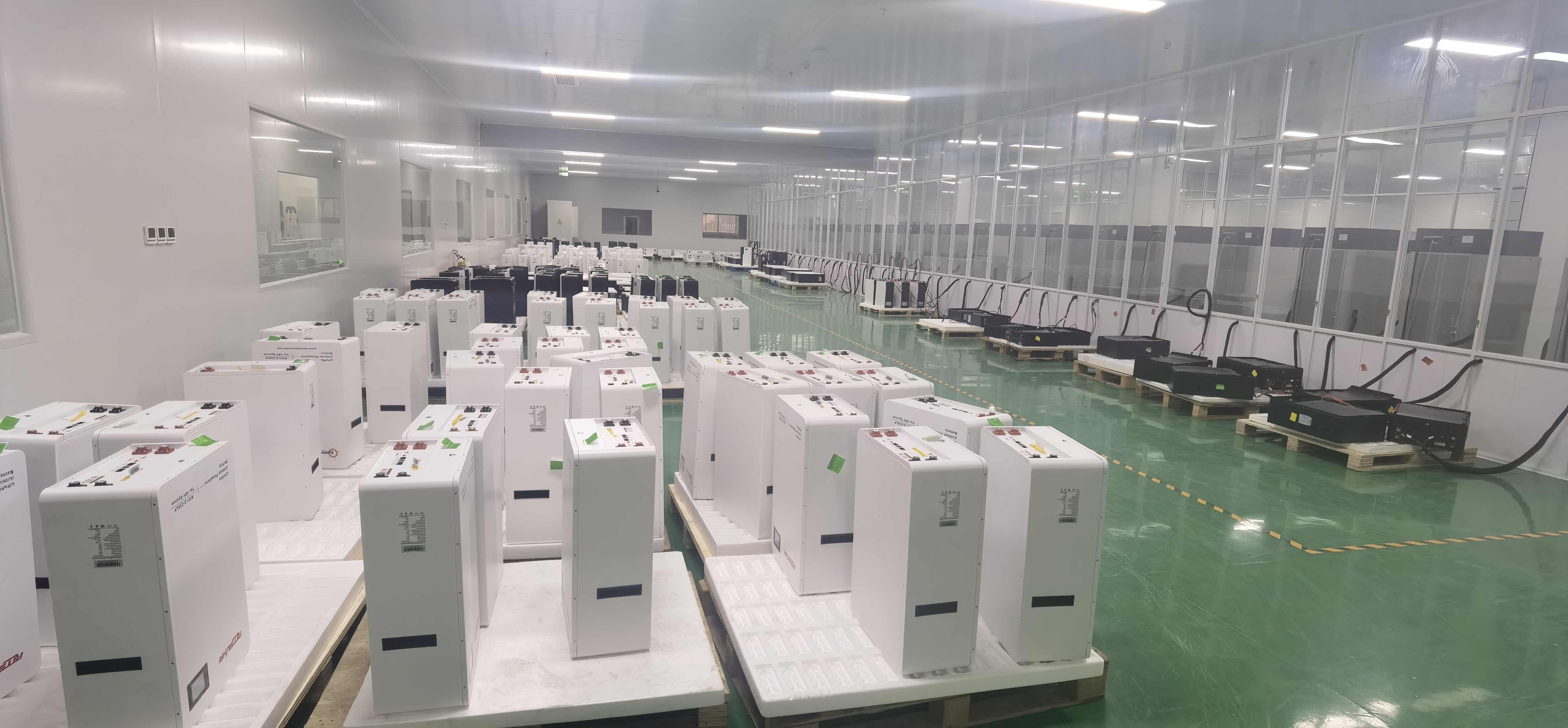
A key advantage of working with a factory-based OEM and ODM partner is the ability to scale efficiently from initial prototypes to mass production. Ruifeng New Energy operates standardized production lines supported by experienced technicians and optimized manufacturing workflows. This infrastructure enables smooth transitions from sample development and pilot runs to large-volume production without compromising quality or delivery schedules.
Efficient mass production capability is essential for wholesale distribution, infrastructure projects, and government tenders that demand consistent product quality across large quantities. Production planning is coordinated internally to ensure stable lead times, even as order volumes increase or multiple projects are running concurrently.
In addition, long-term relationships with key component suppliers help stabilize material sourcing and reduce supply chain risks. This integrated production and supply chain management model allows buyers to plan procurement more accurately, control inventory levels, and meet strict project timelines with confidence.
Quality Assurance for Global Markets
OEM and ODM solar products often need to comply with a wide range of regional standards and certification requirements. Factory-owned manufacturers play a central role in managing this complexity by integrating quality assurance into every stage of the production process.
At Ruifeng New Energy, quality assurance includes incoming material inspection, in-process quality control, and comprehensive final testing. Products undergo electrical performance verification, functional testing, and environmental durability assessments to ensure they meet design specifications and long-term reliability expectations.
In addition to in-house testing, the factory coordinates third-party certification processes as required for different markets. Complete technical documentation, including test reports, certificates, and user manuals, is prepared to support market entry and regulatory compliance. This integrated quality management approach reduces compliance risks for buyers and ensures consistent product performance across international markets.
A Reliable Partner for Customized Solar Solutions
OEM and ODM manufacturing is not simply about producing customized products—it is about building a reliable, long-term partnership that supports innovation, scalability, and market success. By combining engineering expertise, flexible customization, efficient mass production, and robust quality assurance, Ruifeng New Energy enables buyers to develop solar solutions tailored to diverse global applications.
For brands and project developers seeking differentiation, cost control, and dependable delivery, working with a full-capability solar factory provides a strategic advantage. In an increasingly customized and competitive solar market, OEM and ODM partnerships form the foundation for sustainable growth and long-term success.