

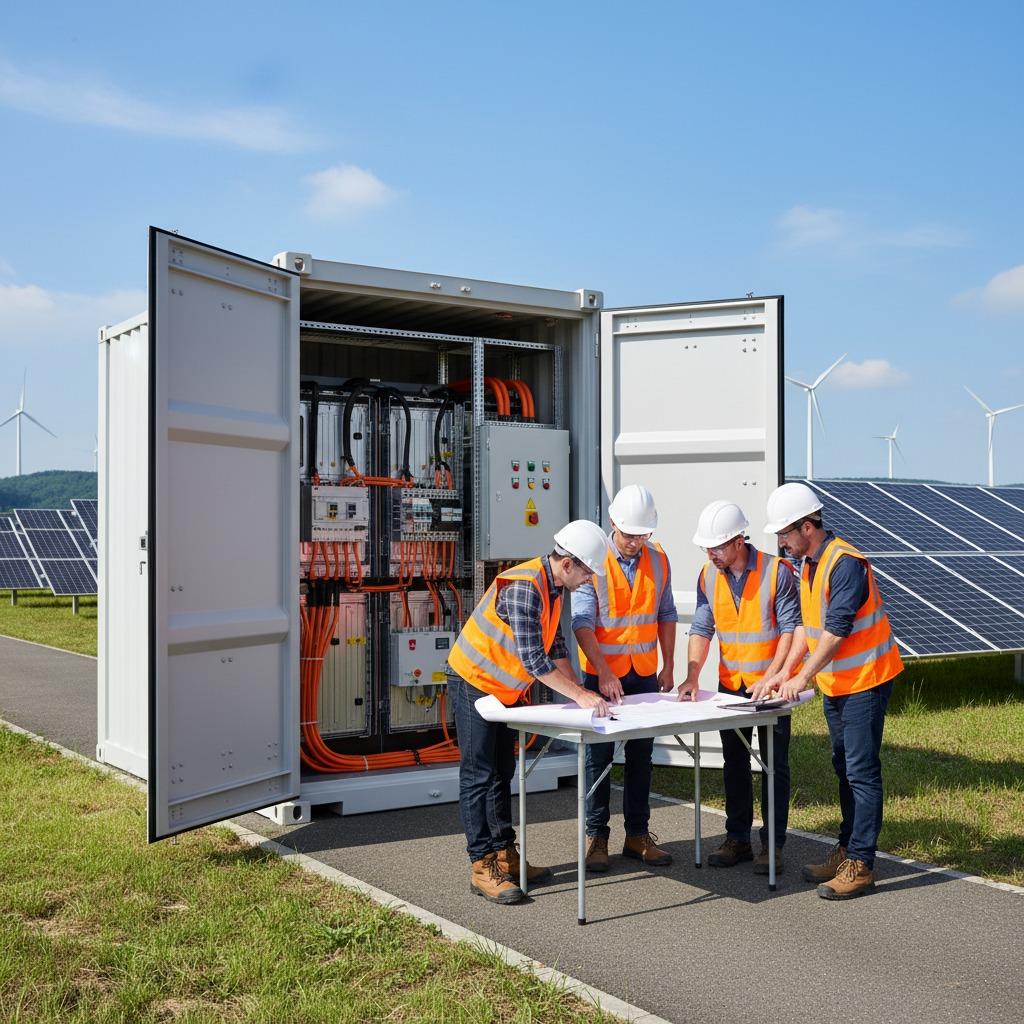
In today's rapidly evolving world, renewable energy solutions are at the forefront of addressing global energy challenges. At Yangzhou Bright Solar Solutions Co., Ltd., we are committed to pioneering these innovations, integrating cutting-edge technology with sustainable practices to deliver reliable power. This article delves into the transformative potential of renewable energy solutions, highlighting how they pave the way for a greener planet.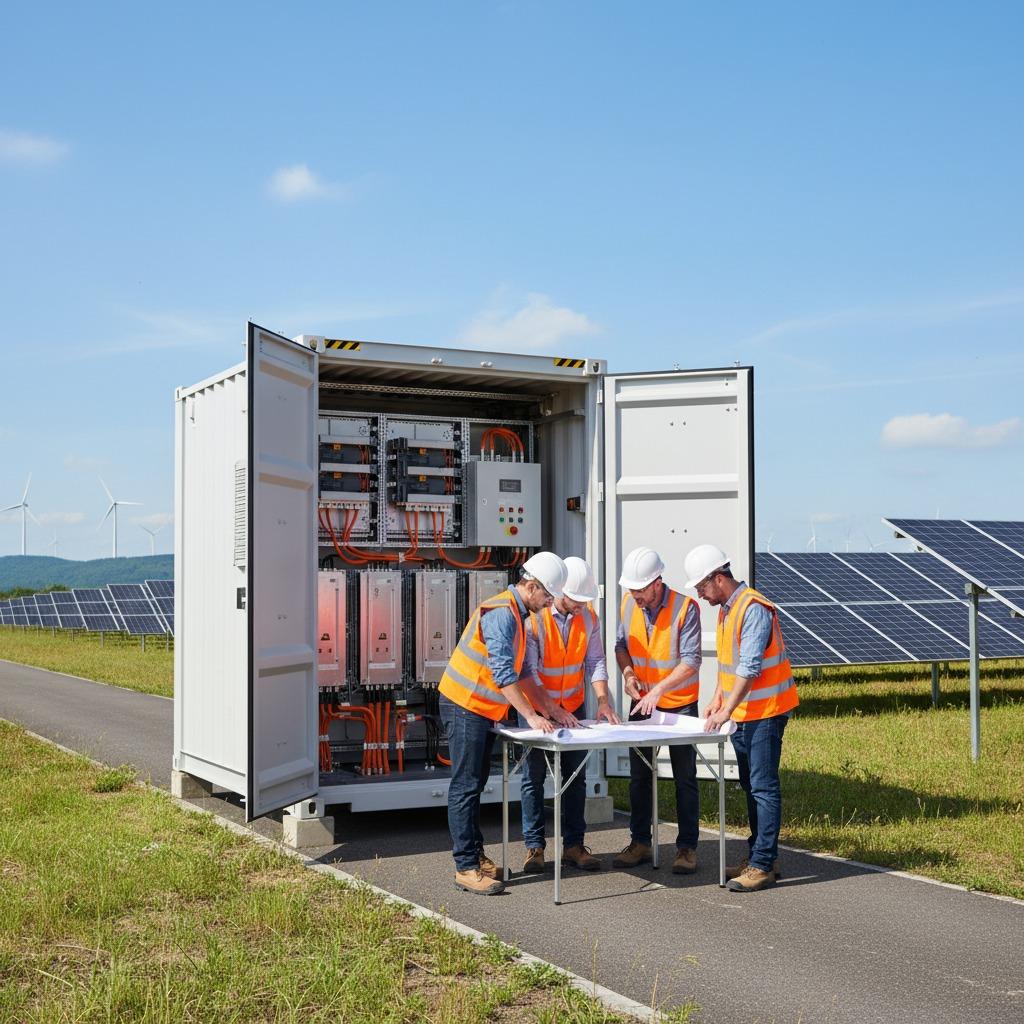
Understanding Sustainable Energy Sources
Sustainable energy sources form the backbone of modern environmental strategies, offering alternatives to fossil fuels that reduce carbon emissions and promote ecological balance. These sources, including wind and hydroelectric power, ensure long-term energy availability without depleting natural resources. At our company, we emphasize integrating such sources into industrial applications, where reliability meets efficiency. For instance, our facilities incorporate vast arrays of solar panels alongside wind turbines, creating a hybrid system that captures energy from multiple sustainable energy sources. This approach not only maximizes output but also stabilizes supply during varying weather conditions. By focusing on sustainable energy sources, businesses and households can achieve energy independence, lowering operational costs over time. Experts predict that by 2050, sustainable energy sources could account for over 80% of global electricity, underscoring their viability and necessity.
Advancements in Clean Energy Technologies
Clean energy technologies represent a leap forward in how we generate and manage power, minimizing environmental impact while enhancing efficiency. These technologies encompass innovations like advanced inverters and smart grids that optimize energy flow from production to consumption. Yangzhou Bright Solar Solutions Co., Ltd. stands at the intersection of these developments, showcasing sleek, modern structures equipped with reflective glass facades that house sophisticated operations. Our cutting-edge storage units, branded for solar integration, exemplify clean energy technologies by ensuring energy harvested from renewables is stored and distributed without loss. These units feature modular designs that scale to meet industrial or residential demands, providing stability to the power grid. Moreover, clean energy technologies like our high-capacity battery containers incorporate thermal management systems to protect against environmental factors, extending lifespan and performance. This reliability is crucial for sectors like manufacturing, where uninterrupted power supports productivity. As clean energy technologies evolve, they not only reduce carbon footprints but also foster economic growth by creating jobs in green sectors.
The Power of Solar Energy Systems
Solar energy systems have emerged as a cornerstone of renewable energy solutions, harnessing the sun's abundant power through photovoltaic panels. These systems convert sunlight into electricity efficiently, making them ideal for both urban and rural settings. At Yangzhou Bright Solar Solutions Co., Ltd., our state-of-the-art solar energy systems feature monocrystalline cells that perform exceptionally even in low-light conditions, ensuring consistent output. Spread over vast areas, our solar panels are complemented by wind turbines, creating a comprehensive renewable energy solutions ecosystem. The robust, weather-resistant frames of these panels withstand harsh elements, guaranteeing durability for decades. Solar energy systems also integrate seamlessly with our advanced storage solutions, such as battery containers that manage excess power for nighttime use or peak demand. This synergy enhances energy security and supports the transition to sustainable models. For commercial applications, installing solar energy systems can yield significant savings, with payback periods often under five years. Our innovative designs not only prioritize performance but also aesthetic appeal, blending into architectural landscapes effortlessly.
Integrating Renewable Energy Solutions in Modern Facilities
Implementing renewable energy solutions in contemporary facilities requires a blend of strategic planning and technological prowess. Our facility at Yangzhou Bright Solar Solutions Co., Ltd. serves as a prime example, with its expansive solar arrays and towering wind turbines generating eco-friendly electricity. These renewable energy solutions are designed to cater to diverse needs, from powering industrial processes to supplying residential grids. The adjacent storage units play a pivotal role, equipped with intelligent controls that optimize energy distribution and prevent wastage. By combining sustainable energy sources with clean energy technologies, we achieve a resilient power infrastructure that withstands fluctuations. For instance, during high solar production, excess energy is stored in modular battery units, ready for distribution when needed. This setup not only enhances reliability but also promotes energy independence, reducing reliance on traditional grids. Businesses adopting such renewable energy solutions report up to 30% cost reductions in energy bills, alongside compliance with stringent environmental regulations. Our commitment to innovation ensures that every component, from panels to storage, meets the highest standards of efficiency and sustainability.
Benefits and Future Prospects of Solar Energy Systems
The advantages of solar energy systems extend beyond immediate energy generation, influencing long-term sustainability goals. These systems lower greenhouse gas emissions, contributing to global efforts against climate change. At our company, we leverage solar energy systems to pioneer a future where clean power is accessible and affordable. High-efficiency photovoltaic panels, like those in our lineup, minimize energy loss through advanced engineering, delivering more power per square foot. When paired with sustainable energy sources such as wind, they create a diversified portfolio that mitigates risks from weather variability. Clean energy technologies within these systems, including streamlined inverters, further boost performance by converting DC to AC power with minimal inefficiency. For industrial users, solar energy systems offer scalability, allowing expansion as energy needs grow. Looking ahead, ongoing research promises even higher efficiencies, potentially doubling output in the next decade. Yangzhou Bright Solar Solutions Co., Ltd. is at the vanguard, investing in R&D to refine these technologies. By embracing solar energy systems, stakeholders not only secure their energy future but also contribute to a healthier planet.
Overcoming Challenges in Adopting Clean Energy Technologies
While the path to widespread adoption of clean energy technologies is promising, challenges like initial costs and infrastructure integration persist. However, solutions are evolving rapidly, making these barriers surmountable. Our renewable energy solutions at Yangzhou Bright Solar Solutions Co., Ltd. address upfront expenses through modular designs that allow phased implementations, spreading costs over time. Sustainable energy sources integration requires compatible storage, which our battery containers provide, ensuring seamless operation. Education and policy support are also key; governments worldwide offer incentives for installing clean energy technologies, accelerating ROI. Technical hurdles, such as intermittency in solar energy systems, are mitigated by hybrid setups combining multiple sustainable energy sources. Our facilities demonstrate this in practice, with wind turbines supplementing solar during cloudy periods. Maintenance is simplified with durable components that require minimal upkeep, enhancing long-term viability. As clean energy technologies advance, their affordability improves, democratizing access for small businesses and communities. At our company, we guide clients through this transition, offering expertise to maximize benefits from renewable energy solutions.
Conclusion: Embracing a Greener Tomorrow
Renewable energy solutions are not just a trend but a necessity for sustainable development. From sustainable energy sources to sophisticated clean energy technologies and robust solar energy systems, the options available today empower us to build a resilient energy landscape. Yangzhou Bright Solar Solutions Co., Ltd. is proud to lead this charge, providing innovative products that blend efficiency, reliability, and environmental stewardship. As we continue to innovate, the promise of a carbon-neutral future becomes increasingly attainable, inviting everyone to participate in this vital shift.






