
Residential Energy Storage System: What Buyers Should Look for Beyond the Battery Brochure
A residential energy storage system is easy to oversimplify. On paper, it looks like a battery, an inverter, and a cabinet. In the field, it is a packaging problem, a controls problem, and a safety problem all at once. For homeowners it is about backup power and self-consumption. For installers, builders, and electrical engineers, it is about whether the hardware fits the house, the load profile, and the local code pathway without creating a maintenance headache six months later.
That matters because the wrong choice is rarely obvious at purchase time. A system can look tidy in a sales brochure and still be awkward to service, difficult to expand, or poorly matched to solar production and evening demand. If you are comparing home energy storage options for a new build, a retrofit, or a small multifamily project, the real decision is not “battery or no battery.” It is which architecture gives you dependable operation, sensible enclosure design, and enough flexibility to survive real-world use.
What a Good System Is Trying to Do
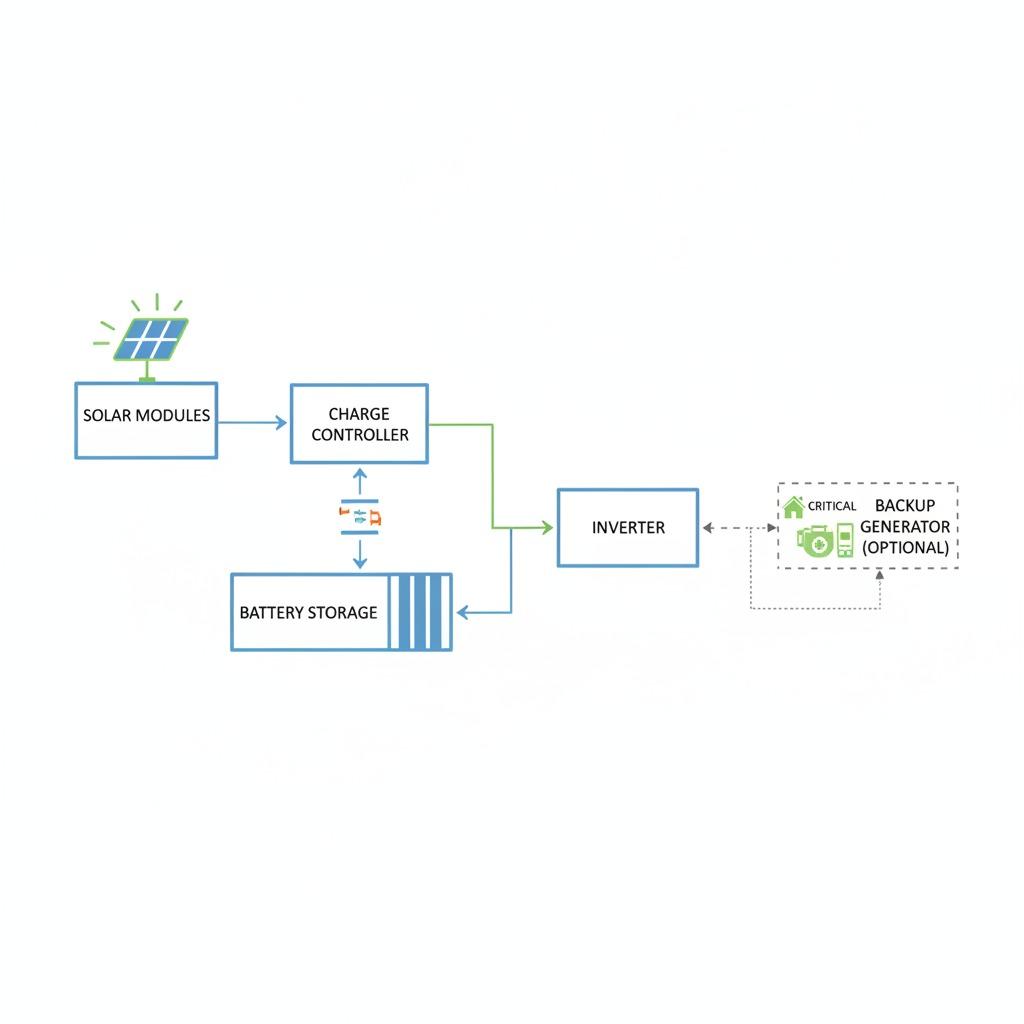
At the simplest level, solar battery storage captures excess energy when generation is high and makes it available later, typically in the evening or during outages. That idea sounds straightforward. The hardware behind it is not.
A practical residential energy storage system has to manage several functions at once:
It must protect the energy source and the load.
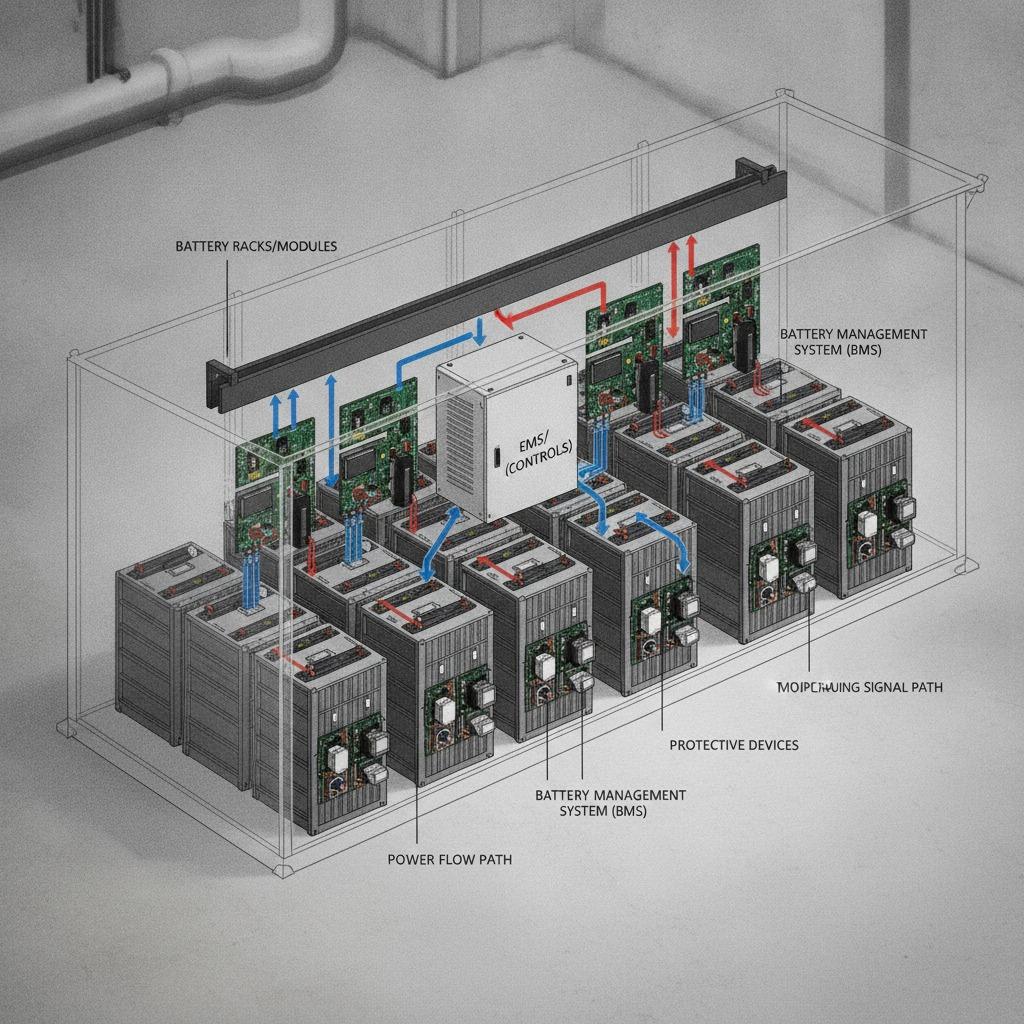
It must keep the internal components organized and serviceable.
It must communicate with the inverter or power electronics without constant intervention.
It must fit into a garage, utility room, basement, or dedicated electrical space without turning the room into a maze of exposed components.
This is where enclosure design becomes more than a cosmetic detail. The cabinet is not just sheet metal around a battery pack. It is the boundary between sensitive electronics and the outside environment, between a neat installation and one that invites trouble during inspection or service.
Why Cabinet Layout Matters More Than Many Buyers Expect
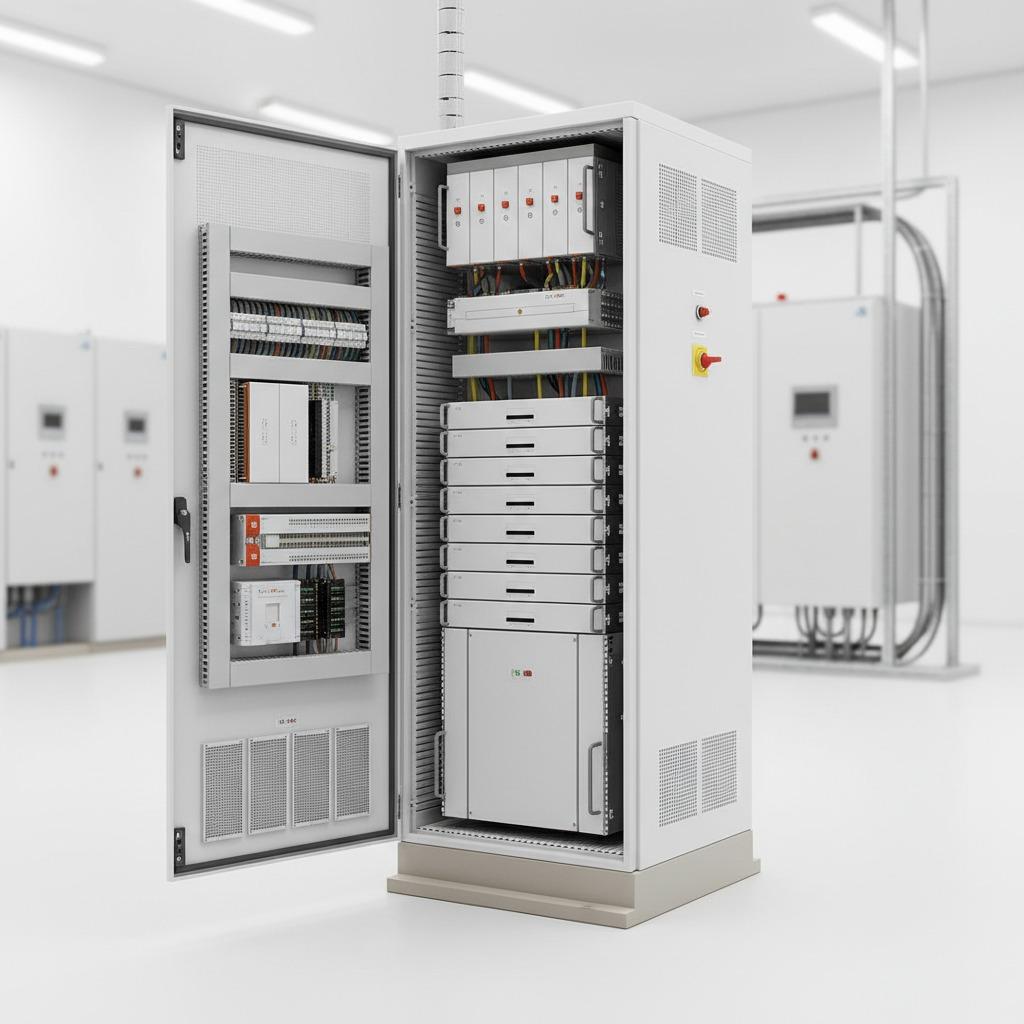
The product image supplied here shows a floor-standing metal electrical cabinet with the door open, a compact vertical layout, and multiple internal modules arranged in separate upper and lower sections. It resembles the kind of enclosed electrical panel or control cabinet often used for power distribution, automation, or battery/inverter integration. I would not treat it as proof of a specific product class, but the layout itself is instructive.
A vertical, modular cabinet has a few practical advantages in residential and light commercial energy systems:
It concentrates components into a smaller footprint.
It supports front-access servicing, which is a real benefit when a unit sits against a wall or in a narrow utility area.
It allows the designer to separate control electronics from power hardware or other modules.
It makes the system easier to organize in a way that reduces cluttered wiring.
That last point is not glamorous, but it matters. Messy internal routing can complicate troubleshooting and make routine maintenance slower than it should be. In the residential market, where space is limited and the client may not want a service team returning repeatedly, a clean internal arrangement is worth paying attention to.
Key Architecture Choices That Shape Performance
Not every home energy storage system is built the same way. The most important architectural choices usually involve how the storage, inverter, and controls are packaged.
All-in-one versus split-component systems
An all-in-one cabinet can simplify installation because the components are already housed together. That can reduce cabling complexity and make the installation look cleaner. A split-component approach, by contrast, may offer more flexibility for large homes or phased upgrades, but it also adds more interconnection points and more opportunities for installation error.
For buyers, the question is not which style sounds more advanced. It is which style matches the electrical room, the load target, and the maintenance plan.
Modular versus fixed capacity
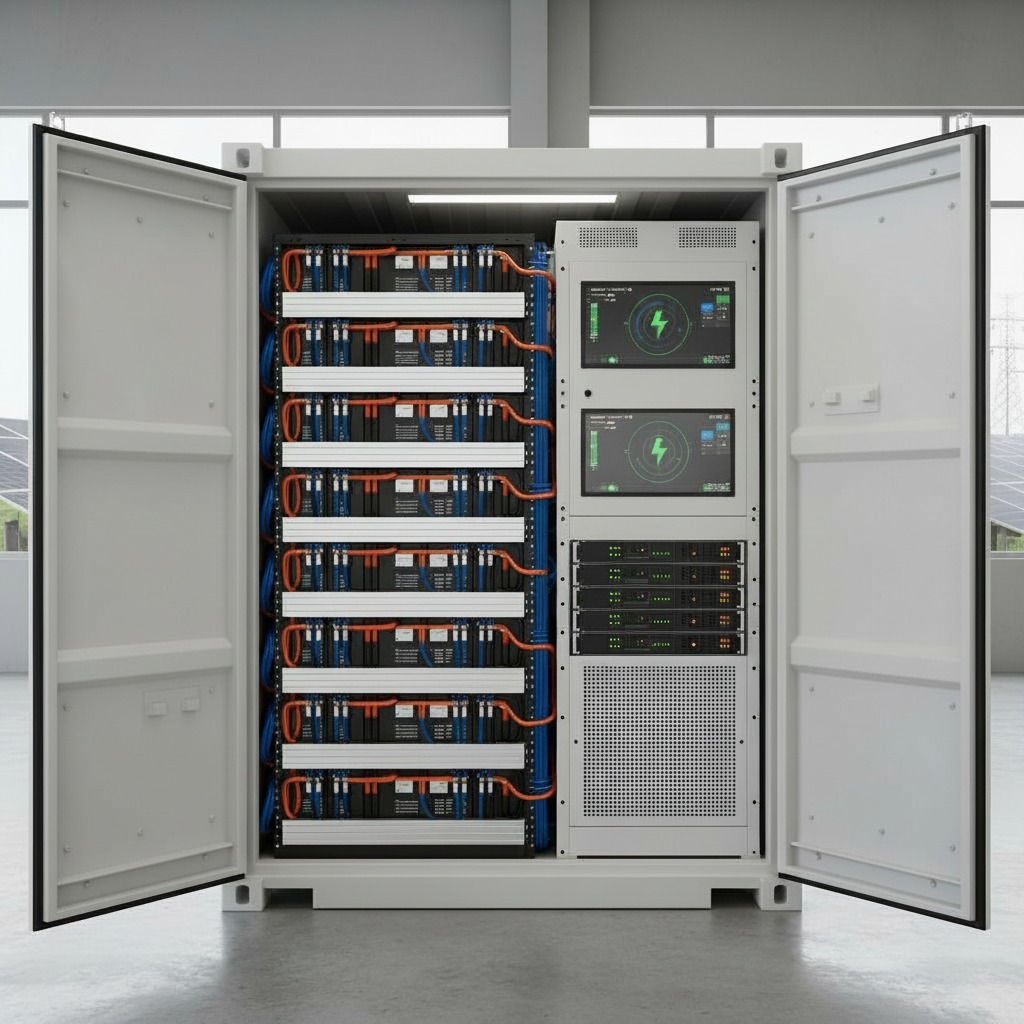
Modularity is one of the biggest selling points in this category. In practical terms, modular battery or electronics stacks can help a project start smaller and expand later. The cabinet shown in the supplied material suggests a modular upper section with front-facing indicators or connectors, plus a lower section that appears dedicated to control or power electronics. That kind of separation is common in systems that are designed for maintainability.
The caution here is simple: modular does not automatically mean expandable in every direction. Some systems are modular only within a narrow product family. A buyer should confirm whether future additions are truly supported, not merely implied by the cabinet layout.
Indoor placement and service access
Residential energy storage often ends up in garages or utility rooms, so physical access matters. A lockable cabinet design is helpful where the owner wants to limit casual access, while front-facing modules reduce the need for side clearance. If a unit has to be moved every time a technician needs to inspect it, the installation is already working against itself.
What to Compare Before You Buy
When teams compare home energy storage options, they often focus too early on capacity and too late on the enclosure and service structure. Capacity matters, of course. But several less obvious points can make a larger difference over the life of the system.
1. Footprint versus usable space
A vertical floor-standing cabinet can be efficient, but not every utility room has generous depth or easy front access. Measure the available location carefully and leave room for opening the door, wiring, and service access. A compact cabinet is not compact if it blocks a walkway or forces awkward bend radii in conduit and cable routing.
2. Thermal management expectations
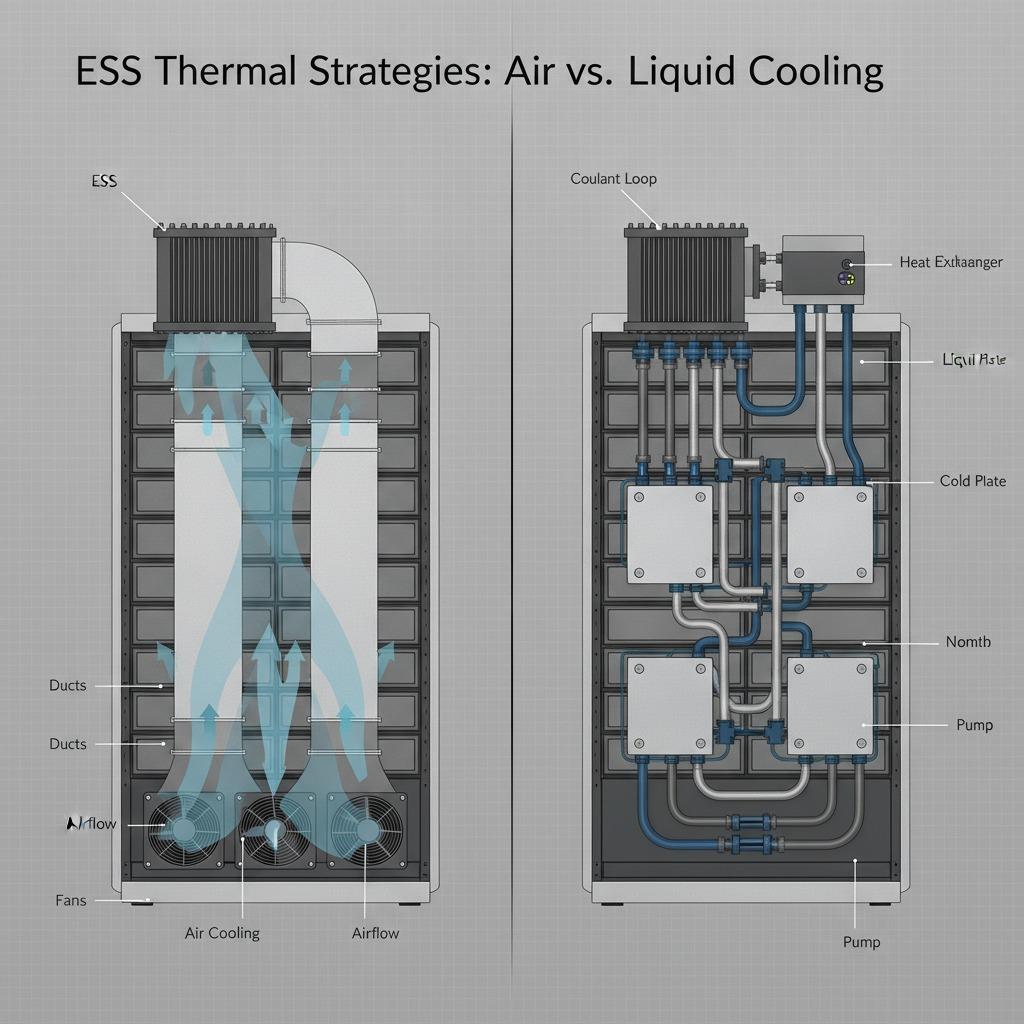
Exact thermal details were not supplied, so it would be wrong to guess at cooling method or performance. Still, buyers should ask how heat is managed, especially in enclosed indoor spaces. Power electronics and storage modules do not like being treated as invisible furniture. Heat accumulation affects reliability and can influence where the system can be installed.
3. Accessibility of modules and indicators
Front-access indicators and connectors are more than a convenience. They can shorten diagnostics and reduce downtime. If a technician can identify module status without disassembling half the cabinet, the system is easier to live with.
4. Wiring organization
Separate upper and lower compartments can be a sign that the manufacturer has thought about cable routing and service separation. That is generally preferable to a crowded single chamber where every function shares the same space. It is not a guarantee of quality, but it is a good sign.
Common Mistakes Buyers Make
The residential energy storage system market attracts a lot of specification-by-headline behavior. That is a mistake.
One common error is assuming that every system marketed as backup-ready will perform the same way during an outage. Another is overlooking how the cabinet will be installed, accessed, and maintained once the project is finished. Buyers also sometimes compare only battery capacity and ignore the system architecture around it.
A smaller but frequent mistake is forgetting that a neat installation is not just about aesthetics. A clean metal cabinet with a lockable front door, clear internal separation, and modular organization often saves time later. If the installer has to fight the layout, the end user eventually pays for it.
Another practical warning: do not assume that an enclosure intended for one service category is automatically suitable for another. The supplied cabinet image suggests an electrical panel or control enclosure, possibly for battery or inverter integration, but the exact service category is uncertain. That is precisely why buyers should verify suitability rather than reading too much into appearance.
How Sourcing Teams Should Frame the Supplier Conversation
If you are sourcing residential energy storage hardware, ask questions that reveal how the product is actually built and supported.
Start with enclosure construction. Is it fabricated sheet metal? How is the finish applied? How does the manufacturer handle door hardware, mounting frame integrity, and internal separation? Even when exact material grades are not disclosed, the supplier should be able to explain the enclosure concept clearly.
Then move to serviceability. Can modules be replaced from the front? Are there blank panel areas that allow reconfiguration? Is the lower control section isolated from the upper module stack? A supplier who can explain those choices is usually thinking like an equipment builder, not just a marketer.
For project teams, it also helps to ask how the system is intended to be integrated: standalone home energy storage, solar battery storage paired with rooftop PV, or a broader electrical room assembly. The answer affects cable routing, protective devices, and the installation sequence.
Buyer Takeaway: Match the System to the Use Case, Not the Headline
The best residential energy storage system for one project may be the wrong answer for another. A compact cabinet with modular internal arrangement can be excellent for a garage installation that needs front access and a tidy footprint. In a different project, a split architecture might be better if the design team expects future expansion or a more complex electrical layout.
The point is to look beyond stored kilowatt-hours and ask what the enclosure, service path, and internal organization are doing for you. Those details are often the difference between a system that looks good at handover and one that remains easy to maintain for years.
FAQ
Is a residential energy storage system only for solar homes?
No. Solar is the most common pairing, but storage can also support backup power, load shifting, or broader energy management depending on the system design and local requirements.
Why is a cabinet-style enclosure useful?
A cabinet helps protect internal components, organize wiring, and create a serviceable package. It is especially useful when the system includes multiple modules or power electronics that need to be kept accessible but contained.
What should I verify before specifying one?
Check the footprint, access clearances, integration method, thermal strategy, and whether the modular layout truly supports your project needs. Also confirm the exact service category rather than assuming from appearance alone.
Next Step
If you are evaluating a residential energy storage system for a home, retrofit, or small building project, start with the cabinet and the service path, not just the storage number on the front page. Then compare how the system handles modularity, access, and installation constraints. Those are the details that decide whether the hardware will be easy to live with after the first month, not just easy to sell.