
Solar Street Lights: Illuminating the Future of Sustainable Urban Lighting
In the quest for efficient and eco-friendly lighting solutions, the solar street light stands out as a revolutionary technology. This innovative system harnesses renewable solar energy to power outdoor illumination, making it an ideal choice for modern cities and remote areas alike. With growing concerns over energy consumption and environmental impact, solar street lights offer a practical way to reduce carbon footprints while ensuring reliable lighting. As urban development accelerates, integrating such sustainable options becomes essential for creating smarter, greener communities.
Understanding the Basics of Solar Street Light Systems
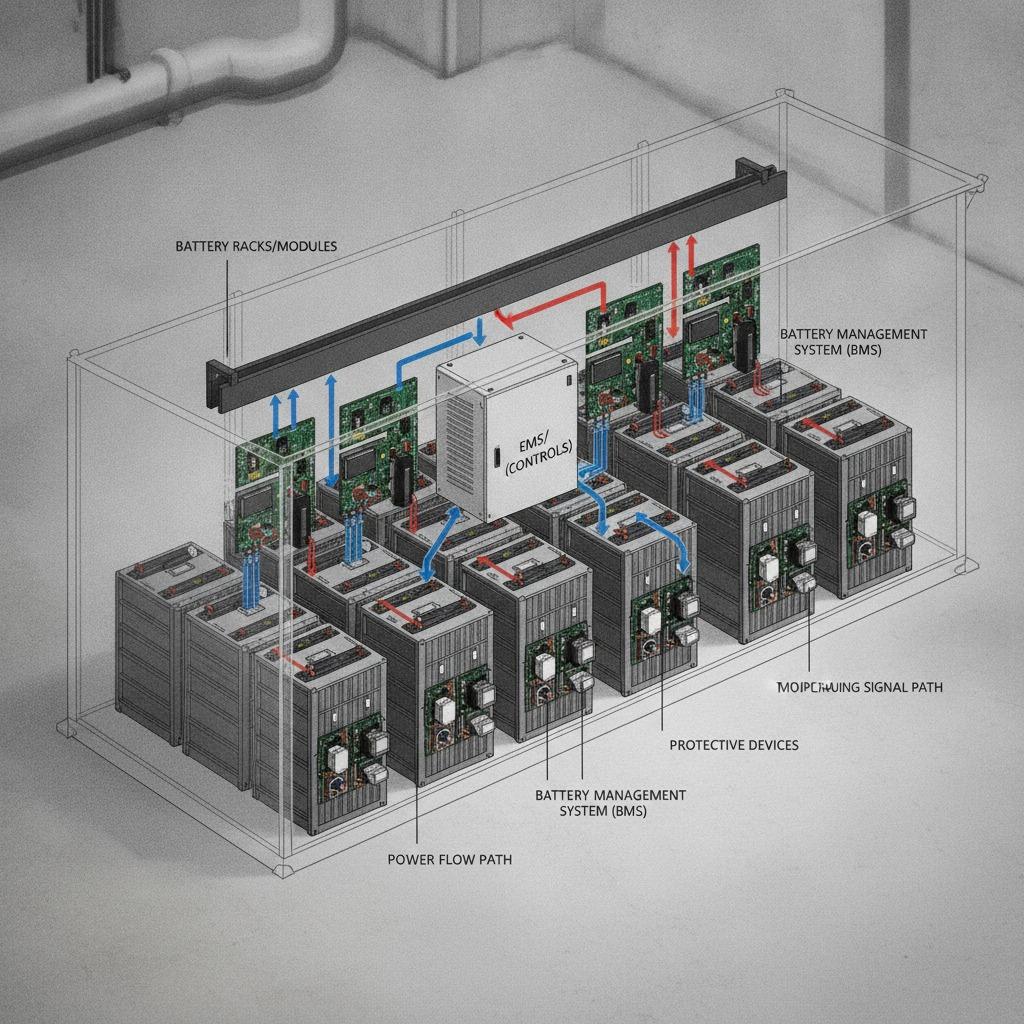
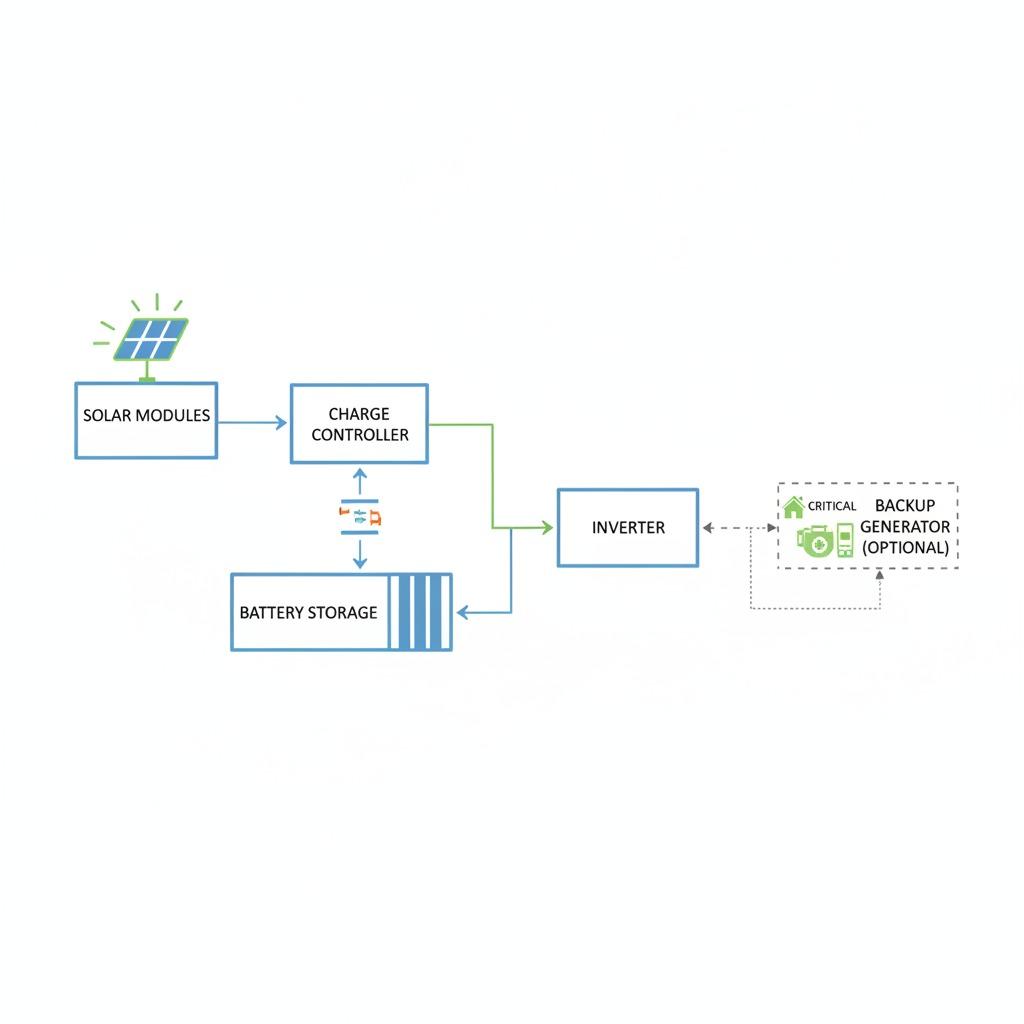
A solar street light system operates on a simple yet powerful principle: capturing sunlight during the day and converting it into electricity to light up streets at night. Typically, these systems include a solar panel, a battery for energy storage, an LED lamp for illumination, and a controller to manage the charging and discharging process. The solar panel, often made from high-efficiency monocrystalline or polycrystalline cells, absorbs sunlight and generates direct current (DC) electricity. This energy charges the battery, usually a lithium-ion or gel type, which stores it for use when the sun sets.
The controller ensures optimal performance by preventing overcharging or deep discharge of the battery, extending its lifespan. When darkness falls, a light sensor or timer activates the LED lamp, providing bright, uniform light without relying on the grid. This self-contained design makes the solar street light system highly versatile, suitable for installation in areas without access to traditional power sources. Moreover, these systems are low-maintenance, requiring minimal upkeep compared to conventional street lights, which often need frequent bulb replacements and wiring repairs.
One of the key advantages of a solar street light system is its energy independence. In regions prone to power outages or where extending electrical infrastructure is costly, these lights provide uninterrupted service. They also contribute to energy savings; studies show that solar-powered lighting can reduce electricity bills by up to 70% for municipalities. Environmentally, they cut down on fossil fuel dependency, lowering greenhouse gas emissions and supporting global sustainability goals like the UN's Sustainable Development Goals.
Exploring LED Solar Street Lights for Superior Performance
Among the various types of solar street lights, LED solar street lights have gained prominence due to their efficiency and longevity. LEDs, or light-emitting diodes, consume significantly less power than traditional bulbs—up to 80% less—while delivering brighter and more consistent light output. In LED solar street lights, this technology pairs seamlessly with solar panels to maximize energy use, ensuring the system operates for extended periods, often 10-12 hours per night on a full charge.
These lights feature advanced optics, such as lens distributions that focus light where it's needed most, minimizing light pollution and enhancing visibility for safer streets. Durability is another hallmark; LED solar street lights are built with IP65 or higher ratings for water and dust resistance, making them resilient against rain, snow, and extreme temperatures. The integration of smart features, like motion sensors and dimming capabilities, further optimizes energy use—lights can brighten upon detecting movement and dim during quiet periods, extending battery life even in cloudy weather.
For instance, consider the operational efficiency in real-world scenarios. In a typical urban setup, LED solar street lights can illuminate pathways and intersections without the glare that often accompanies older lighting systems. Their cool operating temperature reduces the risk of overheating, and with lifespans exceeding 50,000 hours, they outlast incandescent or fluorescent alternatives by a wide margin. This reliability translates to lower operational costs over time, appealing to budget-conscious planners and environmental advocates alike.
The Role of Solar Street Light Manufacturers in Innovation
Solar street light manufacturers play a pivotal role in advancing this technology, driving improvements in design, efficiency, and affordability. Leading manufacturers focus on research and development to create products that meet diverse needs, from compact models for residential areas to heavy-duty versions for highways. They emphasize quality components, such as high-grade solar panels with conversion efficiencies above 20%, and robust aluminum housings that resist corrosion.
Reputable solar street light manufacturers often adhere to international standards like ISO 9001 for quality management and CE certifications for safety. They also incorporate user-friendly features, such as easy installation processes that require no trenching or cabling—simply mount the pole, and the system is ready. Customization options allow for tailored solutions, including adjustable angles for solar panels to optimize sunlight capture based on geographic location.
Innovation from these manufacturers extends to smart integration; many now offer IoT-enabled solar street lights that connect to city networks for remote monitoring and maintenance alerts. This connectivity helps predict failures and schedule servicing, reducing downtime. As the market grows, with projections estimating a CAGR of over 15% through 2030, manufacturers are scaling production to meet demand, making solar street lights more accessible worldwide.
Spotlight on the BR-07 AIT: A Premium Solar Street Light Solution
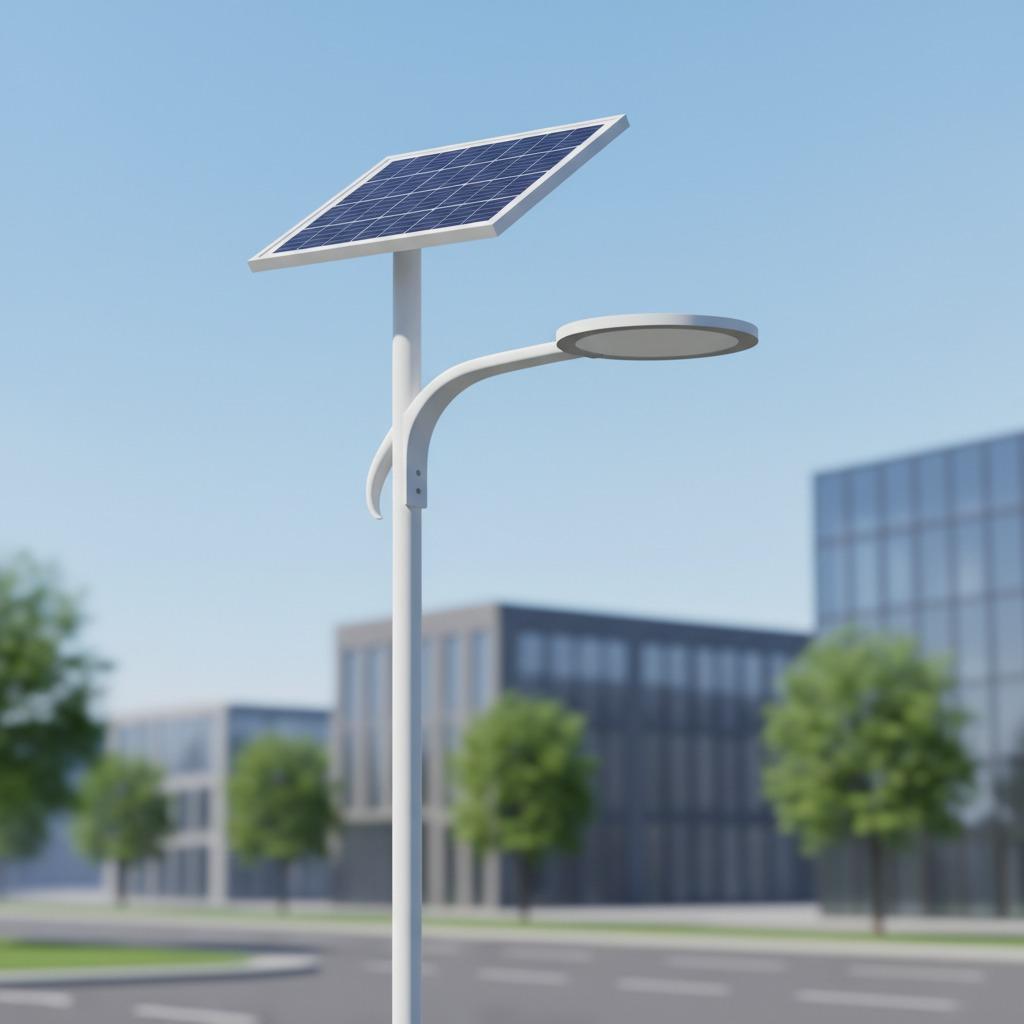
Introducing the BR-07 AIT, a cutting-edge solar street light designed for efficiency and sustainability. This sleek and modern solution harnesses the power of the sun, featuring a high-efficiency solar panel that captures sunlight and converts it into energy, drastically reducing electricity costs. The lamp is equipped with advanced LED technology, providing bright, reliable illumination while being energy-efficient and low maintenance. It combines robust construction with an aerodynamic design to withstand harsh weather conditions, ensuring durability and longevity.
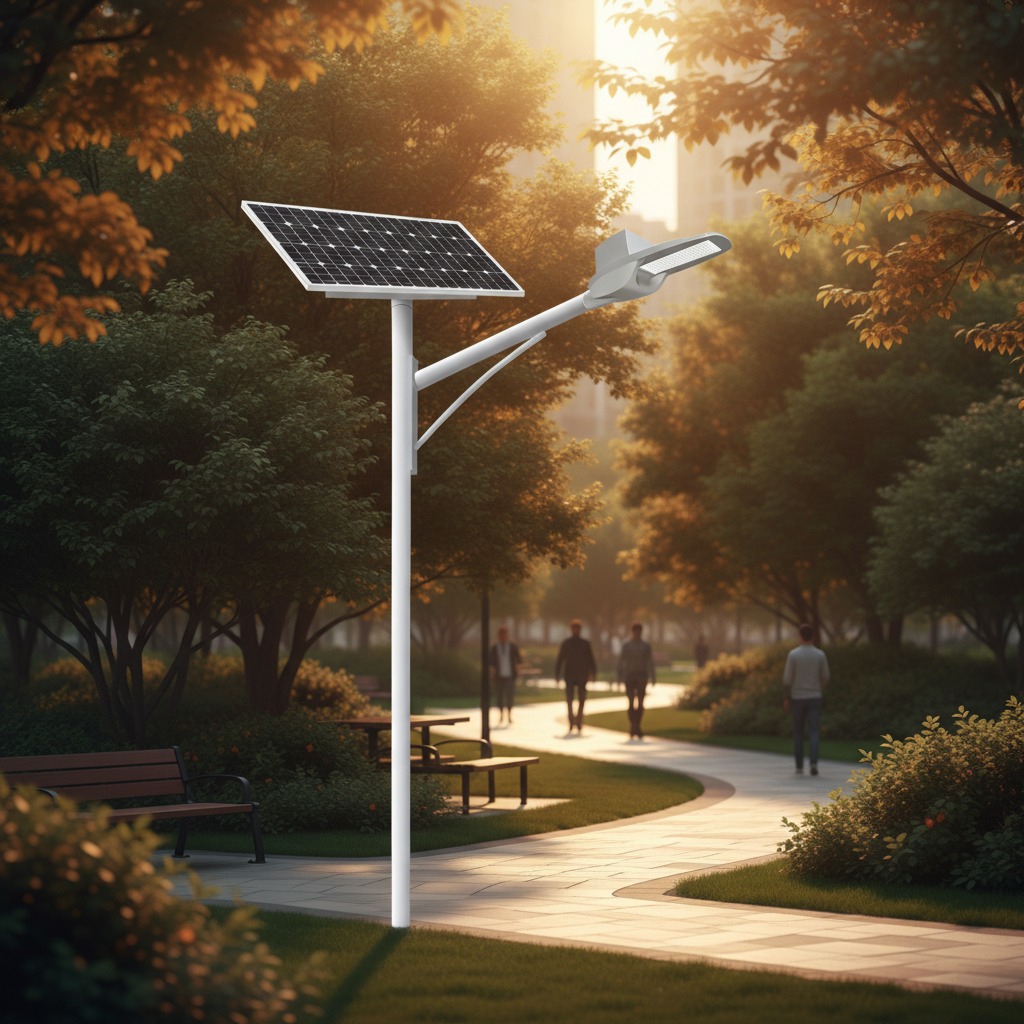
Perfect for urban street lighting, parks, or remote areas, the BR-07 AIT offers an eco-friendly and cost-effective lighting solution, blending seamlessly with contemporary urban aesthetics while promoting sustainable living. Its integrated solar street light system includes a high-capacity battery that supports all-night operation, even in suboptimal sunlight conditions. The BR-07 AIT's motion-sensing capabilities enhance security by increasing brightness when activity is detected, making it an excellent choice for public safety.
Users appreciate the BR-07 AIT for its plug-and-play installation, which can be completed in under an hour, and its low total cost of ownership—often paying for itself within 2-3 years through energy savings. Whether deployed in bustling city centers or rural pathways, this product exemplifies how solar street lights can transform infrastructure into sustainable assets.
Applications and Future Trends in Solar Street Lighting
Solar street lights find applications across a broad spectrum, from enhancing pedestrian safety in neighborhoods to illuminating industrial complexes. In developing countries, they bridge the gap in electrification, powering community centers and schools without grid dependency. Urban planners increasingly incorporate them into smart city initiatives, where LED solar street lights integrate with traffic systems for adaptive lighting that responds to real-time needs.
Looking ahead, trends point toward even greater advancements. Hybrid systems combining solar with wind energy are emerging, offering resilience in varying climates. Manufacturers are exploring bifacial solar panels that capture light from both sides, boosting efficiency by 30%. Additionally, the push for recyclable materials in solar street light systems aligns with circular economy principles, minimizing waste at end-of-life.
As governments incentivize renewable energy through subsidies and policies, adoption rates are soaring. Cities like Los Angeles and Dubai have already lit thousands of streets with solar solutions, reporting significant reductions in energy use and maintenance costs. For businesses and municipalities, investing in solar street lights not only cuts expenses but also enhances brand image as forward-thinking leaders in sustainability.
In conclusion, the solar street light represents a beacon of progress in outdoor lighting. By leveraging clean energy, advanced LED technology, and innovative designs like the BR-07 AIT, we can build brighter, more sustainable futures. Embracing these systems today paves the way for resilient, eco-conscious communities tomorrow.