
Can You Run AC with Solar Panel? What Buyers Should Really Ask First
If you want to run AC with solar panel power, the first question is not “Is it possible?” It is “What kind of cooling load are you trying to support, and for how many hours?” That sounds like a small distinction, but in practice it decides whether a solar setup feels like a clean energy win or an expensive disappointment. Air conditioning is one of the heaviest electrical loads in a building, and it behaves differently from lights, fans, or office equipment. Startup surges, weather swings, compressor cycling, and battery sizing all matter.
For engineers, sourcing managers, and product teams, the real decision is usually not about ideology. It is about matching power generation, storage, and inverter capacity to a specific duty cycle. A system that works for a small office in a mild climate may fail badly in a warehouse, a workshop, or a residence with poor insulation. This article breaks down the practical side of solar-powered cooling: what is required, where projects go wrong, and how to choose a setup that makes sense instead of chasing an optimistic brochure claim.
Why air conditioning is harder than most solar loads
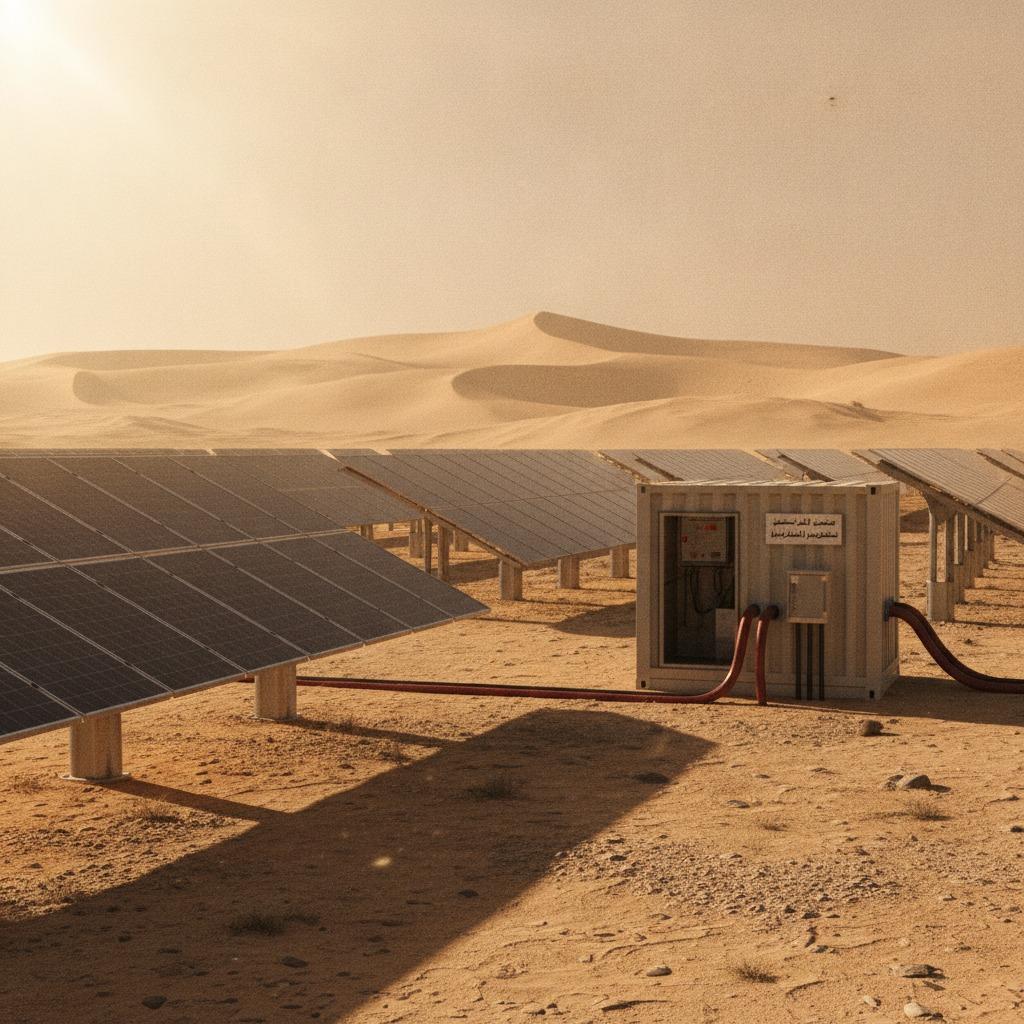
A solar array can absolutely supply HVAC power under the right conditions. The problem is that AC is not a steady resistive load. Compressors start, stop, and spike. Ambient heat changes throughout the day. Dust on panels, shading, and inverter losses all reduce the usable output. Even if the nameplate math looks close on paper, the real-world margin can disappear fast.
That is why many buyers underestimate the difference between “can power the unit at noon” and “can keep it running when the sun shifts or a cloud passes.” If the system is undersized, the result is usually nuisance shutdowns, excessive battery cycling, or a grid backup that starts doing more work than expected. None of those outcomes are especially elegant.
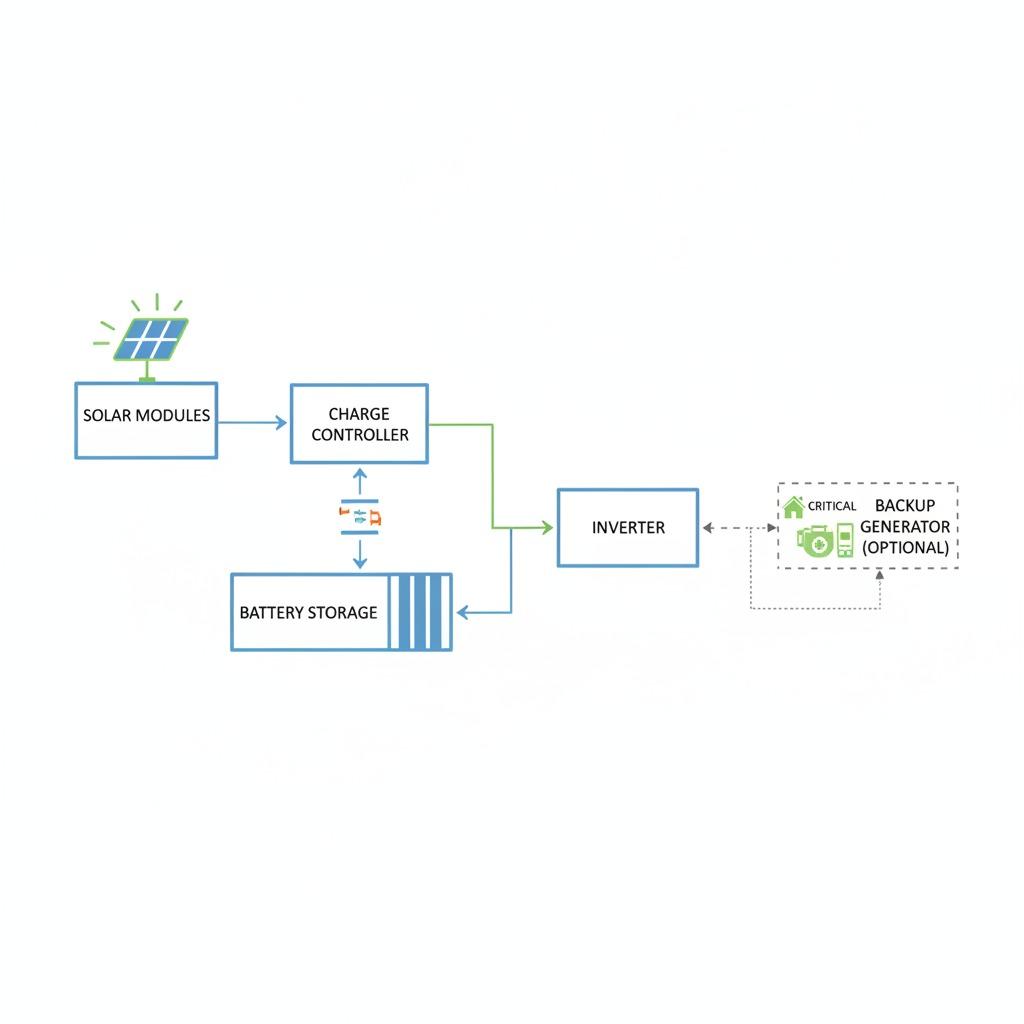
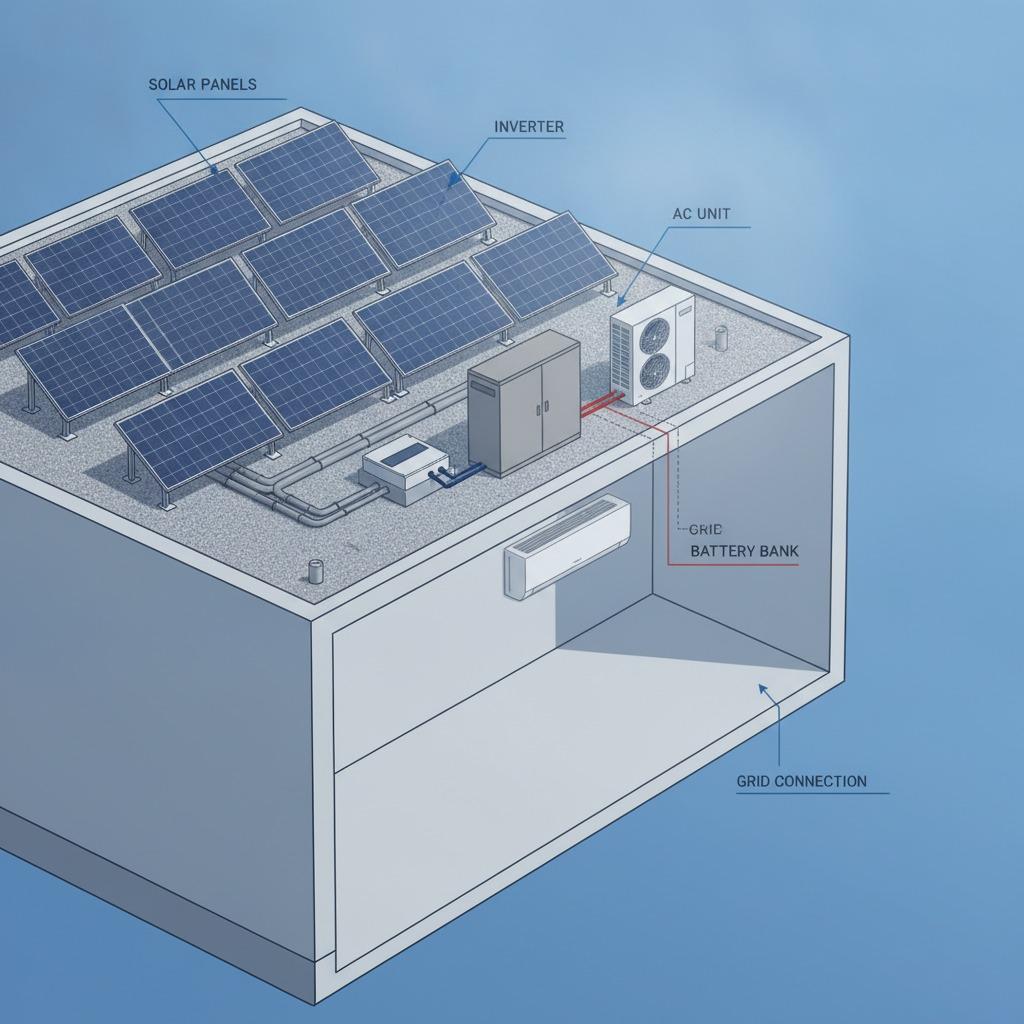
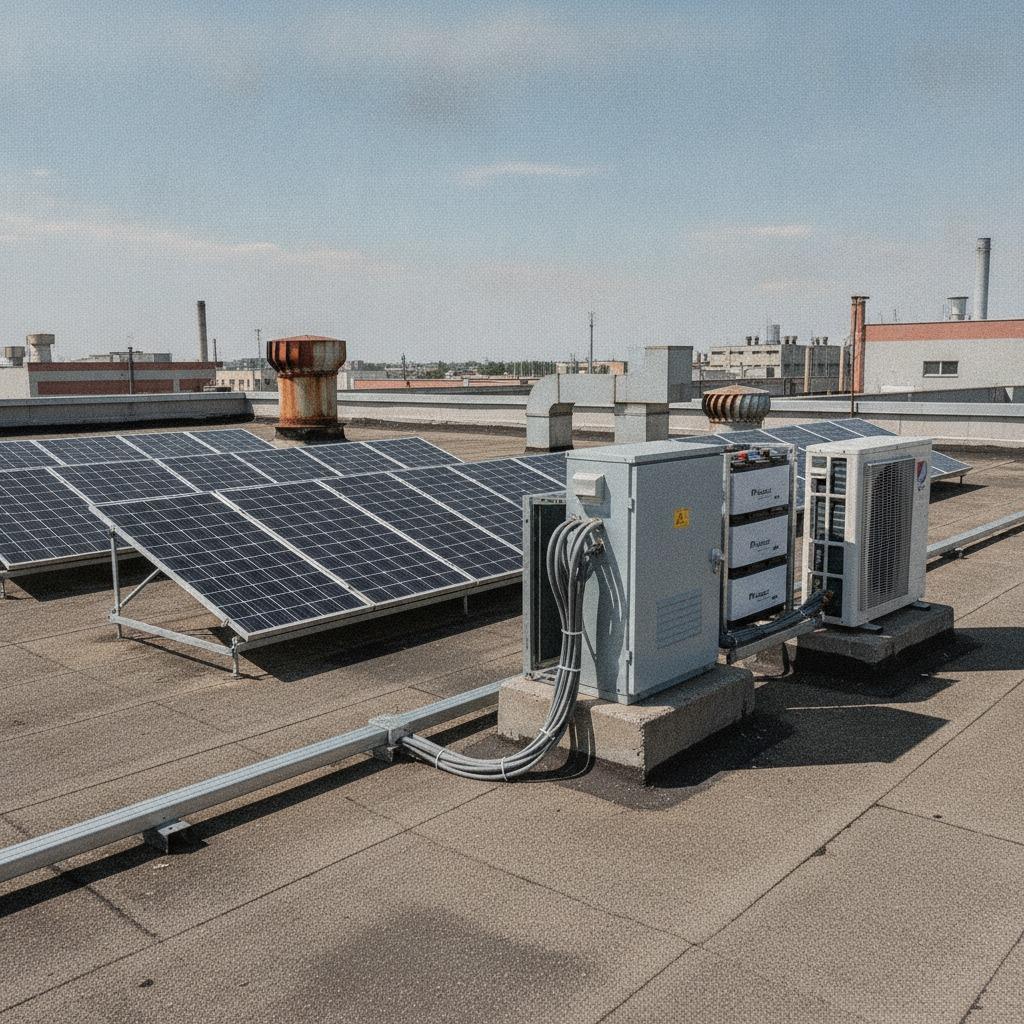
A more useful framing is this: solar cooling is a system design challenge, not a single-product purchase. The panel array, inverter, battery bank, charge controller, wiring, protection devices, and AC unit all have to behave as one architecture.
Quick reference: what you need to check before sizing a system
1. Cooling load
Start with the AC’s actual electrical demand, not just its cooling capacity in BTU or tons. Those are related, but they are not the same thing. A smaller high-efficiency unit may be easier to power than a larger older unit with mediocre performance.
2. Runtime target
Decide whether you need daytime-only support, evening operation, or overnight cooling. Running AC with solar panel power for a few peak hours is a different design problem from covering a full 24-hour cycle.
3. Battery role
Batteries are not mandatory in every solar AC project, but without storage you are tied tightly to sunlight and inverter behavior. If the load must stay on after sunset, storage becomes essential.
4. Inverter capacity
The inverter must handle both continuous demand and compressor start-up surges. This is where many first-time projects stumble.
5. Site conditions
Roof space, shading, ambient temperature, and panel orientation all influence system performance. In a hot climate, panels themselves also lose some output as temperatures rise.
How Many Solar Panels Do You Need to Run an AC?
| AC Type | Typical Power | Suggested Solar Capacity* |
|---|---|---|
| 5,000 BTU AC | 500–700W | 800–1,200W |
| 8,000 BTU AC | 700–1,000W | 1,200–1,800W |
| 12,000 BTU AC | 900–1,500W | 1,500–2,500W |
| 18,000 BTU AC | 1,200–2,000W | 2,000–3,500W |
| 24,000 BTU AC | 1,800–2,500W | 3,000–4,500W |
| Central AC | 2,000–5,000W+ | Depends on system |
What a practical solar AC setup usually includes
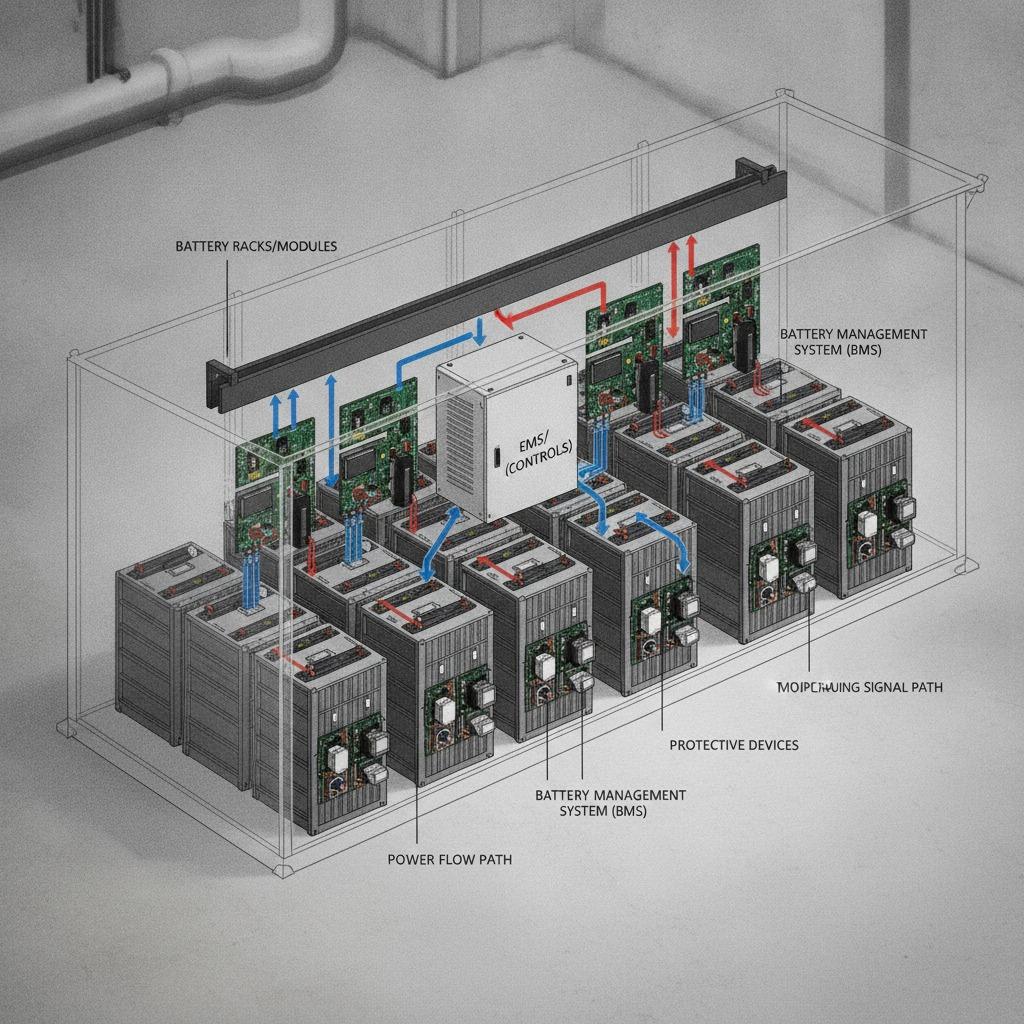
At a minimum, the architecture typically includes PV panels, a charge controller if batteries are involved, a battery bank for stored energy, an inverter sized for the AC load, and standard electrical protection. In some cases, the AC unit is a dedicated solar-ready model or a high-efficiency split system that plays more nicely with inverter-based power.
There are also hybrid configurations. These can use solar first, battery second, and grid or generator backup as a fallback. For many commercial and light-industrial buyers, that hybrid approach is the least risky because it reduces the chance that the cooling system becomes brittle during bad weather or seasonal changes.
A useful practical note: buyers often focus too much on panel wattage and not enough on the inverter and battery chemistry. Panels make energy. The inverter delivers usable AC power. The battery decides how long you can keep doing it when conditions are not perfect. Skip one of those and the system becomes lopsided.
How to decide whether solar can cover your AC load
The decision begins with a load audit. Measure or estimate the AC’s running power, startup demand, daily hours of operation, and how often it cycles. Then compare that against the solar resource at your site. A system in a sunny region with long peak hours has a very different outlook than one in a climate with frequent haze, rain, or heavy summer heat.
Next, check whether your cooling strategy itself is efficient enough. Sometimes the cheapest path is not a larger solar array; it is reducing the load. Better insulation, shading, reflective roofing, proper maintenance, and right-sized HVAC equipment often cut the required solar footprint more than buyers expect. That is not glamorous, but it is where many projects become economically realistic.
If you need to run AC with solar panel power in a mission-critical setting, it is wise to treat the system as partly electrical and partly mechanical. Dirty filters, poor refrigerant performance, and oversized equipment can all inflate demand. In other words, the solar design is only as good as the HVAC system it supports.
Common mistakes that make solar AC projects fail
One frequent mistake is sizing to average daily use instead of peak demand. Air conditioning rarely behaves politely at averages. Another is ignoring startup surge. A compressor can demand much more power at startup than during normal operation, and that spike can trip an inverter that seemed adequate on paper.
A second mistake is assuming battery capacity alone solves the problem. Batteries help with duration, but they do not create energy. If the array cannot replenish the battery during the day, the system degrades quickly.
A third mistake is making no allowance for real site conditions. Panels mounted in a partially shaded area, or installed in a way that traps heat, will not perform like the best-case calculation in a spreadsheet.
And then there is the subtle one: selecting an AC unit without considering how it behaves with inverter power. Not all equipment is equally tolerant of off-grid or hybrid operation. Compatibility matters more than many buyers first assume.
When solar AC makes strong sense
Solar-powered cooling is often a good fit where electricity costs are high, grid access is unreliable, or cooling demand is concentrated in daylight hours. Offices, telecom shelters, remote cabins, portable enclosures, agricultural buildings, and some light manufacturing spaces can all be reasonable candidates if the load is understood clearly.
It also makes sense when the business value of uptime is tied to thermal control. If heat directly affects product quality, electronics reliability, or worker comfort, solar plus storage can become less about savings and more about operational resilience.
That said, a project should not be approved just because “solar is green.” The system has to pass a straightforward engineering test: does it deliver the required cooling profile at a cost and complexity level the operation can live with?
Buyer-facing questions to ask before you commit
Before you sign off on a design, ask:
What is the AC’s true continuous electrical demand?
What is the startup surge requirement?
How many hours must the system run without grid support?
What happens on cloudy days or in extended poor-weather periods?
Is the HVAC unit efficient enough for solar operation, or should the load be reduced first?
What backup mode exists if the solar side underperforms?
Those questions may feel basic, but they separate serious projects from optimistic ones.
FAQ: common questions about running AC on solar
Can You Run an AC With Solar Panels?
Yes. A properly sized solar system can power an air conditioner, but the required solar capacity depends on the AC's electrical load, operating hours, sunlight conditions, inverter capacity and battery storage.
Can solar panels alone power an air conditioner?
Sometimes, but only under favorable sunlight and with the correct inverter and load profile. For reliable operation, storage or grid backup is often part of the design.
Do I always need batteries?
Not always. If you only need cooling during strong daylight and can tolerate interruptions, a battery-free setup may be possible. For stable or after-hours operation, batteries become much more important.
Is a larger solar array always the answer?
No. Sometimes the better answer is a smaller cooling load, a more efficient AC unit, or a hybrid system that reduces peak stress.
What causes the most trouble in solar AC systems?
Undersizing the inverter, ignoring startup surge, and failing to account for real-world solar variability are common failure points.
A sensible next step
If your goal is to run AC with solar panel power, begin with the load, not the panels. Audit the cooling demand, define the runtime target, and check the site conditions honestly. Then size the inverter, batteries, and array around that requirement rather than hoping the system will stretch later. The projects that work tend to be the ones designed with a little less romance and a little more margin.
For sourcing teams and product planners, that is the real takeaway: solar cooling is achievable, but only when the electrical design respects how air conditioning actually behaves in the field.