
Unlocking the Power of Solar Energy Systems: A Sustainable Future Awaits

Solar energy systems are revolutionizing the way we power our world, offering a clean and renewable alternative to traditional energy sources. These systems harness the sun's abundant energy to generate electricity, reducing reliance on fossil fuels and promoting environmental sustainability. As global demand for green energy rises, solar energy systems have become a cornerstone of modern infrastructure, suitable for homes, businesses, and large-scale projects alike. In this article, we'll explore the intricacies of solar energy systems, delving into their benefits, technological advancements, and practical applications to help you understand why they're essential for a brighter tomorrow.
The Compelling Solar Panel Benefits Driving Adoption
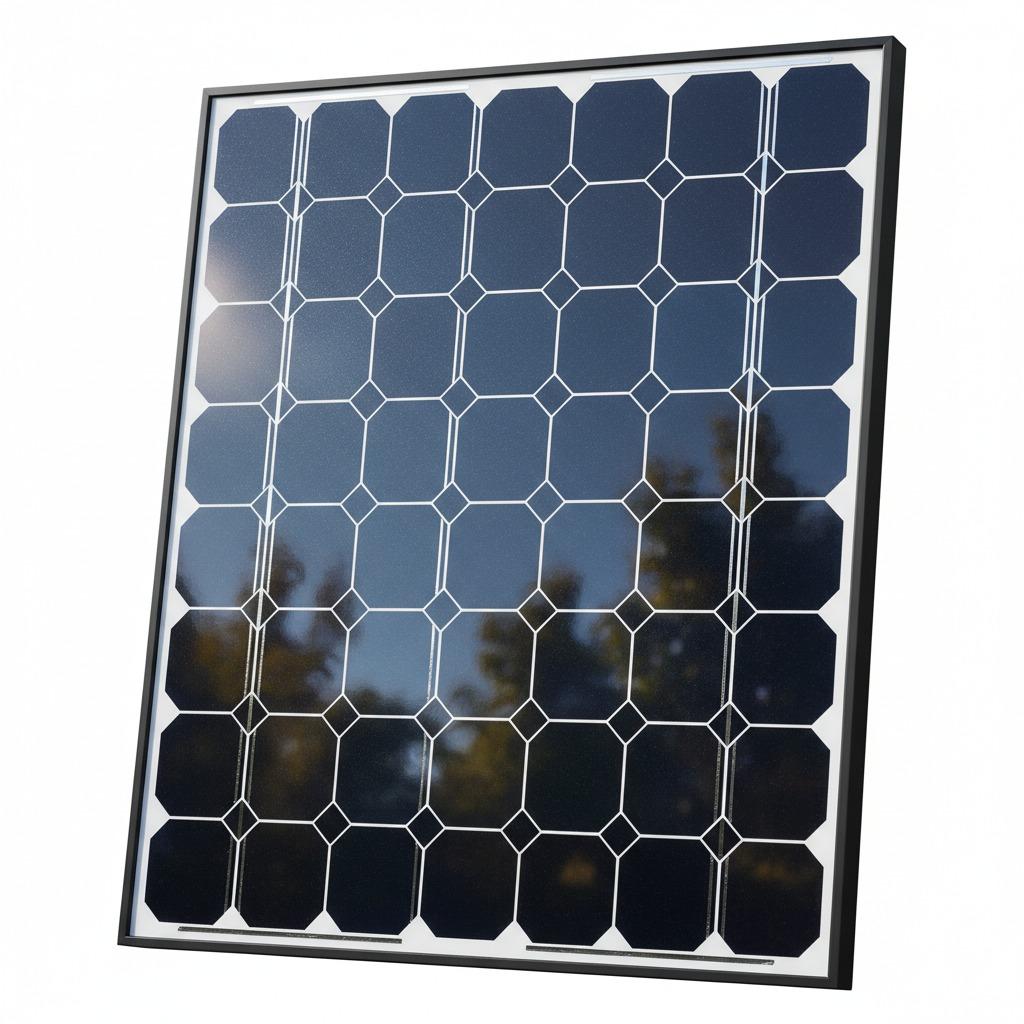
One of the most significant solar panel benefits is their ability to generate electricity without producing harmful emissions, making them a vital tool in combating climate change. High-efficiency photovoltaic modules, like the cutting-edge solar panels featuring dark monocrystalline silicon cells, convert sunlight into usable energy with remarkable precision. These panels are designed with precise grid lines and minimal spacing between cells, maximizing the surface area exposed to sunlight and optimizing energy capture even on cloudy days.
Another key advantage among solar panel benefits is their durability and low maintenance requirements. Encapsulated in tough tempered glass and framed with robust aluminum, these panels withstand harsh weather conditions, from intense heat to heavy snow, ensuring long-term reliability. For homeowners and businesses, this translates to substantial savings on energy bills over time, with many systems paying for themselves within 5 to 10 years through incentives like tax credits and net metering programs. Moreover, the sleek, modern design of these panels, with their all-black aesthetic, minimizes reflectivity and enhances energy absorption while complementing contemporary architecture.
Beyond financial perks, solar panel benefits extend to energy independence. In regions prone to power outages or rising utility costs, installing solar panels allows users to produce their own electricity, buffering against grid instability. This self-sufficiency is particularly appealing for remote locations or off-grid living, where traditional power lines may not reach. Environmentally, the widespread adoption of solar panel benefits contributes to reduced carbon footprints, supporting global efforts to achieve net-zero emissions by 2050. As technology improves, these benefits only grow, with newer models boasting efficiency rates exceeding 22%, far surpassing older generations.
Commercial Solar Solutions: Powering Businesses into the Future
For enterprises seeking scalable and cost-effective energy options, commercial solar solutions provide a strategic pathway to sustainability and profitability. These solutions are tailored for larger installations, such as office buildings, warehouses, and manufacturing facilities, where energy demands are high. Integrating advanced solar energy systems into commercial operations not only lowers operational costs but also enhances a company's reputation as an eco-conscious leader. Imagine a bustling retail center powered entirely by rooftop solar arrays, slashing monthly electricity expenses by up to 70% while demonstrating commitment to green practices.
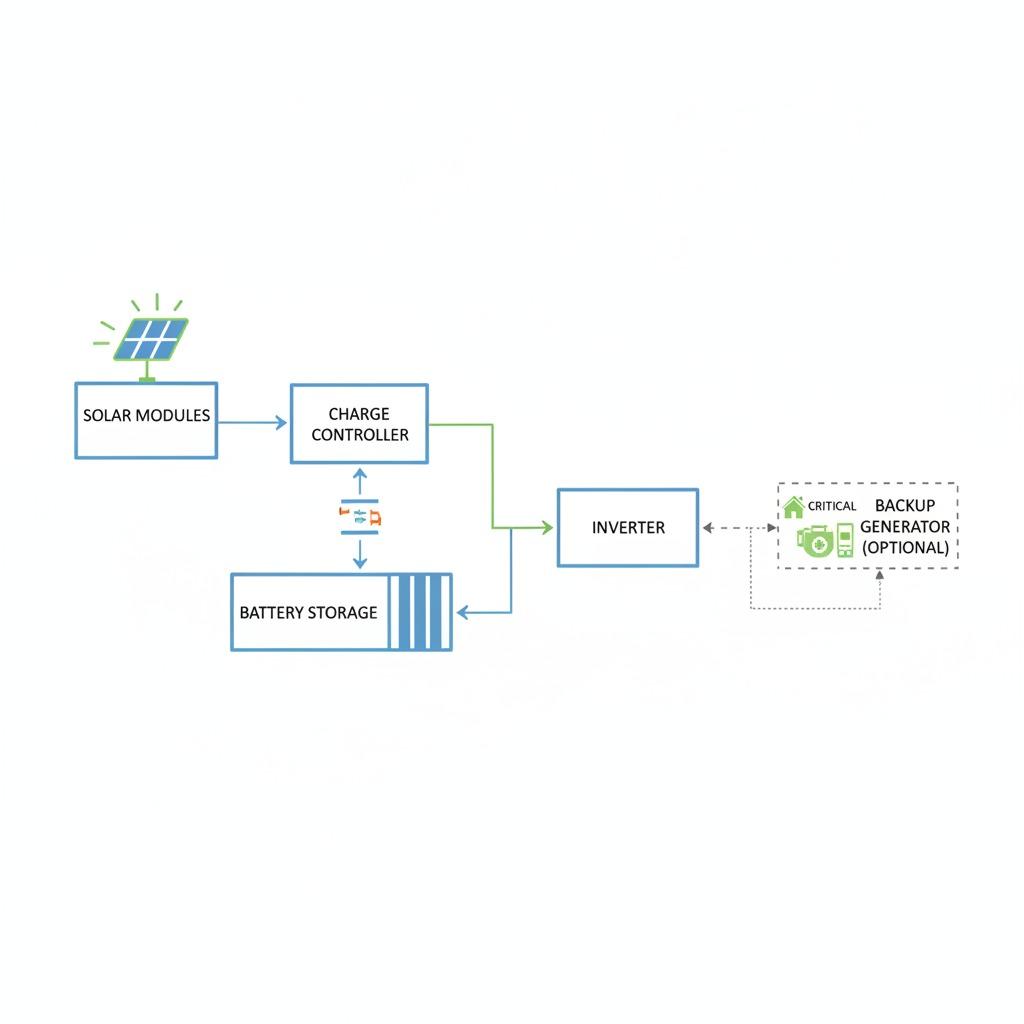
Commercial solar solutions often incorporate state-of-the-art photovoltaic solar panels that are engineered for maximum output in diverse environments. These panels, with their high-efficiency monocrystalline cells, perform optimally even in low-light conditions, ensuring consistent energy production throughout the year. Businesses can customize their setups with battery storage systems to store excess power for peak usage times, further optimizing returns on investment. Government rebates and long-term power purchase agreements make these solutions financially viable, with payback periods as short as three years for well-planned projects.
The versatility of commercial solar solutions extends to various industries, from agriculture to hospitality. For instance, solar-powered irrigation systems in farming reduce water and energy costs, while hotels can offset air conditioning demands with on-site generation. By adopting these solutions, companies not only mitigate risks associated with volatile energy prices but also attract environmentally aware customers and talent. As regulatory pressures mount for carbon reductions, investing in commercial solar solutions positions businesses ahead of the curve, fostering innovation and resilience in an ever-changing energy landscape.
Advancements in Solar Power Technology: Innovation at Its Core
Solar power technology has evolved rapidly, transforming solar energy systems from niche applications into mainstream powerhouses. At the heart of this progress are innovations like perovskite-silicon tandem cells, which promise efficiencies over 30%, and bifacial panels that capture sunlight from both sides for doubled output. These technological leaps make solar more accessible and effective, particularly in urban settings where space is limited. The integration of AI-driven inverters and smart monitoring apps allows users to track performance in real-time, predicting maintenance needs and maximizing yields.
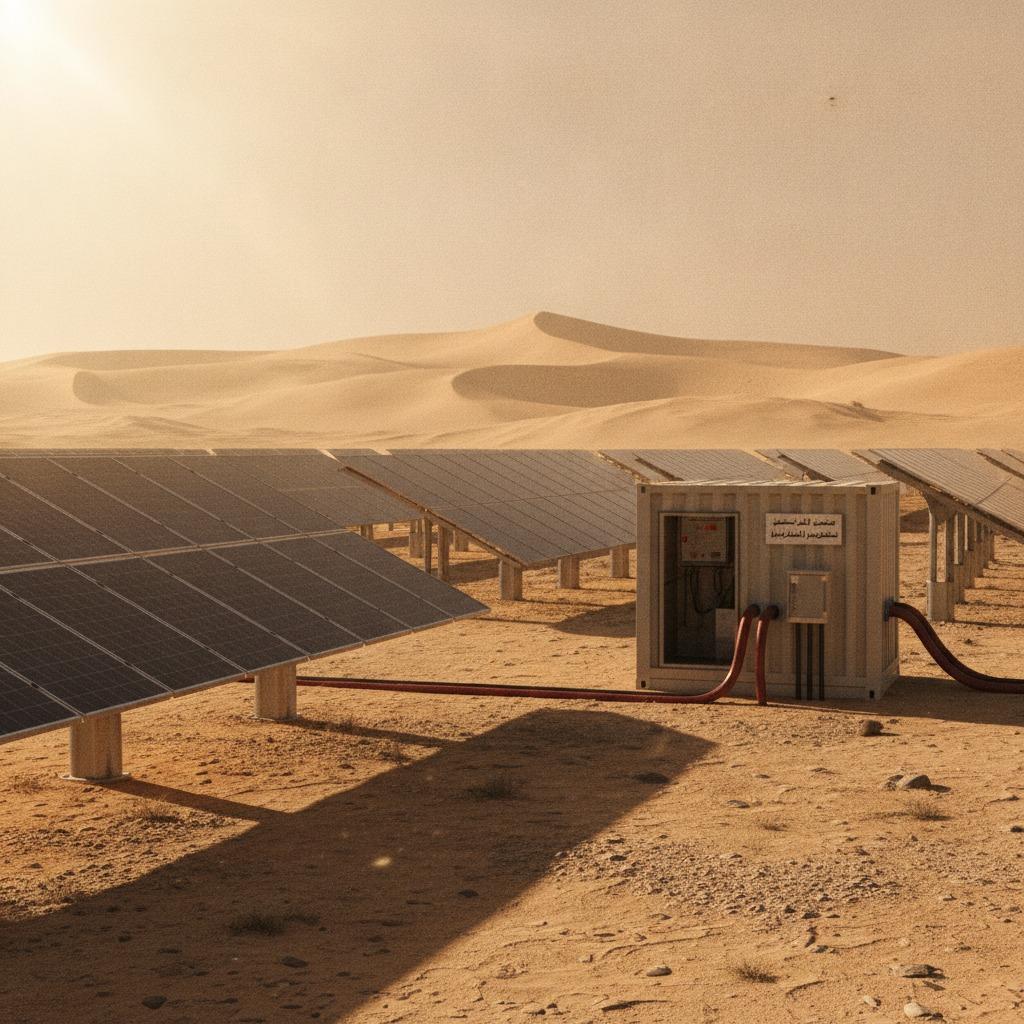
A standout example in solar power technology is the development of flexible and lightweight panels, ideal for curved roofs or portable applications. These advancements build on the foundation of reliable monocrystalline designs, which use pure silicon crystals to achieve superior electron flow and energy conversion. Durability remains a focus, with anti-soiling coatings that repel dust and bird droppings, maintaining peak efficiency without frequent cleaning. For large-scale solar farms, tracking systems that follow the sun's path can boost production by 25%, underscoring how solar power technology is scaling to meet global energy needs.
Looking ahead, solar power technology is poised for even greater breakthroughs, including integration with electric vehicle charging stations and hydrogen production for energy storage. Researchers are exploring quantum dot enhancements to broaden the light spectrum captured, potentially revolutionizing low-light performance. These innovations ensure that solar energy systems remain competitive against other renewables, driving down costs to levels below coal and natural gas in many regions. As we embrace these technologies, the path to a fully renewable grid becomes clearer, empowering individuals and organizations to contribute meaningfully to a sustainable planet.
Implementing Solar Energy Systems: A Step-by-Step Guide
Getting started with solar energy systems involves careful planning to match your needs and budget. Begin by assessing your site's solar potential using tools like online irradiance maps, which reveal average sunlight hours in your area. For residential setups, a typical 5kW system with high-efficiency panels can power an average home, generating about 7,000 kWh annually depending on location. Professional site surveys ensure optimal panel placement, avoiding shading from trees or buildings to maximize output.
Financing options abound for solar energy systems, from outright purchases to solar loans and leases that minimize upfront costs. Pairing panels with energy management software optimizes usage, directing power to high-demand appliances during peak production. For commercial ventures, feasibility studies weigh factors like roof load capacity and local incentives, often revealing rapid ROI through reduced grid dependence. Maintenance is straightforward, involving annual inspections to clean panels and check connections, ensuring decades of reliable service.
The environmental impact of deploying solar energy systems cannot be overstated. Each kilowatt installed offsets approximately 1.5 tons of CO2 emissions yearly, equivalent to planting 50 trees. Communities adopting these systems foster energy equity, providing clean power to underserved areas and spurring local job creation in installation and manufacturing. As we transition to solar, challenges like supply chain sustainability are being addressed through ethical sourcing of materials like silicon and silver.
In conclusion, solar energy systems, bolstered by undeniable solar panel benefits, robust commercial solar solutions, and cutting-edge solar power technology, represent an indispensable investment in our collective future. By choosing these innovative solutions, we not only secure economic advantages but also safeguard the planet for generations to come. Whether for a single home or an expansive enterprise, the sun's power is ready to illuminate your path to sustainability.