
What solar panel power degradation means for buyers and system owners
Solar panel power degradation is the slow loss of electrical output that happens as photovoltaic modules age, weather, and cycle through heat and sunlight. For engineers, sourcing managers, and product teams, the issue is not whether modules degrade at all; it is how fast they do it, what drives the drop, and how that changes the economics of a project over 20 to 30 years.
This matters because a module that looks identical on day one can behave very differently after years on a roof, tracker, or ground mount. A small annual decline can add up to a meaningful gap in lifetime energy yield, which affects payback, warranty comparisons, and replacement planning. In procurement, this is one of those issues that seems abstract until the numbers are mapped to actual kilowatt-hours and revenue.
The short version: what usually drives output loss
There is no single mechanism behind performance decline. In practice, solar panel power degradation is the result of several stressors acting together. Some are expected and gradual; others are accelerated by design choices, installation quality, or the local environment.
Common causes of degradation
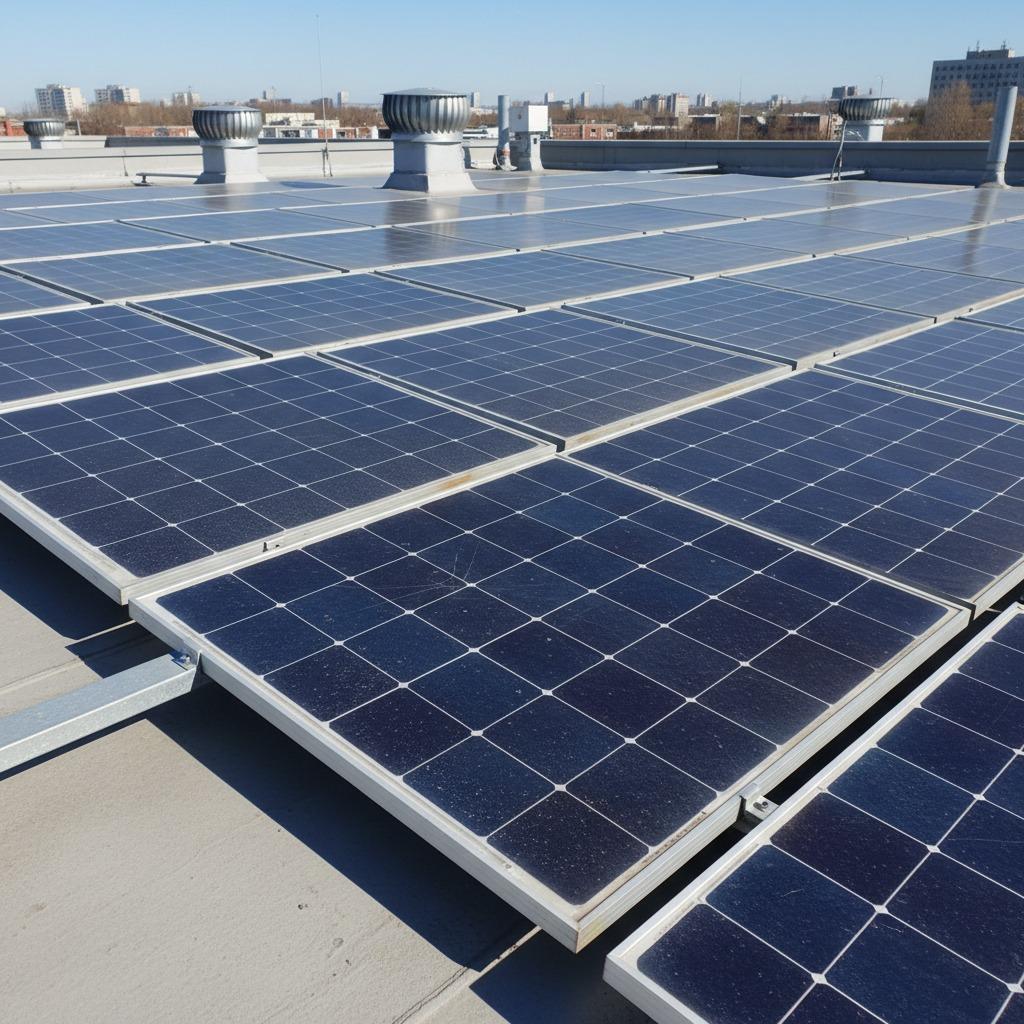
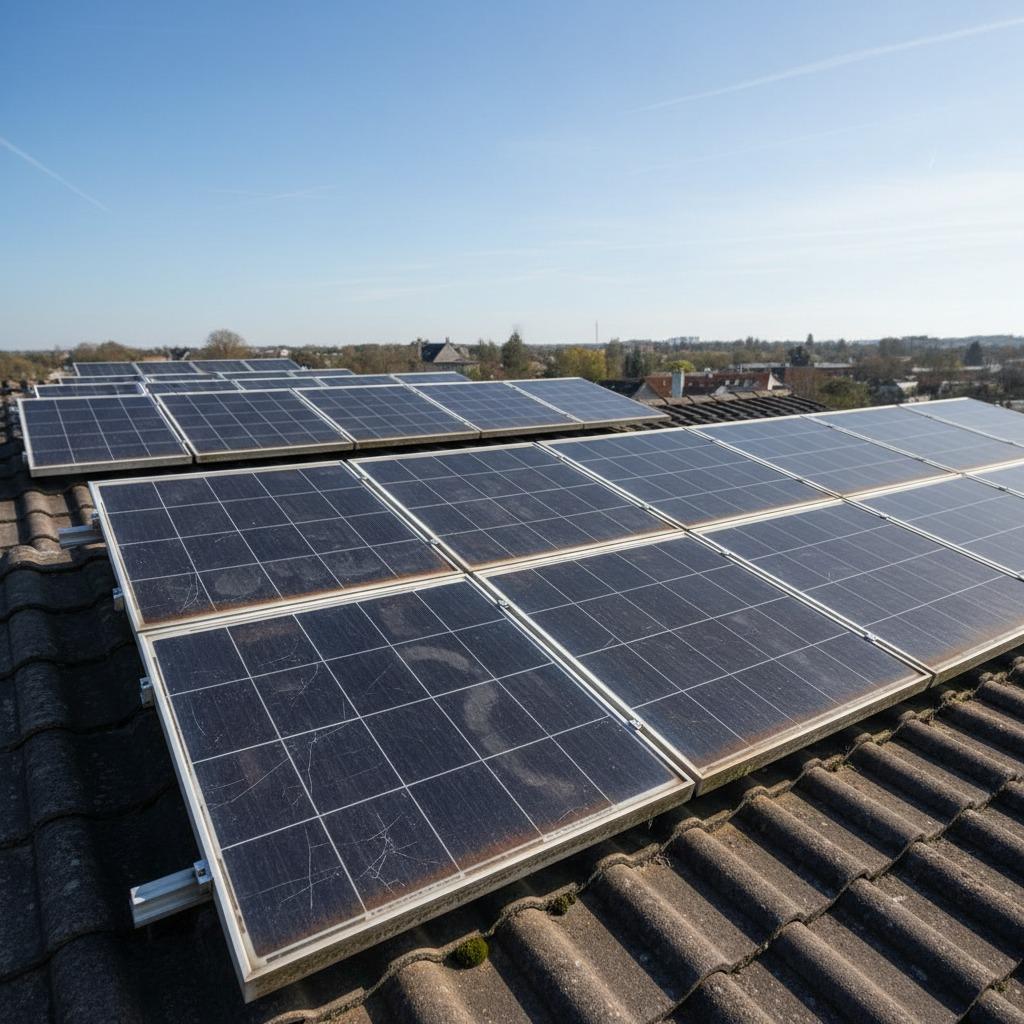
Light-induced degradation can appear early in a module’s life, especially after first exposure to sunlight. Thermal cycling puts repeated expansion and contraction stress on cells, solder joints, and interconnects. Humidity and moisture ingress can attack encapsulants, backsheets, and junction boxes. UV exposure slowly changes polymer materials. In harsher sites, mechanical loading from wind, snow, or handling damage can create cracks that do not show up immediately.
There is also potential-induced degradation, which is tied to system voltage and grounding conditions. It is not a universal problem, but it is serious enough that buyers should ask how the module design and system architecture reduce risk. Haze from soiling or surface damage is often discussed separately from degradation, yet it can compound the picture by lowering usable output and making field performance harder to interpret.
How to think about degradation rates without oversimplifying them
One of the most common mistakes in solar procurement is treating degradation as a neat, fixed number with no context. Real-world behavior depends on cell technology, module construction, installation environment, and maintenance practices. A conservative annual degradation rate is useful for financial modeling, but it should never be the only lens.
For example, a utility-scale array in a hot, humid region faces different aging mechanisms than a rooftop system in a dry inland climate. A module that performs well in one site may still be a poor fit elsewhere if its materials are not robust under local conditions. In other words, the right question is not simply “how much does it degrade?” but “under what conditions does it hold up best?”
Why the buyer should care before signing a purchase order
From a sourcing perspective, degradation affects more than lifetime energy. It changes the margin between projected and actual performance, the likelihood of warranty claims, and the credibility of vendor promises. If a supplier advertises high nameplate efficiency but gives little information about long-term performance, the initial price can be misleading.
There is a practical caution here: not every degradation claim is made on the same basis. Some figures describe first-year loss, while others refer to steady-state annual decline after the initial drop. Those are not interchangeable. A buyer comparing vendors should separate early-life effects from long-run performance, or the comparison will be distorted.
Module construction details that influence aging
Several physical design choices affect how well a panel resists power loss over time. These are the kinds of details that often matter more than marketing language.
Cell type and interconnection
Different cell architectures can respond differently to stress. The way cells are cut, connected, and laminated affects mechanical resilience and electrical stability. Better interconnect design may reduce microcrack propagation and limit power loss from repeated thermal stress. This is especially relevant in modules exposed to vibration, wind loading, or transport handling over long supply chains.
Encapsulant and backsheet performance
Encapsulants and backsheets are not just packaging. They are part of the module’s long-term defense against moisture, UV, and temperature swings. When these materials age poorly, the rest of the module is more vulnerable. Buyers often focus on the glass and cell technology, but the polymer layers can quietly define field durability.
Junction box and connector integrity
Electrical connections are another weak point if the design or assembly is inconsistent. Heat buildup, poor sealing, or connector mismatch can introduce resistance losses and localized damage. In a plant audit, it is worth asking how connection quality is controlled during production and verified in incoming inspections.
Environmental conditions that make degradation worse
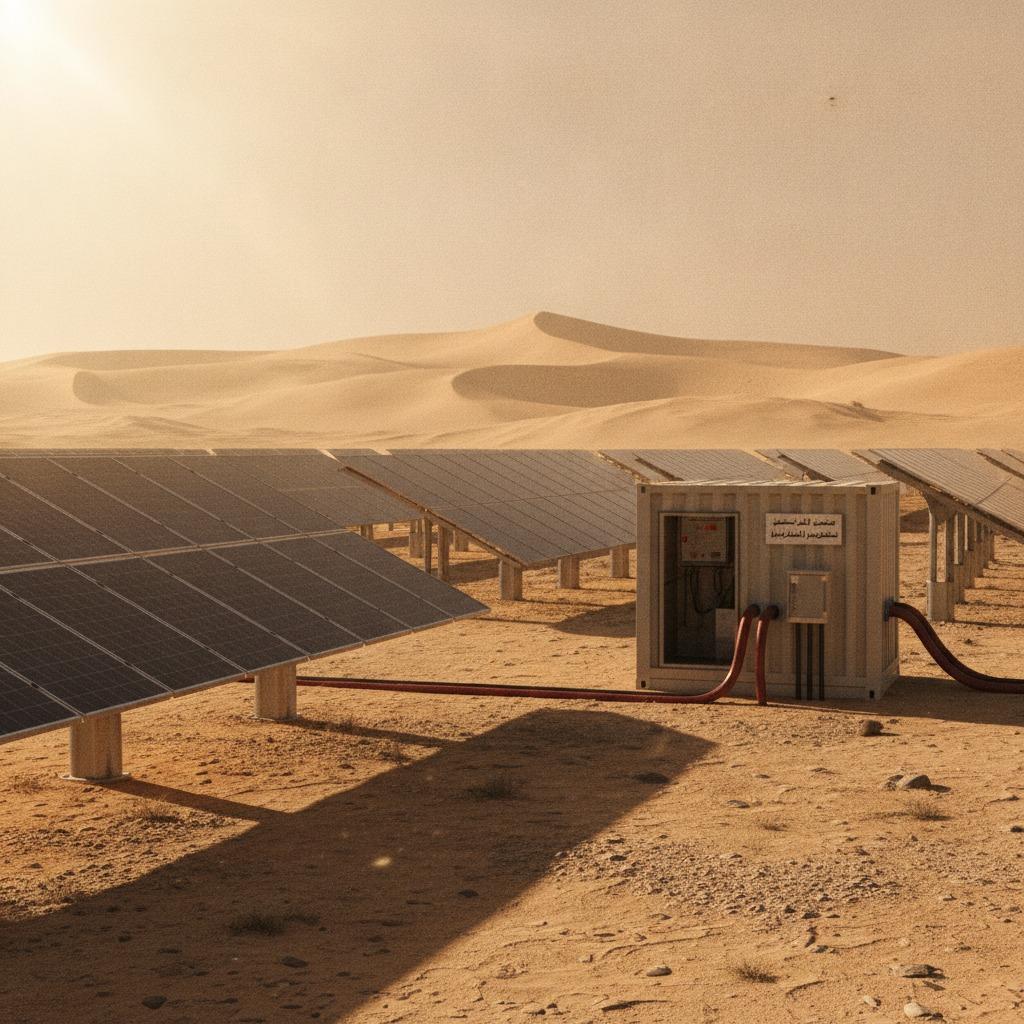
Not every site is equally forgiving. High heat can accelerate material aging and reduce operating efficiency at the same time. Humid climates raise the risk of moisture-related damage. Coastal installations add salt exposure. Desert sites face intense UV and dust. Cold regions bring freeze-thaw stress and snow loading. The point is not that one climate is “good” and another “bad,” but that each one stresses a different part of the module.
That is why a module family with a respectable lab profile may still underperform in the field if it is deployed outside its comfort zone. The installer and the buyer both need to match product design to site conditions, not just wattage and price.
What to ask suppliers when degradation is part of the decision
Engineers and sourcing teams do not need a marketing brochure; they need evidence that a product is suitable for a real operating environment. When evaluating bids, it helps to ask pointed questions.
How is long-term power retention characterized? Is the quoted figure based on accelerated testing, field data, or a warranty curve? What assumptions were made about temperature, humidity, and load cycling? Does the supplier distinguish first-year loss from later-life degradation? Are there documented design features that protect against moisture ingress, cracking, or connection failures?
These questions are worth asking because they reveal whether the supplier understands the difference between laboratory performance and field reliability. A polished brochure can say very little about how a module behaves after years of weathering.
Warranty language: useful, but not the whole story
Warranty terms are often used as a proxy for degradation expectations, but they should be read carefully. A warranty can indicate the manufacturer’s confidence, yet it is still a legal and commercial document, not a complete technical profile. It may define acceptable output retention while leaving many failure modes outside the main headline numbers.
For buyers, the lesson is simple: compare warranty curves, but also look at product construction, test history if available, and the vendor’s track record in your application type. A strong warranty is helpful. It is not a substitute for a module that is well built for the site.
Common mistakes in evaluating solar panel power degradation
One frequent error is assuming all degradation is linear. Another is comparing modules only by initial efficiency and ignoring lifetime yield. A third is focusing on a single laboratory metric while overlooking installation quality. Misaligned clamps, damaged connectors, or poor ventilation can create losses that have nothing to do with the cell technology itself.
It is also easy to underestimate the effect of handling. Panels can be damaged before they are even energized. Microcracks, hidden frame stress, and seal damage may not show up in a quick visual inspection, but they can influence output over time. That is one reason incoming QC matters as much as purchase spec sheets.
Practical buyer advice for sourcing teams and project engineers
If you are building a shortlist, start with the site conditions and the expected service life. Then test vendor claims against those conditions. A module designed for a dry inland plant may not be the best choice for a humid coastal roof, even if the datasheet looks attractive.
Next, look for consistency between the datasheet, warranty language, and technical documentation. When those three do not align, treat that as a warning sign. Finally, include degradation assumptions in your energy model from the start. Waiting until commissioning to think about output loss is usually too late, because the project economics have already been framed.
FAQ: a few questions buyers usually ask
Is some degradation normal?
Yes. Solar modules are expected to lose some output over time. The real issue is whether the decline stays within the range used in project planning and warranty expectations.
Can degradation be eliminated?
No, not entirely. The goal is to manage it through better materials, better design, careful installation, and realistic site selection.
Should procurement teams prioritize the lowest upfront cost?
Not by default. A lower purchase price can be outweighed by weaker lifetime output if solar panel power degradation is faster than expected.
What a good purchasing decision looks like
The best buying decisions come from treating degradation as a design and commercial issue at the same time. The technical side tells you how the module ages; the commercial side tells you what that aging does to project value. When both are considered together, comparisons become sharper and less vulnerable to marketing claims.
For teams sourcing modules or building solar products, the next step is straightforward: define the operating environment, request documentation that addresses long-term performance, and compare offers on lifetime yield rather than first-year appearance alone. That approach is slower than chasing the cheapest watt, but it is usually the one that survives contact with the field.