

Unlocking the Power of Home Solar Power Systems: A Guide to Sustainable Living
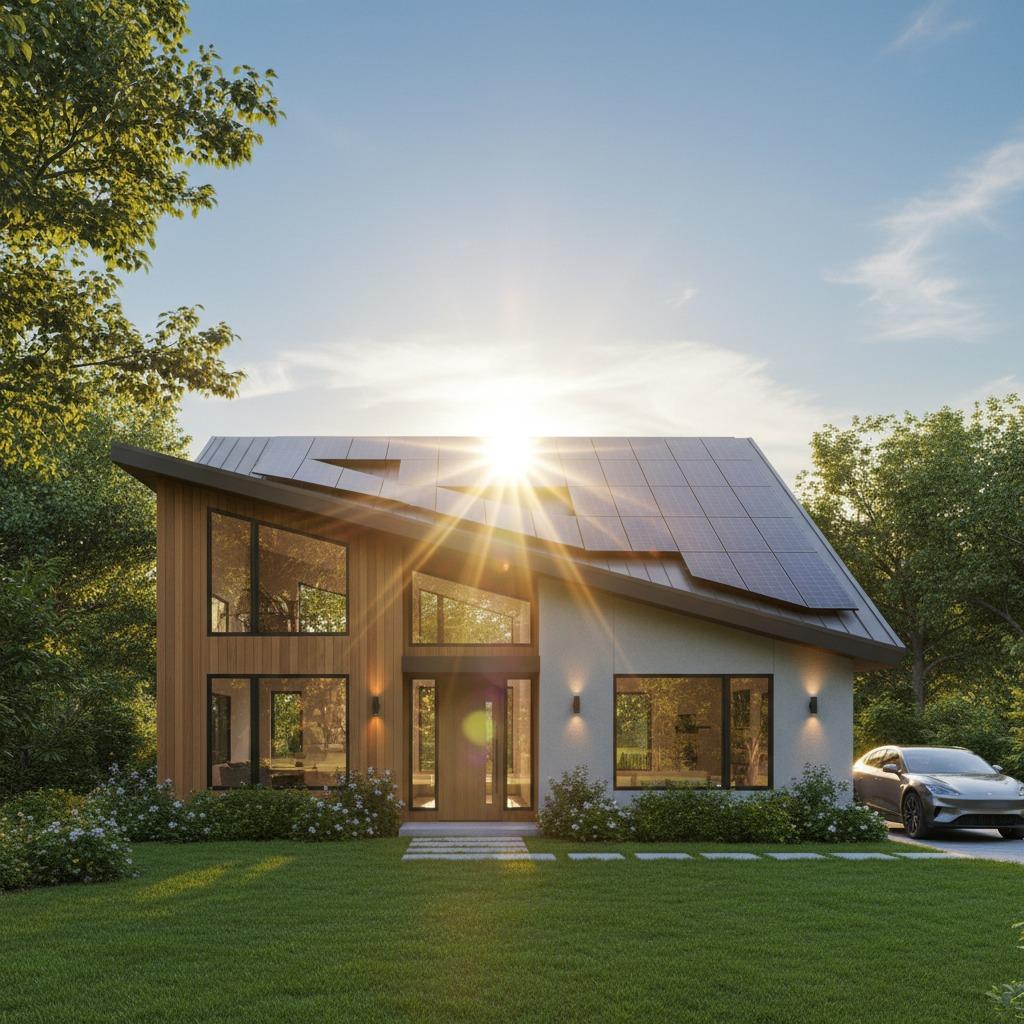
In today's world, embracing a home solar power system is becoming a smart choice for homeowners seeking energy independence and sustainability. This innovative setup harnesses the sun's abundant energy to generate electricity for your residence, reducing reliance on traditional power grids and lowering utility bills. As environmental concerns grow, integrating a home solar power system not only cuts costs but also contributes to a cleaner planet by minimizing carbon footprints.
Understanding Solar Energy for Homes
Solar energy for homes represents a pivotal shift towards renewable resources, allowing families to power their daily lives with clean, limitless sunlight. Unlike fossil fuel-based electricity, solar energy for homes produces no harmful emissions during operation, making it an eco-friendly alternative that aligns with global efforts to combat climate change. Installing solar energy for homes involves panels that capture photons and convert them into usable electricity through photovoltaic processes. This technology has advanced significantly, with modern systems offering higher efficiency rates even in varying weather conditions. Homeowners benefit from immediate savings on energy bills, and in many regions, incentives like tax credits make the initial investment more accessible. Moreover, solar energy for homes enhances property value, as buyers increasingly prioritize sustainable features. By choosing solar energy for homes, you're investing in long-term reliability and resilience against rising energy prices.
Exploring Residential Solar Panels: Design and Efficiency
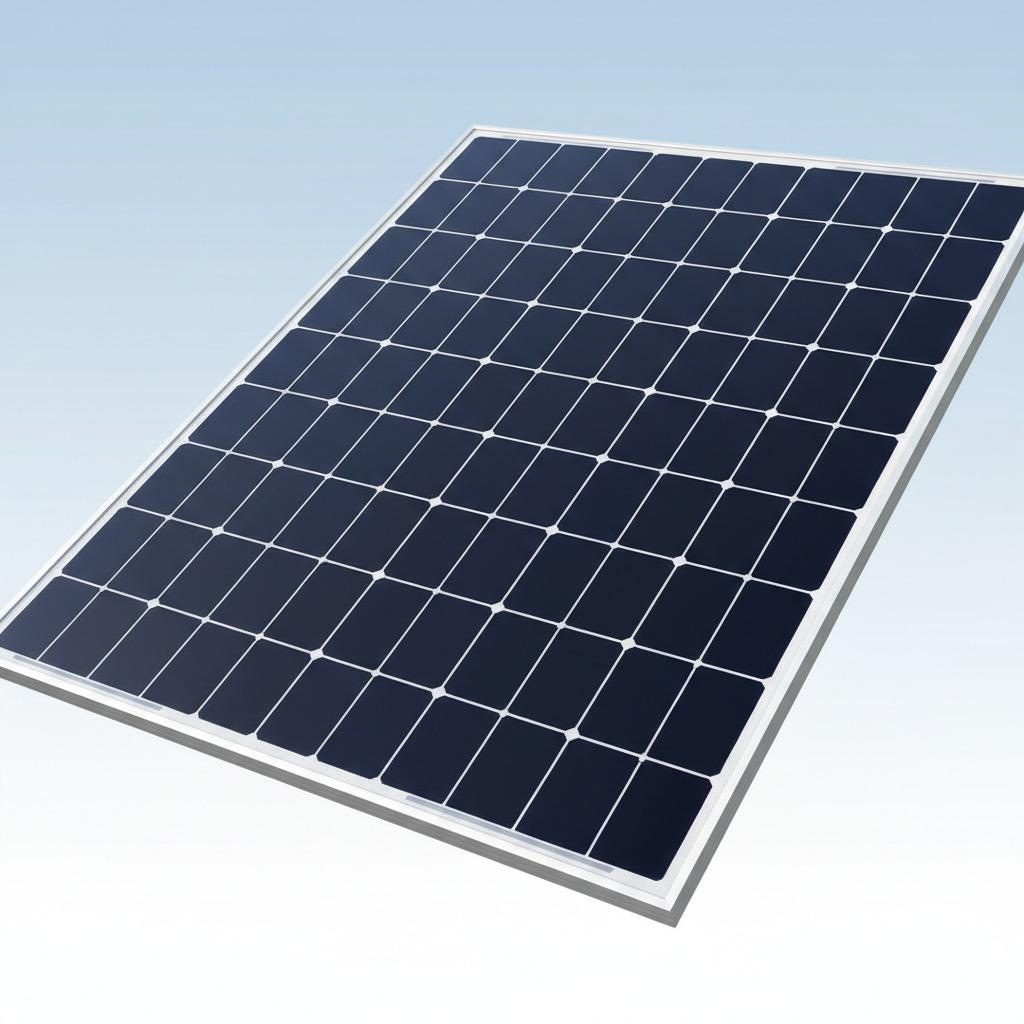
Residential solar panels are the cornerstone of any home solar power system, engineered to seamlessly integrate into rooftops or facades while delivering optimal performance. Our next-generation monocrystalline solar panels stand out with their ultra-precise cell geometry, forming a refined grid that maximizes active area for superior conversion efficiency. These residential solar panels feature high-transparency, low-iron tempered glass with an anti-reflective texture, capturing a broader spectrum of sunlight to generate more power during low-light periods like hazy afternoons or cooler days. The slim, matte-finished frame ensures a minimalist aesthetic, blending effortlessly with contemporary architecture from sleek metal roofs to modern terraces. Built for durability, residential solar panels resist moisture, UV exposure, and thermal cycling, promising a lifespan that withstands harsh weather. Their compatibility with microinverters and flexible mounting systems allows for innovative layouts, including vertical installations that turn your home into a visually striking example of sustainable design. With high-efficiency monocrystalline cells, these residential solar panels are ideal for space-constrained roofs, providing premium output without sacrificing style or functionality.
Clean Energy Solutions: Benefits and Implementation
Clean energy solutions like home solar power systems are transforming how we live, offering practical ways to achieve sustainability without disrupting daily routines. These solutions encompass not just panels but entire ecosystems including batteries for energy storage and smart monitoring apps to track usage. A key advantage of clean energy solutions is their ability to reduce electricity costs over time; for instance, a well-designed home solar power system can offset up to 100% of a household's energy needs in sunny climates. Environmentally, clean energy solutions mitigate greenhouse gas emissions, supporting broader goals of energy conservation and resource preservation. Implementation starts with a site assessment to determine the best placement for residential solar panels, ensuring maximum sun exposure. Professional installation ensures safety and compliance with local regulations, while ongoing maintenance is minimal due to the robust engineering of components like our monocrystalline panels. Homeowners adopting clean energy solutions often report quicker return on investment through net metering programs, where excess power generated is sold back to the grid. Beyond finances, clean energy solutions foster energy independence, protecting against outages and fluctuating utility rates. Integrating clean energy solutions also aligns with smart home technologies, allowing automated adjustments for peak efficiency.
Why Choose Our Monocrystalline Solar Panels for Your Home
When selecting components for your home solar power system, our high-efficiency monocrystalline solar panels offer unmatched quality and aesthetics. Designed for those who value clean energy without visual compromise, each panel's deep midnight-blue modules and crisp white bus lines create an architectural element that enhances your home's modern appeal. The low-iron glass not only boosts energy capture but also reflects natural surroundings, making residential solar panels a subtle yet powerful addition to any structure. Engineered for premium output in compact spaces, these panels excel in residential applications, delivering superior performance in low-light conditions and resisting environmental stressors for long-term stability. As part of clean energy solutions, they pair seamlessly with advanced mounting and inversion systems, enabling customizable setups that fit diverse architectural needs. Choosing our panels means embracing a future where sustainability meets sophistication, turning your home into a beacon of intelligent design. With easy installation and enhanced durability, they promise reduced electricity costs and a greener footprint, making the transition to solar energy for homes effortless and rewarding.
Overcoming Common Challenges in Adopting Solar Energy
While the benefits of a home solar power system are clear, addressing potential challenges ensures a smooth adoption process. Initial costs can be a barrier, but financing options, rebates, and the long-term savings from solar energy for homes often offset this quickly. Space limitations are mitigated by efficient residential solar panels that generate more power per square foot, ideal for urban dwellings. Weather variability is no longer a concern with advanced clean energy solutions that perform reliably across seasons. Education on maintenance dispels myths; our monocrystalline panels require little upkeep, with warranties covering decades of performance. Regulatory hurdles vary by location, but certified installers navigate permits efficiently. By partnering with experienced providers, homeowners can tailor their home solar power system to specific needs, maximizing returns. Ultimately, the proactive approach to these challenges unlocks the full potential of solar energy for homes, paving the way for widespread adoption of clean energy solutions.
The Future of Home Solar Power Systems
Looking ahead, home solar power systems are poised for even greater innovation, with ongoing advancements in efficiency and integration. Emerging technologies in residential solar panels will further reduce costs and enhance output, making solar energy for homes accessible to more families. As clean energy solutions evolve, expect smarter grids, better storage, and AI-driven optimizations to refine performance. Governments and communities are increasingly supporting these shifts through policies that incentivize renewable adoption. For homeowners, this means not just savings but participation in a global movement towards sustainability. Our commitment to cutting-edge monocrystalline designs ensures you're equipped for this future, blending form, function, and environmental responsibility. Embracing a home solar power system today positions you at the forefront of this exciting era, where clean, reliable energy powers a brighter tomorrow.






