
For distributors and EPC contractors operating in competitive solar markets, supply stability, pricing transparency, and delivery reliability are not optional advantages—they are fundamental requirements that directly determine project success, profitability, and long-term market competitiveness. Delays in material supply, inconsistent product quality, or unpredictable pricing can quickly disrupt project timelines, increase costs, and damage client trust. Choosing a factory-based wholesale solar supplier enables partners to reduce these risks while gaining stronger control over procurement planning and operational execution.
Unlike trading companies or non-manufacturing intermediaries, factory-based suppliers provide direct access to production resources, engineering teams, and supply chain management. This direct connection allows distributors and EPC contractors to maintain consistent product quality across multiple projects, manage costs more effectively, and build a stable, long-term supply framework that supports sustainable business growth.
Bulk Order Capacity for Large Projects
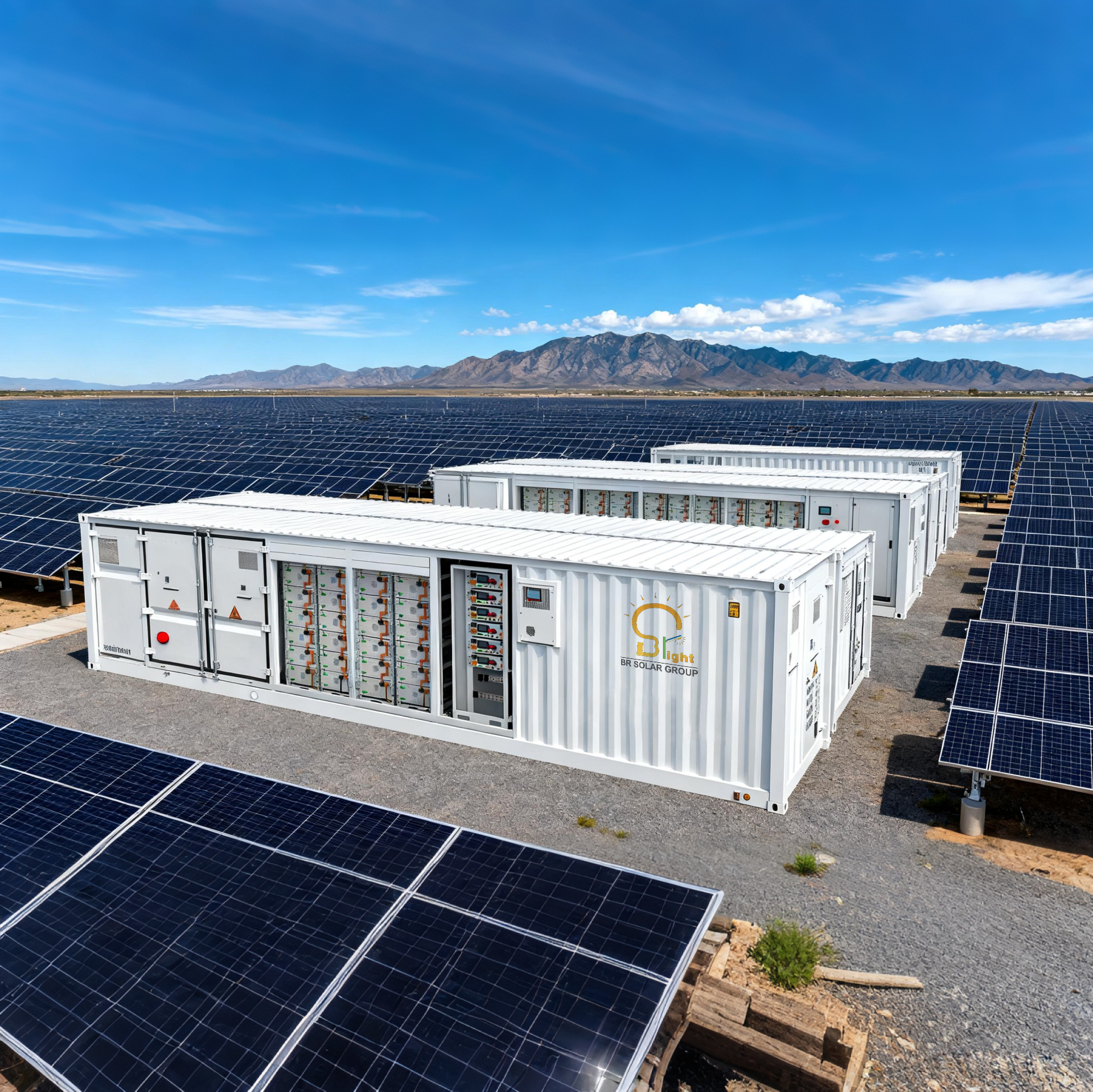
Large-scale infrastructure projects, municipal lighting installations, and utility-scale solar systems require suppliers with proven bulk order handling capability. Ruifeng New Energy specializes in supporting high-volume and project-based orders for applications such as street lighting, industrial power systems, public infrastructure, and grid-connected or off-grid solar solutions.
With standardized production lines, skilled manufacturing teams, and structured production planning systems, the factory is capable of maintaining continuous bulk output without sacrificing product quality or delivery timelines. Manufacturing capacity is designed to scale efficiently, allowing smooth transitions from initial project orders to long-term supply agreements or multi-phase deployments.
Even during peak seasons or periods of increased market demand, factory-controlled scheduling plays a critical role in ensuring production stability. By managing production internally rather than relying on external subcontractors, Ruifeng New Energy can prioritize confirmed orders, adjust production plans proactively, and maintain reliable lead times. This level of control allows EPC contractors and distributors to execute projects with confidence, knowing that materials will arrive as scheduled and in the required quantities.
Unified Specifications Across Shipments
For government tenders, public infrastructure projects, and large EPC contracts, product consistency across shipments is essential. Variations in specifications, appearance, or performance between batches can lead to installation complications, system incompatibility, and increased maintenance costs over the project lifecycle.
Factory-based wholesale supply ensures that all products are manufactured under the same technical standards, quality control procedures, and material specifications. Each shipment adheres to unified design parameters, ensuring consistent electrical performance, mechanical structure, and visual appearance across all delivered units.
This consistency significantly simplifies installation processes, as contractors can follow standardized installation methods without the need for adjustments or additional technical verification. It also improves long-term system reliability, as uniform components reduce the likelihood of mismatched performance or uneven degradation. For EPC contractors, this translates into smoother project execution, reduced on-site issues, and better compliance with technical and regulatory requirements.
Cost Optimization for Distributors
Cost control is a key concern for distributors operating in competitive local markets. By sourcing products directly from a factory-based wholesale supplier, distributors benefit from transparent, factory-direct pricing structures that eliminate unnecessary intermediaries and additional markups.
This direct sourcing model provides distributors with greater flexibility in pricing strategy, allowing them to remain competitive while protecting profit margins. Stable factory pricing also supports more accurate project budgeting and long-term procurement planning, reducing exposure to sudden price fluctuations.
Long-term cooperation with a wholesale manufacturer further enhances cost optimization. Through stable material sourcing, improved production efficiency, and predictable pricing frameworks, factory partners can offer more consistent cost structures over time. This stability allows distributors to build long-term customer relationships, offer reliable quotations, and expand market presence with confidence.
Professional Export & Logistics Support
For overseas distributors and EPC contractors, efficient export handling and logistics coordination are critical components of supply reliability. Experienced solar manufacturers understand the complexities of international shipping, including packaging requirements, export documentation, customs procedures, and compliance with destination country regulations.
Ruifeng New Energy provides comprehensive export and logistics support to ensure smooth and secure delivery of products worldwide. Products are packaged according to international transportation standards to minimize damage during transit. Export documentation, including commercial invoices, packing lists, and certificates, is prepared accurately to reduce customs clearance delays.
Logistics coordination is managed proactively to optimize shipping routes, reduce transportation risks, and maintain delivery schedules. By handling these processes internally or through trusted logistics partners, the factory enables distributors and EPC contractors to focus on project execution, installation, and market development rather than administrative complexity.
A Strategic Advantage for Long-Term Cooperation
Choosing a factory-based wholesale solar supplier is not only a procurement decision but also a strategic partnership choice. With reliable bulk supply, unified specifications, optimized costs, and professional logistics support, distributors and EPC contractors gain a strong operational foundation for long-term growth.
By working directly with Ruifeng New Energy, partners benefit from manufacturing stability, transparent communication, and a shared commitment to quality and reliability. This cooperation model supports efficient project delivery, reduces operational risks, and strengthens competitiveness in global solar markets where consistency and trust are essential.
In an industry driven by scale, reliability, and long-term performance, a factory-based wholesale partner provides the structural advantage needed to succeed across multiple projects and markets.